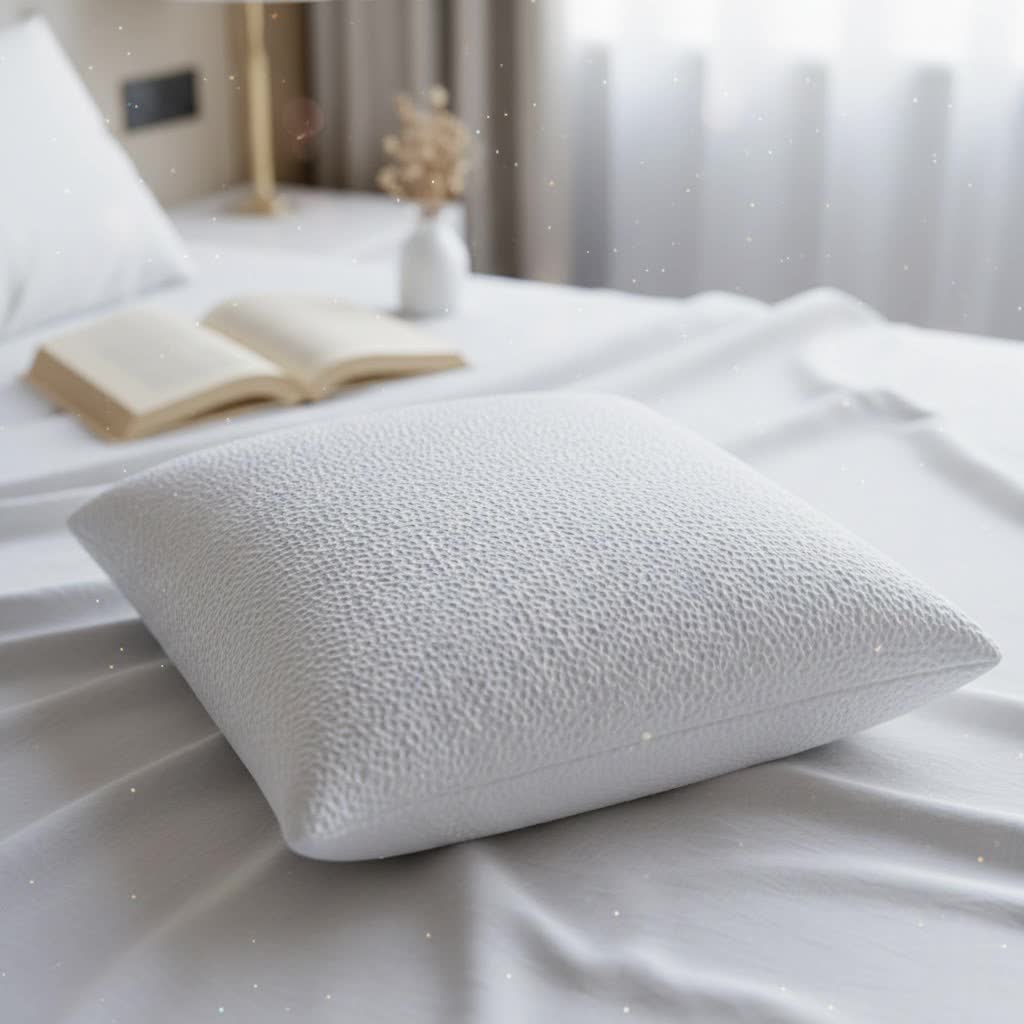
Are you among the millions who spend countless hours seated, only to contend with an aching back, numb legs, or persistent tailbone pain? The discomfort of prolonged sitting is a pervasive modern challenge, often leading to poor posture and long-term health issues. While a premium ergonomic chair can help, sometimes the missing piece for truly blissful sitting is a high-quality memory foam pillow for your chair. These specialized cushions are designed to transform any seat into a supportive, comfortable haven, alleviating pressure points and promoting healthier posture.
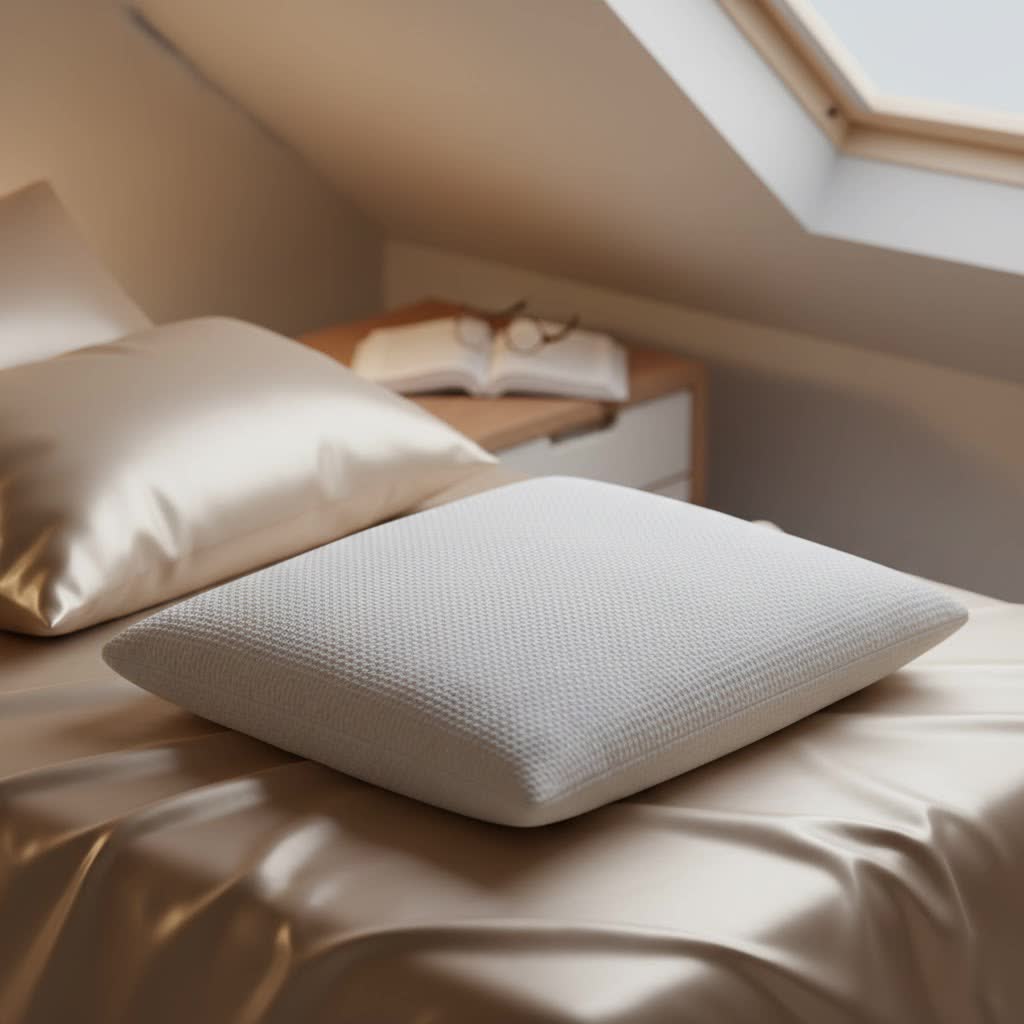
Understanding the Power of Memory Foam for Chair Comfort
|
Our Picks for the Best Foam Pillow in 2026
We may earn a commission when you use one of our links to make a purchase.
|
||
| Num | Product | Action |
|---|---|---|
| 1 | QUTOOL Cooling Pillow for Sleeping 2 Pack, Luxury Shredded Memory Foam Bed Queen Pillows Set of 2, Cool Pillow for Hot Sleepers Adjustable Firm Pillow for Side, Back, Stomach Sleepers Soft Yet Support |

|
| 2 | Ultra Pain Relief Cooling Pillow for Neck Support, Adjustable Cervical Pillow Cozy Sleeping, Odorless Ergonomic Contour Memory Foam Pillows, Orthopedic Bed Pillow for Side Back Stomach Sleeper |
|
| 3 | Memory Foam Pillows Neck Pillow Bed Pillow for Sleeping Ergonomic Cervical Pillow Orthopedic Contour Pillow for Side Back Stomach Sleeper |
|
| 4 | Ultra Pain Relief Cooling Pillow for Neck Support, Adjustable Cervical Pillow Cozy Sleeping, Odorless Ergonomic Contour Memory Foam Pillows, Orthopedic Bed Pillow for Side Back Stomach Sleeper |
|
| 5 | QUTOOL Enhanced Cooling Pillows Queen Size Set of 2,CertiPUR-US Shredded Memory Foam Pillows 2 Pack for Hot Sleeper, Adjustable Bed Pillow for Side, Back, Stomach Sleepers Support Yet Soft, Home Gifts |
|
| 6 | Cooling Pillows for Sleeping, Shredded Memory Foam Cooling Pillow for Hot Sleepers, Adjustable Cool Bed Pillows for Side Back Stomach Sleepers(Queen) |
|
| 7 | Ultra Pain Relief Cooling Pillow for Neck Support, Adjustable Cervical Pillow Cozy Sleeping, Odorless Ergonomic Contour Memory Foam Pillows, Orthopedic Bed Pillow for Side Back Stomach Sleeper |
|
| 8 | Memory Foam Pillows Neck Pillow Bed Pillow for Sleeping Ergonomic Cervical Contour Pillow for Side Back Stomach Sleeper for Neck and Shoulder Pain |
|
| 9 | Cube Pillow for Side Sleeper with Firm Layer, Cooling Memory Foam Pillows with Two Side Four Types of Softness for Neck and Shoulder Pain, King or Queen 24"x12"x5" |
|
| 10 | Cooling Gel Memory Foam Pillow - 1-Pack - Standard Size Bed Pillows For Sleeping - Medium-Firm - Back, Stomach and Side Sleeper Pillow - Shoulder & Back Pain Relief - Washable , Bamboo Viscose Cover |
|
Memory foam, also known as viscoelastic foam, is a remarkable material initially developed by NASA for its shock-absorbing properties. What makes it unique is its ability to react to body heat and pressure, softening and molding precisely to your unique contours. This personalized embrace distributes your weight evenly, minimizing pressure points that often lead to discomfort and pain during long sitting sessions. A quality memory foam pillow for your chair can significantly improve spinal alignment, reduce strain on the lower back, hips, and coccyx, and even enhance blood circulation. Beyond just pain relief, it can aid in faster recovery from muscle fatigue and may even offer hypoallergenic benefits by resisting dust mites and other allergens.
Exploring Different Types of Foam Chair Pillows
While memory foam is the star, several variations and other foam types are commonly used in chair cushions, each offering distinct advantages. Understanding these differences is key to selecting the best option for your needs.
- Classic Memory Foam: This is the traditional viscoelastic foam, known for its deep contouring and pressure-relieving capabilities. It excels at providing personalized support by molding to your body. However, classic memory foam can sometimes retain body heat, making it less ideal for those who tend to overheat. It’s best suited for moderate sitting durations where soft, conforming support is the priority.
- Gel-Infused Memory Foam: To combat the heat retention issue, manufacturers often infuse memory foam with cooling gel particles or beads. This innovation helps dissipate heat, offering a cooler and more breathable sitting experience. Gel-infused memory foam often feels a bit firmer than traditional memory foam, providing robust support while maintaining excellent pressure relief, making it a popular choice for extended sitting.
- High-Density Polyurethane (PU) Foam: While not memory foam, high-density polyurethane foam is a very common and effective material for chair padding. It’s lauded for its exceptional durability and ability to maintain its shape and firmness over prolonged periods. This type of foam provides consistent support and cushioning, often found in ergonomic office chairs, striking a balance between comfort and cost-effectiveness.
- Shredded Foam: Less common for dedicated seat or lumbar chair cushions, shredded foam (often memory foam) offers adjustability. These pillows allow you to manipulate the fill to achieve your desired loft and firmness, promoting better airflow than solid foam blocks. They are more frequently found in back support pillows where contouring flexibility is a major benefit.
- Latex Foam: Another natural alternative, latex foam is known for its responsive bounce and exceptional durability. It provides buoyant support without the deep contouring “sink” of memory foam. While less common specifically for chair cushions compared to seat and back support applications, latex offers excellent breathability and maintains its shape well.
Detailed Comparison: Finding Your Ideal Foam for Sitting
Choosing the right foam type can significantly impact your sitting comfort and support. Here’s a comparison to help you weigh your options:
| Foam Type | Key Characteristics | Pros | Cons | Best For |
|---|---|---|---|---|
| Classic Memory Foam | Heat-reactive, deep contouring, slow response | Excellent pressure relief, personalized support | Can retain heat, less ideal for constant repositioning | Moderate sitting, targeted pressure point relief, conforming comfort |
| Gel-Infused Memory Foam | Contains cooling gel, responsive, often firmer | Reduced heat buildup, good pressure relief, supportive | May feel firmer, less “sinking” than pure memory foam | Long sitting sessions, individuals prone to overheating, firm support needs |
| High-Density PU Foam | Dense, resilient, quick response | Highly durable, cost-effective, consistent firm support | Less conforming than memory foam, can feel less plush | General office use, heavy-duty applications, consistent firm support |
Critical Factors When Selecting Your Memory Foam Chair Pillow
Beyond the foam type, several other factors play a crucial role in determining the effectiveness and comfort of a memory foam chair pillow.
- Ergonomic Design & Shape: The shape of your pillow is paramount for targeted support.
- Seat Cushions: Many feature a U-shaped or coccyx cutout design to relieve pressure on the tailbone, crucial for those with coccyx pain or hemorrhoids. Wedge-shaped cushions can subtly tilt your pelvis forward, promoting a more upright and natural spinal posture, reducing slouching.
- Lumbar Supports: These are specifically designed to maintain the natural inward curve of your lower back, preventing slouching and reducing strain on spinal discs. Some designs are adjustable, allowing you to position the support precisely where your lumbar curve needs it most.
- Combination Use: For comprehensive support, many individuals use both a seat cushion and a lumbar support. However, be mindful that a very thick seat cushion might raise your seating position too much, potentially diminishing the effectiveness of your chair’s built-in lumbar support or requiring adjustments to your chair’s height.
- Firmness and Density: These two characteristics are closely related and determine how supportive and durable your pillow will be. High-density memory foam resists flattening and maintains its structural integrity over time, offering robust support for prolonged use. A pillow that is too soft might not provide adequate support, while one that is too firm could create new pressure points. The ideal firmness balances support with comfort, conforming without “bottoming out.”
- Size and Compatibility: Ensure the pillow’s dimensions fit your chair and your body proportions. A seat cushion shouldn’t be too small, leaving parts of your thighs unsupported, nor too large, causing it to awkwardly hang off the chair. Similarly, a lumbar support should fit the curvature of your back without being too bulky or too thin.
- Cover Material: The cover plays a significant role in comfort, breathability, and hygiene. Look for covers made from breathable mesh fabrics to promote airflow and prevent heat buildup, especially with memory foam. A removable and washable cover is essential for easy maintenance and hygiene, allowing you to keep your pillow fresh. A non-slip base is also highly desirable for seat cushions to prevent them from shifting around on your chair.
- Safety Certifications: Reputable foam products often carry certifications like CertiPUR-US or OEKO-TEX. These certifications ensure that the foam is made without harmful chemicals and meets strict standards for content, emissions, and durability, assuring you of a safer and higher-quality product.
Top Brands and Popular Memory Foam Chair Pillow Picks
The market offers a diverse range of high-quality memory foam chair pillows, with several brands consistently receiving high marks for comfort and efficacy. While individual preferences vary, some standout options frequently mentioned include:
| Brand/Model | Key Features | Primary Benefit | Ideal Use Case |
|---|---|---|---|
| ComfiLife Gel Enhanced Seat Cushion | High-density memory foam, gel layer, U-shaped cutout, non-slip base | Pressure relief, cooling, coccyx support | Office chairs, long sitting, tailbone pain |
| Everlasting Comfort Memory Foam Seat Cushion | Pure memory foam, U-shaped cutout, five color options | Soft pressure relief, versatile | Desk chairs, kitchen chairs, car seats |
| Xtreme Comforts Orthopedic Seat Cushion | High-grade memory foam, ergonomic contour | Orthopedic support, pain reduction | Sciatica, herniated discs, general back pain |
| Cushion Lab Pressure Relief Seat Cushion | Proprietary memory foam, ergonomic contour, available in standard/large | Advanced pressure distribution, posture aid | Home office, extended work sessions |
| CloudBliss Donut Pillow Seat Cushion | Donut shape with center hole, high-density memory foam | Targeted pressure relief (hemorrhoids, postpartum) | Post-surgery, pregnancy, hemorrhoid relief |
| ObusForme Gel Seat Cushion | Hybrid gel and memory foam, contoured design | Breathability, balanced support and softness | Those seeking hybrid comfort and temperature regulation |
“The right chair pillow isn’t just about cushioning; it’s about correcting biomechanics. A well-chosen memory foam cushion can actively reduce spinal load and promote a neutral posture, fundamentally changing how your body experiences sitting.” – Dr. Elena Petrova, Ergonomics Specialist
Your Buying Guide to the Best Memory Foam Chair Pillow
Investing in a memory foam chair pillow is an investment in your well-being. Here’s how to navigate the choices and find your perfect match:
- Assess Your Personal Needs: Start by identifying your primary concerns. Do you suffer from specific pain (coccyx, lower back, hip)? Do you sit for very long hours? What type of chair will you be using it with (office, car, dining)? Your answers will guide your selection.
- Examine Product Specifications Closely: Pay attention to the type of foam, its density, the dimensions (height, width, depth), and any special features like gel infusion or cutouts. A higher density generally indicates better durability and support.
- Read User Reviews and Ratings: While not all online reviews are reliable, looking for consistent feedback across multiple platforms can provide valuable insights into a product’s real-world performance, durability, and comfort for various body types.
- Consider Trial Periods and Warranties: Reputable brands often offer trial periods, allowing you to test the pillow at home and return it if it doesn’t meet your expectations. A good warranty also signals a manufacturer’s confidence in their product’s quality.
- Purchase from Trusted Retailers: Buy from established online retailers or physical stores known for selling quality ergonomic products. This helps ensure you receive an authentic product and have recourse if issues arise. If possible, try different cushions in person at office supply stores to gauge immediate comfort.
Caring for Your Memory Foam Chair Pillow
Proper care extends the life and maintains the performance of your memory foam chair pillow.
- Cleaning the Cover: Most memory foam chair pillows come with removable covers that are machine washable. Always follow the care instructions on the label to prevent shrinkage or damage.
- Cleaning the Foam Core: The foam insert itself typically cannot be machine washed. For spills or stains, spot clean gently with a mild detergent and water. Blot the area and allow it to air dry completely, away from direct sunlight, which can degrade the foam.
- Maintaining Freshness: To keep your pillow smelling fresh, periodically remove the cover and air out the foam core in a well-ventilated area for a few hours.
- Proper Storage: When not in use, store your memory foam pillow in a cool, dry place. Avoid compressing it for extended periods if possible, as this can affect its shape and integrity over time.
Conclusion
A memory foam pillow for your chair is more than just an accessory; it’s an essential tool for enhancing comfort, improving posture, and mitigating the health risks associated with prolonged sitting. By understanding the different foam types, ergonomic designs, and critical features, you can make an informed decision that transforms your daily sitting experience. Investing in the right memory foam pillow for your chair means investing in better spinal health, reduced pain, and increased productivity. So, why continue to endure discomfort when a world of ergonomic support awaits? What will be the first step you take towards a more comfortable sitting experience?
Frequently Asked Questions
Is a memory foam chair pillow effective for back pain relief?
Absolutely. Memory foam chair pillows are highly effective for back pain relief as they contour to your body, evenly distributing weight and reducing pressure on the spine, tailbone, and hips, thereby promoting proper spinal alignment and alleviating discomfort.
Can memory foam chair cushions make you feel hot?
Traditional memory foam can sometimes retain heat due to its dense structure. However, many modern memory foam chair cushions are infused with cooling gels or feature breathable covers (like mesh) to dissipate heat and provide a cooler sitting experience.
How should I clean my memory foam chair cushion?
Most memory foam chair cushions have removable, machine-washable covers, making cleaning convenient. The foam core itself should typically be spot cleaned with a mild detergent and air-dried away from direct sunlight to prevent damage.
How long do memory foam chair pillows typically last?
The lifespan of a memory foam chair pillow varies depending on its density, quality, and frequency of use. High-density memory foam cushions can last for several years with proper care, resisting flattening and maintaining their supportive properties.
What is the best shape for a memory foam seat cushion to relieve tailbone pain?
For tailbone (coccyx) pain relief, a memory foam seat cushion with a U-shaped or cut-out design is generally recommended. This design offloads pressure from the coccyx, allowing it to “float” above the seating surface.