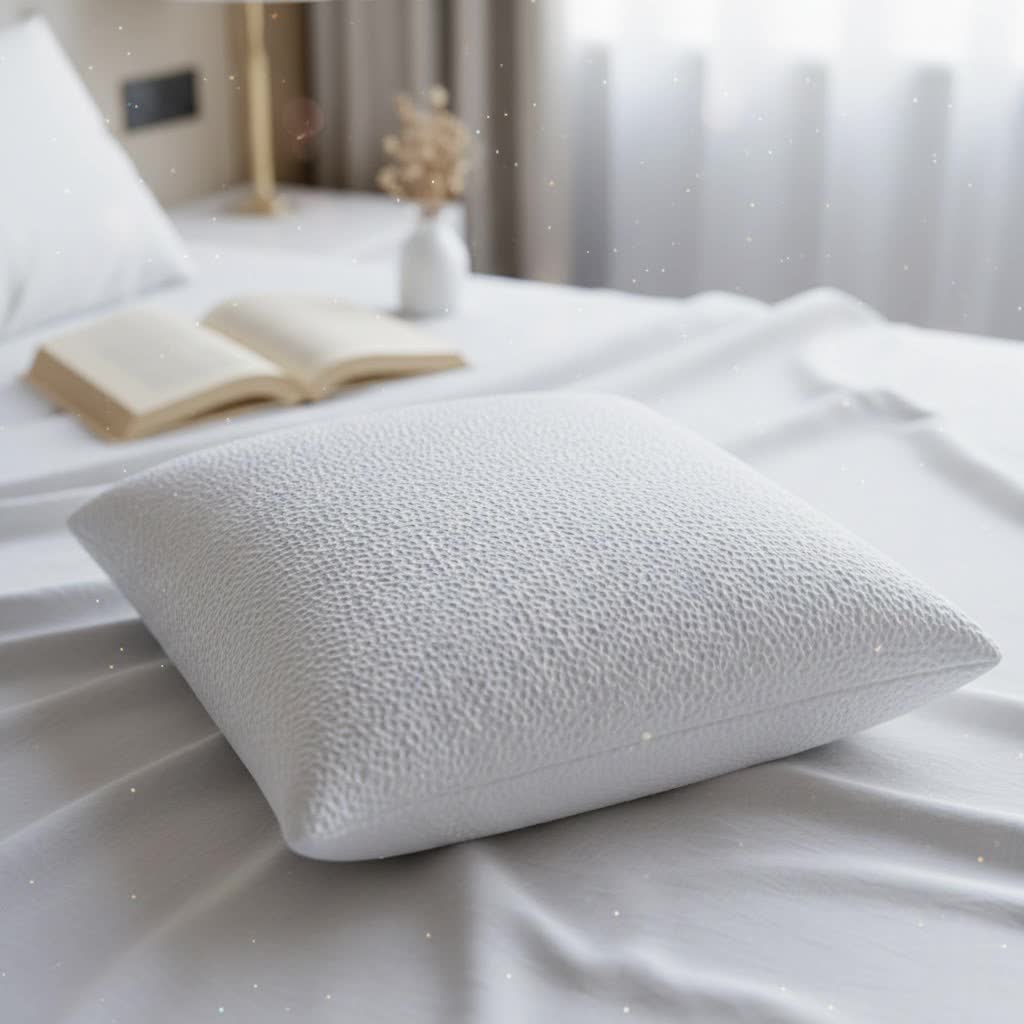
For millions worldwide, Continuous Positive Airway Pressure (CPAP) therapy is a lifeline for managing sleep apnea. Yet, the journey to a restful night with a CPAP machine often comes with its own set of challenges, from mask discomfort to frustrating air leaks. Imagine finally drifting off without the nagging pressure of your mask or waking up with neck pain from an awkward sleeping position. This is where a specialized CPAP pillow, particularly one crafted from memory foam, becomes a game-changer. Designed with unique contours and responsive support, these pillows are engineered to integrate seamlessly with your therapy, ensuring comfort, minimizing disruptions, and ultimately enhancing your sleep quality.
Choosing the Perfect Foam CPAP Pillow: An In-Depth Guide
Selecting the right CPAP pillow is a pivotal step towards transforming your sleep experience. Beyond just being a pillow, it’s a critical component of your CPAP therapy setup. The ideal pillow should not only support your head and neck but also expertly accommodate your mask and hose, preventing the common issues that plague CPAP users.
Understanding Common Foam Pillow Types
When it comes to specialized CPAP pillows, foam is the material of choice for its unique supportive properties. Different types of foam offer distinct advantages, influencing comfort, durability, and temperature regulation.
- Memory Foam: Known for its visco-elastic properties, memory foam softens in response to body heat and pressure, molding precisely to the contours of your head and neck. This personalized support helps maintain spinal alignment and alleviates pressure points, making it ideal for CPAP users seeking maximum comfort and mask stability. Its responsive nature means it gently cradles your head as you move, preventing the mask from shifting.
- Latex Foam: Derived from natural rubber, latex foam offers a bouncier, more responsive feel than memory foam. It provides excellent support and durability, maintaining its shape over time. While not as contouring as memory foam, its inherent breathability can be a significant advantage for those who tend to sleep hot.
- Polyurethane Foam (Polyfoam): Often used as a base layer in multi-layered pillows, polyfoam is a conventional foam offering good support and varying degrees of firmness. It’s generally more affordable but may not offer the same level of pressure relief or contouring as memory foam.
- Gel-Infused Foam: A popular innovation, gel-infused memory foam combines the conforming benefits of memory foam with cooling gel particles or layers. This technology is specifically designed to dissipate heat, addressing memory foam’s tendency to retain warmth and providing a cooler sleep surface, which is crucial for CPAP users who experience heat discomfort from their mask.
- Shredded Foam: This type features shredded pieces of memory foam (or other foams) inside a cover. Its primary advantage is adjustability; users can add or remove fill to customize the pillow’s loft and firmness. This also allows for better airflow compared to a solid block of foam, enhancing breathability and cooling.
|
Our Picks for the Best Foam Pillow in 2026
We may earn a commission when you use one of our links to make a purchase.
|
||
| Num | Product | Action |
|---|---|---|
| 1 | QUTOOL Cooling Pillow for Sleeping 2 Pack, Luxury Shredded Memory Foam Bed Queen Pillows Set of 2, Cool Pillow for Hot Sleepers Adjustable Firm Pillow for Side, Back, Stomach Sleepers Soft Yet Support |

|
| 2 | Ultra Pain Relief Cooling Pillow for Neck Support, Adjustable Cervical Pillow Cozy Sleeping, Odorless Ergonomic Contour Memory Foam Pillows, Orthopedic Bed Pillow for Side Back Stomach Sleeper |
|
| 3 | Cube Pillow for Side Sleeper with Firm Layer, Cooling Memory Foam Pillows with Two Side Four Types of Softness for Neck and Shoulder Pain, King or Queen 24"x12"x5" |
|
| 4 | Memory Foam Pillows Neck Pillow Bed Pillow for Sleeping Ergonomic Cervical Contour Pillow for Side Back Stomach Sleeper for Neck and Shoulder Pain |
|
| 5 | Cooling Gel Memory Foam Pillow - 1-Pack - Standard Size Bed Pillows For Sleeping - Medium-Firm - Back, Stomach and Side Sleeper Pillow - Shoulder & Back Pain Relief - Washable , Bamboo Viscose Cover |
|
| 6 | Ultra Pain Relief Cooling Pillow for Neck Support, Adjustable Cervical Pillow Cozy Sleeping, Odorless Ergonomic Contour Memory Foam Pillows, Orthopedic Bed Pillow for Side Back Stomach Sleeper |
|
| 7 | Cooling Pillows for Sleeping, Shredded Memory Foam Cooling Pillow for Hot Sleepers, Adjustable Cool Bed Pillows for Side Back Stomach Sleepers(Queen) |
|
| 8 | QUTOOL Enhanced Cooling Pillows Queen Size Set of 2,CertiPUR-US Shredded Memory Foam Pillows 2 Pack for Hot Sleeper, Adjustable Bed Pillow for Side, Back, Stomach Sleepers Support Yet Soft, Home Gifts |
|
| 9 | Memory Foam Pillows Neck Pillow Bed Pillow for Sleeping Ergonomic Cervical Pillow Orthopedic Contour Pillow for Side Back Stomach Sleeper |
|
| 10 | Ultra Pain Relief Cooling Pillow for Neck Support, Adjustable Cervical Pillow Cozy Sleeping, Odorless Ergonomic Contour Memory Foam Pillows, Orthopedic Bed Pillow for Side Back Stomach Sleeper |
|
Detailed Comparison of Foam Types for CPAP Pillows
Choosing between foam types involves weighing their characteristics against your personal needs, particularly regarding support, heat management, and longevity.
| Feature | Memory Foam | Latex Foam | Polyurethane Foam | Gel-Infused Memory Foam | Shredded Foam |
|---|---|---|---|---|---|
| Support & Contour | High contouring, excellent pressure relief | Good contouring, more responsive | Moderate support, less contouring | High contouring, excellent pressure relief | Highly adjustable, customizable support |
| Durability | High | Very High | Moderate | High | Moderate to High (depends on foam quality) |
| Breathability | Can retain heat | Good, naturally breathable | Moderate | Enhanced cooling, better breathability | Good, allows for airflow |
| Feel | Slow sink, cradling | Bouncy, responsive | Firm to soft, less conforming | Slow sink with cooling sensation | Soft, malleable, adjustable |
| Price | Mid to High | High | Low to Mid | Mid to High | Mid |
| Ideal For | Max pressure relief, mask stability | Natural materials, resilient support | Budget-friendly support | Hot sleepers, pressure relief | Adjustable loft, customized comfort |
Memory foam excels in providing targeted pressure relief and stability for CPAP masks. Its ability to cradle the head and neck while accommodating mask cutouts significantly reduces mask leaks and facial irritation. While traditional memory foam can retain heat, advancements like gel-infusion and shredded designs offer effective solutions for temperature regulation, making them suitable for a broader range of sleepers.
Essential Factors When Selecting a CPAP Pillow
Beyond the type of foam, several design and functional elements are critical for a CPAP pillow to be effective.
- Pillow Height and Firmness: These are paramount for maintaining proper spinal alignment and preventing neck pain.
- Side Sleepers: Typically require a taller, firmer pillow to fill the gap between the head and shoulder, ensuring the neck remains aligned with the spine. Look for ample cutouts to accommodate the mask without pressing it into your face.
- Back Sleepers: A flatter pillow with a curved indentation for the head and neck support is often more suitable, promoting natural spinal alignment.
- Stomach Sleepers: Should opt for a thinner, firmer pillow that supports the neck without causing an uncomfortable arch in the spine. Adjustable pillows with removable layers are highly recommended as they allow you to fine-tune the loft to your exact preference, catering to various sleeping positions and mask types.
- Pillow Size: While standard, Queen, and King sizes are available, the crucial aspect for CPAP users is the functional design of the pillow, not just its overall dimensions. Ensure the pillow provides sufficient surface area for comfortable movement throughout the night while keeping the mask secure.
- Pillow Shape: This is a defining characteristic of CPAP pillows. Specialized shapes typically feature:
- Cutouts or Notches: These strategically placed depressions create pressure-free zones around your mask and hose, preventing the mask from shifting, leaking air, or digging into your face.
- Contour Designs: Many CPAP pillows feature an ergonomic, contoured shape to support the natural curve of your cervical spine, reducing neck strain and promoting alignment.
- U-shaped or Butterfly Designs: These shapes can provide central head support while allowing space on the sides for mask accommodation.
- Pillow Cover Material: The cover should be breathable, soft, and easy to clean. Materials like cotton, bamboo, or specialized moisture-wicking fabrics help regulate temperature and keep the sleep surface fresh. A machine-washable cover is a non-negotiable for hygiene.
- Safety Certifications: Look for certifications like CertiPUR-US or OEKO-TEX, which indicate that the foam has been tested for harmful chemicals and emissions. These certifications ensure the pillow is safe and healthy for your sleep environment.
Top CPAP Pillow Brands and Products
The market offers a variety of CPAP pillows, each with unique features catering to different needs. Brands like Contour Products (e.g., Contour CPAPMax Pillow 2.0), Snugell, and HOMCA are well-regarded for their specialized designs. These brands often integrate specific mask cutouts, ergonomic contours, and material variations (like cooling gel memory foam) to address common CPAP-related discomforts. When comparing, consider the depth and shape of the cutouts, the overall pillow loft, and the firmness to match your sleeping position and mask type. Customer reviews often highlight effectiveness in reducing leaks, improving comfort, and enhancing sleep quality.
Smart Shopping: A Guide to Purchasing Your CPAP Pillow
Investing in the right CPAP pillow is an investment in your health and sleep. Approach the purchase thoughtfully to ensure you find the best fit.
- Identify Your Personal Needs: Start by assessing your primary concerns. What’s your dominant sleeping position (side, back, stomach)? What type of CPAP mask do you use (nasal, nasal pillow, full-face)? Do you experience neck pain, mask leaks, or facial pressure? Do you tend to sleep hot?
- Research and Read Reviews: Thoroughly research different brands and models. Pay close attention to reviews from other CPAP users, particularly those who share similar sleeping habits or mask types. Look for detailed feedback on mask compatibility, pressure relief, comfort, and durability.
- Purchase from Reputable Retailers: Buy your CPAP pillow from established retailers known for quality sleep products or medical equipment. This ensures you receive an authentic product and have access to reliable customer service.
- Understand Return and Warranty Policies: Pillows are personal items, and finding the perfect one can sometimes take trial and error. Opt for retailers offering a generous sleep trial or a clear return policy. A good warranty also signals the manufacturer’s confidence in their product’s durability.
- Consider an Adjustable Pillow: If you’re unsure about the ideal height or firmness, an adjustable pillow with removable layers of foam can be an excellent choice, offering unparalleled customization.
Maintaining Your CPAP Pillow: Care and Longevity
Proper care extends the life of your CPAP pillow and maintains its hygienic properties.
- Use a Pillowcase: Always use a pillowcase to protect your CPAP pillow from sweat, oils, and dirt. Many CPAP pillows come with custom-fit, machine-washable covers.
- Regular Cleaning of Pillowcase: Wash your pillowcase frequently, typically every 1-2 weeks, following the manufacturer’s instructions.
- Spot-Clean the Pillow: If the foam itself becomes soiled, spot-clean it gently with a mild detergent and a damp cloth. Avoid saturating the foam.
- Air Dry Completely: After spot-cleaning, ensure the pillow is completely air-dried in a well-ventilated area, away from direct sunlight, before using it or putting on a clean pillowcase.
- Avoid Harsh Chemicals: Do not use bleach, strong detergents, or abrasive cleaners, as these can damage the foam material and potentially cause skin irritation. Avoid machine washing or drying the foam core unless explicitly stated by the manufacturer, as this can destroy its structure.
“A CPAP pillow isn’t just a comfort accessory; it’s a therapeutic tool. Its specialized design can be the missing piece for many struggling with compliance and discomfort, ensuring their therapy is as effective as possible.” – Admin, Reviewdu.com
Conclusion
The journey to effective CPAP therapy doesn’t have to be fraught with discomfort. A high-quality memory foam CPAP pillow, designed with specific considerations for mask and hose accommodation, can significantly elevate your sleep experience. By understanding the nuances of different foam types, recognizing essential design features, and committing to proper care, you can select a pillow that provides optimal support, reduces mask leaks, and ensures greater therapy compliance. This personalized approach to sleep support is key to transforming restless nights into restorative slumber.
Are you ready to discover the difference a specialized CPAP pillow can make for your CPAP therapy?
Frequently Asked Questions
What makes memory foam ideal for CPAP pillows?
Memory foam excels due to its ability to contour precisely to your head and neck, alleviating pressure points and providing stable support for your CPAP mask. This minimizes mask shifting and air leaks, enhancing comfort and therapy effectiveness.
Can a regular memory foam pillow work for CPAP users?
While a regular memory foam pillow offers general comfort, it lacks the specialized cutouts and ergonomic design of a dedicated CPAP pillow. These unique features are crucial for accommodating the mask and hose, preventing discomfort and maintaining a proper seal, which a standard pillow typically cannot provide.
How do I choose the right height for my CPAP pillow?
The ideal pillow height depends on your sleeping position. Side sleepers generally need a taller, firmer pillow, back sleepers a flatter one with neck support, and stomach sleepers a thinner, firmer option. Many CPAP memory foam pillows offer adjustable layers to customize the loft.
How often should I replace my memory foam CPAP pillow?
Memory foam pillows typically last longer than traditional fiberfill pillows, usually between 2 to 3 years. However, if you notice a loss of support, permanent indentations, or unpleasant odors that cannot be cleaned, it’s time to consider a replacement for optimal hygiene and effectiveness.