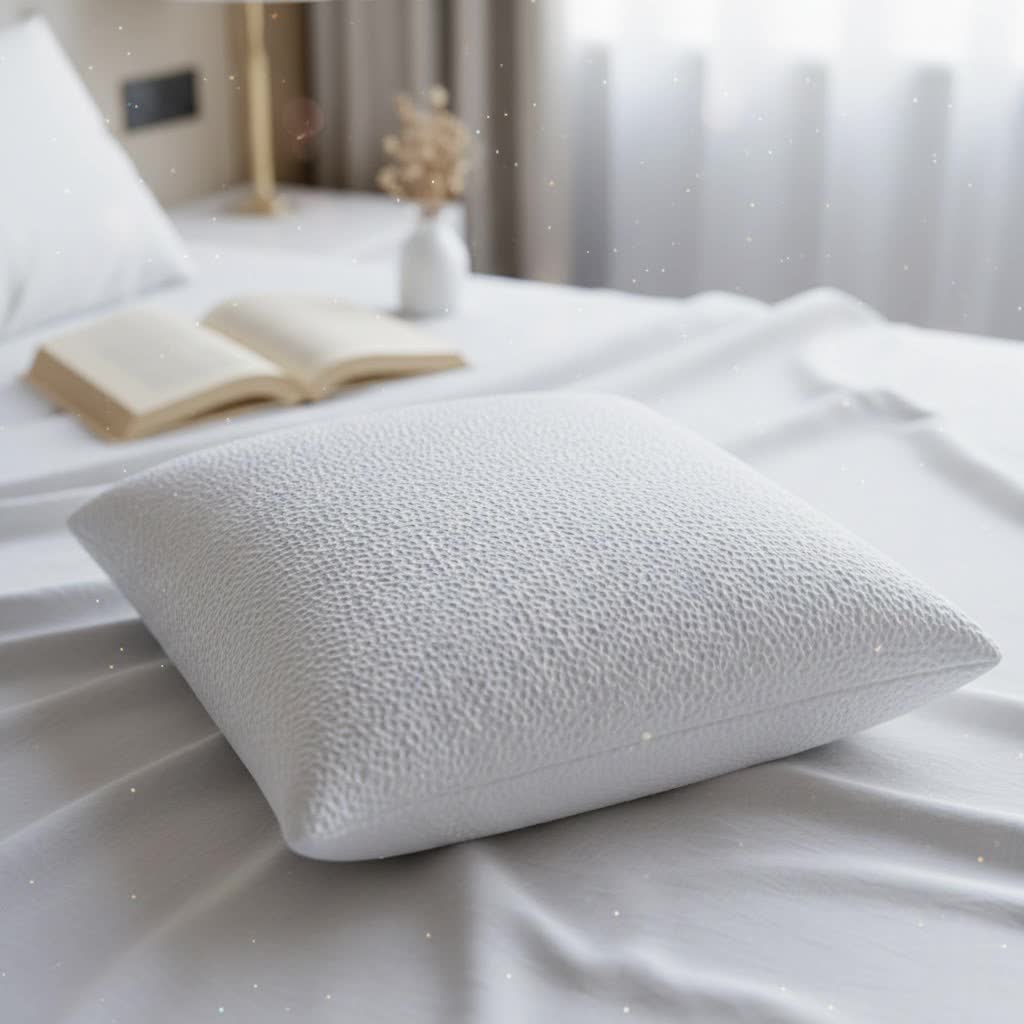
Are you tired of tossing and turning, waking up with a stiff neck, or constantly fluffing your pillow to find comfort? The right pillow can transform your sleep experience, and for many, a Good Memory Foam Pillow is the answer. With its unique ability to contour to your body’s shape, memory foam offers personalized support and pressure relief that traditional pillows simply can’t match. As someone who has spent over a decade testing hundreds of pillows, especially foam varieties, I understand the nuances of memory foam, latex, and polyurethane, and my goal is to help you navigate the options to find your perfect sleep companion.
Choosing the Perfect Foam Pillow: A Comprehensive Guide
When delving into the world of foam pillows, it’s essential to understand the distinct characteristics of each type. Your choice significantly impacts support, comfort, and overall sleep quality.
-
Memory Foam: Memory foam, a viscoelastic polyurethane foam, is renowned for its ability to soften and conform to your body in response to heat and pressure. This creates a custom mold around your head and neck, distributing weight evenly and relieving pressure points.
- Pros: Exceptional contouring, superior pressure relief, excellent spinal alignment, motion isolation.
- Cons: Can retain heat (though advancements address this), may have a slight initial off-gassing smell, slower response time than other foams.
- Best for: Individuals seeking targeted support for neck or back pain, side and back sleepers, and those who appreciate a “cradling” sensation.
-
Latex Foam: Derived from rubber tree sap, latex foam offers a more responsive and buoyant feel compared to memory foam. It quickly bounces back to its original shape.
- Pros: Highly durable, naturally breathable and cooler, resistant to dust mites and mold, quick responsiveness, eco-friendly options available.
- Cons: Generally firmer and bouncier than memory foam, can be more expensive, less contouring than memory foam.
- Best for: Hot sleepers, those who prefer a firmer and more responsive pillow, individuals with allergies, and those seeking natural materials.
-
Polyurethane Foam (Standard Foam): While memory foam is a specialized type of polyurethane foam, standard polyurethane foam is less dense and lacks the viscoelastic properties of memory foam. It’s often used in more affordable pillows.
- Pros: Lightweight, inexpensive, varied firmness levels.
- Cons: Less durable, offers minimal contouring and pressure relief, can flatten quickly.
- Best for: Budget-conscious buyers or those who prefer a traditional, less conforming pillow feel.
-
Gel-Infused Foam: This type of foam, often memory foam, incorporates gel particles or layers to combat memory foam’s tendency to retain heat. The gel helps to dissipate heat, creating a cooler sleep surface.
- Pros: Enhanced cooling, pressure relief of memory foam, improved airflow.
- Cons: Can be pricier than traditional memory foam, cooling effect may diminish over time.
- Best for: Hot sleepers, individuals prone to night sweats, and those who love memory foam but need temperature regulation.
-
Shredded Foam: Instead of a solid block, shredded foam pillows are filled with small pieces of foam (often memory foam). This allows for adjustability and improved airflow.
- Pros: Highly adjustable loft and firmness, excellent breathability, moldable to individual preferences.
- Cons: Can be messy to adjust, may require periodic fluffing, potential for shifting fill.
- Best for: All sleeping positions, especially those who struggle to find the “just right” pillow, and hot sleepers.
Detailed Comparison of Foam Types
|
Our Picks for the Best Foam Pillow in 2026
We may earn a commission when you use one of our links to make a purchase.
|
||
| Num | Product | Action |
|---|---|---|
| 1 | QUTOOL Cooling Pillow for Sleeping 2 Pack, Luxury Shredded Memory Foam Bed Queen Pillows Set of 2, Cool Pillow for Hot Sleepers Adjustable Firm Pillow for Side, Back, Stomach Sleepers Soft Yet Support |

|
| 2 | Memory Foam Pillows Neck Pillow Bed Pillow for Sleeping Ergonomic Cervical Contour Pillow for Side Back Stomach Sleeper for Neck and Shoulder Pain |
|
| 3 | Memory Foam Pillows Neck Pillow Bed Pillow for Sleeping Ergonomic Cervical Pillow Orthopedic Contour Pillow for Side Back Stomach Sleeper |
|
| 4 | Cooling Pillows for Sleeping, Shredded Memory Foam Cooling Pillow for Hot Sleepers, Adjustable Cool Bed Pillows for Side Back Stomach Sleepers(Queen) |
|
| 5 | Ultra Pain Relief Cooling Pillow for Neck Support, Adjustable Cervical Pillow Cozy Sleeping, Odorless Ergonomic Contour Memory Foam Pillows, Orthopedic Bed Pillow for Side Back Stomach Sleeper |
|
| 6 | Cooling Gel Memory Foam Pillow - 1-Pack - Standard Size Bed Pillows For Sleeping - Medium-Firm - Back, Stomach and Side Sleeper Pillow - Shoulder & Back Pain Relief - Washable , Bamboo Viscose Cover |
|
| 7 | Cube Pillow for Side Sleeper with Firm Layer, Cooling Memory Foam Pillows with Two Side Four Types of Softness for Neck and Shoulder Pain, King or Queen 24"x12"x5" |
|
| 8 | Ultra Pain Relief Cooling Pillow for Neck Support, Adjustable Cervical Pillow Cozy Sleeping, Odorless Ergonomic Contour Memory Foam Pillows, Orthopedic Bed Pillow for Side Back Stomach Sleeper |
|
| 9 | QUTOOL Enhanced Cooling Pillows Queen Size Set of 2,CertiPUR-US Shredded Memory Foam Pillows 2 Pack for Hot Sleeper, Adjustable Bed Pillow for Side, Back, Stomach Sleepers Support Yet Soft, Home Gifts |
|
| 10 | Ultra Pain Relief Cooling Pillow for Neck Support, Adjustable Cervical Pillow Cozy Sleeping, Odorless Ergonomic Contour Memory Foam Pillows, Orthopedic Bed Pillow for Side Back Stomach Sleeper |
|
Understanding the differences between foam types is key to making an informed choice for your personal sleep needs.
| Feature | Memory Foam | Latex Foam | Standard Polyurethane Foam | Gel-Infused Foam | Shredded Foam |
|---|---|---|---|---|---|
| Response | Slow, contours to shape | Quick, buoyant, springy | Quick, less conforming | Slow (memory foam base), cooling response | Medium, highly moldable |
| Support | Excellent contouring, pressure relief | Responsive, consistent support | Basic support, less conforming | Excellent contouring, pressure relief | Adaptable, customizable support |
| Breathability | Can retain heat (improved with new tech) | Excellent, naturally breathable | Moderate | Good, designed for cooling | Excellent, increased airflow |
| Durability | Good (2-5 years) | Excellent (5-10+ years) | Fair (6-12 months) | Good (2-5 years) | Good, depends on fill quality |
| Price | Moderate to High | High | Low | Moderate to High | Moderate to High |
| Feel | “Sinking in,” cradling, body-hugging | “Bouncy,” resilient, supportive | “Traditional,” soft or firm, less adaptable | Cool cradling feel | Customizable, soft to firm, airy |
Memory foam excels in providing personalized pressure relief, making it a favorite for individuals with chronic pain, while latex shines with its natural coolness and exceptional durability. Standard polyurethane foam offers a budget-friendly option but sacrifices long-term support and lifespan. Gel-infused foam addresses the common concern of heat retention in memory foam, offering a cooler alternative for those who sleep warm. Shredded foam, often made from memory foam, provides the ultimate customization, allowing sleepers to adjust the pillow’s loft and firmness to their exact preference, ensuring optimal spinal alignment for any sleeping position.
Important Factors When Choosing a Foam Pillow
Selecting the ideal foam pillow involves considering several critical factors beyond just the foam type. These elements work together to ensure proper alignment and a restful night’s sleep.
-
Pillow Height (Loft) and Firmness: The right loft and firmness are crucial for maintaining neutral spinal alignment, preventing neck strain and discomfort.
- Back Sleepers: Typically benefit from a medium-firm pillow with a medium loft to support the natural curve of the neck without pushing the head too far forward.
- Side Sleepers: Generally require a firmer, higher loft pillow to fill the larger gap between the head and shoulder, keeping the spine straight.
- Stomach Sleepers: Best suited for a soft, low-loft pillow to avoid arching the neck excessively, which can lead to pain.
- The “Press Test”: To gauge quality, press your hand firmly into the foam and release. A good memory foam pillow should take approximately 7-10 seconds to return to its original shape, indicating proper density and responsiveness.
-
Pillow Size: Choosing the correct pillow size ensures adequate support across your mattress and allows for comfortable movement during sleep.
- Standard: Most common size, suitable for twin and full beds.
- Queen: Slightly longer than standard, ideal for queen-sized beds and sleepers who move more.
- King: Longest option, perfect for king-sized beds, offering ample space and support.
-
Pillow Shape: Different shapes cater to specific needs and sleeping preferences.
- Traditional: Rectangular shape, versatile, but may not offer targeted support.
- Contour (Ergonomic): Features a wave-like design with a higher ridge for neck support and a lower dip for the head, excellent for back and side sleepers with neck pain.
- U-shaped/Cervical: Designed to cradle the neck and support the head, often recommended for specific therapeutic needs.
-
Pillow Cover Material: The cover impacts breathability, hygiene, and overall comfort.
- Breathable Materials: Look for covers made from cotton, bamboo, Tencel, or covers infused with cooling technology (e.g., copper, phase-change materials) to enhance airflow and wick away moisture, especially for memory foam pillows.
- Easy to Clean: A removable, machine-washable cover is highly recommended for maintaining hygiene and extending the pillow’s life.
-
Safety Certifications: Certifications ensure that your pillow is free from harmful chemicals and produced responsibly.
- CertiPUR-US: Guarantees the foam is made without ozone depleters, heavy metals, formaldehyde, phthalates, and has low VOC (Volatile Organic Compound) emissions for indoor air quality.
- OEKO-TEX Standard 100: Certifies textiles and fabric products are free from harmful substances at all stages of production.
Comparison of Popular Foam Pillow Features
While I cannot list specific brands, top-tier foam pillows often share common characteristics and innovations aimed at maximizing comfort and support. Here’s what to look for when considering reputable options:
- Adjustable Loft and Firmness: Many leading brands offer shredded memory foam pillows that allow you to add or remove fill, providing unparalleled customization for your ideal height and firmness. This is a game-changer for sleepers who need to fine-tune their support.
- Advanced Cooling Technology: To counter memory foam’s heat-trapping tendencies, premium pillows integrate features like gel infusions, perforated foam cores for increased airflow, and covers made with phase-change materials or copper-infused fabrics that draw heat away from the body.
- Ergonomic Design for Targeted Support: Brands focusing on health and wellness often feature contour or cervical designs, specifically shaped to provide optimal alignment for the head, neck, and shoulders, crucial for alleviating pain and improving posture.
- High-Quality, Durable Foam: Reputable manufacturers use high-density memory foam that maintains its shape and supportive properties over time, resisting sagging and flattening. This contributes significantly to the pillow’s longevity and consistent performance.
- Hypoallergenic and Easy Care: The best foam pillows come with removable, washable covers made from breathable, hypoallergenic fabrics, simplifying maintenance and promoting a healthier sleep environment by deterring allergens and dust mites.
- Trial Periods and Warranties: Many reputable brands offer generous sleep trial periods (e.g., 100 nights) and robust warranties (e.g., 5 years) to ensure customer satisfaction and demonstrate confidence in their product quality.
Guide to Buying a Foam Pillow
Making the right choice for a foam pillow can feel overwhelming with so many options. Follow these steps to ensure you select the perfect one for your needs.
-
Identify Your Personal Needs: Start by understanding your sleeping habits and any specific concerns.
- Sleeping Position: Are you a side, back, or stomach sleeper? This is the most crucial factor for determining appropriate loft and firmness.
- Health Issues: Do you experience neck pain, shoulder pain, migraines, or snoring? A contour or cervical pillow might offer therapeutic benefits.
- Temperature Preference: Do you tend to sleep hot? Prioritize pillows with cooling technologies.
-
Read Specifications and Product Reviews: Dive into product descriptions to check for foam type, density, loft, cooling features, and certifications (CertiPUR-US, OEKO-TEX). Don’t solely rely on manufacturer claims; real user reviews often provide valuable insights into comfort, durability, and common issues. Pay attention to reviews from sleepers with similar body types and sleeping positions.
-
Purchase from Reputable Retailers: Buy from established brands or retailers known for quality bedding products. These companies typically offer better customer service, clearer product information, and reliable after-sales support.
-
Understand Return Policies and Warranties: Given that pillow comfort is highly personal, a generous trial period (e.g., 30-100 nights) is invaluable. Ensure you understand the return or exchange policy before purchasing. A strong warranty (e.g., 3-5 years) indicates the manufacturer’s confidence in their product’s durability.
-
Test the Pillow (If Possible): While often not feasible for online purchases, if you have the opportunity to try a pillow in person, lie down in your typical sleeping position for at least 10-15 minutes. Pay attention to how your head and neck feel.
How to Clean and Care for Your Foam Pillow
Proper care is essential to extend the life of your foam pillow and maintain a hygienic sleep environment.
-
Routine Cleaning: Most foam pillows are not machine washable. Instead, focus on cleaning the removable cover regularly.
- Pillow Cover: Always follow the care instructions on the label. Most covers are machine washable in cold water on a gentle cycle and can be tumble-dried on low or air-dried.
- Foam Core: Spot clean the foam core as needed. Use a mild detergent mixed with water and a clean cloth to gently dab any stains. Avoid saturating the foam.
-
Removing Stains and Odors:
- Stains: For tough spots, a mixture of baking soda and a small amount of water can create a paste to gently scrub the stain. Let it sit, then dab clean with a damp cloth.
- Odors: Memory foam can sometimes retain odors. To freshen, sprinkle baking soda liberally over the pillow, let