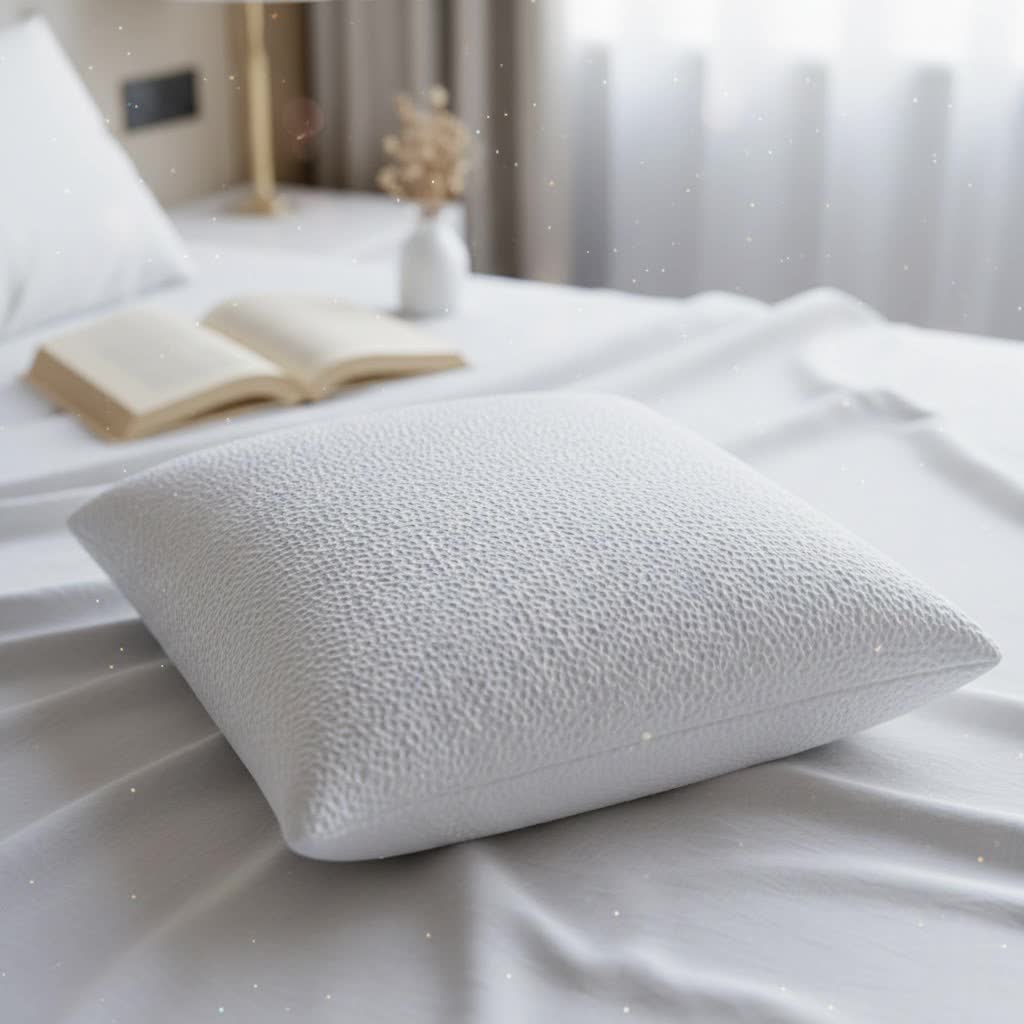
Are you tired of waking up with a sweaty neck or constantly flipping your pillow to find a cool spot? Many of us struggle with overheating during sleep, turning what should be a restful night into a fitful battle with discomfort. The good news is, a solution exists that combines the renowned support of memory foam with advanced cooling technology: the Gel Memory Foam Pillow. This article will guide you through everything you need to know about these innovative pillows, helping you choose the perfect one to transform your sleep into a cool, supportive, and truly restorative experience.
Understanding Gel Memory Foam Pillows
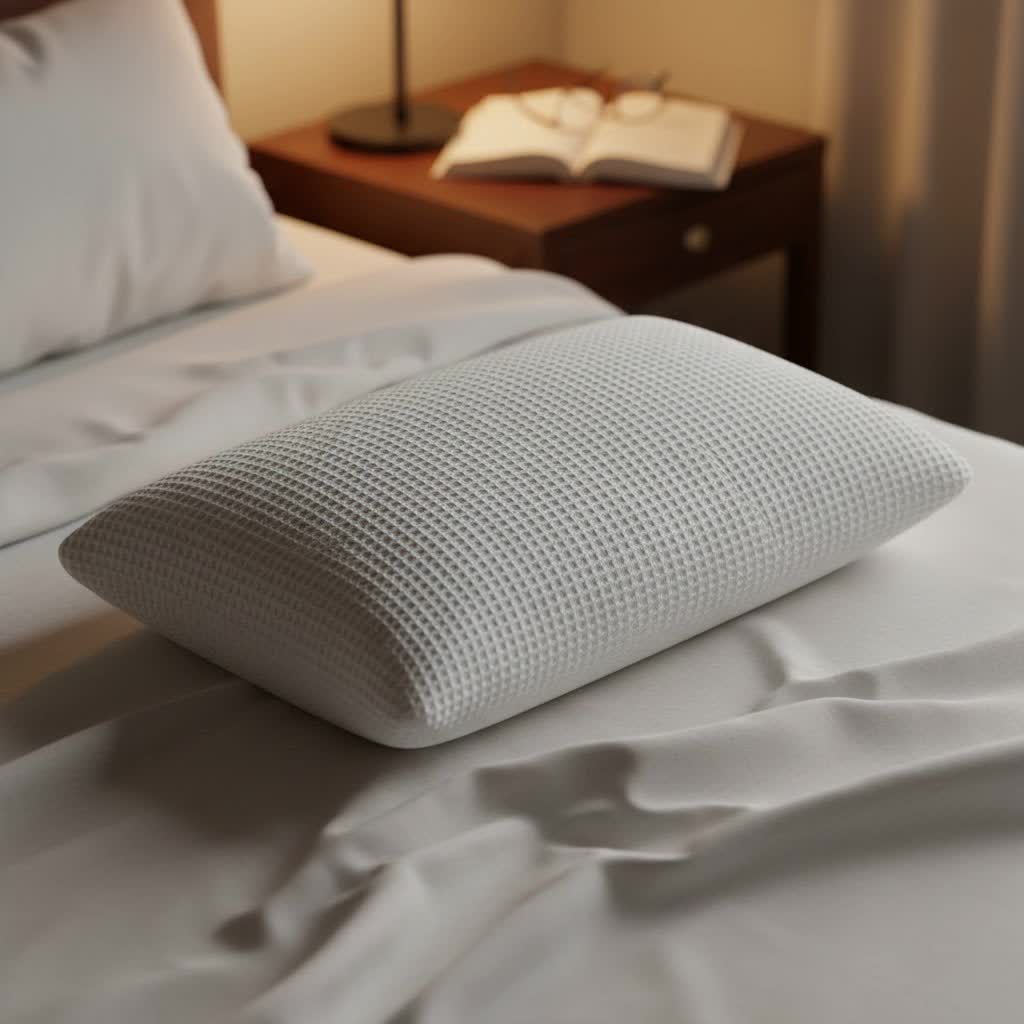
Gel memory foam pillows are a modern marvel in sleep technology, designed to address one of the primary drawbacks of traditional memory foam: heat retention. But what exactly makes them different, and how do they work their cooling magic?
What is Gel Memory Foam?
At its core, gel memory foam is still viscoelastic polyurethane foam, known for its ability to contour precisely to your head and neck, offering personalized support and pressure relief. However, it’s infused with special cooling agents, typically in one of a few forms:
- Gel beads: Microbeads of gel are mixed into the foam during manufacturing, creating a network that absorbs and disperses heat away from the body.
- Liquid gel: A layer of liquid gel may be infused or applied to the surface of the memory foam, providing an immediate cool-to-the-touch sensation.
- Phase-change materials (PCM): These materials can absorb and release heat in response to your body temperature, maintaining a more consistent, cooler sleep surface.
- Open-cell structures and ventilation channels: Many gel foams also feature an open-cell design or strategically placed ventilation holes to enhance airflow and prevent heat from getting trapped.
|
Our Picks for the Best Foam Pillow in 2026
We may earn a commission when you use one of our links to make a purchase.
|
||
| Num | Product | Action |
|---|---|---|
| 1 | QUTOOL Cooling Pillow for Sleeping 2 Pack, Luxury Shredded Memory Foam Bed Queen Pillows Set of 2, Cool Pillow for Hot Sleepers Adjustable Firm Pillow for Side, Back, Stomach Sleepers Soft Yet Support |

|
| 2 | Ultra Pain Relief Cooling Pillow for Neck Support, Adjustable Cervical Pillow Cozy Sleeping, Odorless Ergonomic Contour Memory Foam Pillows, Orthopedic Bed Pillow for Side Back Stomach Sleeper |
|
| 3 | Memory Foam Pillows Neck Pillow Bed Pillow for Sleeping Ergonomic Cervical Contour Pillow for Side Back Stomach Sleeper for Neck and Shoulder Pain |
|
| 4 | Ultra Pain Relief Cooling Pillow for Neck Support, Adjustable Cervical Pillow Cozy Sleeping, Odorless Ergonomic Contour Memory Foam Pillows, Orthopedic Bed Pillow for Side Back Stomach Sleeper |
|
| 5 | QUTOOL Enhanced Cooling Pillows Queen Size Set of 2,CertiPUR-US Shredded Memory Foam Pillows 2 Pack for Hot Sleeper, Adjustable Bed Pillow for Side, Back, Stomach Sleepers Support Yet Soft, Home Gifts |
|
| 6 | Cooling Gel Memory Foam Pillow - 1-Pack - Standard Size Bed Pillows For Sleeping - Medium-Firm - Back, Stomach and Side Sleeper Pillow - Shoulder & Back Pain Relief - Washable , Bamboo Viscose Cover |
|
| 7 | Memory Foam Pillows Neck Pillow Bed Pillow for Sleeping Ergonomic Cervical Pillow Orthopedic Contour Pillow for Side Back Stomach Sleeper |
|
| 8 | Cube Pillow for Side Sleeper with Firm Layer, Cooling Memory Foam Pillows with Two Side Four Types of Softness for Neck and Shoulder Pain, King or Queen 24"x12"x5" |
|
| 9 | Ultra Pain Relief Cooling Pillow for Neck Support, Adjustable Cervical Pillow Cozy Sleeping, Odorless Ergonomic Contour Memory Foam Pillows, Orthopedic Bed Pillow for Side Back Stomach Sleeper |
|
| 10 | Cooling Pillows for Sleeping, Shredded Memory Foam Cooling Pillow for Hot Sleepers, Adjustable Cool Bed Pillows for Side Back Stomach Sleepers(Queen) |
|
How it Differs from Traditional Memory Foam
While traditional memory foam excels at conforming to your body for pressure relief, its dense, closed-cell structure can often trap heat, leading to an uncomfortably warm sleep. Gel memory foam pillows combat this through their integrated cooling elements.
Here’s a quick comparison:
| Feature | Traditional Memory Foam | Gel Memory Foam |
|---|---|---|
| Heat Retention | Tends to trap body heat, can feel warm. | Actively disperses heat, provides a cooler sleep surface. |
| Bounce/Response | Slower response, “sinks” and holds shape longer. | Slightly faster bounce-back, more responsive. |
| Density | Varies, but can feel denser and more insulating. | Often engineered for enhanced airflow; gel beads can increase density slightly. |
| Durability | Generally very durable, retains shape well over time. | Can be durable, but some formulations might be slightly less long-lasting than traditional. |
| Price | Generally more affordable. | Tends to be slightly more expensive due to added technology. |
Benefits of Gel Memory Foam Pillows
Investing in a gel memory foam pillow offers a wealth of advantages, especially if you’re a warm sleeper or suffer from common sleep-related discomforts.
- Superior Temperature Regulation: The most significant benefit is their enhanced ability to dissipate heat. The gel infusions work tirelessly to draw heat away from your head and neck, keeping you comfortably cool throughout the night. This can be a game-changer for those who experience night sweats or live in warmer climates.
- Exceptional Support and Contouring: Like all memory foam, gel memory foam cradles your unique head and neck shape, providing personalized support. This helps fill the gap between your head and shoulders, preventing your head from sinking too far or being propped up at an awkward angle.
- Pressure Relief: By distributing weight evenly, these pillows reduce pressure points that can lead to stiffness, aches, and pains, particularly in the neck and shoulders. This makes them excellent for individuals suffering from chronic pain.
- Spinal Alignment: The contouring properties help maintain the natural curvature of your spine, promoting proper alignment. Correct spinal alignment is crucial for preventing neck pain and ensuring a restorative sleep.
- Hypoallergenic Properties: Memory foam naturally resists dust mites and other allergens due to its dense structure, making gel memory foam pillows a good choice for allergy sufferers. Many also come with removable, washable covers that add an extra layer of hygiene.
Types of Gel Memory Foam Pillows
Just like traditional foam pillows, gel memory foam comes in a few distinct forms, each offering unique benefits to cater to different preferences and needs.
Solid Gel Memory Foam
These pillows are typically constructed from a single, molded block of gel-infused memory foam.
- Pros: Offers consistent support and a uniform feel across the entire pillow. The solid core maintains its shape well and provides deep contouring.
- Cons: Less adjustable in terms of loft and firmness unless specifically designed with interchangeable layers. Can sometimes feel too firm for some sleepers.
Shredded Gel Memory Foam
Instead of a solid block, these pillows are filled with shredded pieces of gel-infused memory foam.
- Pros: Highly adjustable; you can add or remove fill to customize the pillow’s loft and firmness to your exact preference. The shredded nature also allows for better airflow, enhancing breathability.
- Cons: Can sometimes feel lumpy if the shreds aren’t uniform, and may require occasional fluffing to maintain its shape.
Gel-Infused vs. Gel Layer
It’s important to understand the two main ways gel is incorporated:
- Gel-infused foam: The gel material (beads or liquid) is mixed directly into the foam itself. This provides a consistent cooling effect throughout the pillow.
- Gel layer: A distinct layer of gel is placed on top of or within the memory foam block. This can offer a more immediate and pronounced cooling sensation, sometimes only on one side of the pillow. Some pillows combine both methods for maximum cooling.
Key Factors When Choosing Your Perfect Gel Memory Foam Pillow
Selecting the right gel memory foam pillow involves considering several personal factors to ensure you achieve optimal comfort and support.
Your Sleeping Position
Your preferred sleeping position is arguably the most critical factor in choosing a pillow, as it dictates the necessary loft and firmness to maintain proper spinal alignment.
- Side Sleepers: Typically need a higher loft and firmer pillow to fill the larger gap between their head and shoulder, keeping the neck aligned with the spine. A solid contour pillow or an adjustable shredded foam pillow works well.
- Back Sleepers: Benefit from a medium loft and medium-firm pillow that supports the natural curve of the neck without pushing the head too far forward. A contoured gel memory foam pillow is often ideal.
- Stomach Sleepers: Require a low loft and softer pillow to prevent their head from being elevated too high, which can strain the neck and back. A thin, soft shredded gel foam pillow where fill can be removed is a good option.
- Combination Sleepers: An adjustable shredded gel memory foam pillow offers the versatility needed to accommodate various positions throughout the night.
Loft and Firmness of the Pillow
The pillow’s height (loft) and feel (firmness) are paramount for spinal alignment and comfort.
- Loft: Ideally, your pillow should keep your head, neck, and spine in a neutral, flat line. Too high or too low, and you risk waking up with neck pain. Adjustable shredded foam pillows are excellent for customizing loft.
- Firmness: This is largely a personal preference, but it also relates to your body weight and sleep position. A pillow that is too soft won’t offer enough support, while one that’s too firm can create pressure points. Gel memory foam often offers a balanced medium-firm feel, contouring without being overly soft.
Pillow Shape
Beyond the traditional rectangular shape, gel memory foam pillows come in specialized designs:
- Traditional: Classic rectangular shape, familiar and versatile.
- Contour (Cervical) Pillow: Features a wave-like design with a higher ridge for neck support and a lower dip for the head, promoting optimal spinal alignment, especially for back and side sleepers.
- Wedge Pillow: Elevated and angled, typically used for acid reflux or to elevate the upper body. While not a primary head pillow, some feature gel memory foam for comfort.
Pillow Cover Material
The cover plays a vital role in breathability, comfort, and hygiene.
- Breathable Fabrics: Look for covers made from materials like bamboo-derived rayon, Tencel, cotton, or specialized cooling fabrics (e.g., phase-change material covers). These enhance airflow and wick away moisture.
- Ease of Cleaning: A removable, machine-washable cover is a significant advantage for maintaining hygiene and prolonging the pillow’s life.
Certifications and Safety
Always check for certifications that guarantee the foam and materials are safe.
- CertiPUR-US: This certification ensures the memory foam is made without harmful chemicals like ozone depleters, mercury, lead, formaldehyde, and phthalates, and has low VOC (Volatile Organic Compound) emissions.
- OEKO-TEX Standard 100: This certifies that textile products (like pillow covers) are free from harmful substances.
Price and Warranty
A gel memory foam pillow is an investment in your sleep health.
- Price: While generally more expensive than traditional memory foam due to advanced cooling technology, quality gel memory foam pillows offer long-term value.
- Warranty and Trial Periods: Many reputable brands offer sleep trials (e.g., 30 to 100 nights) and warranties (e.g., 3 to 5 years). These policies allow you to test the pillow’s suitability and protect your investment against defects.
Top Brands and Innovations
The market for gel memory foam pillows is competitive, with many brands pushing the boundaries of comfort and cooling technology. Leading manufacturers often incorporate additional features to enhance the sleep experience. You’ll find innovations like dual-sided cooling, where one side might have a more intense cooling gel layer, and the other a softer, more traditional feel. Some pillows are infused with copper or graphite, materials known for their thermal conductivity, to further aid in heat dissipation. Advanced fabric technologies in pillow covers, such as those with phase-change materials or moisture-wicking properties, also contribute significantly to a cooler and drier sleep environment. These features work in concert to deliver a highly effective cooling experience without sacrificing the contouring support memory foam is famous for.
Caring for Your Gel Memory Foam Pillow
Proper care and maintenance are crucial for extending the life and preserving the performance of your gel memory foam pillow. Unlike some traditional pillows, gel memory foam requires specific cleaning methods.
Cleaning Your Gel Memory Foam Pillow
The core of a gel memory foam pillow typically cannot be machine washed or submerged in water without risking damage to the foam structure and gel infusions.
- Removable Covers: Most gel memory foam pillows come with a removable, machine-washable cover. Always check the care label for specific instructions, but generally, these can be washed on a gentle cycle with cold water and mild detergent.
- Spot Cleaning: For minor spills or stains on the foam core itself, spot cleaning is the recommended method.
- Remove the pillowcase and any protective cover.
- Mix a small amount of mild detergent with water to create a gentle cleaning solution.
- Lightly dampen a clean cloth with the solution and gently blot the stained area. Do not rub vigorously.
- Use a separate clean, damp cloth (with only water) to blot away any soap residue.
- Allow the spot to air dry completely before replacing the cover.
- Hand Washing (for solid core, if permitted): In rare cases where a deep clean of the foam core is necessary and the manufacturer’s instructions allow it, you might hand wash.
- Fill a tub with lukewarm water and a small amount of mild detergent.
- Gently submerge the pillow, squeezing it lightly to allow water and soap to penetrate.
- Drain the soapy water and refill with clean water, repeating the squeezing and rinsing process until the water runs clear.
- Never wring or twist the foam, as this can tear and damage it. Gently press out excess water.
Drying Your Gel Memory Foam Pillow
Drying is a critical step, and doing it incorrectly can irreversibly damage the foam.
- Air Dry Only: Gel memory foam pillows must be air-dried. High heat from a dryer can cause the foam to break down, crumble, or melt, destroying its structure and cooling properties.
- Flat, Ventilated Surface: Lay the pillow flat on a clean, dry towel in a well-ventilated area, away from direct sunlight or heat sources. A fan can help speed up the drying process.
- Flip Periodically: Flip the pillow every few hours to ensure even drying on all sides.
- Complete Dryness: Ensure the pillow is completely dry, which can take up to 24 hours or even longer depending on humidity. Using a damp pillow can lead to mildew and odors.
Maintenance Tips
- Use a Pillow Protector: A good quality, breathable pillow protector adds an extra barrier against sweat, oils, and allergens, significantly reducing the need for deep cleaning the foam itself.
- Rotate Regularly: Rotate your pillow every few months to ensure even wear and maintain its shape and support over time.
- Air Out Occasionally: On a dry, breezy day, remove the cover and let your pillow air out for a few hours. This helps refresh the foam and dissipate any lingering odors.
Conclusion
Choosing the right pillow is fundamental to achieving restful sleep and maintaining overall well-being. Gel memory foam pillows offer a remarkable solution, combining the renowned contouring support of traditional memory foam with innovative cooling technology to prevent overheating. By understanding the different types, considering factors like your sleeping position, and committing to proper care, you can select a gel memory foam pillow that provides unparalleled comfort, optimal spinal alignment, and a consistently cool sleep surface.
Are you ready to experience the difference a truly supportive and refreshing sleep can make?
Frequently Asked Questions
What makes gel memory foam pillows cooler than regular memory foam?
Gel memory foam pillows are designed with cooling properties through infusions of gel beads, liquid gel, or phase-change materials, along with often featuring open-cell structures or ventilation. These elements actively absorb and dissipate heat, preventing the warmth retention commonly associated with traditional memory foam, leading to a much cooler sleep experience.
Are gel memory foam pillows good for neck pain?
Yes, gel memory foam pillows are excellent for neck pain. Their ability to contour precisely to the head and neck provides personalized support, fills the natural curve of the cervical spine, and evenly distributes pressure. This optimal alignment and pressure relief can significantly reduce stiffness and discomfort, making them a great choice for neck pain sufferers.
How long do gel memory foam pillows typically last?
With proper care, a high-quality gel memory foam pillow can last anywhere from 2 to 4 years. Factors like foam density, how often it’s used, and adherence to cleaning instructions can influence its lifespan. Replacing your pillow when you notice reduced support or a permanent impression is recommended.
Can you machine wash a gel memory foam pillow?
Generally, the foam core of a gel memory foam pillow is not machine washable. High heat and agitation can damage the foam and gel infusions. Most pillows come with a removable, machine-washable cover, and the foam core itself typically requires spot cleaning or careful hand washing, followed by thorough air drying.
Is a gel memory foam pillow suitable for all sleeping positions?
Yes, gel memory foam pillows can be suitable for all sleeping positions, but the key lies in choosing the correct loft and firmness. Side sleepers usually need a higher loft, back sleepers a medium loft, and stomach sleepers a lower loft. Adjustable shredded gel memory foam pillows offer great versatility for combination sleepers.