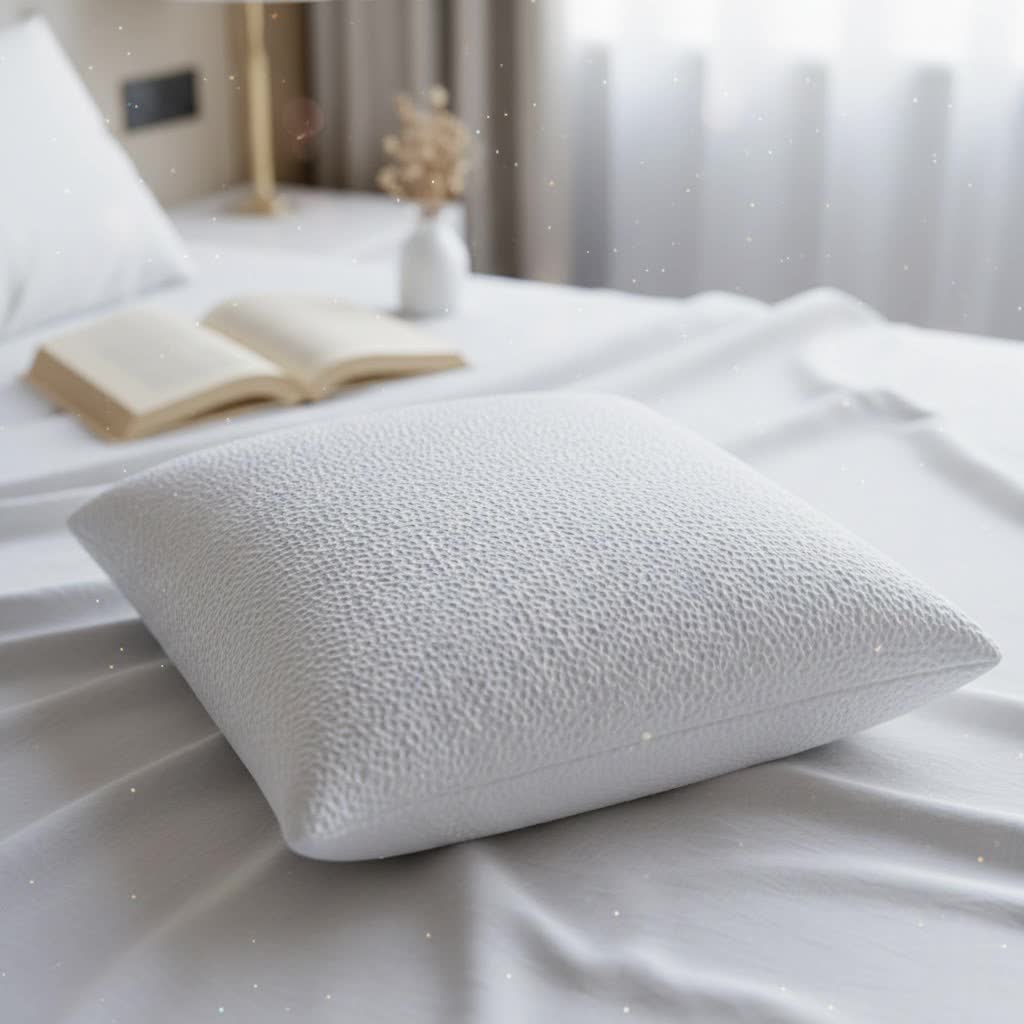
Are you tossing and turning, searching for that elusive perfect pillow that promises comfort and support night after night? For many, the answer lies in the unique embrace of a Solid Memory Foam Pillow. These innovative sleep aids have transformed bedrooms worldwide, offering a distinct blend of contouring comfort and unwavering support that traditional pillows often can’t match. If you’ve ever woken with neck stiffness or struggled to find a consistent sleeping posture, a solid memory foam pillow could be the key to unlocking truly restorative rest.
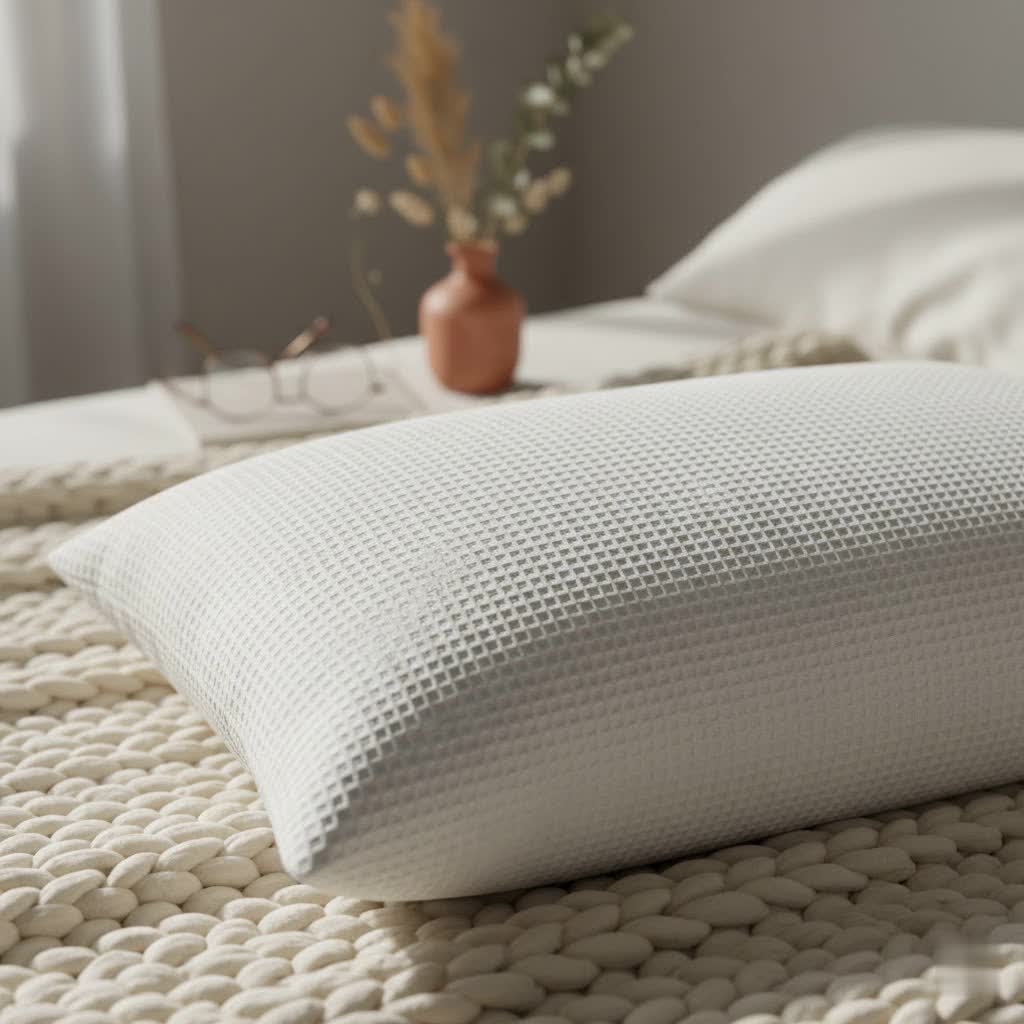
This comprehensive guide will delve deep into the world of solid memory foam pillows, exploring their fundamental benefits and potential drawbacks. We’ll compare them with other popular foam types, walk you through the essential factors to consider when making your selection, and provide actionable advice on how to care for your investment. Prepare to transform your nights and revolutionize your mornings by choosing the solid memory foam pillow perfectly tailored to your sleep needs.
The Core of Comfort: Understanding Solid Memory Foam Pillows
Solid memory foam pillows are crafted from a single, cohesive block of viscoelastic polyurethane foam, a material originally developed by NASA for aircraft seats. Unlike other pillow fillings, this dense material reacts uniquely to your body’s heat and pressure, softening and molding precisely to the contours of your head and neck. Once pressure is removed, it slowly reverts to its original shape, ready to provide consistent support the next night.
Key Benefits of Solid Memory Foam Pillows
The distinct properties of solid memory foam translate into several significant advantages for sleepers.
- Unrivaled Support and Spinal Alignment: A primary draw of solid memory foam pillows is their exceptional ability to maintain proper spinal alignment. By conforming directly to the curve of your neck and head, they keep your spine in a neutral position, which can dramatically reduce tension and alleviate chronic neck and upper back pain. This consistent support means less shifting and better posture throughout the night.
- Superior Pressure Point Relief: The viscoelastic nature of solid memory foam allows it to distribute your weight evenly across the pillow’s surface. This even weight distribution minimizes pressure on sensitive areas, particularly beneficial for side sleepers who often experience pressure on their shoulders and ears. The result is a sensation of being cradled, leading to deeper, more comfortable sleep.
- Exceptional Durability and Longevity: When investing in a high-quality solid memory foam pillow, you’re choosing an item built to last. These pillows are known for their resilience, retaining their shape and supportive properties far longer than traditional down or fiberfill options. Their dense structure resists flattening and clumping, ensuring consistent performance over years of use.
- Hypoallergenic Advantages: For individuals prone to allergies or asthma, solid memory foam pillows offer a welcome sanctuary. The dense, synthetic material naturally resists common allergens like dust mites, mold, and pet dander. This inherent hypoallergenic quality makes them a hygienic choice that contributes to a cleaner, healthier sleep environment.
|
Our Picks for the Best Foam Pillow in 2026
We may earn a commission when you use one of our links to make a purchase.
|
||
| Num | Product | Action |
|---|---|---|
| 1 | Cooling Gel Memory Foam Pillow - 1-Pack - Standard Size Bed Pillows For Sleeping - Medium-Firm - Back, Stomach and Side Sleeper Pillow - Shoulder & Back Pain Relief - Washable , Bamboo Viscose Cover |

|
| 2 | Cooling Pillows for Sleeping, Shredded Memory Foam Cooling Pillow for Hot Sleepers, Adjustable Cool Bed Pillows for Side Back Stomach Sleepers(Queen) |
|
| 3 | Ultra Pain Relief Cooling Pillow for Neck Support, Adjustable Cervical Pillow Cozy Sleeping, Odorless Ergonomic Contour Memory Foam Pillows, Orthopedic Bed Pillow for Side Back Stomach Sleeper |
|
| 4 | QUTOOL Enhanced Cooling Pillows Queen Size Set of 2,CertiPUR-US Shredded Memory Foam Pillows 2 Pack for Hot Sleeper, Adjustable Bed Pillow for Side, Back, Stomach Sleepers Support Yet Soft, Home Gifts |
|
| 5 | Ultra Pain Relief Cooling Pillow for Neck Support, Adjustable Cervical Pillow Cozy Sleeping, Odorless Ergonomic Contour Memory Foam Pillows, Orthopedic Bed Pillow for Side Back Stomach Sleeper |
|
| 6 | Ultra Pain Relief Cooling Pillow for Neck Support, Adjustable Cervical Pillow Cozy Sleeping, Odorless Ergonomic Contour Memory Foam Pillows, Orthopedic Bed Pillow for Side Back Stomach Sleeper |
|
| 7 | Memory Foam Pillows Neck Pillow Bed Pillow for Sleeping Ergonomic Cervical Pillow Orthopedic Contour Pillow for Side Back Stomach Sleeper |
|
| 8 | Memory Foam Pillows Neck Pillow Bed Pillow for Sleeping Ergonomic Cervical Contour Pillow for Side Back Stomach Sleeper for Neck and Shoulder Pain |
|
| 9 | QUTOOL Cooling Pillow for Sleeping 2 Pack, Luxury Shredded Memory Foam Bed Queen Pillows Set of 2, Cool Pillow for Hot Sleepers Adjustable Firm Pillow for Side, Back, Stomach Sleepers Soft Yet Support |
|
| 10 | Cube Pillow for Side Sleeper with Firm Layer, Cooling Memory Foam Pillows with Two Side Four Types of Softness for Neck and Shoulder Pain, King or Queen 24"x12"x5" |
|
Potential Downsides to Consider
While solid memory foam pillows offer numerous benefits, it’s also important to be aware of their potential drawbacks.
- Addressing Heat Retention: One of the most frequently cited concerns with traditional solid memory foam is its tendency to retain heat. The dense cell structure, while excellent for support, can trap body heat, making some sleepers feel uncomfortably warm. Modern innovations, such as open-cell technology, gel infusions, and breathable covers, are designed to mitigate this issue, promoting better airflow and a cooler sleep surface.
- Managing Initial Off-Gassing: Upon unboxing a new solid memory foam pillow, you might notice a distinct, temporary chemical odor, commonly referred to as “off-gassing.” This is due to volatile organic compounds (VOCs) released from the manufacturing process. While generally harmless, the scent can be noticeable for a few days. Airing the pillow out in a well-ventilated space for 24-72 hours typically resolves this.
- Navigating Initial Firmness and Weight: Compared to softer fills, solid memory foam pillows can feel quite firm at first. This initial firmness may require an adjustment period, especially if you’re accustomed to plush or easily compressible pillows. Their dense composition also makes them heavier than many other pillow types, which might be a factor for some users.
- Cleaning and Maintenance Considerations: Most solid memory foam blocks are not designed for machine washing. Instead, they typically require spot cleaning. However, the good news is that nearly all solid memory foam pillows come with removable, machine-washable covers, making routine hygiene straightforward and convenient.
Beyond the Block: Other Foam Pillow Types
While our focus is on solid memory foam, understanding its relatives can help contextualize its benefits and limitations.
Memory Foam Variations
The world of memory foam extends beyond the classic solid block, offering tailored experiences.
- Gel-Infused Memory Foam: The Cooling Solution: Designed to combat the heat retention issue of traditional memory foam, gel-infused variations incorporate cooling gel beads, swirls, or layers within the foam. These additions work to dissipate heat and regulate temperature, providing a cooler sleep surface without sacrificing the signature contouring support. They are an excellent choice for “hot sleepers” who still desire memory foam’s benefits.
- Shredded Memory Foam: Customization and Airflow: In contrast to a solid block, shredded memory foam pillows are filled with small, independent pieces of foam. This allows for greater adjustability, as you can add or remove fill to customize the loft and firmness to your exact preference. The gaps between the shredded pieces also promote better airflow, making them inherently more breathable than solid foam. While offering flexibility, some users might find they need more frequent fluffing to maintain shape.
Other Popular Foam Materials
Foam isn’t exclusive to memory foam; other materials offer distinct characteristics.
- Natural Latex Foam: Responsive and Durable: Derived from the sap of rubber trees, natural latex foam is known for its buoyant responsiveness, offering a bouncier feel than memory foam. It provides excellent support and pressure relief, often with better airflow, making it a good choice for those who sleep hot. Latex is highly durable and naturally hypoallergenic, but typically comes with a higher price tag.
- Polyurethane Foam: The Foundation: Memory foam itself is a specialized type of polyurethane foam, a common polymer. Generic polyurethane foam pillows are generally less dense, less expensive, and lack the viscoelastic, contouring properties of memory foam. They offer basic cushioning but not the precise support and pressure relief that memory foam provides.
Making the Right Choice: Factors for Your Solid Memory Foam Pillow
Selecting the ideal solid memory foam pillow involves considering several personal factors to ensure optimal comfort and support.
Your Sleep Position Matters Most
Your preferred sleeping position is the most critical determinant for pillow selection.
- Solid Memory Foam for Side Sleepers: Side sleepers typically require a higher loft and firmer pillow to adequately fill the gap between their shoulder and neck, maintaining proper spinal alignment. A solid memory foam pillow with a contoured or high-profile design can provide this crucial support, preventing the head from dropping too low.
- Solid Memory Foam for Back Sleepers: Back sleepers benefit from a medium loft and medium-firmness that supports the natural curve of the neck without pushing the head too far forward. A solid memory foam pillow with cervical support can cradle the neck gently while keeping the head level with the spine.
- Considerations for Stomach Sleepers: For stomach sleepers, a solid memory foam pillow needs to be quite thin and soft to prevent neck strain. Ideally, a very low loft (2-3 inches) or even a flatter, softer option is recommended to keep the spine as neutral as possible. Some stomach sleepers might find shredded adjustable options more suitable for achieving this very low profile.
Loft and Firmness: Finding Your Sweet Spot
Loft refers to the pillow’s height, and firmness describes its density and resistance to compression. These two factors work in tandem with your sleeping position and body type to maintain spinal alignment. A pillow that’s too high or too low, or too soft or too firm, can lead to discomfort and pain. Solid memory foam typically offers a consistent firmness throughout, so choosing the right initial loft and density is crucial.
Pillow Shape and Design: Traditional vs. Contoured
Solid memory foam pillows come in various shapes.
- Traditional: A rectangular block, familiar to most.
- Contoured/Cervical: Features a sculpted design with a dip for the head and a raised ridge for the neck. These are particularly effective for individuals seeking targeted neck support and pain relief, guiding the head and neck into an optimal ergonomic position.
Breathability and Cooling Technologies
If heat retention is a concern, look for solid memory foam pillows featuring cooling technologies. These include:
- Open-cell foam: A less dense foam structure with larger cells that allow for more airflow.
- Gel infusions: As mentioned, these beads or layers actively draw heat away from the body.
- Ventilation channels: Perforations within the foam block enhance air circulation.
Pillow Cover Materials: Comfort and Hygiene
The pillow cover plays a significant role in both comfort and hygiene. Opt for covers made from breathable, moisture-wicking fabrics such as:
- Bamboo: Known for its softness, breathability, and natural temperature-regulating properties.
- Cotton: A classic choice, breathable and easy to clean.
- Tencel/Lyocell: Silky smooth, excellent at moisture management, and environmentally friendly.
Ensure the cover is removable and machine washable for effortless cleaning.
Safety and Certifications
Prioritizing your health means looking for pillows with recognized safety certifications:
- CertiPUR-US: This certification ensures that the foam in your pillow is made without harmful chemicals like ozone depleters, mercury, lead, and formaldehyde. It also certifies low VOC (Volatile Organic Compound) emissions for indoor air quality.
- OEKO-TEX Standard 100: This global standard ensures that textile products are tested for harmful substances at all stages of production.
Warranty and Trial Periods
A good warranty (typically 3-5 years) indicates a manufacturer’s confidence in their product’s durability. Many brands also offer generous sleep trial periods (e.g., 30, 60, or even 100 nights), allowing you to test the pillow in your own sleep environment. This is invaluable, as a pillow’s true comfort can only be assessed after several nights of use.
Top Picks & Trusted Brands for Solid Memory Foam Pillows
When seeking a top-tier solid memory foam pillow, several brands consistently stand out for their quality and innovation. Here’s a comparative glance at some notable options:
| Brand | Key Features | Best For | Price Range (Approx.) |
|---|---|---|---|
| Tempur-Pedic | Proprietary TEMPUR-Material, extra-firm, contoured | Side/back sleepers, neck pain relief | High ($100-$200+) |
| Tuft & Needle | Adaptive foam, balanced firm/soft, responsive | All sleeping positions, back sleepers | Mid-range ($80-$120) |
| Casper | Three layers of foam for zoned support, breathable | Back/side sleepers | Mid-range ($80-$150) |
| Purple | Hyper-Elastic Polymer grid (often hybrid with foam) | Pressure relief, cooling | High ($150-$200+) |
| Zinus | Green Tea Memory Foam, cooling gel, affordable | Budget-conscious sleepers, general | Low ($30-$60) |
Note: Prices are approximate and can vary based on size and specific model.
Purchasing and Maintaining Your Investment
A solid memory foam pillow is an investment in your sleep and well-being. Proper purchasing and care can ensure it serves you well for years.
A Step-by-Step Buying Guide
- Identify Your Needs: Start by assessing your primary sleeping position, any existing neck or back pain, and whether you tend to sleep hot. This will narrow down your options significantly.
- Research Types and Features: Based on your needs, explore solid memory foam pillows with appropriate loft, firmness, shape, and cooling technologies.
- Check Certifications: Always look for CertiPUR-US and OEKO-TEX certifications to ensure a safe and healthy product.
- Read Reviews: Consult expert reviews and customer feedback, paying attention to comments on firmness, heat retention, and durability.
- Consider Trial Periods and Warranties: Purchase from reputable retailers or brands offering generous sleep trials and comprehensive warranties. This minimizes risk and ensures satisfaction.
- Budget Accordingly: While a good solid memory foam pillow is an investment, options exist across various price points. Prioritize quality and features that align with your health needs.
Caring for Your Solid Memory Foam Pillow: Longevity Tips
To maximize the lifespan and performance of your solid memory foam pillow, follow these care instructions:
- Protect with a Cover: Always use a removable, washable pillowcase and, ideally, a pillow protector beneath it. This shields the foam from dust, sweat, oils, and spills.
- Machine Wash the Cover Regularly: Most pillow covers can be machine washed according to the manufacturer’s instructions. This is essential for hygiene.
- Spot Clean the Foam: If the foam itself gets dirty, spot clean it gently with a mild detergent and water. Blot the area carefully, avoiding saturating the foam.
- Air Out Periodically: To combat any lingering off-gassing or to simply refresh the pillow, air it out in a well-ventilated room, away from direct sunlight, every few months.
- Avoid Harsh Chemicals: Do not use strong cleaning agents, bleach, or put the foam in a washing machine or dryer, as this can damage its structure.
- Replace When Needed: Even the most durable solid memory foam pillow will eventually lose its supportive qualities, typically after 2-3 years. If you notice sagging, reduced support, or persistent odors, it’s time for a replacement.
Conclusion
Choosing the right solid memory foam pillow can truly transform your sleep experience, offering a uniquely supportive and comfortable embrace night after night. By conforming perfectly to your body, these pillows provide unparalleled pressure relief, superior spinal alignment, and lasting durability, making them a wise investment in your overall well-being. While considerations like heat retention and initial firmness exist, modern advancements and careful selection can easily mitigate these concerns.
Armed with knowledge about different foam types, crucial selection factors, and essential care tips, you are now well-equipped to find the solid memory foam pillow that cradles you into deeper, more restorative sleep. So, are you ready to wake up feeling refreshed, revitalized, and free from the aches and pains of an unsupportive pillow?
Frequently Asked Questions
Is a solid memory foam pillow better than shredded?
Neither is inherently “better”; it depends on individual preference. Solid memory foam offers more consistent, uniform support and a precise cradling effect, often being firmer. Shredded memory foam, conversely, is typically more adjustable, allowing you to customize loft and firmness by adding or removing fill, and offers better airflow.
How long do solid memory foam pillows last?
A high-quality solid memory foam pillow can typically last between 2 to 3 years. With proper care and maintenance, some may even last longer. However, regular use will eventually lead to a decrease in its supportive properties, indicating it’s time for a replacement.
Can a solid memory foam pillow help with neck pain?
Yes, solid memory foam pillows are highly effective for neck pain relief. Their ability to conform precisely to the head and neck helps maintain proper spinal alignment, reducing stress on cervical muscles and alleviating pressure points, which are common causes of neck pain.
Why does my new memory foam pillow smell?
The initial odor from a new memory foam pillow is known as “off-gassing.” This is a harmless and temporary scent released from volatile organic compounds (VOCs) used in the manufacturing process. It typically dissipates within a few days when the pillow is aired out in a well-ventilated space.
How do I clean a solid memory foam pillow?
Solid memory foam blocks are generally not machine washable. It’s recommended to spot clean any soiled areas with a mild detergent and water, then allow the pillow to air dry completely. Most solid memory foam pillows come with a removable, machine-washable cover for routine hygiene.
Are solid memory foam pillows hot to sleep on?
Traditional solid memory foam can retain heat due to its dense structure. However, many modern solid memory foam pillows incorporate cooling technologies such as gel infusions, open-cell designs, or ventilation channels to enhance airflow and dissipate heat, providing a cooler sleep experience.