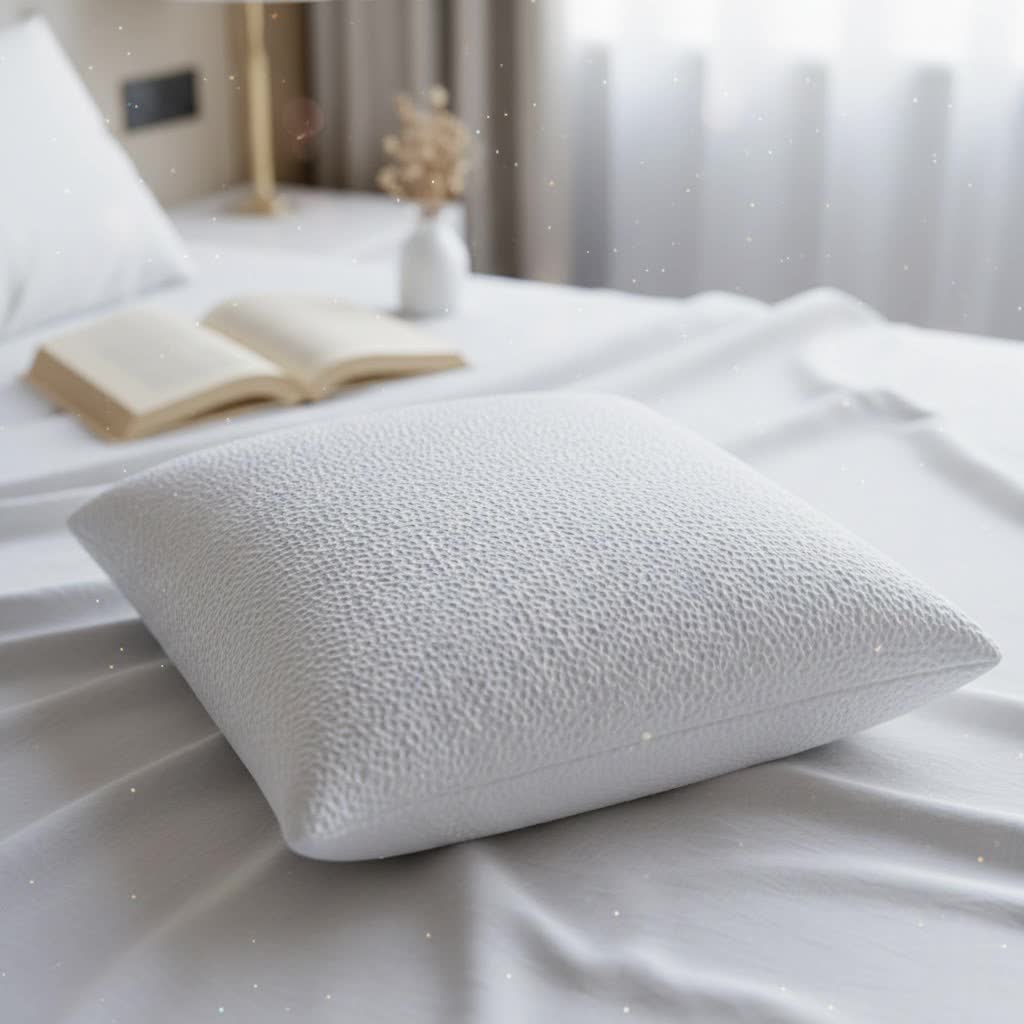
Are you tired of waking up with a stiff neck, persistent shoulder pain, or a feeling of unrest? Your pillow, the unassuming hero of your sleep sanctuary, might be the culprit. A Memory Foam Neck Pillow could be the upgrade your sleep routine desperately needs, offering targeted support and luxurious comfort. This comprehensive guide will delve into everything you need to know about memory foam neck pillows, helping you navigate the options to find the perfect one for truly restorative sleep.
Understanding Memory Foam: The Science Behind Your Sleep
Memory foam, scientifically known as viscoelastic polyurethane foam, was originally developed by NASA in the 1960s. Its unique properties allow it to respond to body heat and pressure, softening and molding precisely to your contours. This “slow rebound” characteristic means it gradually conforms to the shape of your head and neck, then slowly returns to its original form when pressure is removed. This adaptive quality is what makes memory foam so effective at providing personalized support. You’ll typically find memory foam in solid blocks, often with ergonomic contours, or as shredded fill, which offers more adjustability and airflow. Some modern variations also include gel infusions or ventilation channels to address temperature regulation.
Why Choose a Memory Foam Neck Pillow? Benefits and Advantages
Memory foam neck pillows have garnered immense popularity for a multitude of reasons, primarily centered around their ability to enhance sleep quality and alleviate discomfort.
- Superior Support and Spinal Alignment: The primary benefit of a memory foam neck pillow is its ability to cradle your head and neck, maintaining the natural curve of your cervical spine. This neutral alignment is crucial for reducing strain on muscles and ligaments, promoting better posture even while you sleep.
- Pressure Point Relief: Unlike traditional pillows that can create pressure points, memory foam distributes weight evenly across the surface. This unique contouring minimizes pressure on sensitive areas like the shoulders and the base of the skull, which can significantly reduce aches and pains, making it ideal for those dealing with chronic neck pain.
- Durability and Longevity: High-density memory foam is exceptionally durable and resilient. It resists flattening and losing its shape over time, meaning your investment will continue to provide consistent support night after night, often outlasting conventional pillows.
- Hypoallergenic and Hygienic: Many memory foam pillows are inherently resistant to common allergens such as dust mites, mold, and mildew. This makes them an excellent choice for individuals prone to allergies or respiratory sensitivities, contributing to a cleaner, healthier sleep environment.
- Motion Isolation: The dense nature of memory foam helps absorb motion, which can be particularly beneficial if you share a bed. Your movements are less likely to disturb your partner, contributing to an undisturbed night for both.
The Other Side of the Coin: Potential Drawbacks
While memory foam neck pillows offer numerous advantages, it’s also important to be aware of their potential downsides to make an informed decision.
- Heat Retention: Traditional memory foam can sometimes trap body heat, leading to a warmer sleep surface. This is a common concern for hot sleepers. However, advancements like gel infusions, open-cell foam structures, and breathable covers are designed to mitigate this issue.
- Initial Off-Gassing Odor: Upon unboxing, some memory foam pillows may emit a distinct, harmless “new foam” smell, often referred to as off-gassing. This odor typically dissipates within a few days to a week when the pillow is aired out in a well-ventilated space.
- Firmness Variation: Memory foam pillows can vary in firmness. For some users, especially those new to memory foam, the initial feel might seem too firm. It often takes a few nights for the pillow to adapt to your body and for you to adjust to its unique support.
- Higher Price Point: Generally, memory foam neck pillows tend to be more expensive than standard fiberfill or down pillows, reflecting the specialized material and manufacturing processes. However, their durability often translates to a better long-term value.
- Weight: Memory foam is denser than many other pillow materials, which can make memory foam pillows feel heavier. While this contributes to their stability and support, it’s a factor to consider, particularly for travel pillows.
Choosing Your Ideal Memory Foam Neck Pillow: A Comprehensive Guide
Selecting the perfect memory foam neck pillow involves considering several personal factors to ensure optimal comfort and support.
Match Your Sleeping Position
Your preferred sleeping position is one of the most critical determinants when choosing a pillow.
- Side Sleepers: Typically require a higher loft and firmer pillow to adequately fill the space between their head and shoulder, keeping the spine aligned. A contoured pillow can be particularly effective.
- Back Sleepers: Benefit from a medium loft and medium-firm pillow that supports the natural curvature of the neck without pushing the head too far forward.
- Stomach Sleepers: Need a very low loft or soft, thin pillow to prevent their neck from arching uncomfortably upward, which can cause strain. Some stomach sleepers may even prefer no pillow or a very flat one.
- Combination Sleepers: May find adjustable shredded memory foam pillows or those with versatile ergonomic designs most suitable, as they can adapt to different positions throughout the night.
- Travelers/Forward Sleepers: When sitting upright, such as on a plane or in a car, a U-shaped or specialized travel memory foam pillow offers crucial chin and side support, preventing the head from drooping.
|
Our Picks for the Best Foam Pillow in 2026
We may earn a commission when you use one of our links to make a purchase.
|
||
| Num | Product | Action |
|---|---|---|
| 1 | Cooling Gel Memory Foam Pillow - 1-Pack - Standard Size Bed Pillows For Sleeping - Medium-Firm - Back, Stomach and Side Sleeper Pillow - Shoulder & Back Pain Relief - Washable , Bamboo Viscose Cover |

|
| 2 | Cooling Pillows for Sleeping, Shredded Memory Foam Cooling Pillow for Hot Sleepers, Adjustable Cool Bed Pillows for Side Back Stomach Sleepers(Queen) |
|
| 3 | Memory Foam Pillows Neck Pillow Bed Pillow for Sleeping Ergonomic Cervical Pillow Orthopedic Contour Pillow for Side Back Stomach Sleeper |
|
| 4 | Cube Pillow for Side Sleeper with Firm Layer, Cooling Memory Foam Pillows with Two Side Four Types of Softness for Neck and Shoulder Pain, King or Queen 24"x12"x5" |
|
| 5 | QUTOOL Cooling Pillow for Sleeping 2 Pack, Luxury Shredded Memory Foam Bed Queen Pillows Set of 2, Cool Pillow for Hot Sleepers Adjustable Firm Pillow for Side, Back, Stomach Sleepers Soft Yet Support |
|
| 6 | Ultra Pain Relief Cooling Pillow for Neck Support, Adjustable Cervical Pillow Cozy Sleeping, Odorless Ergonomic Contour Memory Foam Pillows, Orthopedic Bed Pillow for Side Back Stomach Sleeper |
|
| 7 | Memory Foam Pillows Neck Pillow Bed Pillow for Sleeping Ergonomic Cervical Contour Pillow for Side Back Stomach Sleeper for Neck and Shoulder Pain |
|
| 8 | Ultra Pain Relief Cooling Pillow for Neck Support, Adjustable Cervical Pillow Cozy Sleeping, Odorless Ergonomic Contour Memory Foam Pillows, Orthopedic Bed Pillow for Side Back Stomach Sleeper |
|
| 9 | QUTOOL Enhanced Cooling Pillows Queen Size Set of 2,CertiPUR-US Shredded Memory Foam Pillows 2 Pack for Hot Sleeper, Adjustable Bed Pillow for Side, Back, Stomach Sleepers Support Yet Soft, Home Gifts |
|
| 10 | Ultra Pain Relief Cooling Pillow for Neck Support, Adjustable Cervical Pillow Cozy Sleeping, Odorless Ergonomic Contour Memory Foam Pillows, Orthopedic Bed Pillow for Side Back Stomach Sleeper |
|
Loft and Firmness: Finding Your Sweet Spot
Loft, or the height of the pillow, is crucial for maintaining spinal alignment. It should correspond to your sleeping position, body size, and mattress firmness. Individuals with broader shoulders often need a higher loft, while those with a smaller frame may prefer a lower one.
Firmness refers to how much your head sinks into the pillow. A good memory foam pillow strikes a balance, providing contouring support without feeling too hard or allowing your head to sink too deeply, which can misalign the spine. Adjustable shredded foam pillows offer the advantage of customizing both loft and firmness by adding or removing fill.
Pillow Shape and Design
Beyond traditional rectangular shapes, memory foam neck pillows come in various specialized designs.
- Contour/Cervical Pillows: These are ergonomically shaped with a raised ridge for neck support and a depressed center to cradle the head. They are excellent for promoting proper spinal alignment, especially for back and side sleepers.
- Shredded Memory Foam: Pillows filled with shredded memory foam offer a more traditional, moldable feel while retaining the support benefits. The ability to adjust the fill volume allows for personalized loft and firmness.
- Gel-Infused & Cooling Technologies: To combat heat retention, many memory foam pillows incorporate cooling features such as gel layers, phase-change materials in the cover, or ventilated designs with small perforations that allow for increased airflow.
Size Matters: Standard, Queen, King, Travel
While the support for your neck is paramount, the overall size of the pillow matters for comfort and fitting your bed. Standard, Queen, and King sizes accommodate different bed dimensions and personal preferences for pillow real estate. For on-the-go comfort, compact travel-sized memory foam neck pillows are specifically designed for portability and support in seated positions.
Cover Material and Certifications
The pillow’s cover plays a role in comfort and hygiene. Look for covers made from breathable, soft, and easily removable materials such as rayon, Tencel, or specialized cooling fabrics. Most quality memory foam pillows feature machine-washable covers for convenient cleaning.
Certifications provide assurance of product safety and quality. CertiPUR-US certification ensures the foam is made without harmful chemicals, heavy metals, formaldehyde, or phthalates, and has low volatile organic compound (VOC) emissions. OEKO-TEX Standard 100 certification guarantees that the textile components of the pillow (including the cover) are free from harmful substances.
Top Brands and Innovations in Memory Foam Neck Pillows
The market for memory foam neck pillows is constantly evolving with innovations aimed at enhancing the sleep experience. Many leading brands now offer adjustable loft options, allowing users to customize the pillow’s height and firmness by adding or removing foam fill. Advanced cooling technologies, such as copper infusions, phase-change materials, and specialized ventilation channels, are integrated to dissipate heat and regulate temperature effectively. Furthermore, ergonomic designs continue to improve, with specialized contouring to target specific pain points and provide optimal support for various sleeping positions, moving beyond a one-size-fits-all approach to highly personalized sleep solutions.
Care and Maintenance for Longevity
Proper care extends the life and performance of your memory foam neck pillow.
- Cleaning: Most memory foam pillows are not designed to be machine washed as the foam can break down. Instead, focus on cleaning the cover. Many come with removable, machine-washable covers. For the foam core, spot cleaning with a mild detergent and water is usually recommended.
- Drying: After cleaning, ensure the foam core is thoroughly air-dried in a well-ventilated area, away from direct sunlight or high heat, which can damage the foam’s structure.
- Storage: When not in use, especially for travel pillows, proper storage helps maintain their shape. For full-sized pillows, using a pillow protector can shield against spills and wear.
- Odor Management: If your new pillow has an initial off-gassing smell, simply allow it to air out for a few days in a well-ventilated room before use.
Conclusion
Choosing the right memory foam neck pillow is a pivotal step towards achieving superior sleep quality and alleviating neck pain. By understanding the unique benefits of memory foam, recognizing potential drawbacks, and carefully considering factors like your sleeping position, preferred loft, and specific design features, you can make an informed decision. With innovations in cooling and adjustability, there’s a memory foam neck pillow perfectly tailored to your needs, ready to transform your nights into deeply restorative experiences. Are you ready to invest in a pillow that truly supports your well-being?
Frequently Asked Questions
What is the ideal firmness for a memory foam neck pillow?
The ideal firmness for a memory foam neck pillow depends on your sleeping position and personal preference. Side sleepers generally need a firmer pillow to support the gap between the head and shoulder, while back sleepers often prefer medium firmness. Stomach sleepers require a very soft, low-loft pillow to avoid strain.
Can a memory foam neck pillow help with chronic neck pain?
Yes, a properly selected memory foam neck pillow can significantly help with chronic neck pain. Its ability to contour to the neck’s natural curve and provide consistent support helps maintain spinal alignment and relieve pressure points, reducing muscle strain and discomfort.
How often should I replace my memory foam neck pillow?
While durable, memory foam neck pillows typically last between 2 to 3 years. Signs it’s time for a replacement include visible sagging, loss of support and responsiveness, a persistent unpleasant odor, or if you start waking up with increased neck pain or stiffness.
Are memory foam neck pillows suitable for all sleeping positions?
Memory foam neck pillows are versatile but require careful selection based on sleeping position. Specific designs, lofts, and firmness levels are available for side, back, and even stomach sleepers, as well as specialized contoured pillows for targeted cervical support.
How do I clean a memory foam neck pillow?
Most memory foam pillows cannot be machine washed. The removable outer cover is usually machine washable. For the foam core, spot clean with a mild detergent and water, then air dry thoroughly in a well-ventilated area, avoiding direct sunlight or heat, which can damage the foam.