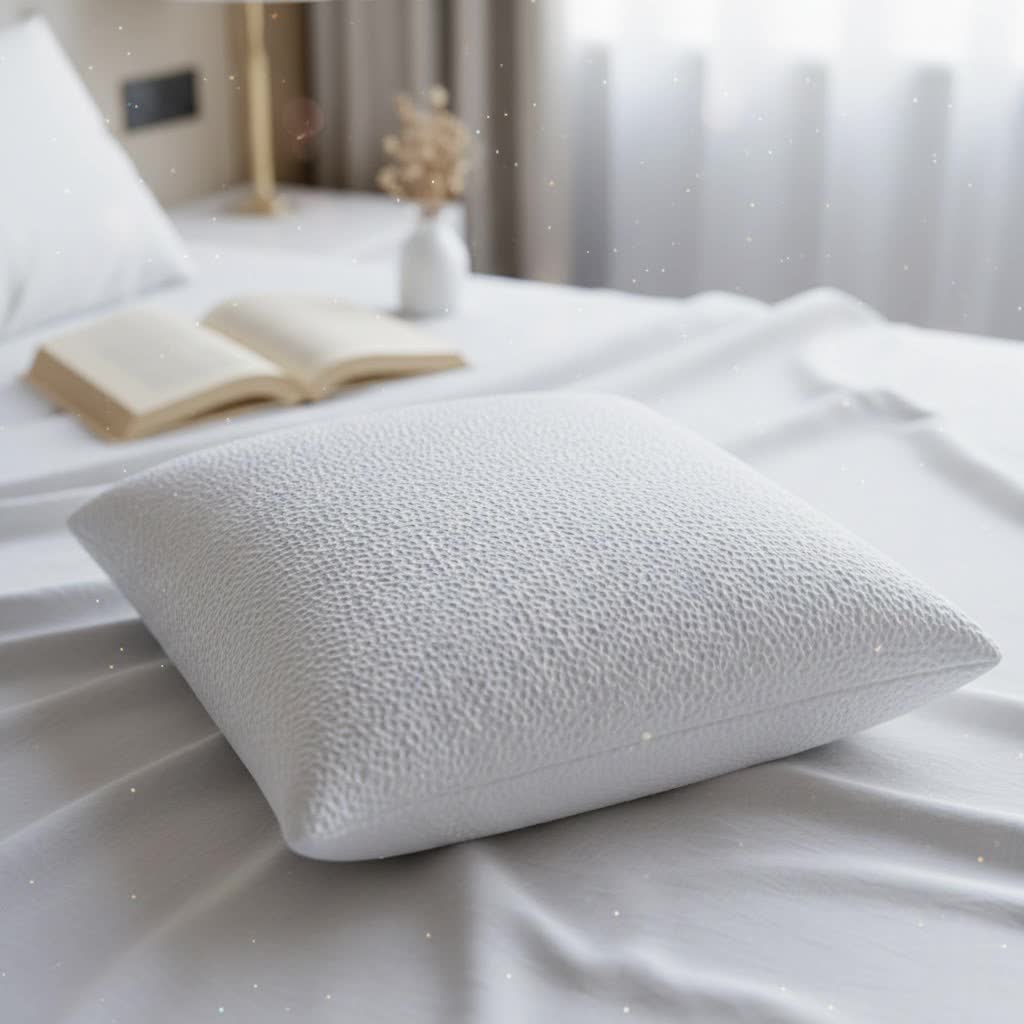
You invested in a memory foam pillow, dreaming of blissful, pain-free sleep, only to wake with a stiff, aching neck. It’s a frustrating experience that many encounter, turning the promise of contoured comfort into a source of discomfort. While memory foam is renowned for its pressure-relieving qualities and ability to conform to your unique shape, it’s not always a one-size-fits-all solution, and the wrong choice can indeed make your memory foam pillow hurt your neck. This comprehensive guide will explore the underlying reasons why your memory foam pillow might be causing neck pain, delineate the different types of foam, and provide actionable strategies to select and maintain the ideal pillow for truly restorative and comfortable sleep.
Understanding Why Memory Foam Pillows Can Cause Neck Pain
Bảng trống.Many factors contribute to a memory foam pillow causing neck pain, often stemming from a mismatch between the pillow’s characteristics and your individual sleep needs.
A primary culprit is improper loft and firmness. If your memory foam pillow is too high, it can push your head upward, creating an unnatural angle that strains your cervical spine. Conversely, a pillow that is too low allows your head to drop too far, lacking the necessary support to maintain spinal alignment. Similarly, a pillow that is too firm might not conform adequately, while one that is too soft could allow your head to sink excessively, disrupting the delicate alignment of your head, neck, and shoulders. The ideal pillow should fill the gap between your head and mattress, supporting the natural curve of your neck without forcing it into an uncomfortable position.
Another significant issue can be the sinking and loss of support over the course of the night. While memory foam initially adapts to your head and neck, its viscoelastic nature means it can gradually sink as you sleep. This progressive compression can lead to a decrease in supportive loft, causing your head to droop and the cervical spine to lose its proper alignment. This effect is particularly problematic for those who change positions frequently, as the foam may not regain its shape quickly enough to provide consistent support with each movement.
Heat retention is also a common concern with traditional memory foam pillows. The dense structure of memory foam can trap body heat, leading to an uncomfortable rise in temperature around your head and neck. Overheating can cause restlessness and excessive sweating, further disrupting sleep quality and potentially exacerbating muscle tension in the neck as you subconsciously try to find a cooler position.
Furthermore, the firmness or softness of your mattress plays a role in how your pillow performs. If you have a soft mattress or a pillow-top, your shoulder will sink more into the bed, requiring a thinner pillow to fill the smaller gap between your head and shoulder. Conversely, a firm mattress might necessitate a thicker pillow to bridge a larger gap and maintain proper spinal alignment.
Common Types of Foam Pillows and Their Suitability
Understanding the different types of foam used in pillows is crucial for making an informed decision, especially when addressing neck pain. Each material offers a unique feel and set of benefits.
Memory Foam itself comes in various forms:
- Solid Memory Foam: Known for its deep contouring and excellent pressure relief, solid memory foam molds precisely to the head and neck. However, its dense structure can lead to heat retention and a slower response time. It’s often beneficial for those who sleep relatively still and require specific, consistent support, with contoured designs being particularly popular for back sleepers.
- Shredded Memory Foam: This type consists of small pieces of memory foam, often blended with other fibers. The key advantage here is adjustability. Users can add or remove fill to customize the pillow’s loft and firmness, making it highly adaptable for various sleeping positions and preferences. The shredded nature also improves airflow, reducing some of the heat-trapping issues of solid foam.
- Gel-Infused Memory Foam: To combat the heat retention problem, many memory foam pillows are now infused with cooling gel particles or layers. These additions help dissipate heat more effectively, offering a cooler sleep surface while retaining the pressure-relieving qualities of memory foam. They are a good option for hot sleepers who still desire the cradling feel of memory foam.
Latex Foam offers a different experience from memory foam:
- Latex Foam: Derived from rubber trees, latex foam is known for its responsive, bouncy feel, excellent durability, and natural breathability. Unlike memory foam, it doesn’t offer the same deep contouring or “sinking” sensation but provides a more consistent, resilient support. Latex is also naturally hypoallergenic and resistant to dust mites. It comes in two main types: Talalay (softer, more aerated) and Dunlop (denser, firmer). Latex pillows are ideal for those who prefer a firmer, more supportive pillow that maintains its shape throughout the night and sleeps cooler.
While less commonly highlighted for specific neck pain relief solutions, Polyurethane Foam is another foam type:
- Polyurethane Foam: This is a synthetic foam that is generally more cost-effective and lighter than memory or latex foam. It offers basic cushioning but typically lacks the contouring properties of memory foam or the resilience and durability of latex. While some everyday pillows use polyurethane foam, it’s usually not the primary recommendation for addressing persistent neck pain due to its less specialized support characteristics.
Choosing the Perfect Foam Pillow for Neck Pain Relief
Finding the right foam pillow can significantly alleviate neck pain and enhance your sleep quality. It’s a personalized journey that requires considering several critical factors.
The most important consideration is matching the pillow to your sleeping position:
- Side Sleepers: You typically need a higher loft and firmer pillow to adequately fill the gap between your head and shoulder. This ensures your head and neck are aligned with your spine, preventing downward tilting and strain. A pillow that is too soft will allow your head to sink too far, undoing proper alignment.
- Back Sleepers: A medium loft pillow is usually ideal, often with a contoured design that supports the natural curve of your cervical spine without pushing your head too far forward. The pillow should cradle your neck while keeping your head relatively level with your spine.
- Stomach Sleepers: This position is generally not recommended for spinal health, but if you must sleep on your stomach, a very low loft or even a flat pillow is best to minimize neck strain. Some experts suggest using no pillow at all in this position.
Loft (height) and firmness are intertwined and crucial for spinal alignment. An adjustable pillow, especially one with shredded memory foam or multiple inserts, allows you to customize both the loft and firmness to your exact preference, adapting to changes in your body or even your mattress. As chiropractor Dr. Andrew Bang notes, “The pillow will need to fill a larger gap between your head and your mattress” if your mattress is firm, and “a smaller space” if your mattress is soft.
Pillow shape also plays a role:
- Traditional Pillows: These offer a classic feel but must be chosen carefully for appropriate loft and firmness.
- Contour Pillows (Cervical Pillows): Designed with an ergonomic shape to support the natural curve of the neck, often featuring a higher ridge for neck support and a lower dip for the head. These are excellent for back and some side sleepers.
- Butterfly Pillows: These often have specific cut-outs or designs to relieve shoulder pressure and provide targeted neck support, particularly for side sleepers.
Always look for pillow materials and certifications that guarantee quality and safety. CertiPUR-US® certification ensures that the foam is made without harmful chemicals and heavy metals, while OEKO-TEX® certifications apply to textiles and ensure they are free from dangerous substances. Breathable covers made from materials like cotton or bamboo can also enhance comfort by improving airflow and wicking away moisture.
Finally, consider how your mattress impacts your pillow needs. A softer mattress allows your body to sink more, which might mean you need a thinner pillow. A firmer mattress, conversely, may require a pillow with more loft to fill the increased space between your head and the mattress.
Comparison Table: Foam Pillow Types for Neck Pain
| Feature | Memory Foam (Solid) | Memory Foam (Shredded) | Gel-Infused Memory Foam | Latex Foam (Natural) |
|---|---|---|---|---|
| Support | Deep, personalized contouring | Customizable, adaptable to various positions | Deep contouring with enhanced cooling | Responsive, consistent, resilient |
| Pressure Relief | Excellent, ideal for specific pressure points | Good, depends on fill amount and blend | Excellent, with added thermal regulation | Good, even support distribution |
| Breathability | Low, tends to trap heat | Better, increased airflow between foam pieces | Improved significantly due to gel or open-cell design | High, naturally airy and breathable |
| Durability | Good, retains shape over time | Varies by quality of foam and outer casing | Good, similar to solid memory foam with added benefits | Excellent, highly durable and long-lasting |
| Adjustability | Low, fixed shape and firmness | High, fill can be added or removed | Low, fixed shape and firmness | Low, fixed shape and firmness |
| Feel | Sinking, cradling, slow response | Moldable, plush, can be fluffed | Sinking, cradling, but with a cooler surface | Bouncy, resilient, quick response |
| Best For | Back sleepers, those needing precise contouring | All sleepers, especially those seeking customization | Hot sleepers who need pressure relief | Those preferring firmer, consistent support, allergy sufferers |
Expert Tips for Using and Maintaining Your Foam Pillow
Even with the perfect pillow, proper usage and maintenance are key to ensuring it continues to support you and prevent neck pain.
Firstly, ensure proper positioning every night. Your head and neck should always be aligned with your spine, whether you’re a side or back sleeper. Avoid positions that twist or crane your neck. For side sleepers, the pillow should fill the gap from your ear to your shoulder. For back sleepers, it should support the natural curve of your neck without pushing your head too far forward.
Consistency in use allows your body, especially your neck muscles and spine, to adapt to the new support. It might take a few nights, or even a couple of weeks, to fully adjust to a new pillow, particularly if your old one was inadequate.
Cleaning and care are vital for extending the lifespan of your foam pillow and maintaining hygiene. Always use a breathable, removable pillowcase that can be washed regularly. For solid memory foam, direct washing is often not recommended, as it can damage the foam’s structure; instead, spot clean with a mild detergent and air dry thoroughly. Shredded memory foam pillows with washable covers are often easier to maintain. Airing out your pillow periodically can also help keep it fresh and reduce any trapped odors.
Knowing when to replace your pillow is also crucial. Over time, all pillows lose their support and cushioning. If your memory foam pillow starts to feel lumpy, flat, or no longer provides the support it once did, it’s time for a replacement. A good rule of thumb for memory foam pillows is to replace them every 18-36 months, depending on quality and usage, or when you notice a resurgence of neck pain.
“The right pillow is an investment in your health. It should work synergistically with your body to maintain neutral spinal alignment, not against it.” – Dr. Alistair Finch, Spinal Health Specialist
Conclusion
Waking up with a stiff neck from a memory foam pillow can transform the promise of restful sleep into a daily struggle. However, understanding the causes of this discomfort—from improper loft and firmness to heat retention and mattress compatibility—empowers you to make informed choices. By carefully selecting a pillow that matches your unique sleeping position, body type, and preferences, you can harness the unparalleled support and pressure relief that foam pillows offer. Whether you opt for the customizable comfort of shredded memory foam, the consistent resilience of latex, or the cooling embrace of gel-infused varieties, the journey to pain-free sleep is within reach. Prioritize proper alignment, consider the nuances of each foam type, and commit to maintaining your pillow, and you’ll unlock the secret to waking up refreshed, rejuvenated, and free from neck pain.
What changes will you make tonight to embrace pain-free sleep and transform your memory foam pillow from a foe into a friend?
Frequently Asked Questions
Why does my memory foam pillow feel too hard?
A memory foam pillow might feel too hard if its density or firmness level is not suited to your preference or sleeping position. Memory foam can also become firmer in cooler room temperatures. Allowing it to warm up to your body temperature or choosing a lower density foam can help.
How often should I replace my memory foam pillow?
Typically, memory foam pillows should be replaced every 18 to 36 months. Signs it’s time for a new pillow include persistent neck pain, noticeable sagging or flattening, lumps, or a loss of its ability to rebound and provide adequate support.
Can a memory foam pillow help with headaches?
Yes, a properly chosen memory foam pillow can help alleviate certain types of headaches, particularly those caused by poor neck alignment or tension. By supporting the cervical spine in a neutral position, it can reduce muscle strain that often contributes to tension headaches.
Is shredded memory foam better than solid memory foam for neck pain?
Shredded memory foam often offers more adjustability than solid memory foam, allowing you to customize the loft and firmness by adding or removing fill. This adjustability can be highly beneficial for individuals with neck pain, as it allows for precise support tailored to their unique needs and sleeping position, making it a versatile choice.