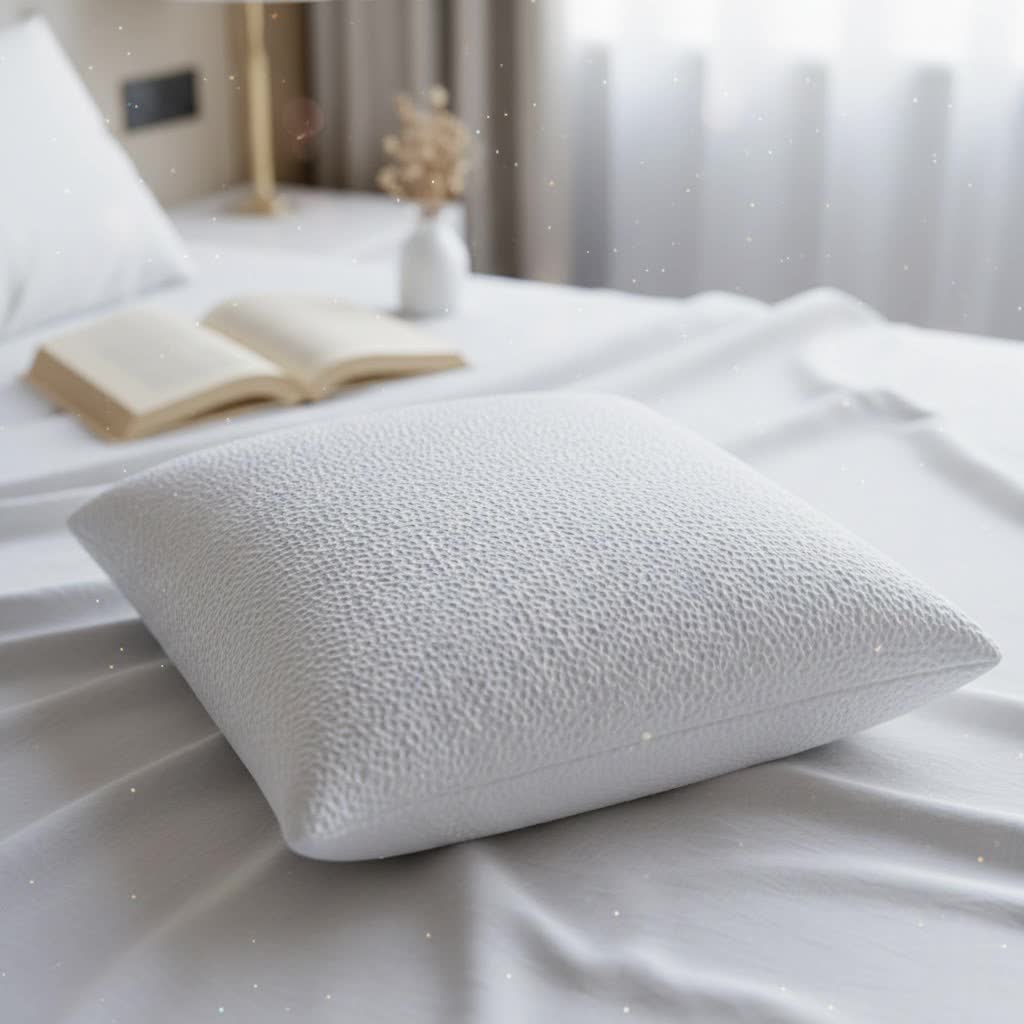
Pregnancy is a remarkable journey, but it often brings with it a host of physical discomforts, especially when it comes to sleep. From an aching back and hips to the challenge of finding a comfortable position for your growing belly, restful nights can become a distant memory. This is where a Memory Foam Maternity Pillow steps in as a true game-changer, offering targeted support and unparalleled comfort. Designed to cradle your changing body, these pillows aim to alleviate pressure points, improve spinal alignment, and promote the deep, restorative sleep essential for both you and your baby’s well-being. This comprehensive guide will explore everything you need to know about selecting, using, and caring for the perfect memory foam maternity pillow, ensuring your path to motherhood is as comfortable as possible.
Understanding Memory Foam Maternity Pillows: A Comprehensive Guide
Why Expecting Mothers Need Support: The Role of Maternity Pillows
|
Our Picks for the Best Foam Pillow in 2026
We may earn a commission when you use one of our links to make a purchase.
|
||
| Num | Product | Action |
|---|---|---|
| 1 | Ultra Pain Relief Cooling Pillow for Neck Support, Adjustable Cervical Pillow Cozy Sleeping, Odorless Ergonomic Contour Memory Foam Pillows, Orthopedic Bed Pillow for Side Back Stomach Sleeper |

|
| 2 | Ultra Pain Relief Cooling Pillow for Neck Support, Adjustable Cervical Pillow Cozy Sleeping, Odorless Ergonomic Contour Memory Foam Pillows, Orthopedic Bed Pillow for Side Back Stomach Sleeper |
|
| 3 | Cube Pillow for Side Sleeper with Firm Layer, Cooling Memory Foam Pillows with Two Side Four Types of Softness for Neck and Shoulder Pain, King or Queen 24"x12"x5" |
|
| 4 | Memory Foam Pillows Neck Pillow Bed Pillow for Sleeping Ergonomic Cervical Contour Pillow for Side Back Stomach Sleeper for Neck and Shoulder Pain |
|
| 5 | Memory Foam Pillows Neck Pillow Bed Pillow for Sleeping Ergonomic Cervical Pillow Orthopedic Contour Pillow for Side Back Stomach Sleeper |
|
| 6 | Ultra Pain Relief Cooling Pillow for Neck Support, Adjustable Cervical Pillow Cozy Sleeping, Odorless Ergonomic Contour Memory Foam Pillows, Orthopedic Bed Pillow for Side Back Stomach Sleeper |
|
| 7 | Cooling Pillows for Sleeping, Shredded Memory Foam Cooling Pillow for Hot Sleepers, Adjustable Cool Bed Pillows for Side Back Stomach Sleepers(Queen) |
|
| 8 | Cooling Gel Memory Foam Pillow - 1-Pack - Standard Size Bed Pillows For Sleeping - Medium-Firm - Back, Stomach and Side Sleeper Pillow - Shoulder & Back Pain Relief - Washable , Bamboo Viscose Cover |
|
| 9 | QUTOOL Enhanced Cooling Pillows Queen Size Set of 2,CertiPUR-US Shredded Memory Foam Pillows 2 Pack for Hot Sleeper, Adjustable Bed Pillow for Side, Back, Stomach Sleepers Support Yet Soft, Home Gifts |
|
| 10 | QUTOOL Cooling Pillow for Sleeping 2 Pack, Luxury Shredded Memory Foam Bed Queen Pillows Set of 2, Cool Pillow for Hot Sleepers Adjustable Firm Pillow for Side, Back, Stomach Sleepers Soft Yet Support |
|
As your pregnancy progresses, your body undergoes significant changes, placing increased strain on your joints, muscles, and spine. Many expectant mothers experience discomforts such as lower back pain, hip pain, pelvic girdle pain, and even sciatica due to the shifting center of gravity and hormonal changes. Additionally, healthcare professionals recommend sleeping on your side, particularly the left side, to optimize blood flow to the uterus and support fetal development, which can be challenging to maintain comfortably as your bump grows. Maternity pillows are specifically engineered to address these issues by providing strategic support that aligns your spine, cushions pressure points, and helps you comfortably maintain a side-sleeping position throughout the night. They are more than just an accessory; they are a vital tool for achieving better sleep and alleviating pain during this transformative period.
The Science of Support: What is Memory Foam?
Memory foam, also known as viscoelastic polyurethane foam, is renowned for its unique ability to conform precisely to the shape of your body. This material responds to both heat and pressure, softening and molding around your curves to create a custom cradle of support. Unlike traditional pillows that merely provide a surface to rest upon, memory foam actively disperses your weight, relieving pressure from sensitive areas like your hips, shoulders, and lower back. For pregnant women, this contouring property is invaluable, offering a stable yet adaptable foundation that supports the belly, aligns the spine, and reduces the constant need to readjust position, ultimately leading to more peaceful and pain-free sleep.
Types of Memory Foam Maternity Pillows
Memory foam maternity pillows come in various shapes, each designed to cater to different support needs and sleeping preferences. Understanding these types is crucial for selecting the pillow that best suits your body and lifestyle.
- Wedge Memory Foam Pillows: These compact, triangular pillows offer targeted support. They are ideal for slipping under your growing belly, behind your back, or between your knees to alleviate specific pressure points. Their small size makes them highly portable and a good choice for travel or for those who only need minimal, localized support.
- C-shaped Memory Foam Pillows: Wrapping around one side of your body, C-shaped pillows support your head, neck, back, belly, and knees simultaneously. They are particularly favored by side sleepers as they help maintain proper spinal alignment and prevent you from rolling onto your back. While effective, they typically don’t offer simultaneous front and back support.
- U-shaped Memory Foam Pillows: Providing comprehensive, full-body support, U-shaped pillows cradle you from head to toe. They support both your back and belly, making them an excellent choice if you frequently toss and turn during the night, as you can simply roll over and receive the same support on the other side. However, their generous size means they can take up a significant amount of bed space.
- I-shaped/Full-length Memory Foam Pillows: These straight, elongated pillows offer full-body support but are often more flexible and space-efficient than U-shaped options. Many I-shaped pillows feature adjustable firmness mechanisms, such as removable “pebbles” or knots, allowing you to customize the support as your body changes throughout pregnancy and even postpartum.
- Shredded Memory Foam Pillows: While not a shape, shredded memory foam is a popular filling for various maternity pillow designs. Unlike solid blocks of foam, shredded memory foam allows for adjustable loft and firmness by adding or removing filling. The gaps between the foam pieces also enhance airflow, helping to mitigate memory foam’s tendency to retain heat.
Memory Foam vs. Other Maternity Pillow Fillings
The choice of filling significantly impacts a maternity pillow’s comfort, support, and durability. Here’s a comparison of memory foam with other common options:
| Feature | Memory Foam (Solid/Shredded) | Polyester Fiberfill | Microbeads | Latex Foam |
|---|---|---|---|---|
| Contouring | Excellent; molds precisely to body curves. | Limited; offers soft cushioning. | Good; conforms to shape. | Excellent; bouncy and responsive contouring. |
| Support | Superior; firm yet adaptable, excellent pressure relief. | Soft; can flatten over time, less structured support. | Moderate; conformable but can lack firm support. | Very good; responsive, supportive, and durable. |
| Breathability | Can retain heat (improved with cooling gels/shredded foam). | Generally breathable. | Good airflow. | Very good; naturally breathable. |
| Adjustability | Good (especially shredded foam); can add/remove fill. | Limited; can be fluffed, but not easily customized. | Not adjustable. | Limited (shredded latex allows adjustment). |
| Durability | High; retains shape well, resistant to clumping. | Moderate; prone to clumping and losing shape over time. | Moderate; can compress over time. | Very high; naturally resilient and long-lasting. |
| Hypoallergenic | Generally hypoallergenic (CertiPUR-US certified). | Often hypoallergenic. | Usually hypoallergenic. | Naturally hypoallergenic and resistant to dust mites. |
| Price | Mid to High. | Low to Mid. | Mid. | High. |
Memory foam excels in providing stable, conforming support that alleviates pressure points, making it a favorite for many expectant mothers. While traditional memory foam can retain heat, advancements like gel-infusion and shredded designs have significantly improved breathability. Polyester fiberfill offers a softer, more affordable option but may lack the firm support needed for optimal spinal alignment during pregnancy. Microbeads provide good conformability but less structured support, while latex foam offers similar benefits to memory foam with better breathability but at a higher price point.
Key Factors When Choosing Your Memory Foam Maternity Pillow
Selecting the right memory foam maternity pillow involves considering several important factors to ensure it meets your specific needs and provides the best possible comfort and support.
- Sleeping Position: While side sleeping is recommended during pregnancy, your preferred non-pregnant position might influence your comfort. U-shaped and C-shaped pillows are particularly effective in supporting side sleeping by cushioning both the front and back of your body. If you’re a back sleeper transitioning to your side, a full-body or C-shaped pillow can help you maintain the new position comfortably.
- Pillow Shape and Size: Consider your body type, the size of your bed, and whether you share it with a partner. Full-length and U-shaped pillows offer comprehensive support but demand more space, potentially impacting your partner’s sleeping area. Wedge pillows are compact and ideal for targeted support without taking up much room. Ensure the pillow’s length is adequate to support your entire body if you opt for a full-body design.
- Firmness and Loft (Height): A maternity pillow should be firm enough to provide robust support for your growing bump and align your spine, yet soft enough to conform comfortably to your curves. Memory foam naturally strikes a good balance here. Shredded memory foam pillows are often adjustable, allowing you to add or remove fill to customize the loft and firmness to your exact preference.
- Cover Material: The pillow’s cover material is crucial for comfort and hygiene. Look for breathable fabrics like cotton, bamboo, or jersey knits, especially since many pregnant women experience increased body temperature. A removable and machine-washable cover is essential for easy cleaning and maintaining freshness throughout your pregnancy and beyond.
- Safety Certifications: Prioritize pillows with safety certifications to ensure they are free from harmful chemicals. Look for the CertiPUR-US certification, which guarantees the foam is made without ozone depleters, heavy metals, formaldehyde, and certain flame retardants. OEKO-TEX Standard 100 ensures textile products are tested for harmful substances, while GOTS (Global Organic Textile Standard) or GREENGUARD Gold certifications are excellent for organic or low-chemical emission products, respectively.
Top Memory Foam Maternity Pillow Brands and Products
The market offers a range of high-quality memory foam maternity pillows, each with unique features designed to enhance comfort for expecting mothers. While specific brand availability may vary, several consistently receive high praise for their design, support, and durability.
Many top-rated memory foam maternity pillows, such as the Eli & Elm Ultra Comfort Memory Foam Body Pillow or the Momcozy U-Shaped Pregnancy Pillow, often feature ergonomic designs tailored for pregnancy discomfort. Products like the Newton Baby Pregnancy Pillow are frequently highlighted for their ability to alleviate back pain, often incorporating a memory foam and fiber cluster blend for superior support. The INSEN C shape pregnancy pillow is noted for its thick padding and conforming support, often featuring breathable jersey covers. For those concerned about overheating, some brands, like Simba, offer memory foam pillows with integrated cooling technology, using “stratos” cool-touch tech or gel-infused foam to wick away sweat and regulate temperature. The Snuz Snuzcurve pregnancy support pillow stands out with its posture-first design, often co-created with health professionals, combining memory foam with other fillings for targeted support from neck to ankles. Key features across these leading brands include:
- Ergonomic Shapes: U-shaped and C-shaped designs are prevalent, offering comprehensive body support and aiding side-sleeping.
- Adjustable Fill: Many incorporate shredded memory foam, allowing users to customize loft and firmness.
- Breathable, Washable Covers: High-quality covers made from cotton, bamboo, or jersey are common to ensure hygiene and temperature regulation.
- Targeted Support: Designs often focus on alleviating discomfort in the lumbar region, hips, and knees.
- Versatility: Many pillows are designed to be useful postpartum for nursing or propping up baby.
Your Memory Foam Maternity Pillow Buying Guide
Investing in a memory foam maternity pillow is an investment in your well-being. To make the best choice, follow this practical buying guide:
- Assess Your Personal Needs: Before you even look at products, identify your primary discomforts. Do you have severe back pain, hip pain, or trouble maintaining a side-sleeping position? Understanding your specific issues will help narrow down the shapes and firmness levels that will provide the most relief. Consider your usual sleeping position prior to pregnancy and how you anticipate it changing.
- Read Reviews and Specifications Carefully: Once you have an idea of the type of pillow you need, delve into product reviews. Pay attention to comments regarding support, heat retention, durability, and any initial odors (off-gassing). Check the product specifications for details on filling material, cover fabric, and dimensions to ensure it meets your criteria.
- Consider Trial Periods and Warranties: A high-quality maternity pillow is a significant purchase. Many reputable brands offer trial periods (e.g., 30-day or 100-night trials) and warranties. This allows you to test the pillow in your own bed to ensure it provides the comfort and support you need. A clear return policy is also important.
- Budgeting Wisely: Maternity pillows range in price. While it’s tempting to opt for the cheapest option, remember that a quality pillow can significantly impact your sleep and overall health during pregnancy. Balance your budget with the features and certifications that are most important to you, viewing it as an investment in your comfort.
- Purchase from Reputable Retailers: Buy your memory foam maternity pillow from trusted online or brick-and-mortar retailers. This ensures you receive an authentic product and have recourse if any issues arise. If possible, try to physically test different pillow types for firmness and feel before making a decision.
Caring for Your Memory Foam Maternity Pillow
Proper care and maintenance will significantly extend the life and effectiveness of your memory foam maternity pillow, ensuring it remains a hygienic and supportive companion throughout your pregnancy.
- Cleaning Instructions: Always check the manufacturer’s specific cleaning instructions. Most memory foam maternity pillows come with removable, machine-washable covers. Wash these covers according to the fabric care label, typically in cold water on a gentle cycle, and tumble dry on low or air dry. The memory foam core itself usually cannot be machine washed. For spills or stains on the foam, spot clean gently with a mild detergent and a damp cloth, then allow it to air dry completely away from direct sunlight.
- Maintaining Shape and Longevity: To help your memory foam pillow retain its shape and supportive properties, especially if it’s made with shredded foam, fluff it regularly. Gently knead and reshape the pillow daily to redistribute the filling evenly. Avoid compressing the pillow for extended periods when not in use. Store it in a breathable bag if you plan to put it away between pregnancies.
- Addressing Odor: New memory foam products can sometimes have a faint, harmless “new foam” smell, often called off-gassing. This usually dissipates quickly. To help this process, air out your new pillow in a well-ventilated room for 24-48 hours before use. Sprinkling baking soda over the foam core (after removing the cover), letting it sit for a few hours, and then vacuuming it off can also help absorb odors.
“A well-chosen memory foam maternity pillow isn’t just about cushioning; it’s about providing foundational support that adapts to your body’s evolving needs, fostering both physical relief and peace of mind during pregnancy.” – Dr. Elena Petrova, Obstetrician and Sleep Specialist
Conclusion
The journey of pregnancy is transformative, bringing with it immense joy and, at times, significant physical challenges, particularly regarding sleep. A memory foam maternity pillow emerges as an invaluable ally, offering the tailored support and pressure relief essential for a comfortable and healthy pregnancy. By conforming to your body’s unique contours, these pillows alleviate common aches, promote optimal sleeping positions, and contribute to the restful sleep vital for both mother and baby. From understanding the different shapes and fillings to discerning safety certifications and proper care, making an informed choice ensures this investment truly enhances your well-being. Prioritizing your sleep during pregnancy is not a luxury, but a necessity that sets the stage for a healthier, happier experience. Are you ready to embrace the restorative power of a memory foam maternity pillow and transform your nights?
Frequently Asked Questions
Is a memory foam maternity pillow really necessary?
While not strictly compulsory, a memory foam maternity pillow can significantly alleviate common pregnancy discomforts like back, hip, and joint pain, and help maintain the doctor-recommended side-sleeping position, which is crucial for blood flow to your baby. Many women find it essential for achieving restful and pain-free sleep as their body changes.
How long does a memory foam maternity pillow last?
The lifespan of a memory foam maternity pillow typically ranges from 2 to 5 years, depending on the quality of the foam, frequency of use, and proper care. High-density memory foam and diligent maintenance, such as using washable covers and airing out the pillow, can help extend its durability.
Can memory foam maternity pillows help with sciatica?
Yes, memory foam maternity pillows can be very effective in helping to relieve sciatica pain during pregnancy. Their ability to contour to your body helps to align the spine, reduce pressure on the sciatic nerve, and provide cushioning for the hips, leading to significant pain relief and improved sleep quality.
Are memory foam maternity pillows safe for pregnancy?
Yes, memory foam maternity pillows are generally safe for pregnancy, especially those with CertiPUR-US certification. This certification ensures the foam is made without harmful chemicals, ozone depleters, and heavy metals. Always opt for pillows with safety certifications and breathable, hypoallergenic covers to ensure a healthy sleeping environment.
How do I choose the right size memory foam maternity pillow?
Choosing the right size depends on your body type, your height, and the size of your bed. Full-body U- or C-shaped pillows offer comprehensive support but take up more space. If you’re tall, ensure the pillow provides support from head to toe. Consider compact wedge pillows for targeted support if bed space is limited.