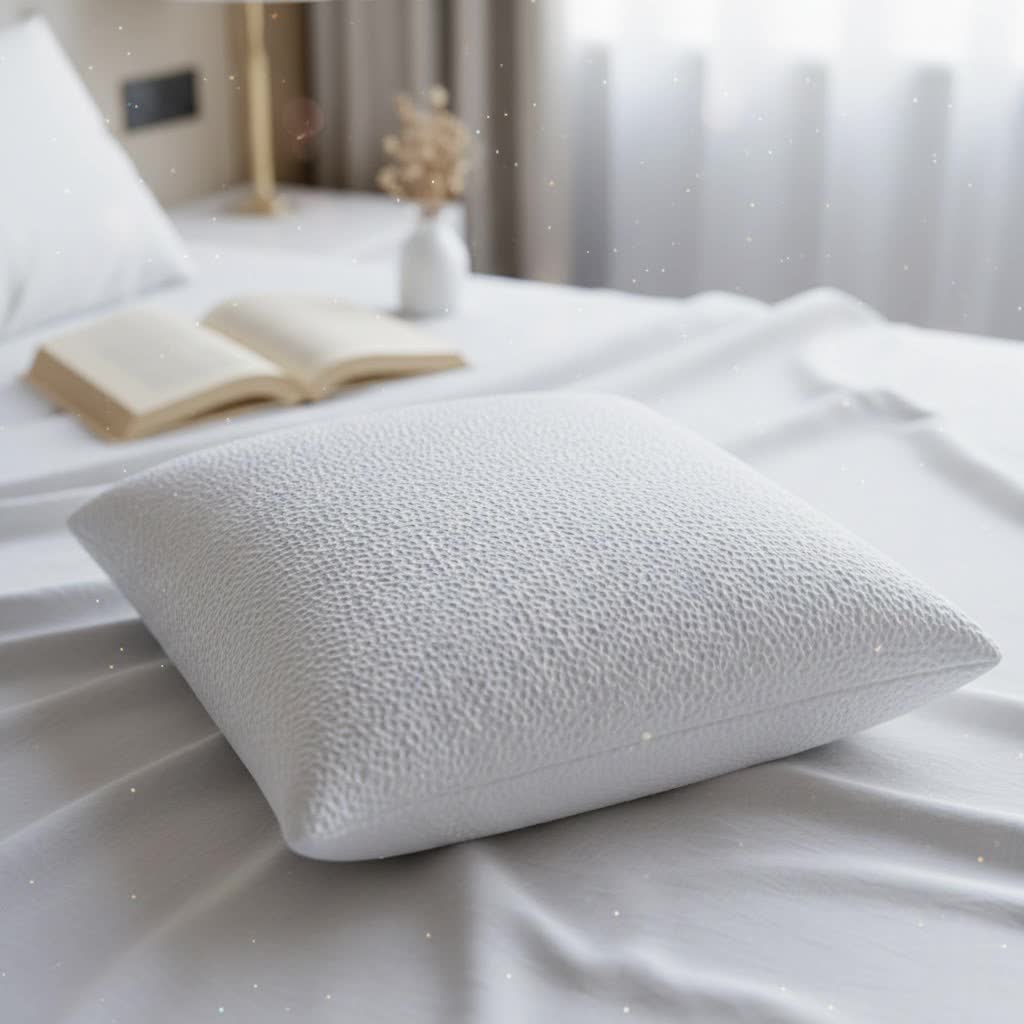
Waking up with a stiff neck or persistent discomfort can turn your mornings into a struggle, leaving you feeling unrested and irritable. The culprit is often your pillow, failing to provide the essential support your neck and spine need throughout the night. A well-chosen Foam Neck Pillow, however, can be a game-changer, cradling your head and neck in optimal alignment to alleviate pain and promote truly restorative sleep. With a decade of experience in sleep products, especially foam pillows, I understand the nuances of memory foam, latex foam, and polyurethane foam, and I’m here to guide you through selecting the ideal foam neck pillow to transform your sleep health.
Discovering the Diverse World of Foam Neck Pillows
Foam neck pillows aren’t a one-size-fits-all solution; they come in a variety of types, each with distinct characteristics tailored to different needs and preferences. Understanding these differences is the first step toward finding your perfect match.
Memory Foam
Bảng trống.Memory foam, also known as viscoelastic foam, is renowned for its ability to soften and contour precisely to the shape of your head and neck in response to body heat and pressure. This personalized molding provides excellent pressure relief and maintains proper spinal alignment, making it a popular choice for those suffering from neck pain. Its dense structure minimizes motion transfer, but traditional memory foam can sometimes retain heat.
Latex Foam
Derived from rubber trees, natural latex foam offers a more responsive and springy feel compared to memory foam. It provides firm yet gentle support, quickly adapting to movements without trapping heat as readily. Latex is also naturally hypoallergenic, resistant to dust mites and mold, making it an excellent option for allergy sufferers. Its durability often surpasses other foam types.
Polyurethane Foam
Polyurethane foam is the base material for most memory foam products. As a standalone pillow, it’s typically lighter and less dense than memory foam, offering a more traditional pillow feel with varying degrees of firmness. While generally more affordable, its support and durability can vary widely depending on the quality and density of the foam.
Gel-Infused Foam
To combat the heat-retaining tendencies of traditional memory foam, manufacturers often infuse gel particles or layers into the foam. This gel works to dissipate heat and promote airflow, resulting in a cooler sleep surface. Gel-infused foam pillows are ideal for individuals who tend to sleep hot but still desire the contouring benefits of memory foam.
Shredded Foam
Shredded foam pillows typically use either shredded memory foam or a blend of shredded foam and other fibers (like kapok or microfiber). The advantage of shredded foam is its adjustability; you can add or remove fill to customize the pillow’s loft and firmness to your exact preference. This makes them highly versatile and breathable, as the individual pieces of foam allow for better air circulation.
Detailed Comparison of Foam Types for Neck Pillows
Choosing between foam types can be tricky. Here’s a breakdown to help you weigh the pros and cons:
| Feature | Memory Foam | Latex Foam | Polyurethane Foam | Gel-Infused Foam | Shredded Foam |
|---|---|---|---|---|---|
| Feel/Responsiveness | Slow contouring, pressure-relieving | Springy, responsive, buoyant | Softer, less dense, traditional pillow feel | Slow contouring with cooling sensation | Customizable, moldable, often softer |
| Support | Excellent spinal alignment, pressure point relief | Consistent, firm yet gentle, maintains shape | Variable, generally less contouring | Excellent spinal alignment with cooling | Adjustable support for various positions |
| Breathability | Can retain heat (traditional) | Naturally breathable, good airflow | Variable | Enhanced cooling, dissipates heat | Highly breathable due to air pockets |
| Durability | Good | Excellent, very long-lasting | Variable, often less durable than others | Good | Good (if high-quality shredded foam) |
| Allergen-Friendly | Hypoallergenic | Naturally hypoallergenic, dust mite resistant | Can be hypoallergenic | Hypoallergenic | Hypoallergenic (if CertiPUR-US certified) |
| Price Range | Medium to High | High | Low to Medium | Medium to High | Medium |
| Best For | Neck pain, side/back sleepers | Neck pain, allergy sufferers, hot sleepers | Budget-conscious, general comfort | Hot sleepers, neck pain sufferers | All sleep positions, those seeking customization |
Essential Factors When Choosing Your Foam Neck Pillow
Beyond the foam type, several critical factors will influence your comfort and the effectiveness of your foam neck pillow. Paying attention to these details ensures you make an informed decision.
Pillow Loft and Firmness
The loft (height) and firmness of your pillow are paramount for maintaining proper spinal alignment. A pillow that is too high or too low can strain your neck, while one that is too soft or too firm won’t provide adequate support. Side sleepers generally need a higher, firmer pillow to fill the gap between their head and shoulder, while stomach sleepers often require a thinner, softer pillow to prevent their neck from arching excessively. Back sleepers typically benefit from a medium loft and firmness that supports the natural curve of their cervical spine.
Pillow Size
Foam neck pillows come in standard sizes like Standard, Queen, and King, matching mattress dimensions. However, some specialized cervical or contour pillows may have unique shapes that don’t directly correspond to bed sizes. Consider the size of your bed and your sleeping habits. A larger pillow might be preferable if you move around a lot, ensuring continuous support.
Pillow Shape
The shape of a foam neck pillow can significantly impact its ergonomic benefits.
- Traditional shape: Rectangular, offering uniform support.
- Contour or Cervical shape: Features a raised ridge to support the neck’s natural curve and a shallower dip for the head. This design is highly recommended for targeted neck pain relief and spinal alignment, especially for back and side sleepers.
- U-shaped: Primarily used for travel, providing support around the neck to prevent head bobbing.
Pillow Cover
The material of your pillow’s cover influences both comfort and hygiene. Look for breathable fabrics like cotton, bamboo, or Tencel, which help regulate temperature and wick away moisture. A removable, machine-washable cover is a crucial feature for easy cleaning and maintaining a fresh sleep environment.
Safety Certifications
When investing in a foam pillow, especially one made of synthetic materials, check for safety certifications.
- CertiPUR-US: This certification ensures that the polyurethane foams used in the pillow are made without harmful chemicals like ozone depleters, PBDEs, mercury, lead, formaldehyde, and phthalates, and have low VOC (Volatile Organic Compound) emissions for indoor air quality.
- OEKO-TEX Standard 100: This certification applies to textiles and ensures that the finished product is free from harmful substances.
Features Offered by Reputable Foam Pillow Brands
Leading foam pillow brands prioritize advanced materials, ergonomic design, and user-centric features to deliver superior sleep solutions. They often utilize proprietary foam formulations for enhanced contouring and pressure relief, some even incorporating NASA-developed technology for optimal support. Many reputable brands offer pillows with innovative cooling features, such as open-cell memory foam, gel infusions, or phase-change materials, to prevent overheating. Furthermore, adjustability is a key differentiator, with options like removable foam layers or shredded foam fill allowing sleepers to customize loft and firmness to their individual needs and preferred sleeping positions.
“The right pillow isn’t just about comfort; it’s a vital tool for maintaining cervical health and preventing long-term neck issues. Invest wisely.” – Reviewdu.com Admin, Foam Pillow Expert
A Comprehensive Guide to Buying Your Foam Neck Pillow
With so many options, choosing the perfect foam neck pillow can feel overwhelming. Follow these steps to make an informed decision.
Assess Your Personal Needs
Start by understanding your unique sleep profile.
- Sleeping Position: Are you primarily a side, back, or stomach sleeper? This dictates the ideal loft and firmness.
- Health Concerns: Do you suffer from chronic neck pain, headaches, or snoring? A specific pillow shape or foam type might offer targeted relief.
- Body Type: Your build and weight can influence the density and support you need from a pillow.
- Temperature Preference: Do you tend to sleep hot? Prioritize cooling features like gel infusions or breathable covers.
Read Product Specifications and Reviews
Dive deep into product details. Examine the foam type, density, loft, and any special features like cooling technology or adjustability. Read customer reviews on reputable retail sites. Look for common themes regarding comfort, durability, and effectiveness for specific concerns like neck pain or sleeping positions.
Purchase from Reputable Retailers
Buy from established retailers or directly from the brand’s website. This ensures you receive an authentic product and have access to reliable customer service. Be wary of unusually low prices from unknown sellers.
Consider Trial Periods
Many high-quality foam pillow brands offer generous trial periods (e.g., 30 to 100 nights). This allows you to test the pillow in your own bed, giving your body time to adjust, and return it if it’s not the right fit. Take advantage of this opportunity.
Check the Warranty Policy
A good warranty indicates the manufacturer’s confidence in their product’s durability. Most quality foam pillows come with a warranty of at least 3-5 years, covering manufacturing defects or significant loss of shape.
Proper Cleaning and Maintenance for Your Foam Neck Pillow
To maximize the lifespan and hygiene of your foam neck pillow, proper care is essential. Unlike traditional pillows, most foam pillows require specific cleaning methods.
- Spot Cleaning: For small spills or stains, gently spot clean the affected area using a mild detergent and a damp cloth. Avoid saturating the foam, as it can be difficult to dry completely and may encourage mold or mildew growth.
- Airing Out: Foam pillows can sometimes develop an initial “new foam” odor, or accumulate odors over time. Air out your pillow regularly in a well-ventilated area, away from direct sunlight, to keep it fresh.
- Pillow Covers: Always use a removable, washable pillow cover. Wash the cover according to the manufacturer’s instructions, typically weekly or bi-weekly, to protect the foam from sweat, oils, and allergens.
- Avoid Machine Washing/Drying: Most solid foam cores (memory foam, latex, polyurethane) should never be machine washed or dried, as this can damage the foam structure and void the warranty. Shredded foam inserts may sometimes be washable, but always check the specific product’s care label.
- Protection: Consider using a pillow protector underneath your pillowcase for an extra layer of defense against moisture and allergens.
Conclusion
Choosing the right foam neck pillow is an investment in your sleep quality and overall well-being. By understanding the different types of foam – from contouring memory foam and responsive latex to breathable shredded foam – and considering crucial factors like loft, firmness, and your unique sleeping position, you can find a pillow that provides optimal spinal alignment and pressure relief. Don’t underestimate the power of a supportive pillow to transform your nights and invigorate your days. What steps will you take tonight to ensure a more restorative sleep experience?
Frequently Asked Questions
Is a foam neck pillow good for side sleepers?
Yes, foam neck pillows are excellent for side sleepers, especially those with a higher loft and firmer density. They help bridge the gap between your head and shoulder, keeping your spine in a neutral alignment and preventing neck strain. Contoured or cervical foam pillows are particularly beneficial for providing targeted support.
How often should I replace my foam neck pillow?
The lifespan of a foam neck pillow can vary depending on the foam type and quality, but generally, a good quality foam pillow should last between 3 to 5 years. Look for signs of wear such as sagging, loss of support, or permanent indentations, which indicate it’s time for a replacement.
Can a foam neck pillow help with snoring?
A foam neck pillow can potentially help reduce snoring by promoting proper head and neck alignment. When your neck is supported correctly, it can keep your airway open more effectively, reducing the likelihood of soft palate collapse that causes snoring. This is especially true for back sleepers.
Are foam neck pillows safe?
Most reputable foam neck pillows are safe. Look for certifications like CertiPUR-US for polyurethane foams, which guarantees they are made without harmful chemicals and have low VOC emissions. Natural latex foam is also an inherently safe and hypoallergenic option.