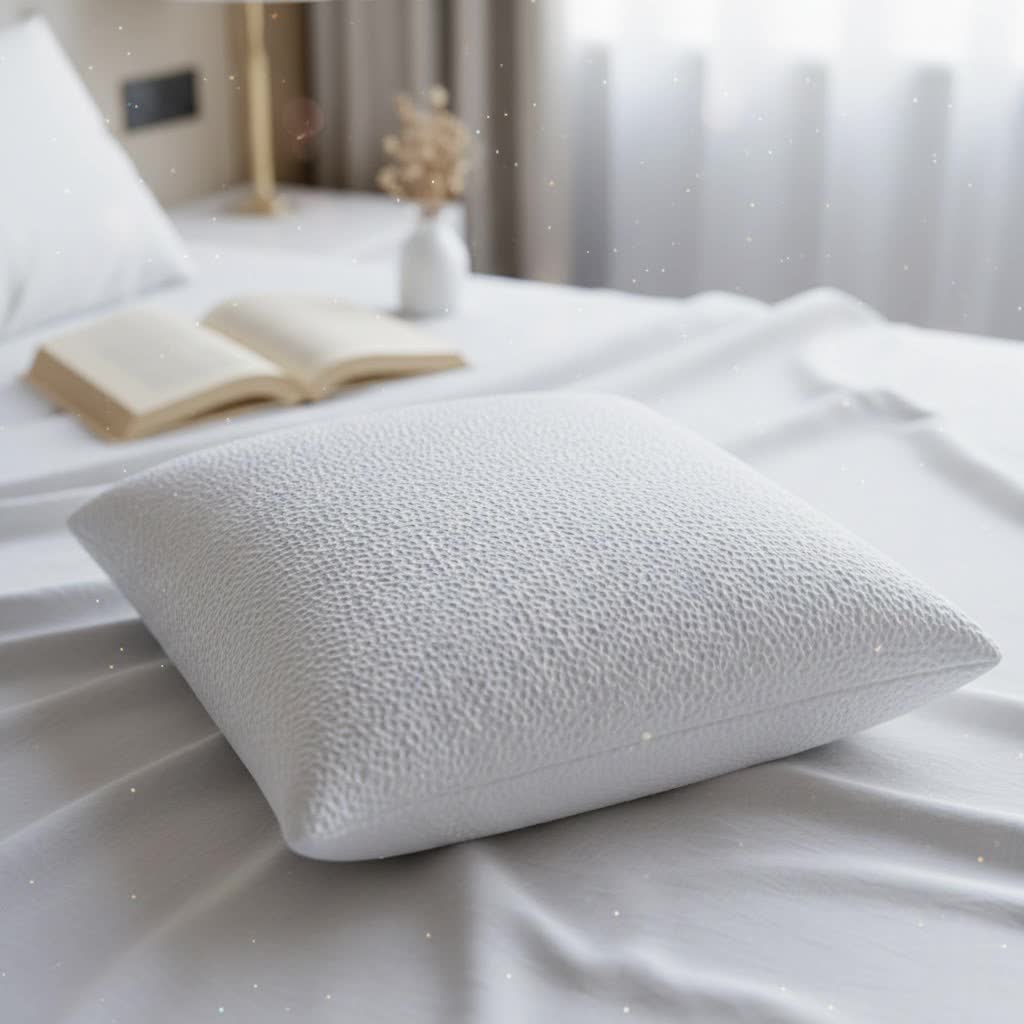
Are you tired of waking up with a stiff neck, constantly fluffing your pillow, or finding it simply doesn’t offer the support you need? The secret to a truly restorative night’s sleep often lies in the quality of your pillow, and for many, a high-density memory foam pillow is the game-changer. With its unique ability to contour precisely to your head and neck, alleviate pressure points, and promote healthy spinal alignment, high-density memory foam has become a cornerstone of comfortable and supportive sleep. But what exactly defines “high density,” and how do you choose the perfect one for your unique sleep needs? Let’s dive deep into the world of these remarkable pillows, uncovering their benefits, drawbacks, and the essential factors to consider before making your choice.
The Perfect Foam Pillow: A Detailed Guide from A to Z
Choosing the ideal pillow can significantly impact your sleep quality and overall well-being. A high-density memory foam pillow offers a blend of support and comfort that few other materials can match. Understanding its characteristics is the first step toward unlocking better sleep.
Popular Types of Foam Pillows
The world of foam pillows extends beyond just “memory foam.” Each type offers distinct properties that cater to different preferences and needs.
- Memory Foam: Known for its viscoelastic properties, memory foam softens and molds to the body’s shape in response to heat and pressure, then slowly returns to its original form. This provides exceptional contouring and pressure relief. It’s often praised for its ability to provide head and neck support, spinal alignment, and reduce snoring.
- Latex Foam: Derived from rubber trees (natural latex) or manufactured synthetically, latex foam is known for its bouncy feel, excellent breathability, and quick responsiveness. It offers resilient support and is naturally hypoallergenic. It tends to be cooler than traditional memory foam.
- Polyurethane Foam: A general category of foam, often used as a core in mattresses and pillows. While less conforming than memory foam, it provides a firm, supportive base. Its density can vary widely, influencing its durability and feel.
- Gel-Infused Foam: This is typically memory foam that has been infused with cooling gel particles or layers. Its primary purpose is to dissipate heat, addressing one of the common complaints about traditional memory foam. The gel creates an open-cell structure that promotes airflow, resulting in a cooler sleep surface.
- Shredded Foam: Unlike solid blocks, shredded foam pillows contain small, individual pieces of foam, often memory foam or a blend. This allows for greater adjustability, as you can add or remove fill to customize the loft and firmness. Shredded foam also tends to be more breathable than solid foam.
|
Our Picks for the Best Foam Pillow in 2026
We may earn a commission when you use one of our links to make a purchase.
|
||
| Num | Product | Action |
|---|---|---|
| 1 | QUTOOL Enhanced Cooling Pillows Queen Size Set of 2,CertiPUR-US Shredded Memory Foam Pillows 2 Pack for Hot Sleeper, Adjustable Bed Pillow for Side, Back, Stomach Sleepers Support Yet Soft, Home Gifts |

|
| 2 | Memory Foam Pillows Neck Pillow Bed Pillow for Sleeping Ergonomic Cervical Pillow Orthopedic Contour Pillow for Side Back Stomach Sleeper |
|
| 3 | Ultra Pain Relief Cooling Pillow for Neck Support, Adjustable Cervical Pillow Cozy Sleeping, Odorless Ergonomic Contour Memory Foam Pillows, Orthopedic Bed Pillow for Side Back Stomach Sleeper |
|
| 4 | Cooling Pillows for Sleeping, Shredded Memory Foam Cooling Pillow for Hot Sleepers, Adjustable Cool Bed Pillows for Side Back Stomach Sleepers(Queen) |
|
| 5 | QUTOOL Cooling Pillow for Sleeping 2 Pack, Luxury Shredded Memory Foam Bed Queen Pillows Set of 2, Cool Pillow for Hot Sleepers Adjustable Firm Pillow for Side, Back, Stomach Sleepers Soft Yet Support |
|
| 6 | Cooling Gel Memory Foam Pillow - 1-Pack - Standard Size Bed Pillows For Sleeping - Medium-Firm - Back, Stomach and Side Sleeper Pillow - Shoulder & Back Pain Relief - Washable , Bamboo Viscose Cover |
|
| 7 | Ultra Pain Relief Cooling Pillow for Neck Support, Adjustable Cervical Pillow Cozy Sleeping, Odorless Ergonomic Contour Memory Foam Pillows, Orthopedic Bed Pillow for Side Back Stomach Sleeper |
|
| 8 | Memory Foam Pillows Neck Pillow Bed Pillow for Sleeping Ergonomic Cervical Contour Pillow for Side Back Stomach Sleeper for Neck and Shoulder Pain |
|
| 9 | Ultra Pain Relief Cooling Pillow for Neck Support, Adjustable Cervical Pillow Cozy Sleeping, Odorless Ergonomic Contour Memory Foam Pillows, Orthopedic Bed Pillow for Side Back Stomach Sleeper |
|
| 10 | Cube Pillow for Side Sleeper with Firm Layer, Cooling Memory Foam Pillows with Two Side Four Types of Softness for Neck and Shoulder Pain, King or Queen 24"x12"x5" |
|
Detailed Comparison of Foam Types
When comparing different foam types, several factors come into play, including density, durability, breathability, and price. High-density memory foam, for instance, typically refers to foam with a weight of 5 pounds or more per cubic foot, or a D-rating of 60D and above, indicating a tighter cell structure and a higher concentration of material. This density directly influences its performance.
| Feature | Memory Foam (High Density) | Latex Foam | Polyurethane Foam (General) | Gel-Infused Foam | Shredded Foam (Memory Foam) |
|---|---|---|---|---|---|
| Durability | Excellent, long-lasting (5+ years) | Very good, resilient | Varies widely, can be less durable at low densities | Excellent (inherits memory foam durability) | Good, but can clump over time |
| Elasticity | Slow rebound, conforms deeply | Bouncy, quick response | Moderate, less conforming | Slow rebound with enhanced cooling | Adjustable, soft to firm depending on fill |
| Breathability | Can retain heat, but modern versions often include cooling features | Excellent, naturally breathable | Moderate | Improved cooling due to gel/ventilation | Good, allows for more airflow than solid foam |
| Price | Higher, considered a long-term investment | Higher, especially natural latex | Lower to moderate | Higher than traditional memory foam | Moderate, can be more affordable than solid high-density |
| Support | Superior contouring, firm, stable support | Consistent, responsive support | General support, can lack precise contouring | Superior contouring with cooling | Adjustable support, good for various positions |
High-density memory foam stands out for its exceptional durability and robust support. Compared to lower-density foams which are softer, lighter, and quicker to rebound, high-density options are stiffer, more durable, and take longer to respond to pressure changes. This slower response time allows the foam to truly cradle your head and neck, distributing weight evenly and reducing pressure points. While some perceive this as firmness, it’s often the deep, supportive conformability that sets it apart.
Key Factors When Choosing a High-Density Foam Pillow
Selecting the perfect high-density memory foam pillow involves considering several personal and product-specific factors. It’s not a one-size-fits-all decision, but rather about matching the pillow to your unique sleep profile.
- Pillow Loft (Height) and Firmness: The right loft and firmness are critical for maintaining proper spinal alignment. For side sleepers, a higher loft is often necessary to fill the gap between the head and shoulder, preventing neck strain. Back sleepers generally benefit from a medium loft that supports the natural curve of the neck without pushing the head too far forward. Stomach sleepers typically need a lower loft or softer pillow to avoid hyperextension of the neck. High-density memory foam pillows, particularly those with a 60D rating, offer significant firmness and stable support, making them ideal for individuals needing consistent neck stability.
- Pillow Size: Standard, Queen, and King sizes are common. Choose a size that comfortably fits your bed and allows for adequate head and neck movement without falling off the pillow.
- Pillow Shape:
- Traditional Shape: Resembles a standard rectangular pillow, offering classic comfort with memory foam benefits. They are versatile and can be molded for various sleeping positions.
- Contour Shape: Designed with a wave-like or cervical curve to specifically support the neck’s natural lordosis. These are excellent for neck pain relief and maintaining spinal alignment, especially for back and side sleepers.
- Specialty Shapes (e.g., U-shaped): Less common for primary sleep but designed for specific uses like travel or alleviating certain pressure points.
- Pillow Cover: The cover material significantly impacts breathability, feel, and temperature regulation. Look for covers made from breathable fabrics like bamboo, Tencel™, or cotton, which can help wick away moisture and keep you cool. Many covers are removable and machine-washable for easy maintenance.
- Safety Certifications: Look for certifications like CertiPUR-US® or OEKO-TEX®. These certifications ensure that the foam is made without harmful chemicals, has low volatile organic compound (VOC) emissions, and is safe for you and the environment.
- Cooling Features: As high-density memory foam can retain heat, many modern pillows incorporate cooling technologies such as gel infusions, phase-change materials, or ventilation holes to actively dissipate heat and prevent overheating. These innovations mean that even very dense pillows are no longer synonymous with “sleeping hot.”
Guides to Buying a High-Density Foam Pillow
Embarking on the journey to find your perfect pillow can feel overwhelming with countless options available. Here’s a structured approach to guide your purchase:
- Identify Your Personal Needs: Start by understanding your primary sleeping position (back, side, stomach, or combination). Do you suffer from neck pain, headaches, or allergies? Are you a hot sleeper? These considerations will narrow down your choices considerably. For instance, heavier individuals will generally find high-density pillows more suitable, as lower-density options might compress too much, lacking adequate support.
- Read Product Specifications and Reviews: Pay close attention to the density rating (e.g., 40D, 50D, 60D) and materials used. Seek out reviews from users with similar sleep habits or concerns. Real-world experiences often offer invaluable insights into a pillow’s true performance.
- Purchase from Reputable Retailers with Clear Return Policies: A pillow is a personal item, and sometimes it takes a few nights to truly know if it’s the right fit. Many reputable brands offer sleep trials (e.g., 100 nights) and easy return or exchange policies, providing peace of mind.
- Test the Pillow (If Possible): If buying in a physical store, spend a few minutes lying on the pillow in your typical sleeping position. While this isn’t a perfect simulation of a full night’s sleep, it can give you an initial feel for its loft, firmness, and contouring ability.
- Consider the Warranty: A good warranty indicates the manufacturer’s confidence in their product’s durability. High-density memory foam pillows, being a significant investment, often come with extended warranties.
How to Clean and Maintain Your High-Density Foam Pillow
Proper care extends the lifespan and maintains the hygienic qualities of your high-density memory foam pillow. Unlike traditional pillows, memory foam often requires specific cleaning methods.
- Spot Cleaning for Stains: Memory foam pillows typically cannot be machine washed or submerged in water. For spills or stains, use a mild detergent mixed with water and gently blot the affected area with a clean cloth. Avoid harsh chemicals or excessive scrubbing, which can damage the foam’s structure.
- Eliminating Odors: If your pillow develops an odor (which can sometimes happen initially with off-gassing, or over time from use), remove the cover and air the foam core in a well-ventilated area, away from direct sunlight. Sprinkling baking soda on the pillow, letting it sit for a few hours, and then vacuuming it off can also help absorb odors.
- Regular Maintenance: Most memory foam pillows come with a removable, machine-washable cover. Wash this cover regularly according to the manufacturer’s instructions. Protect the foam core with a pillow protector to shield it from dust mites, allergens, and sweat. Memory foam pillows are low maintenance as they return to their original shape after use, eliminating the need for daily fluffing.
- Storage: When not in use, store your memory foam pillow in a cool, dry place, ideally in a breathable storage bag to protect it from dust and moisture.
“A well-chosen high-density memory foam pillow isn’t just a comfort item; it’s a therapeutic tool that can significantly improve sleep posture and alleviate chronic neck and back pain.” – Dr. Alistair Finch, Sleep Ergonomics Specialist
Conclusion
Choosing a high-density memory foam pillow is a significant step towards achieving better sleep and improved overall health. With its superior contouring, long-lasting support, and pressure-relieving properties, it offers a distinct advantage over many traditional pillow types. While considerations like potential heat retention and initial firmness exist, modern innovations and careful selection can mitigate these concerns. By understanding the nuances of density, pillow design, and your own sleep needs, you can confidently select a high-density memory foam pillow that transforms your nights.
Are you ready to experience the profound difference a truly supportive pillow can make in your life?
Frequently Asked Questions
What does “high density” mean for a memory foam pillow?
High density refers to the weight of the foam per cubic foot (e.g., 5 lbs/cubic foot or 60D). It indicates a tighter cell structure and more material, leading to superior durability, consistent support, and a slower, more conforming response to pressure, making it ideal for robust support.
Is a high-density memory foam pillow better for neck pain?
Yes, high-density memory foam pillows are often excellent for neck pain as they provide stable, consistent support that cradles the neck and head, promoting proper spinal alignment and reducing pressure points. This helps alleviate stiffness and discomfort.
How long does a high-density memory foam pillow typically last?
With proper care, a high-density memory foam pillow can last significantly longer than lower-density options, often between 3 to 5 years, and sometimes even more than 5 years for very high-quality products, making it a durable investment.
Do high-density memory foam pillows sleep hot?
While traditional memory foam can retain heat due to its dense structure, many modern high-density memory foam pillows incorporate cooling technologies like gel infusions, phase-change materials, or ventilation channels to promote airflow and dissipate heat, ensuring a cooler sleep experience.
Can high-density memory foam pillows be too firm?
High-density memory foam pillows can initially feel firmer, especially if you are accustomed to softer pillows. However, they are designed to soften and conform to your body with use and in response to body heat, providing supportive comfort over time.