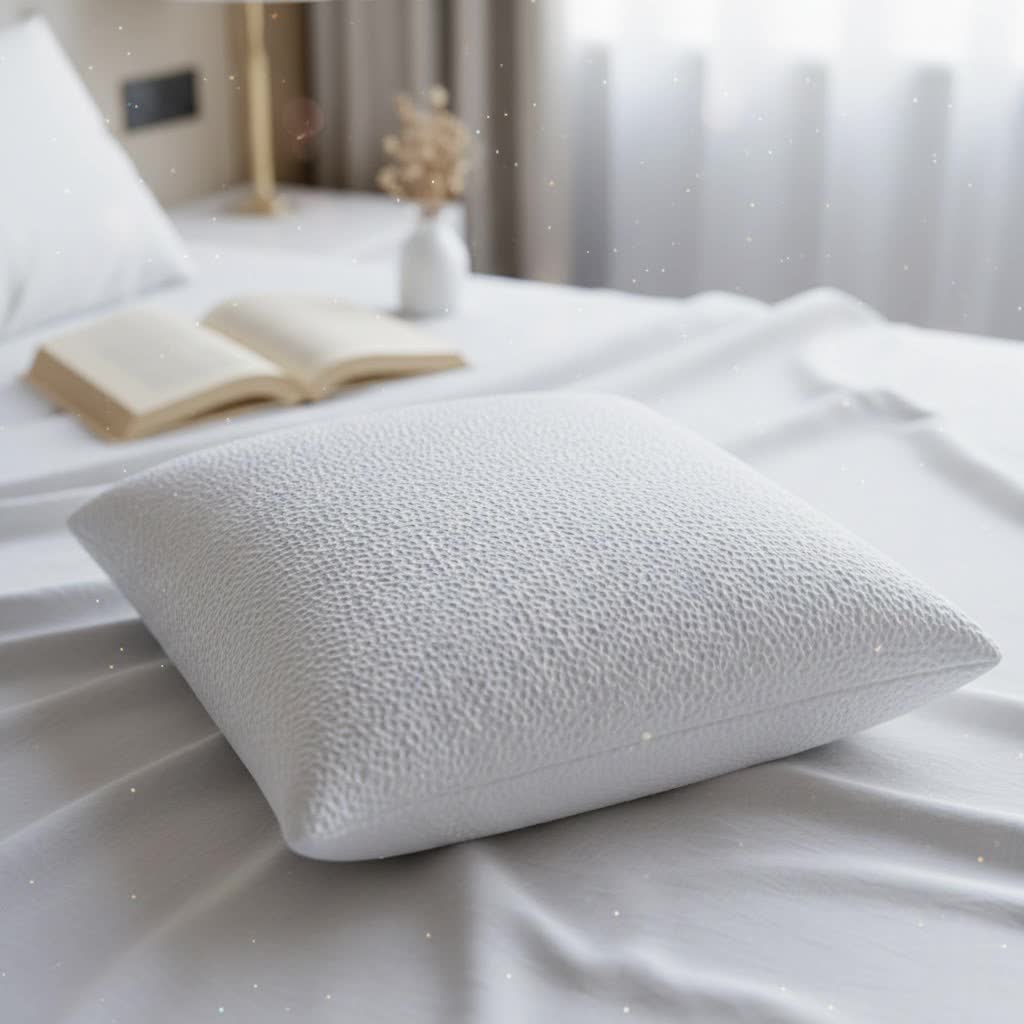
Are you tired of waking up with a stiff neck or constantly flipping your pillow to find a cool spot? The secret to a truly restorative night’s sleep might lie in upgrading to a Latex Foam Pillow. Renowned for their unique blend of buoyant support, exceptional durability, and natural properties, latex foam pillows offer a distinctive alternative to traditional options, promising enhanced comfort and a healthier sleep environment. This comprehensive guide will navigate the world of latex foam, helping you understand its benefits, compare it with other materials, and choose the perfect pillow to transform your sleep experience.
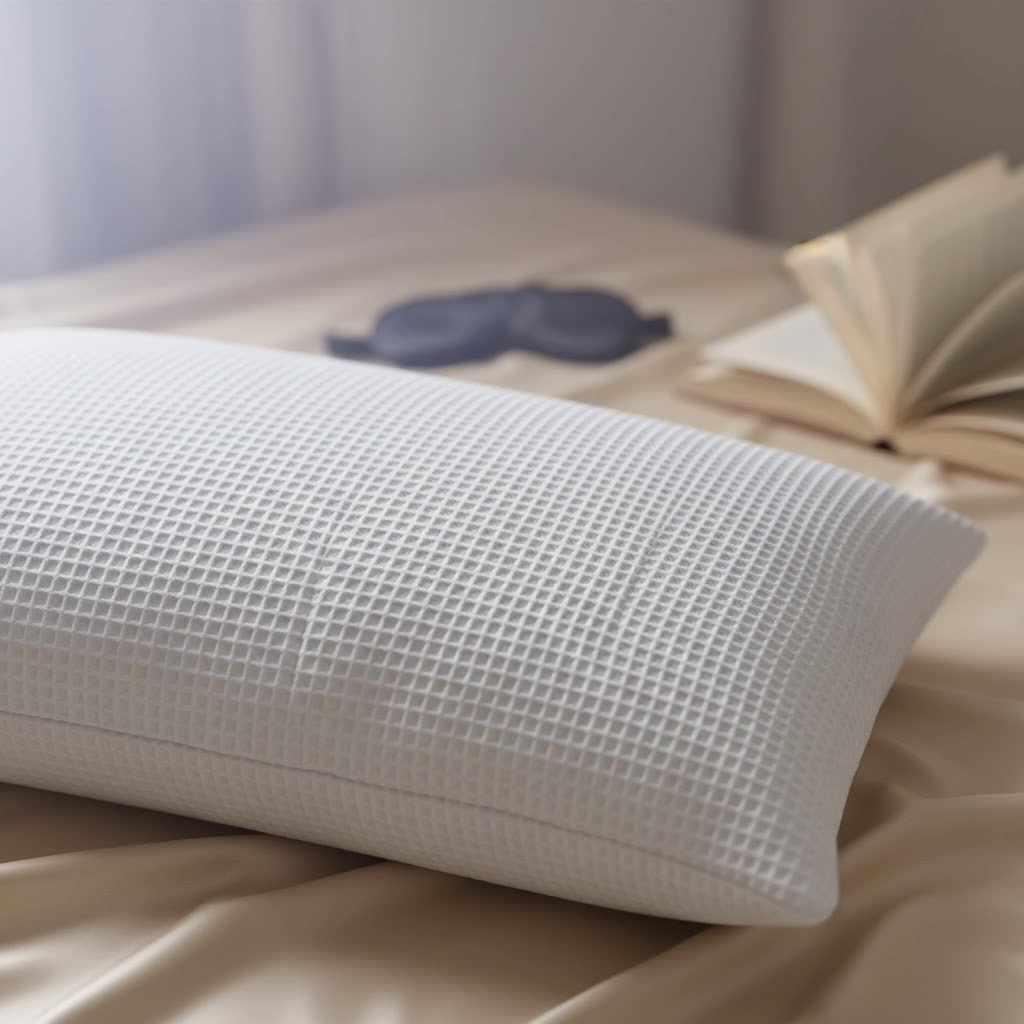
Understanding Latex Foam Pillows
Latex foam pillows are crafted from latex, a milky sap primarily harvested from rubber trees (Hevea brasiliensis). This natural material undergoes a specialized process to create the resilient, open-cell foam used in pillows. While some latex products may include synthetic latex, 100% natural latex is prized for its eco-friendliness and purity.
The manufacturing process typically involves two main methods:
- Dunlop Latex: This method involves pouring the liquid latex into a mold, which is then baked. Sediment settles at the bottom, resulting in a denser, firmer feel at the base and a softer top. Dunlop latex is generally more durable and cost-effective.
- Talalay Latex: A more intricate process, Talalay latex involves vacuum-sealing the mold and flash-freezing the latex before baking. This creates a more uniform, airy, and springy foam with consistent density throughout. Talalay is often considered softer and more breathable than Dunlop.
Why Choose Latex Foam? Key Benefits for a Better Night’s Rest
Latex foam pillows stand out for a compelling array of benefits that directly contribute to superior sleep quality:
- Exceptional Support and Spinal Alignment: Unlike pillows that flatten or cradle too deeply, latex offers a responsive, buoyant support that adapts to the contours of your head and neck. This consistent support promotes proper spinal alignment, alleviating pressure points and reducing common issues like neck pain and stiffness.
- Unrivaled Durability and Shape Retention: Latex is an incredibly resilient material. Latex foam pillows are known for their impressive longevity, often lasting significantly longer than other pillow types. They resist sagging, indentations, and flattening, maintaining their supportive shape night after night.
- Superior Breathability and Cooling Properties: The inherent open-cell structure of latex foam, often enhanced with pin-core ventilation holes, allows for excellent airflow. This natural breathability helps dissipate heat and regulate temperature, making latex pillows an ideal choice for hot sleepers or those living in warmer climates.
- Naturally Hypoallergenic and Resistant to Allergens: Natural latex is inherently resistant to dust mites, mold, mildew, and bacteria. These antimicrobial properties create a cleaner, healthier sleep environment, making latex pillows a popular choice for individuals with allergies or respiratory sensitivities.
- Eco-Friendly and Sustainable: When sourced as 100% natural latex, these pillows are made from a renewable resource (rubber tree sap), contributing to a more sustainable and environmentally conscious lifestyle.
Types of Latex Foam Pillows
Latex foam pillows come in various forms, each offering a distinct feel and benefit to cater to different preferences and sleeping styles.
- Solid Core Latex Pillows: These pillows feature a single, molded piece of latex foam. They provide uniform, consistent support and are often praised for their robust structure and long-lasting performance. Solid core pillows are available in various lofts and firmness levels.
- Shredded Latex Pillows: Composed of shredded latex pieces, these pillows offer a customizable experience. The loose fill allows you to adjust the loft and firmness by adding or removing foam, making them highly adaptable to different sleeping positions and comfort needs. Shredded latex also tends to be more breathable due to increased air circulation between the pieces.
- Contour Latex Pillows: Designed with an ergonomic shape, typically featuring a raised ridge to support the neck and a dip for the head, contour latex pillows are specifically crafted to promote optimal spinal alignment. They are particularly beneficial for back and side sleepers seeking targeted support for neck pain relief.
Latex Foam vs. Other Popular Pillow Materials
Choosing a pillow often comes down to comparing materials. Latex foam offers distinct advantages over other common options.
Latex Foam vs. Memory Foam
This is the most common comparison, as both are foam-based but offer very different experiences.
| Feature | Latex Foam Pillow | Memory Foam Pillow |
|---|---|---|
| Material Source | Natural (rubber tree sap) or synthetic | Synthetic (polyurethane foam) |
| Feel / Responsiveness | Buoyant, springy, quick to respond to pressure | Conforming, body-hugging, slower to respond |
| Temperature | Naturally breathable, cooler (open-cell) | Tends to retain heat (can include cooling gels) |
| Durability | Highly durable, retains shape for many years | Durable, but can soften/sag over time (2-5 years) |
| Motion Isolation | Good, but has a slight bounce | Excellent, absorbs motion well |
| Allergens | Naturally resistant to dust mites, mold, bacteria | Can attract dust mites, but often hypoallergenic |
| Off-gassing | Minimal to none (natural latex) | Can have initial off-gassing smell |
| Price | Generally higher investment | Varies widely, often more budget-friendly |
While memory foam excels at deep contouring and motion absorption, latex foam provides a more responsive, supportive, and cooler sleep experience, making it ideal for those who prefer not to sink too deeply or tend to sleep hot.
Brief Comparison with Other Foams
- Polyurethane Foam: This is a synthetic foam, generally less dense and durable than latex or memory foam. It offers basic cushioning but typically lacks the specific support, breathability, and longevity of latex.
- Gel-Infused Foam: Often a type of memory foam or polyurethane foam infused with gel particles or layers to enhance cooling. While effective, it attempts to mimic latex’s natural cooling properties.
- Down/Feather: Offers soft, plush comfort but lacks firm support and can flatten significantly. It’s also prone to allergens. Latex provides superior support and is naturally hypoallergenic.
Key Factors When Choosing Your Perfect Latex Foam Pillow
Selecting the right latex foam pillow involves considering several personal preferences and practical aspects to ensure it perfectly aligns with your sleep needs.
Loft and Firmness: Tailoring to Your Sleep Position
The ideal loft (height) and firmness of your pillow are crucial for maintaining proper spinal alignment and preventing discomfort.
- Side Sleepers: Generally require a higher loft and medium to firm pillow to fill the gap between their head and shoulder, keeping the neck aligned with the spine.
- Back Sleepers: Benefit from a medium loft and medium-firm pillow that supports the natural curve of the neck without pushing the head too far forward.
- Stomach Sleepers: Often need a very low loft and soft pillow to minimize strain on the neck and spine. Some stomach sleepers may even prefer no pillow or a very thin one.
Pillow Size and Shape
Standard, Queen, and King sizes are common, designed to fit corresponding mattress dimensions. Beyond size, consider the shape:
- Traditional Rectangular: Versatile for most sleepers.
- Contour: Offers ergonomic support, especially beneficial for neck pain.
- Shredded/Adjustable: Provides the flexibility to customize loft and firmness.
Material Quality and Certifications
Look for pillows made from 100% natural latex for the purest and most eco-friendly option. Certifications ensure quality and safety:
- GOLS (Global Organic Latex Standard): Certifies that the latex is organically grown and processed.
- CertiPUR-US: While primarily for polyurethane foams, some latex pillows might carry it, indicating low VOCs (Volatile Organic Compounds) and absence of harmful chemicals. However, GOLS is more specific to natural latex.
- OEKO-TEX Standard 100: Ensures that no harmful substances are present in the final product.
Cover Material
The pillow cover plays a role in comfort and breathability. Look for covers made from natural, breathable materials like organic cotton, bamboo, or Tencel, which enhance airflow and moisture-wicking properties. Removable and washable covers are a practical bonus for hygiene.
Brand Reputation and Warranty
Invest in a latex foam pillow from a reputable brand known for quality materials and ethical manufacturing. A good warranty reflects the manufacturer’s confidence in their product’s durability and can provide peace of mind for your investment.
Top Latex Foam Pillow Brands
Many brands offer high-quality latex foam pillows, each with unique features. Some notable names in the market include:
- Saatva: Known for luxury sleep products, offering responsive Talalay latex cores.
- Avocado Green Mattress: Specializes in organic and natural products, including GOLS-certified organic latex pillows.
- Brooklyn Bedding: Offers various latex pillows, often highlighting Talalay latex for its comfort and cooling.
- PlushBeds: Features organic shredded latex and solid latex options, catering to different firmness preferences.
- Coop Sleep Goods: Popular for adjustable shredded latex pillows, allowing for customizable loft.
When exploring brands, consider their specific manufacturing processes, material sourcing transparency, and customer reviews to find a pillow that aligns with your values and sleep needs.
Buying and Testing Your Latex Foam Pillow
Making an informed decision about your latex foam pillow can significantly impact your sleep quality.
Identify Personal Needs
Before you start shopping, assess your individual requirements:
- Sleeping Position: As discussed, this dictates ideal loft and firmness.
- Health Concerns: Do you suffer from neck pain, allergies, or tend to overheat? Latex pillows offer solutions for these issues.
- Firmness Preference: Do you prefer a soft, medium, or firm feel?
- Budget: Latex pillows are an investment, so consider what you’re willing to spend for long-term comfort and durability.
Read Technical Specifications and Product Reviews
Delve into the details. Look for information on the type of latex (Dunlop, Talalay, shredded), density, loft measurements, and any certifications. Reading customer reviews can provide real-world insights into comfort, durability, and cooling performance. Pay attention to reviews from people with similar sleep habits or concerns to your own.
Purchase from Reputable Retailers
Buy from established retailers or directly from the brand’s website. These sources are more likely to offer authentic products, comprehensive product information, and reliable customer service.
Understand Return Policies and Trial Periods
Many brands offer generous sleep trial periods (e.g., 30-100 nights) that allow you to test the pillow at home. This is invaluable, as it can take a few nights to adjust to a new pillow. Ensure you understand the return policy, including any associated fees or conditions, before purchasing.
Try the Pillow (If Possible)
If you have the opportunity to test pillows in a showroom, take advantage of it. Lie down in your typical sleeping position for at least 10-15 minutes to get a preliminary feel for the pillow’s support and comfort.
Care and Maintenance for Latex Foam Pillows
Proper care ensures your latex foam pillow remains a hygienic and supportive sleep companion for years to come.
Cleaning Guidelines
- Spot Cleaning: For minor spills, blot the area with a clean cloth dampened with mild soap and water. Avoid saturating the latex foam, as excessive moisture can degrade the material. Allow it to air dry completely, away from direct sunlight or heat.
- Machine Washing Covers: Most latex pillows come with a removable, washable cover (often cotton or bamboo). Always check the care label for specific washing instructions. Machine wash covers in cold water on a gentle cycle with a mild detergent and tumble dry on low or air dry.
- Avoid Machine Washing the Latex Core: Never machine wash or submerge the latex foam core itself. The agitation and moisture can damage the material, causing it to break down.
- Deodorizing: To refresh your latex pillow, sprinkle baking soda over the surface, let it sit for a few hours, then vacuum it off. This helps absorb odors naturally.
Storage Tips
- Keep Dry: Always ensure your pillow is completely dry before storing it to prevent mold and mildew growth.
- Flat Storage: Store solid latex pillows flat to help them maintain their shape. Shredded latex pillows can be fluffed and stored in a breathable bag.
- Avoid Direct Sunlight: Prolonged exposure to direct sunlight can cause latex to degrade and become brittle.
Conclusion
A latex foam pillow is more than just a place to rest your head; it’s an investment in your health and well-being. With its unique blend of resilient support, cooling breathability, natural hypoallergenic properties, and remarkable durability, a latex pillow can truly transform your sleep. By understanding the different types, comparing them thoughtfully with other materials, and considering your personal needs, you can confidently choose a latex foam pillow that promises years of comfortable, restorative sleep.
Isn’t it time to upgrade your sleep and experience the natural difference a latex foam pillow can make?
Frequently Asked Questions
What is the primary difference between Talalay and Dunlop latex?
Talalay latex is typically softer, bouncier, and more breathable due to a more intricate manufacturing process involving vacuum sealing and flash freezing. Dunlop latex, on the other hand, is denser and firmer, especially at the bottom, as the liquid latex settles during its simpler baking process.
Are latex foam pillows good for neck pain?
Yes, latex foam pillows are often highly recommended for neck pain relief. Their buoyant and responsive nature provides consistent support that aligns the head and neck with the spine, alleviating pressure points and maintaining the natural curvature of the cervical spine throughout the night.
How long do latex foam pillows typically last?
Latex foam pillows are renowned for their exceptional durability. High-quality natural latex pillows can last significantly longer than traditional pillows, often retaining their shape and support for 5 to 10 years or even more, making them a long-term investment in sleep comfort.
Can latex foam pillows help with hot sleeping?
Absolutely. Latex foam has an open-cell structure and is often designed with pin-core ventilation, promoting excellent airflow. This natural breathability helps dissipate heat and regulate temperature, keeping you cooler and more comfortable throughout the night compared to many other pillow materials.
Are all latex foam pillows hypoallergenic?
Natural latex is inherently hypoallergenic and resistant to dust mites, mold, and mildew, making it an excellent choice for allergy sufferers. However, it’s important to choose pillows made from 100% natural latex and look for certifications like GOLS or OEKO-TEX to ensure purity and absence of harmful irritants.