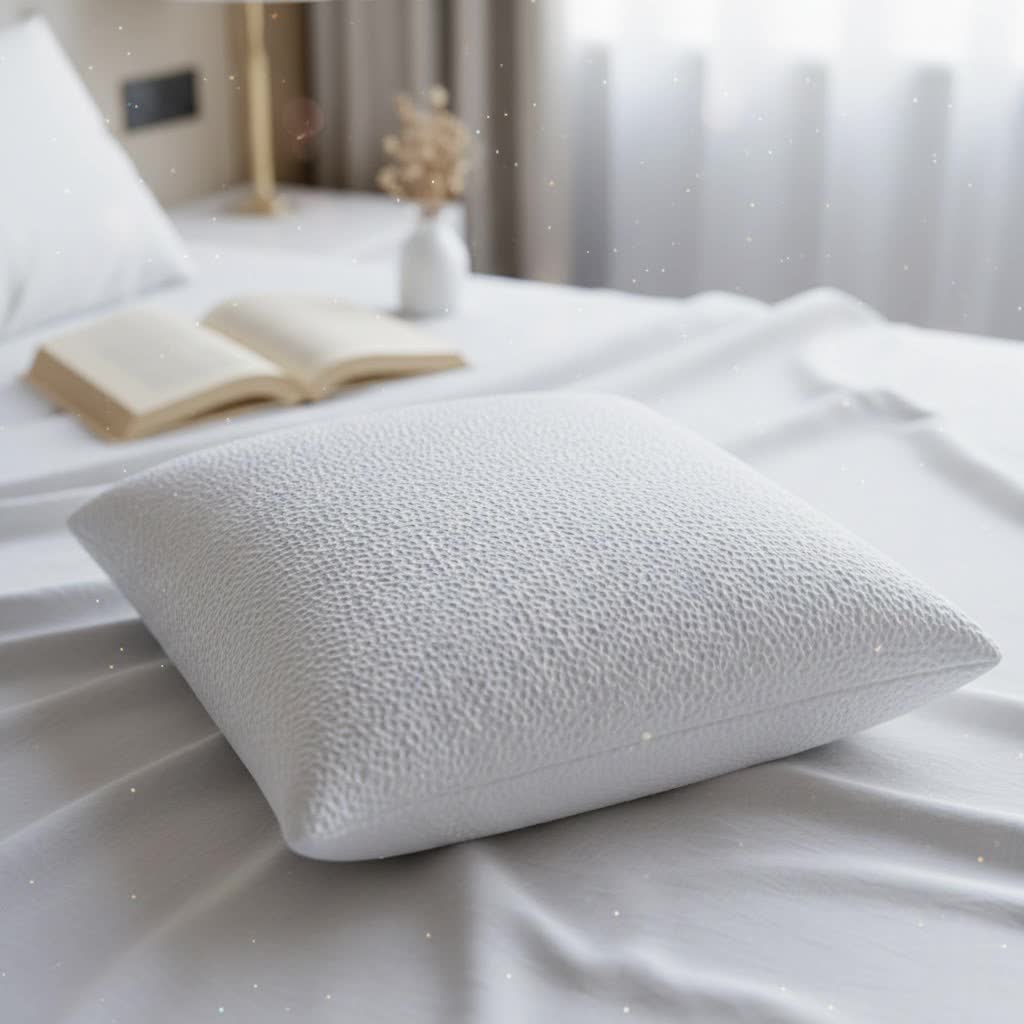
Do you often wake up with a stiff neck, persistent shoulder pain, or a nagging headache that just won’t go away? If so, your pillow might be the culprit. A quality Memory Foam Cervical Neck Pillow could be the essential upgrade your sleep—and your health—desperately needs. Designed to support the natural curve of your spine, these specialized pillows can transform restless nights into restorative slumber.
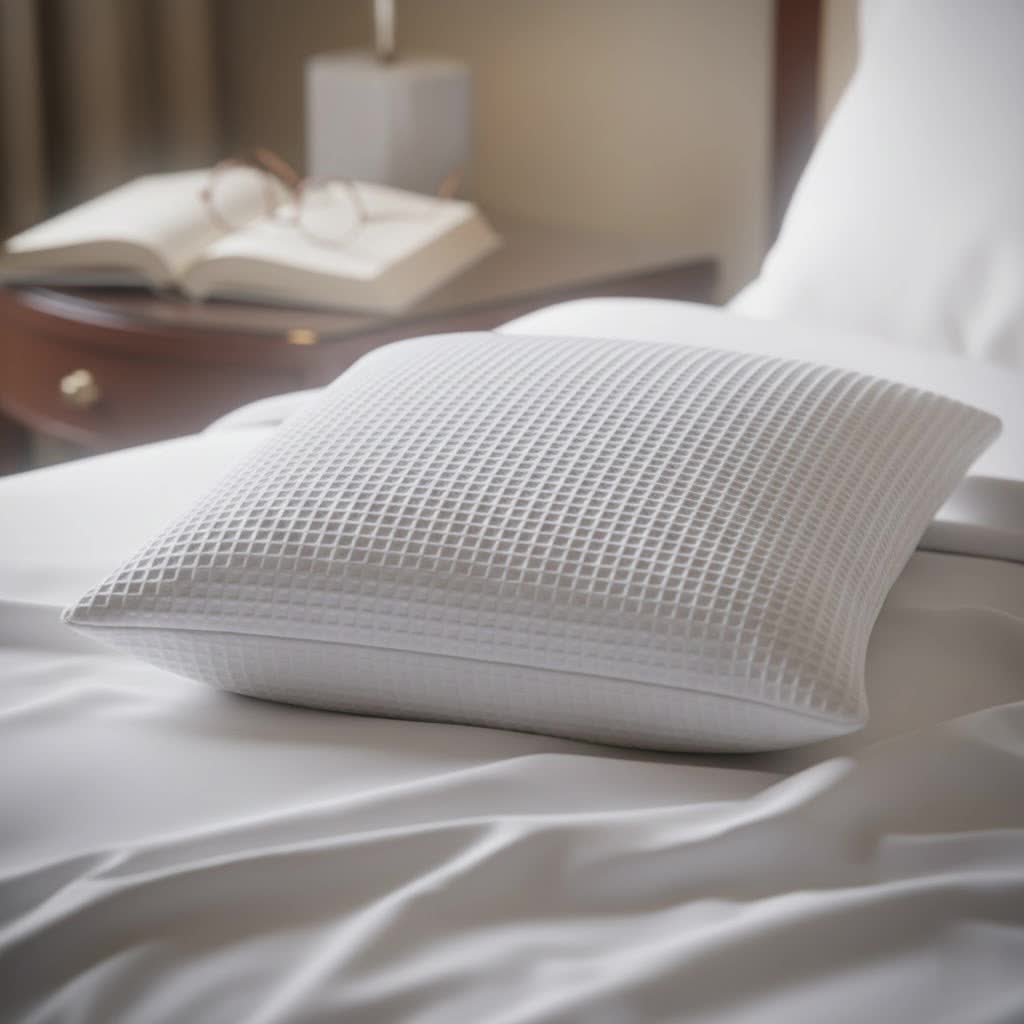
The Perfect Foam Pillow Choice: Your A-Z Guide
Choosing the right pillow is more than just a matter of comfort; it’s an investment in your well-being. A memory foam cervical neck pillow is specifically engineered to cradle your head and neck, promoting optimal spinal alignment and alleviating pressure points. This guide will walk you through everything you need to know to select the perfect pillow for your unique needs, ensuring you wake up refreshed and pain-free.
Understanding Popular Foam Pillow Types
The world of foam pillows extends beyond a single “memory foam” label. While memory foam is central to cervical pillows, understanding the nuances of different foam types and pillow constructions can help you make an informed decision.
- Memory Foam (Viscoelastic Foam): This is the star material for cervical pillows. Known for its ability to contour precisely to the shape of your head and neck in response to heat and pressure, memory foam provides personalized support and pressure relief. It excels at maintaining spinal alignment and reducing stress on sensitive areas, minimizing morning stiffness. The viscoelastic nature means it slowly returns to its original shape, offering consistent support night after night.
- Gel-Infused Foam: Memory foam can sometimes retain heat. Gel-infused foam addresses this by incorporating cooling gel particles or layers, which dissipate heat more effectively. This makes it an excellent choice for individuals who tend to sleep hot or live in warmer climates, providing all the benefits of memory foam with added temperature regulation.
- Shredded Foam: Unlike solid memory foam, shredded foam pillows contain small pieces of memory foam that can be adjusted and molded. This offers greater breathability and customizability, allowing you to manipulate the pillow’s loft and firmness to suit your preference. Often, shredded foam is mixed with other fibers for a plushier, more adaptable feel.
- Latex Foam: While distinct from memory foam, latex foam is another popular material for supportive pillows. It offers a more responsive, bouncy feel than memory foam and is naturally hypoallergenic and durable. While a traditional latex pillow doesn’t conform as closely as memory foam, some cervical designs may incorporate latex for a firmer, more resilient support.
- Polyurethane Foam: This is a broad category of foam that serves as the base for many types of pillows, including memory foam. Standard polyurethane foam is typically less dense and responsive than memory foam, offering basic cushioning. For cervical support, however, the specific viscoelastic properties of memory foam are generally preferred for their contouring abilities.
Detailed Comparison of Foam Characteristics
| Feature | Memory Foam Cervical Pillow | Shredded Memory Foam Pillow | Gel-Infused Memory Foam Pillow |
|---|---|---|---|
| Support & Contour | Excellent, molds to neck and head for precise alignment | Good, offers adjustable support | Excellent, same as standard memory foam |
| Breathability | Can retain heat; some designs have airflow channels | Better due to air circulation between foam pieces | Improved cooling due to gel particles/layers |
| Pressure Relief | Superior, evenly distributes weight and alleviates pressure | Good, can be adjusted for targeted pressure relief | Superior, same as standard memory foam |
| Durability | High, retains shape over time | High, individual pieces maintain integrity | High, gel integration typically doesn’t compromise lifespan |
| Adjustability | Fixed shape; some offer removable inserts for loft adjustment | Highly adjustable, can add/remove fill for custom loft/firmness | Fixed shape; some offer removable inserts |
| Best For | Neck pain, spinal alignment, consistent support | Those who prefer customizable feel, sleep hot | Hot sleepers, those needing consistent support |
Essential Factors When Selecting Your Foam Pillow
Choosing the ideal memory foam cervical neck pillow involves considering several personal factors to ensure it provides the specific support you need for optimal sleep and neck health.
- Pillow Loft (Height) and Firmness: The right loft is crucial for maintaining proper spinal alignment. For side sleepers, a higher loft is often needed to bridge the gap between your shoulder and neck, keeping your head level. Back sleepers typically benefit from a medium loft that supports the natural curve of the neck without pushing the head too far forward. Stomach sleepers generally require a very low loft or even no pillow to prevent neck hyperextension, though cervical pillows are less commonly recommended for this position. A medium-firm pillow is generally advised for cervical support, offering a balance between cushioning and sturdy alignment.
- Pillow Size: Most cervical pillows come in standard, queen, or king sizes, but it’s the profile (height and depth) that truly matters for neck support. Ensure the pillow fits comfortably within your bed frame and aligns with your body size.
- Pillow Shape: This is where cervical pillows truly distinguish themselves.
- Contour Pillows: These are the most common, featuring a raised edge that cradles the neck and a shallower dip for the head. This ergonomic design maintains the natural curve of the cervical spine.
- Butterfly or Irregular Shapes: Some cervical pillows feature more complex, winged designs that offer additional support for the shoulders or allow for comfortable arm placement, particularly beneficial for side sleepers.
- Traditional-Looking Memory Foam: While offering memory foam benefits, these lack the specific contouring of cervical designs and may not provide targeted neck support.
- Pillow Cover Material: The cover plays a significant role in comfort and hygiene. Look for breathable, soft fabrics like bamboo, Tencel, or cotton blends that promote airflow and help regulate temperature. A removable, washable cover is essential for maintaining cleanliness and extending the pillow’s lifespan.
- Safety Certifications: Always check for certifications like CertiPUR-US or OEKO-TEX. CertiPUR-US ensures that the foam is made without harmful chemicals, heavy metals, formaldehyde, and phthalates, and has low VOC (Volatile Organic Compound) emissions for indoor air quality. OEKO-TEX certifies that textiles are free from harmful substances.
Guidance for Purchasing Your Memory Foam Cervical Neck Pillow
Navigating the market for a new pillow can be overwhelming. Follow these steps to make a confident purchase that addresses your unique sleep needs.
- Identify Your Personal Needs: Start by understanding your sleeping habits. What is your primary sleeping position (back, side, stomach)? Do you suffer from chronic neck pain, stiffness, or headaches? Are you a hot sleeper? These factors will guide your choices in loft, firmness, and cooling features. For instance, “Side sleepers often benefit from a higher loft pillow that fills the space between the neck and shoulders, keeping the spine aligned.”
- Review Specifications and Product Descriptions: Pay close attention to the pillow’s dimensions, loft options, firmness rating, and material composition. Look for detailed information about the memory foam’s density and any added features like cooling gels or adjustable layers.
- Choose Reputable Retailers: Purchase from established brands or retailers with transparent return and warranty policies. This provides peace of mind and recourse if the pillow doesn’t meet your expectations.
- Consider Trial Periods: Many companies offer sleep trial periods, allowing you to test the pillow at home for a designated time. This is invaluable, as it takes a few nights to truly adjust to a new pillow and assess its long-term comfort and support.
- Seek Professional Advice for Chronic Pain: If you experience chronic or severe neck pain, it is always best to consult with a doctor or physiotherapist. They can provide personalized recommendations for the ideal pillow size and shape based on your specific condition and needs.
Maintaining and Cleaning Your Foam Pillow
Proper care extends the life of your memory foam cervical neck pillow and maintains its hygienic integrity.
- Regular Cleaning of Pillow Covers: Most memory foam pillows come with a removable, washable cover. Follow the manufacturer’s instructions, but typically, these can be machine-washed in cold water on a gentle cycle and tumble-dried on low heat or air-dried.
- Spot Cleaning the Foam: Memory foam itself is usually not machine washable. For spills or stains, spot clean with a mild detergent and water. Gently blot the area with a damp cloth, being careful not to saturate the foam. Allow it to air dry completely in a well-ventilated area, away from direct sunlight, before replacing the cover.
- Odor Removal: Memory foam can sometimes have a “new foam” smell (off-gassing). Airing out the pillow in a well-ventilated room for a few days before use can help. For persistent odors, sprinkle baking soda over the foam, let it sit for a few hours, then vacuum it off.
- Protecting Your Pillow: Use a pillow protector under your pillowcase to guard against dust mites, allergens, and spills. This adds an extra layer of defense and helps keep your pillow fresh.
- Storage: When not in use, store your memory foam pillow in a cool, dry place. Avoid compressing it for extended periods, as this can affect its shape and support.
“The key is to find a pillow that will maintain your neck in a neutral position. Meaning, in line [with your spine] and not overly flexed in any direction.” – Nicholas Anastasio, MD, Board-Certified Physician
Conclusion
Investing in a memory foam cervical neck pillow is a proactive step towards achieving restorative sleep and alleviating neck pain. By understanding the distinct features of memory foam, considering factors like loft and firmness, and adhering to proper care, you can choose a pillow that perfectly aligns with your body’s needs. These specialized pillows are more than just a place to rest your head; they are a vital tool for maintaining spinal health and ensuring you wake up feeling refreshed and ready to tackle the day. Are you ready to discover the profound difference the right pillow can make in your life?
Frequently Asked Questions
What is the primary benefit of a memory foam cervical neck pillow?
The primary benefit is superior support and alignment for your head, neck, and spine, which significantly reduces pressure points and alleviates chronic neck and shoulder pain. Studies indicate that 80% of individuals with chronic neck pain experienced relief with ergonomic pillows.
How do I know what loft (height) is right for my sleeping position?
Generally, side sleepers require a higher loft to fill the space between the shoulder and neck, while back sleepers need a medium loft to maintain the natural curve of the cervical spine. Stomach sleepers typically need a very low loft pillow.
Can a memory foam cervical pillow help with snoring?
Yes, by promoting proper spinal alignment, a cervical pillow can help keep your airways more open, potentially reducing snoring and improving overall breathing during sleep.
How long does a memory foam cervical neck pillow typically last?
With proper care, a high-quality memory foam cervical neck pillow can last for several years (typically 3-5 years) while maintaining its shape and supportive properties. Checking for CertiPUR-US certification ensures material quality and longevity.