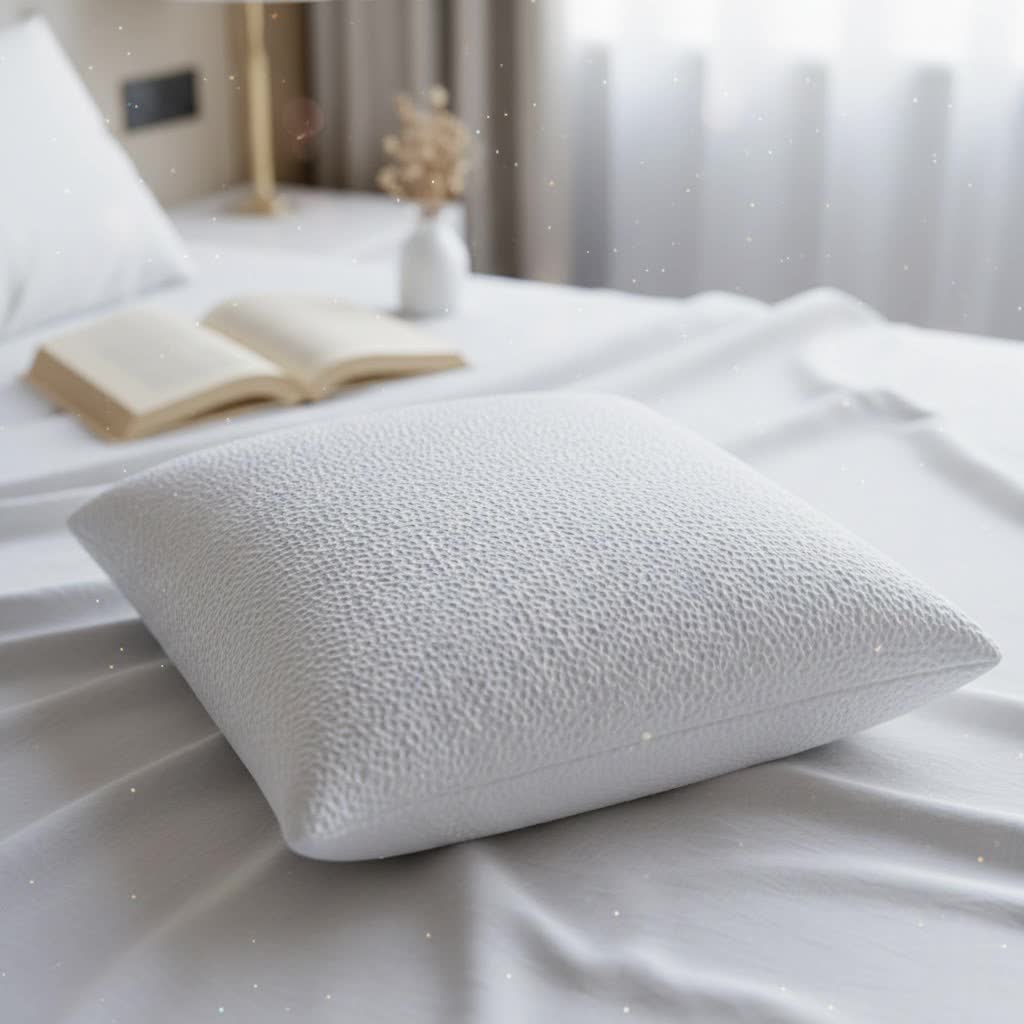
Back pain is a pervasive issue, affecting millions worldwide and significantly disrupting sleep quality and daily life. The relentless ache can turn a peaceful night into a struggle, leaving you tired and irritable. While the causes of back pain are varied, your sleep environment—especially your pillow—plays a critical role. For many, a memory foam pillow can offer a pathway to relief, providing the specialized support needed to alleviate discomfort. This comprehensive guide will explore how memory foam pillows can address back pain, what to look for, and how to choose the ideal one to foster a restorative night’s sleep and better spinal health.
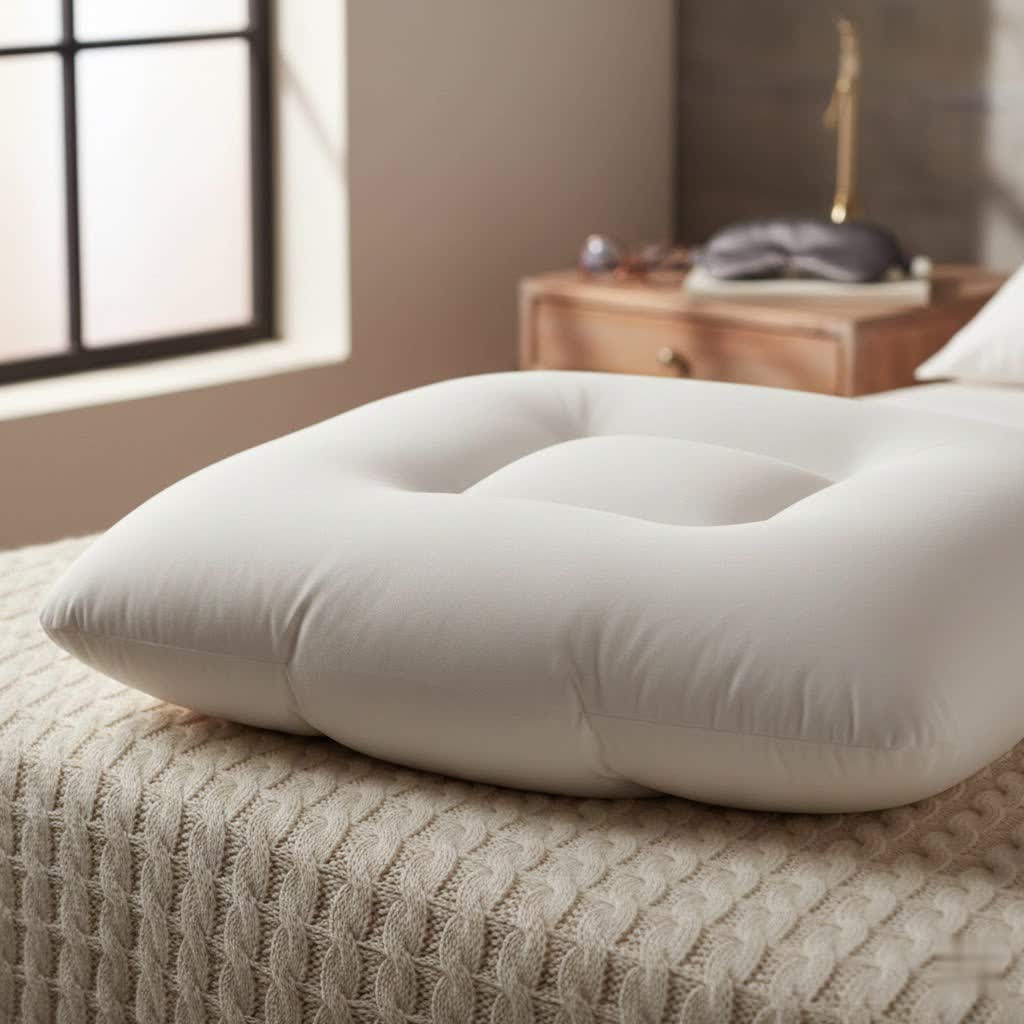
Choosing the Perfect Foam Pillow for Back Pain: A Comprehensive Guide
Understanding the different types of foam and their specific characteristics is the first step in finding the right pillow to combat back pain. Each foam type offers unique benefits that can either enhance or detract from your sleep experience, particularly concerning spinal alignment and pressure relief.
Types of Foam Pillows and Their Suitability for Back Pain
- Memory Foam:
- Advantages for Back Pain: Memory foam, or viscoelastic foam, excels at conforming precisely to the contours of your head and neck, offering personalized support. This unique property helps maintain natural spinal alignment from the cervical (neck) to the lumbar (lower back) regions, reducing uneven pressure distribution. By cradling your curves, it minimizes strain on muscles and ligaments, promoting relaxation and reducing chronic pain.
- Disadvantages: Traditional memory foam can sometimes retain heat, which might be uncomfortable for hot sleepers. Some new pillows may also have an initial “off-gassing” odor, though this typically dissipates quickly.
- Best for: Back sleepers, side sleepers requiring firm yet conforming support, and individuals experiencing upper back and neck pain due to its excellent contouring capabilities.
- Latex Foam:
- Advantages: Latex foam is highly responsive, durable, and often naturally hypoallergenic. It provides a supportive yet slightly springier feel compared to memory foam, quickly bouncing back to its original shape. Many experts recommend latex foam for back pain due to its contouring and supportive nature, which cradles the spine and reduces pressure points.
- Disadvantages: Latex pillows can be heavier and more expensive than other foam types. Their distinct responsive feel isn’t for everyone.
- Comparison with Memory Foam for Back Pain: While both offer excellent support, memory foam provides a more conforming, “sinking in” cradle, whereas latex offers a more responsive, “on top of” feel. Latex generally excels at breathability, making it a better choice for sleepers prone to overheating.
- Polyurethane Foam (Standard Foam):
- Advantages: This is a common and often more affordable foam option. It’s lightweight and readily available.
- Disadvantages: Standard polyurethane foam typically lacks the dense, conforming properties of memory foam or the responsiveness of latex. It tends to sag and lose support much faster, making it less ideal for alleviating significant back pain or maintaining long-term spinal alignment.
- Gel-Infused Foam:
- Cooling Effect: This is essentially memory foam infused with cooling gel beads or layers. It directly addresses the heat retention issue of traditional memory foam by promoting airflow and dissipating heat.
- Suitability for Back Pain: Gel-infused foam combines the pressure-relieving and spinal alignment benefits of memory foam with enhanced temperature regulation, making it an excellent choice for those who need support but also tend to sleep hot.
- Shredded Foam:
- Advantages: Shredded foam pillows, often made from shredded memory foam or a blend, offer adjustable loft. You can remove or add filling to customize the pillow’s height and firmness, making it highly adaptable. This adjustability also contributes to better airflow compared to solid foam blocks.
- Suitability for Back Pain: The customizable nature of shredded foam allows for precise spinal alignment, catering to various sleep positions and individual preferences for firmness and loft. Its breathability can also enhance comfort.
|
Our Picks for the Best Foam Pillow in 2026
We may earn a commission when you use one of our links to make a purchase.
|
||
| Num | Product | Action |
|---|---|---|
| 1 | Ultra Pain Relief Cooling Pillow for Neck Support, Adjustable Cervical Pillow Cozy Sleeping, Odorless Ergonomic Contour Memory Foam Pillows, Orthopedic Bed Pillow for Side Back Stomach Sleeper |

|
| 2 | QUTOOL Enhanced Cooling Pillows Queen Size Set of 2,CertiPUR-US Shredded Memory Foam Pillows 2 Pack for Hot Sleeper, Adjustable Bed Pillow for Side, Back, Stomach Sleepers Support Yet Soft, Home Gifts |
|
| 3 | Memory Foam Pillows Neck Pillow Bed Pillow for Sleeping Ergonomic Cervical Contour Pillow for Side Back Stomach Sleeper for Neck and Shoulder Pain |
|
| 4 | Ultra Pain Relief Cooling Pillow for Neck Support, Adjustable Cervical Pillow Cozy Sleeping, Odorless Ergonomic Contour Memory Foam Pillows, Orthopedic Bed Pillow for Side Back Stomach Sleeper |
|
| 5 | QUTOOL Cooling Pillow for Sleeping 2 Pack, Luxury Shredded Memory Foam Bed Queen Pillows Set of 2, Cool Pillow for Hot Sleepers Adjustable Firm Pillow for Side, Back, Stomach Sleepers Soft Yet Support |
|
| 6 | Memory Foam Pillows Neck Pillow Bed Pillow for Sleeping Ergonomic Cervical Pillow Orthopedic Contour Pillow for Side Back Stomach Sleeper |
|
| 7 | Cube Pillow for Side Sleeper with Firm Layer, Cooling Memory Foam Pillows with Two Side Four Types of Softness for Neck and Shoulder Pain, King or Queen 24"x12"x5" |
|
| 8 | Cooling Gel Memory Foam Pillow - 1-Pack - Standard Size Bed Pillows For Sleeping - Medium-Firm - Back, Stomach and Side Sleeper Pillow - Shoulder & Back Pain Relief - Washable , Bamboo Viscose Cover |
|
| 9 | Cooling Pillows for Sleeping, Shredded Memory Foam Cooling Pillow for Hot Sleepers, Adjustable Cool Bed Pillows for Side Back Stomach Sleepers(Queen) |
|
| 10 | Ultra Pain Relief Cooling Pillow for Neck Support, Adjustable Cervical Pillow Cozy Sleeping, Odorless Ergonomic Contour Memory Foam Pillows, Orthopedic Bed Pillow for Side Back Stomach Sleeper |
|
Detailed Comparison of Foam Types for Back Pain Relief
Choosing the right pillow for back pain often comes down to a careful comparison of material properties. Here’s how the popular foam types stack up:
| Feature | Memory Foam | Latex Foam | Polyurethane Foam | Gel-Infused Foam | Shredded Foam |
|---|---|---|---|---|---|
| Durability | High; maintains shape over time | Very High; highly resilient | Low to Medium; prone to sagging | High; similar to memory foam | Medium to High; depends on fill quality |
| Responsiveness | Slow contouring; cradles deeply | High; quick bounce back | Low; less supportive | Slow contouring with added responsiveness | Medium; adjustable by fill volume |
| Breathability | Low to Medium; can retain heat | High; naturally airy | Medium | Medium to High; enhanced cooling | High; excellent airflow due to shredded fill |
| Cost | Medium to High | High | Low | Medium to High | Medium |
| Back Pain Suitability | Excellent; pressure relief, spinal alignment | Excellent; responsive support, alignment | Poor; insufficient support | Excellent; combines support with cooling | Excellent; customizable alignment, airflow |
Analysis: For chronic back pain, memory foam and latex foam generally stand out due to their superior support and pressure-relieving capabilities. Latex offers a more responsive feel and better breathability, which can be crucial for hot sleepers. Memory foam provides a deeper, conforming cradle that some find more comforting. Gel-infused options mitigate memory foam’s heat issue, while shredded foam offers unparalleled customization, allowing you to fine-tune your support for optimal spinal alignment, regardless of your sleep position. Standard polyurethane foam is typically not recommended for significant back pain relief due to its lack of durable support.
Key Factors When Selecting a Memory Foam Pillow for Back Pain
Selecting the right memory foam pillow is more than just picking a comfortable material; it involves understanding several critical factors that impact spinal health and sleep quality.
- Pillow Loft (Height) and Firmness: These are paramount for maintaining neutral spinal alignment.
- Back Sleepers: Generally benefit from a medium-loft pillow that cradles the natural curve of the neck without tilting the head too far forward or back. A medium firmness provides support without being overly rigid. Additionally, placing a small pillow or bolster under the knees can maintain a gentle bend, taking pressure off the lumbar spine.
- Side Sleepers: Typically require a medium to high-loft pillow with firmer support to fill the space between the shoulder and head, keeping the spine straight. An additional pillow placed between the knees can help keep the hips level and reduce twisting stress on the lower back.
- Stomach Sleepers: This position inherently strains the neck and lower back. If you prefer this position, use the thinnest, softest pillow possible, or consider transitioning to side or back sleeping for better spinal health.
- Pillow Size: Standard, Queen, or King sizes mostly relate to mattress size and personal preference for space. Ensure the pillow comfortably fits your sleep area and offers adequate head and neck support without slipping off.
- Pillow Shape:
- Traditional: Rectangular pillows offer basic support.
- Contour (Cervical): These are often ergonomically shaped with a dip in the center and raised edges to specifically support the neck’s natural curve, promoting optimal spinal alignment. This shape is frequently recommended for those with neck and upper back pain.
- Wedge Pillows: While not typically placed under the head for primary support, wedge pillows can be used to elevate the upper body (beneficial for acid reflux or snoring) or specifically under the lower back, legs, or knees to provide lumbar support and reduce pressure on the spine.
- Pillow Cover: The cover material should be breathable, soft, and easy to clean. Look for materials like bamboo, cotton, or Tencel, which wick moisture and promote airflow, enhancing overall sleep comfort. Many covers are machine washable for convenient maintenance.
- Safety Certifications: Look for certifications like CertiPUR-US or OEKO-TEX. These indicate that the foam has been tested for harmful substances and volatile organic compounds (VOCs), ensuring a healthier sleep environment and minimizing potential off-gassing.
“Maintaining a neutral spinal alignment throughout the night is paramount for back pain relief, and the right memory foam pillow can make all the difference in achieving that.” – Dr. Alex Chen, Orthopedic Sleep Specialist
How to Buy a Memory Foam Pillow for Back Pain
Purchasing a Memory Foam Pillow For Back Pain relief requires a thoughtful approach. It’s an investment in your health and sleep quality.
- Identify Personal Needs: Start by understanding your primary sleep posture (back, side, or stomach) and any specific health concerns, such as existing neck pain, upper back discomfort, or sciatica. This will guide your choices regarding loft, firmness, and pillow shape.
- Read Technical Specifications and Customer Reviews: Pay close attention to descriptions of foam density, firmness levels, and whether the pillow is designed for specific sleep positions. Read reviews, particularly those from individuals who share similar back pain issues or sleep styles, to gain real-world insights into the pillow’s effectiveness.
- Purchase from Reputable Retailers: Buy from stores or online platforms known for quality products and excellent customer service. This ensures you’re getting an authentic product and have recourse if issues arise.
- Look for Trial Periods and Clear Return Policies: Since pillow comfort is highly personal, a generous trial period (e.g., 30-100 nights) allows you to test the pillow in your own sleep environment. Ensure there’s a clear and easy return or exchange policy if the pillow doesn’t meet your needs.
- Consider the Warranty: A good warranty (typically 3-5 years or more) indicates the manufacturer’s confidence in the product’s durability and quality, protecting your investment against defects.
Cleaning and Maintenance of Memory Foam Pillows
Proper care extends the life of your memory foam pillow and maintains its hygienic properties, ensuring continued support for your back.
- Regular Cleaning: Most memory foam pillows cannot be machine washed or submerged in water as this can damage the foam structure. Instead, focus on cleaning the removable pillow cover regularly according to its care label (usually machine washable). For the foam core itself, spot cleaning is generally recommended.
- Removing Stains and Odors:
- Spot Cleaning: For small stains, gently dab the area with a mild detergent solution (like diluted soap) and a damp cloth. Avoid saturating the foam. Rinse by dabbing with a clean, damp cloth.
- Odor Removal: Memory foam can sometimes develop odors. Sprinkle baking soda over the pillow, let it sit for several hours (or overnight), then vacuum it off. Airing the pillow out in a well-ventilated area, away from direct sunlight, can also help.
- Proper Storage: To prevent deformation, avoid folding or scrunching your memory foam pillow when storing it. Keep it in a dry, cool place away from direct sunlight, which can degrade the foam over time. If not in use, a breathable storage bag can protect it from dust and allergens.
Conclusion
Navigating the world of memory foam pillows for back pain can feel overwhelming, but by understanding the nuances of different foam types and key factors like loft, firmness, and shape, you can make an informed decision. The right memory foam pillow is more than just a sleeping accessory; it’s a vital tool for achieving optimal spinal alignment, alleviating pressure points, and ultimately fostering a truly restorative night’s sleep. Taking the time to evaluate your personal sleep needs, research product specifications, and consider trial periods will empower you to choose a pillow that genuinely supports your journey toward a pain-free and healthier tomorrow. Are you ready to transform your sleep and say goodbye to nagging back pain?
Frequently Asked Questions
Is memory foam good for lower back pain?
While memory foam pillows primarily support the head and neck, they indirectly aid lower back pain by promoting overall spinal alignment. When your head and neck are properly aligned, the entire spine, including the lower back, can rest in a neutral, relaxed position, reducing strain and discomfort. Lumbar support pillows or wedge pillows, also often made of memory foam, are specifically designed to be placed under the lower back or knees to directly alleviate lower back pressure.
How firm should a memory foam pillow be for back pain?
The ideal firmness depends largely on your sleep position and personal preference. Generally, a medium to firm memory foam pillow is recommended for back and side sleepers with back pain. This level of firmness provides sufficient support to keep the head and neck aligned with the spine without allowing the head to sink too deeply, which could disrupt alignment. Stomach sleepers, if they use a pillow at all, should opt for a much softer, thinner option.
Can a bad pillow cause back pain?
Absolutely. A pillow that is too soft, too firm, too high, or too flat can severely disrupt your spinal alignment. This misalignment places undue stress on the muscles, ligaments, and discs in your neck and upper back, which can cascade down to cause or worsen lower back pain. Over time, poor pillow support can lead to chronic discomfort, stiffness, and disrupted sleep.
How long do memory foam pillows last?
The lifespan of a memory foam pillow typically ranges from 2 to 5 years, depending on the quality of the foam, how often it’s used, and how well it’s maintained. High-density memory foam generally lasts longer. You’ll know it’s time to replace your pillow when it no longer provides adequate support, begins to flatten, develops permanent indentations, or causes you to wake up with pain or stiffness.
What’s the best sleep position for back pain?
Sleeping on your back or side is generally recommended for individuals with back pain. When sleeping on your back, place a pillow under your head that supports the natural curve of your neck, and a small pillow or bolster under your knees to maintain the lumbar curve. For side sleepers, a pillow of appropriate loft between your head and shoulder is crucial, and placing a pillow between your knees helps keep your hips and spine aligned, reducing rotational strain on the lower back. Stomach sleeping is generally discouraged as it can strain the neck and back.