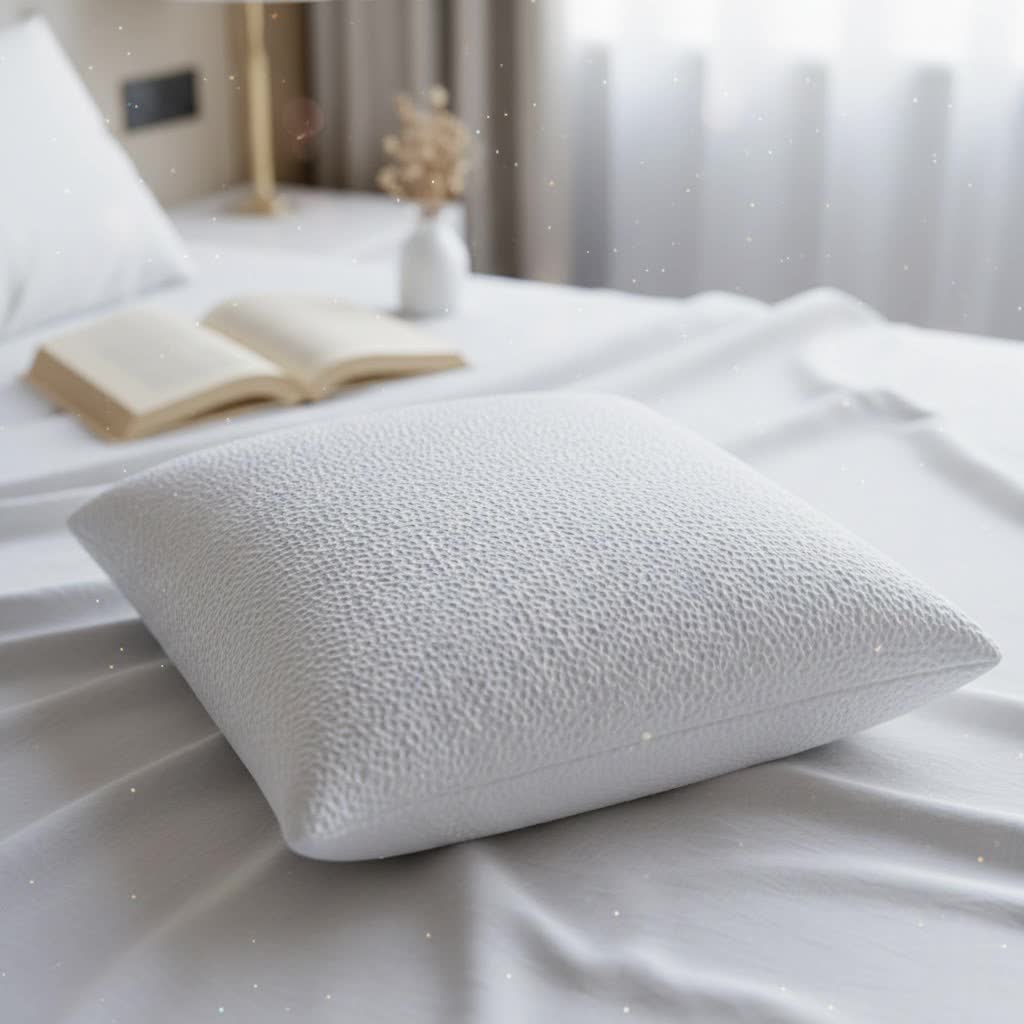
Waking up with a stiff, aching neck is a frustrating and all-too-common experience, sabotaging your day before it even begins. It’s often a clear signal that your pillow isn’t providing the necessary support for your spine, leading to discomfort and restless nights. For many, a memory foam pillow offers a revolutionary solution, meticulously engineered to cradle your unique contours and alleviate the relentless grip of neck pain. This comprehensive guide will navigate the intricate world of memory foam pillows, helping you understand their benefits, identify the critical features, and confidently select the perfect companion for truly restorative sleep and lasting neck pain relief.
Understanding the Landscape of Foam Pillows
The journey to finding the ideal pillow for neck pain often begins with understanding the materials that make up these sleep essentials. While memory foam stands out for its unique properties, it’s beneficial to know how it compares to other common foam types.
Types of Foam Pillows: Beyond Just Memory Foam
-
Memory Foam (Viscoelastic Polyurethane Foam): Originally developed by NASA, memory foam is renowned for its ability to soften and conform to your body in response to heat and pressure. This unique “viscoelastic” property allows it to mold precisely to the curves of your head and neck, distributing weight evenly and relieving pressure points.
- Pros: Exceptional contouring and personalized support, effective pressure point relief, consistent support that maintains spinal alignment throughout the night, and excellent motion absorption.
- Cons: Can sometimes retain body heat, may have an initial “off-gassing” odor, and can feel too firm or too soft if not chosen with the right density and loft.
- Who it’s for: Ideal for back and side sleepers who need tailored support, as well as individuals suffering from chronic neck pain, stiffness, or specific orthopedic conditions.
-
Latex Foam: Derived from the sap of rubber trees (natural latex) or synthetically produced, latex foam offers a different feel compared to memory foam.
- Pros: Highly responsive and resilient with a buoyant, springy feel, naturally cooler and more breathable than traditional memory foam, inherently hypoallergenic and resistant to dust mites and mold, and exceptionally durable with a long lifespan.
- Cons: Often pricier than memory foam, its distinctive bouncy feel isn’t preferred by everyone, and it can be heavier than other pillow types.
- Comparison with Memory Foam: Latex generally offers more bounce and responsiveness, while memory foam provides a deeper, cradling sensation. Latex tends to be cooler and more breathable naturally, whereas memory foam often requires cooling technologies like gel infusion.
-
Polyurethane Foam (Conventional Foam): This is the base material from which memory foam is derived, but without the added chemicals that give memory foam its viscoelastic properties.
- Pros: Typically very affordable, lightweight, and widely available in various firmness levels.
- Cons: Offers less targeted support and contouring compared to memory foam or latex, tends to degrade and lose its shape faster, and provides minimal pressure relief.
- Applications: Often used as a basic filler in less expensive pillows or as a core layer in some mattresses. It is generally not recommended for individuals seeking specific relief for neck pain due to its limited supportive qualities.
-
Gel-Infused Foam: This type of pillow incorporates cooling gel beads, particles, or layers into memory foam.
- Pros: Specifically designed to combat the common issue of memory foam retaining heat, providing a cooler sleep surface and enhanced airflow.
- Cons: While cooler, it might still feel warm to extremely hot sleepers, and the gel can sometimes make the foam feel slightly firmer.
- Who it’s for: Perfect for those who love the supportive benefits of memory foam but tend to sleep hot.
-
Shredded Foam: Rather than a solid block, these pillows are filled with shredded pieces of memory foam, often blended with other materials like kapok or down alternative.
- Pros: Highly adjustable, allowing you to add or remove fill to customize the loft and firmness to your exact preference, and the shredded nature promotes better airflow and breathability than a solid block.
- Cons: The fill can sometimes shift and require frequent fluffing to maintain shape, and the adjustment process can be a bit messy.
- Who it’s for: Excellent for combination sleepers or anyone who needs highly customizable support to fine-tune their pillow’s height and feel.
Detailed Comparison of Foam Types
Choosing between foam types hinges on your individual needs for support, comfort, and temperature regulation. Here’s a comparative overview:
| Feature | Memory Foam | Latex Foam | Polyurethane Foam | Gel-Infused Foam | Shredded Foam |
|---|---|---|---|---|---|
| Durability | High | Very High | Low to Medium | High | Medium to High (depends on fill) |
| Elasticity | Low (slow response, cradling) | High (bouncy, responsive) | Medium (quick spring back) | Low (slow response, cradling) | Adjustable |
| Breathability | Low (can retain heat, often needs cooling tech) | High (naturally breathable, good airflow) | Medium | Medium to High (with cooling properties) | High (airflow between shreds) |
| Price | Medium to High | High | Low | Medium to High | Medium |
| Pressure Relief | Excellent (contours closely) | Excellent (supportive without sinking) | Fair | Excellent (contours closely with cooling) | Excellent (customizable contouring) |
| Contour | High (molds to shape) | Medium to High (adapts, but with more bounce) | Low | High (molds to shape) | High (customizable molding) |
For targeted neck pain relief, memory foam and latex foam generally offer the most effective support and pressure relief. Gel-infused options are great for hot sleepers, while shredded foam provides unparalleled customization.
Key Factors When Choosing Your Memory Foam Pillow for Neck Pain
Selecting the right memory foam pillow is a highly personal decision, influenced by your sleep habits and physical needs. Paying attention to these key factors will significantly impact your comfort and neck health.
Loft (Pillow Height) and Firmness
The correct loft and firmness are paramount for maintaining optimal spinal alignment, which is critical for alleviating neck pain. Your pillow should fill the gap between your head and shoulders, ensuring your neck isn’t strained forward or dropped backward.
- Back Sleepers: Typically require a medium-loft pillow with a medium-firmness. A contour or cervical pillow often works well by supporting the natural C-curve of your neck without propping your head too high.
- Side Sleepers: Need a higher loft and a firm to medium-firm pillow. This helps keep your head aligned with your spine, filling the greater gap created by your shoulder width. Look for pillows that are thick enough to prevent your head from sinking down.
- Stomach Sleepers: Generally, stomach sleeping is not recommended for neck pain as it forces the neck into an unnatural twisted position. If you must sleep on your stomach, opt for a very low-loft or even flat pillow to minimize strain.
- Adjustable Pillows: Pillows with removable fill or adjustable internal structures are excellent choices as they allow you to experiment and find the “just right” loft and firmness level for your unique body and sleep position.
Pillow Size and Shape
Beyond standard rectangular pillows, ergonomic designs are specifically crafted to support the cervical spine.
- Traditional: Standard, Queen, and King sizes are common. While a traditional shape can work, specialized shapes often provide better orthopedic support.
- Contour Pillows: These are the wavy-shaped pillows with a raised edge for neck support and a dip for the head. They are often referred to as cervical or orthopedic pillows. This shape helps maintain the natural lordotic curve of the neck.
- D-Core Pillows: Feature a D-shaped indentation in the middle for your head, offering solid neck support.
- Butterfly or Ergonomic Shapes: Designed to accommodate various sleep positions, often with cutouts for shoulders, particularly beneficial for side sleepers.
Pillow Cover Material
The cover material plays a significant role in breathability and overall sleep hygiene.
- Breathable Fabrics: Look for covers made from materials like bamboo, Tencel lyocell, or organic cotton. These materials are known for their moisture-wicking and cooling properties, counteracting memory foam’s tendency to retain heat.
- Ease of Cleaning: A removable, machine-washable cover is a must for convenient maintenance and hygiene.
Safety Certifications
Your pillow is where you spend a third of your life, so ensuring it’s free from harmful substances is crucial.
- CertiPUR-US: This certification ensures that the foam in your pillow has been tested and certified to meet rigorous standards for emissions, content, performance, and durability. It means the foam is made without ozone depleters, PBDEs, mercury, lead, heavy metals, formaldehyde, and phthalates regulated by the Consumer Product Safety Commission.
- OEKO-TEX: This certification guarantees that every component of the textile product, from the fabric to the thread, has been tested for harmful substances and is therefore harmless for human health.
Top Features to Look for in Memory Foam Pillows for Neck Pain
While specific brand recommendations are subjective, top-rated memory foam pillows for neck pain commonly share several key features:
- Ergonomic Design: Pillows with a contoured, cervical, or orthopedic shape are often most effective. These designs are engineered to support the natural curve of your neck, keeping your spine in neutral alignment.
- Adjustability: Whether through shredded fill, removable inserts, or unique internal structures, adjustability allows you to customize the pillow’s loft and firmness to perfectly match your body and sleep position. This is especially beneficial for combination sleepers or those who are sensitive to pillow height.
- Cooling Technologies: To combat memory foam’s heat-retaining properties, look for features like gel infusion, open-cell foam construction for increased airflow, or breathable covers made from materials like GlacioTex or bamboo.
- High-Density Foam: Higher density memory foam tends to be more durable and provides more consistent support over time, preventing the pillow from flattening out prematurely.
- Pressure Relief: The primary benefit of memory foam for neck pain is its ability to conform and relieve pressure points around the head and neck, allowing muscles to relax.
Your Guide to Purchasing a Memory Foam Pillow
Making an informed decision about your pillow can be life-changing for your sleep quality and overall well-being.
-
Assess Personal Needs: Before you even start browsing, take stock of your personal sleep profile.
- Sleep Position: Are you a dedicated back, side, or stomach sleeper, or do you switch positions frequently? This heavily dictates the ideal loft and shape.
- Body Type: Your height, weight, and shoulder width (especially for side sleepers) influence the amount of loft and firmness you need.
- Severity of Neck Pain: Is your pain chronic, acute, or occasional? Do you have any underlying health conditions like cervical spondylosis or arthritis?
- Other Concerns: Do you sleep hot? Do you have allergies?
-
Review Product Specifications and User Feedback: Don’t rely solely on marketing claims. Dive deep into product descriptions for details on foam density, materials, and special features. Read expert reviews and user testimonials to get real-world insights into performance, durability, and comfort. Pay attention to comments regarding heat retention, initial odors, and how well the pillow maintains its shape.
-
Purchase from Reputable Retailers: Buy from stores or online retailers with transparent policies. Look for companies that offer:
- Trial Periods: Many reputable brands offer risk-free trial periods (e.g., 30 to 100 nights), allowing you to test the pillow in your own bed.
- Clear Return Policies: Understand the process for returns or exchanges if the pillow doesn’t meet your expectations.
- Warranties: A good warranty (e.g., 3-5 years) indicates the manufacturer’s confidence in their product’s durability.
-
Allow for an Adjustment Period: It’s common to experience a slight adjustment period when switching to a new orthopedic or memory foam pillow, especially if you’re transitioning from a traditional pillow. Give your body a few nights, or even a couple of weeks, to adapt to the new support and feel. Initial soreness can sometimes occur as your neck muscles adjust to proper alignment.
-
Consider Professional Advice: If your neck pain is severe, chronic, or stems from an injury, consult with a chiropractor, physical therapist, or orthopedic specialist. They can offer personalized recommendations based on your specific condition.
Cleaning and Maintaining Your Memory Foam Pillow
Proper care extends the life of your memory foam pillow and maintains its hygienic qualities, ensuring continued relief from neck pain.
- Regular Care: Always use a pillow protector beneath your pillowcase. This acts as an additional barrier against sweat, oils, and dust mites, keeping the foam cleaner. For shredded foam pillows, fluff them regularly (daily or every few days) to redistribute the fill and maintain loft and airflow.
- Spot Cleaning: Solid memory foam should generally not be immersed in water or machine washed, as this can damage the foam structure. For spills or stains, gently spot clean the affected area using a mild detergent mixed with water. Dab the stain with a clean cloth, avoiding saturation.
- Drying: After spot cleaning, gently press out excess moisture with a clean towel. Never put solid memory foam in a dryer as the high heat can cause it to break down. Air dry the pillow completely in a well-ventilated area, away from direct sunlight, which can also degrade the foam. This can take several hours to a few days depending on the humidity. Ensure it is absolutely dry before replacing the pillowcase to prevent mold or mildew growth.
- Washing Covers: Most memory foam pillow covers are removable and machine washable. Always check the care label for specific instructions, but typically, they can be washed in cold water on a gentle cycle and tumble dried on low heat or air dried.
- Longevity: Even with the best care, memory foam pillows have a lifespan. Solid memory foam pillows typically last 2-3 years, while shredded memory foam or latex pillows might last 3-5 years. When your pillow starts to lose its supportive qualities, feels lumpy, or no longer springs back, it’s time for a replacement.
“Investing in the right pillow is not a luxury, but a necessity for spinal health. A quality memory foam pillow, when chosen correctly, can be a cornerstone of effective neck pain management.” – Dr. Alana Jones, Chiropractic Specialist
Conclusion
Navigating the world of pillows for neck pain can feel overwhelming, but a well-chosen memory foam pillow offers a path to profound relief and significantly improved sleep quality. By understanding the unique properties of memory foam and considering crucial factors like loft, firmness, shape, and cooling features, you empower yourself to make an informed decision. Remember that personalized support and proper spinal alignment are your primary goals. Invest in a pillow designed to cater to your specific needs, and you’re not just buying a sleep accessory—you’re investing in your health, comfort, and the promise of waking up refreshed and pain-free. What changes will you make tonight to embrace truly restorative sleep?
Frequently Asked Questions
Is a memory foam pillow always good for neck pain?
No, a memory foam pillow is only effective for neck pain if it’s well-designed and suited to your individual needs. A poorly chosen pillow—one that’s too firm, too soft, or the wrong shape for your sleeping position—can exacerbate neck pain.
How long does it take to adjust to a new memory foam pillow?
While some people feel immediate relief, it can take a few nights, or even up to two weeks, for your body to fully adjust to a new memory foam pillow, especially if it’s an ergonomic or contoured design. Be patient as your neck muscles adapt to proper alignment.
Can a memory foam pillow make neck pain worse?
Yes, if a memory foam pillow doesn’t provide the correct loft and firmness for your sleep position and body type, it can force your neck into an unnatural angle, leading to increased strain and making neck pain worse. Choosing a pillow with adjustable features can mitigate this risk.
What’s the main difference between memory foam and latex pillows for neck pain?
Memory foam offers a deep, conforming cradle that slowly molds to your shape, ideal for pinpoint pressure relief. Latex foam provides a more responsive, buoyant support with natural breathability and durability, appealing to those who prefer a bouncier feel and a cooler sleep.
How often should I replace my memory foam pillow?
Generally, a solid memory foam pillow should be replaced every 2-3 years, while shredded foam or higher-quality latex pillows might last 3-5 years. Look for signs of flattening, lumpiness, or reduced support as indicators for replacement.
Can stomach sleepers use memory foam pillows for neck pain?
Stomach sleeping is generally not recommended for neck pain as it puts strain on the cervical spine. If you must sleep on your stomach, choose a very thin, low-loft memory foam pillow to keep your spine as neutral as possible. Back and side sleeping positions are typically better for neck health.