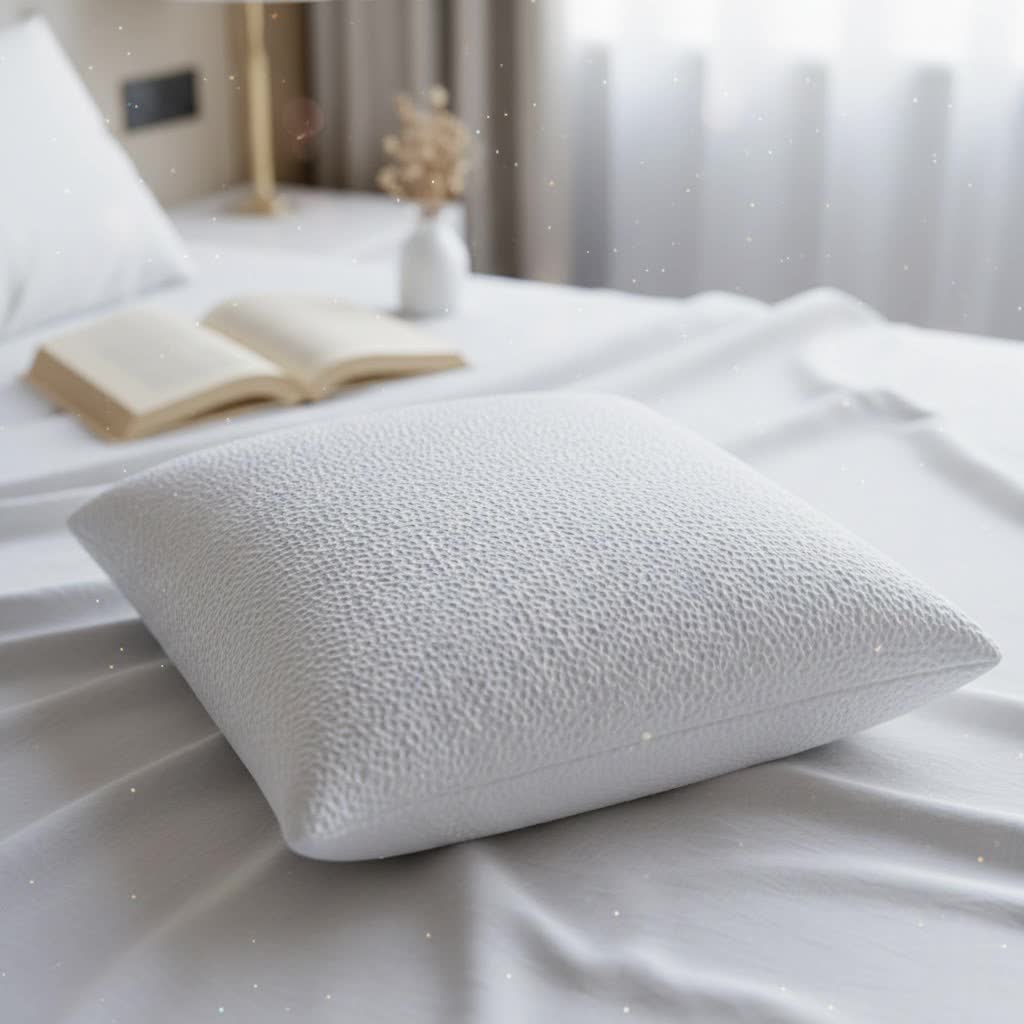
Waking up with a stiff neck, persistent back pain, or just a general sense of unease can significantly impact your day. If you’re tired of restless nights and discomfort, it might be time to consider an Orthopedic Memory Foam Pillow. These specialized pillows are engineered to provide targeted support, promote proper spinal alignment, and cradle your head and neck, offering a path to deeper, more restorative sleep. This comprehensive guide will walk you through everything you need to know to select the orthopedic memory foam pillow that perfectly suits your unique sleep needs.
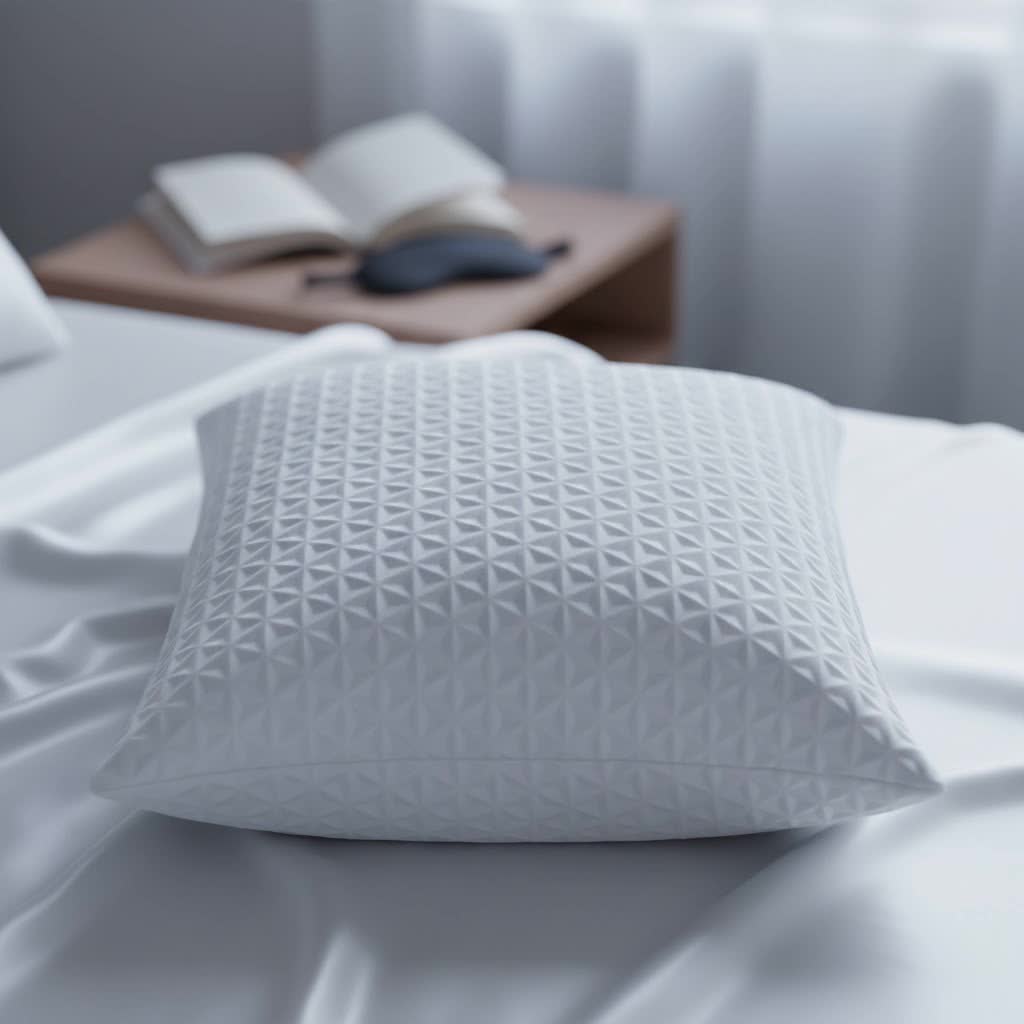
Understanding Orthopedic Memory Foam Pillows
Orthopedic pillows are specifically designed to correct your body’s positioning and alleviate tension while you sleep. They aim to support the natural curves of your spine, particularly the cervical curve in your neck, to ensure optimal alignment. Memory foam, a viscoelastic polyurethane foam, is a favored material for orthopedic pillows due to its unique ability to conform to your body’s shape in response to heat and pressure. This combination allows for personalized support and exceptional pressure relief, reducing strain on muscles and joints. Unlike standard pillows that may flatten or clump, memory foam retains its shape, providing consistent support throughout the night.
The Diverse World of Foam for Orthopedic Pillows
While memory foam is a star player, orthopedic pillows can incorporate various foam types, each offering distinct characteristics. Understanding these differences is key to making an informed choice for your perfect sleep companion.
Memory Foam: The Conforming Champion
Memory foam is renowned for its contouring capabilities, gently cradling your head and neck to maintain spinal alignment.
- Pros: Excellent pressure relief, superior support, durable, hypoallergenic (resists dust mites and allergens).
- Cons: Can retain heat (though many modern versions address this), may have an initial “off-gassing” smell.
- Best for: Individuals seeking targeted pain relief for the neck and back, those who need stable support, and side or back sleepers.
Latex Foam: The Responsive Alternative
Derived from rubber tree sap, latex foam offers a bouncier, more responsive feel compared to memory foam.
- Pros: Highly durable, naturally hypoallergenic and resistant to mold/dust mites, excellent breathability, consistent support without the “sinking” feeling.
- Cons: Often more expensive, can be heavier, may have a distinct natural rubber smell.
- Comparison with Memory Foam: Latex is bouncier and more breathable, providing a different kind of support, while memory foam offers a deeper, more contouring embrace.
Polyurethane Foam: The Versatile Base
Standard polyurethane foam is a common, affordable pillow fill. While not as contouring as memory foam, it can be used in orthopedic designs for basic support.
- Pros: Lightweight, affordable, versatile.
- Cons: Less durable than memory foam or latex, can lose shape and support over time, may not offer the same level of pressure relief.
- Applications: Often used as a core layer or in blends to provide foundational support.
Gel-Infused Foam: The Cooling Solution
Many memory foam and polyurethane foam pillows are infused with cooling gel particles or designed with ventilation channels to combat heat retention.
- Function: Gel helps dissipate heat, providing a cooler sleep surface.
- Best for: Hot sleepers or those living in warmer climates who still desire the conforming benefits of foam.
Shredded Foam: Adjustable Comfort
Shredded foam pillows, typically filled with shredded memory foam or latex, offer a customizable loft and feel.
- Pros: Highly adjustable (you can add or remove fill to achieve desired height and firmness), excellent breathability due to air circulation between pieces.
- Cons: May require frequent fluffing to maintain shape, can feel less uniform than solid foam.
- Ideal for: Combination sleepers or those who prefer to customize their pillow’s firmness and height.
Detailed Comparison of Foam Types
Choosing the right foam involves weighing various factors against your personal preferences and needs.
| Feature | Memory Foam | Latex Foam | Polyurethane Foam | Gel-Infused Foam | Shredded Foam |
|---|---|---|---|---|---|
| Durability | High (3+ years) | Very High (5+ years) | Low to Medium (1-2 years) | High (similar to base foam) | Medium to High |
| Elasticity | Low (slow rebound) | High (quick rebound, bouncy) | Medium | Low to Medium | High (can be fluffed) |
| Breathability | Low (can retain heat) | High (open-cell structure) | Medium | Improved (cooling properties) | High (airflow between pieces) |
| Support | Excellent contouring, pressure relief | Responsive, consistent, buoyant | Basic, less contouring | Excellent contouring, cooling | Adjustable, personalized |
| Cost | Medium to High | High | Low | Medium to High | Medium |
| Best For | Pain relief, stable support | Eco-conscious, allergy sufferers, those needing firm but flexible support | Budget-conscious, temporary use | Hot sleepers, pain relief | Customizable comfort, all sleep positions |
Each foam type offers a unique sleeping experience. For instance, while memory foam excels at deep contouring, latex provides a more buoyant, responsive lift that some sleepers prefer. Polyurethane foam serves as a more basic option, and gel-infused or shredded variations enhance comfort by addressing common issues like heat retention and lack of adjustability.
Crucial Factors When Choosing Your Orthopedic Memory Foam Pillow
The perfect orthopedic memory foam pillow isn’t just about the material; it’s about how its design elements cater to your body and sleep habits.
Loft (Height) and Firmness
The loft (height) and firmness of your pillow are paramount for maintaining spinal alignment.
- Side Sleepers: Typically need a higher loft and a firmer pillow to fill the space between their head and shoulder, keeping the neck neutral.
- Back Sleepers: Generally require a medium loft and medium-firmness to support the natural curve of the neck without pushing the head too far forward.
- Stomach Sleepers: Best suited for a very low loft and softer pillow, or even no pillow, to prevent unnatural neck extension.
Pillow Size
Pillows come in standard, queen, and king sizes, designed to fit different bed dimensions and personal preferences. Choosing a size that complements your bed allows for a cohesive sleep setup. The key is ensuring the pillow provides ample surface area for your head and neck to rest comfortably without falling off, especially if you move during the night.
Pillow Shape
Orthopedic pillows come in various shapes, each designed to address specific needs:
- Traditional/Rectangular: Offers a familiar feel, though often with enhanced foam properties.
- Contour Pillows (Cervical Pillows): Feature a distinctive wave-like design with raised edges and a dip in the center to cradle the head and support the neck’s natural curve. Ideal for back and side sleepers with neck pain.
- U-Shaped or Butterfly-Shaped Pillows: Designed to accommodate the shoulders for side sleepers, providing specific cutouts or contours to maintain alignment.
- Wedge Pillows: Used for elevating the upper body or legs, beneficial for acid reflux, snoring, or circulation issues, though less common as a primary head pillow.
Pillow Cover Material
The cover material affects breathability, feel, and hygiene.
- Breathable Fabrics: Cotton, bamboo-derived rayon, or specialized performance fabrics can enhance cooling and wick away moisture, crucial for gel-infused or naturally warmer foam types.
- Removable and Washable: A cover that can be easily removed and machine-washed is essential for maintaining hygiene and extending the life of your pillow.
Safety Certifications
Look for certifications like CertiPUR-US or OEKO-TEX, which ensure that the foam is made without harmful chemicals and meets strict standards for content, emissions, and durability. These certifications offer peace of mind regarding the safety and quality of your pillow.
Navigating the Purchase of an Orthopedic Memory Foam Pillow
Investing in an orthopedic memory foam pillow is an investment in your sleep and overall health. Here’s how to approach the purchase thoughtfully.
First, identify your personal needs. Consider your primary sleeping position, any existing neck or back pain, and whether you tend to sleep hot. Do you prefer a firm, supportive feel or a softer, more plush embrace? Are allergies a concern?
Next, read product specifications and customer reviews carefully. Pay attention to details about loft, firmness, materials, and any special features like cooling technology. Reviews can offer real-world insights into a pillow’s performance and durability for different body types and sleep styles.
Purchase from reputable retailers that offer clear return policies and warranties. Many brands provide a sleep trial period, allowing you to test the pillow at home and ensure it’s the right fit. A solid warranty also protects your investment against manufacturing defects. If possible, try testing the pillow in person to get a feel for its firmness and shape before committing.
Caring for Your Orthopedic Memory Foam Pillow
Proper care extends the life and maintains the performance of your orthopedic memory foam pillow.
- Routine Cleaning: Most memory foam pillows should not be put in a washing machine. Instead, focus on cleaning the removable cover. Wash the cover according to the manufacturer’s instructions, typically in cold water on a gentle cycle and air-dried or tumble-dried on a low setting.
- Spot Cleaning: For stains on the foam itself, gently spot clean with a mild soap and water solution. Dab the stained area with a clean cloth, then blot with a damp cloth to remove soap residue. Ensure the area is thoroughly air-dried before using the pillow again. Never soak the foam.
- Odor Removal: Airing out your pillow regularly can help dissipate any odors. For persistent smells, sprinkle baking soda over the pillow, let it sit for several hours, then vacuum it off.
- Proper Storage: If storing your pillow, ensure it is completely dry and keep it in a cool, dry place away from direct sunlight. Avoid compressing the pillow for extended periods if it’s a solid foam type, as this can affect its shape and integrity.
Conclusion
Choosing the ideal orthopedic memory foam pillow is a personalized journey that can profoundly impact your sleep quality and daily well-being. By understanding the different foam types, considering crucial factors like loft, firmness, and shape, and committing to proper care, you can select a pillow that provides optimal spinal alignment and superior comfort. This thoughtful investment empowers you to wake up refreshed, free from pain, and ready to embrace the day. What difference could the right orthopedic memory foam pillow make for your sleep tonight?
Frequently Asked Questions
What makes an orthopedic memory foam pillow different from a regular memory foam pillow?
An orthopedic memory foam pillow is specifically designed with ergonomic shapes and varying densities to provide targeted support for specific body parts, particularly the neck and spine, to alleviate pain and promote proper alignment. While a regular memory foam pillow offers general contouring, an orthopedic one has a deliberate structure to correct posture during sleep.
Can an orthopedic memory foam pillow help with snoring?
Yes, certain orthopedic memory foam pillows can help reduce snoring by elevating the head and maintaining an optimal airway alignment. By supporting the neck in a neutral position, these pillows can prevent throat tissues from collapsing, which is a common cause of snoring.
How long does an orthopedic memory foam pillow typically last?
A high-quality orthopedic memory foam pillow typically lasts between three to five years, often longer than standard pillows. Its durability depends on the density of the foam, proper care, and frequency of use, with good maintenance extending its lifespan.
Is an orthopedic memory foam pillow suitable for all sleeping positions?
While highly beneficial for back and side sleepers who need consistent head and neck support, traditional orthopedic memory foam pillows may not be ideal for stomach sleepers. Stomach sleepers generally require a very flat or no pillow to avoid unnatural neck extension. However, adjustable shredded foam orthopedic pillows can often be customized for various positions.
How do I clean my orthopedic memory foam pillow?
Most orthopedic memory foam pillows are not machine washable. Instead, focus on washing the removable pillow cover according to its care label. For the foam core, spot clean any stains with a mild detergent and water, then air dry thoroughly, ensuring no moisture remains to prevent mold growth.