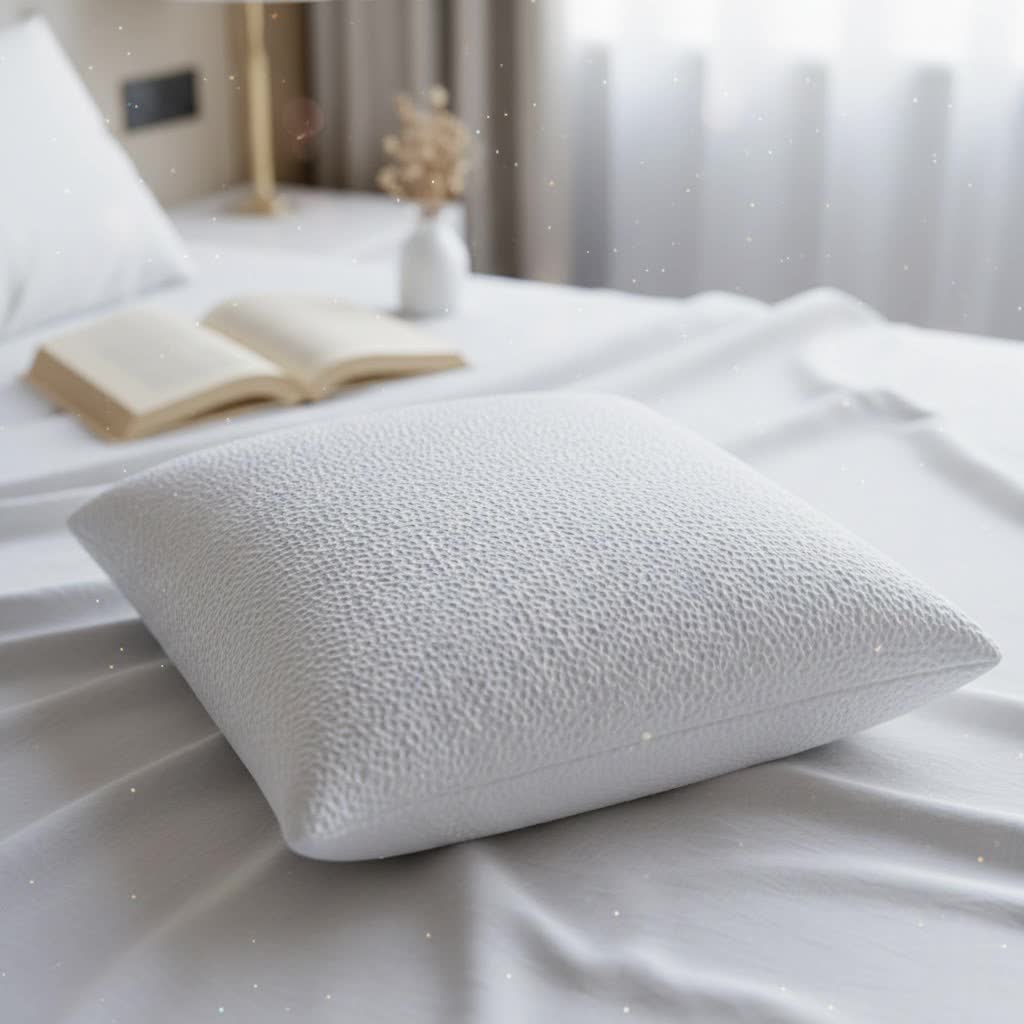
Waking up refreshed hinges significantly on the quality of your sleep, and often, the unsung hero of a good night’s rest is your pillow. In the vast landscape of bedding options, the Urethane Foam Pillow stands out, promising a unique blend of comfort and support. But what exactly is urethane foam, and how does it compare to its popular cousin, memory foam? Understanding the nuances of this material is key to selecting a pillow that perfectly cradles your head and neck, paving the way for truly restorative sleep.
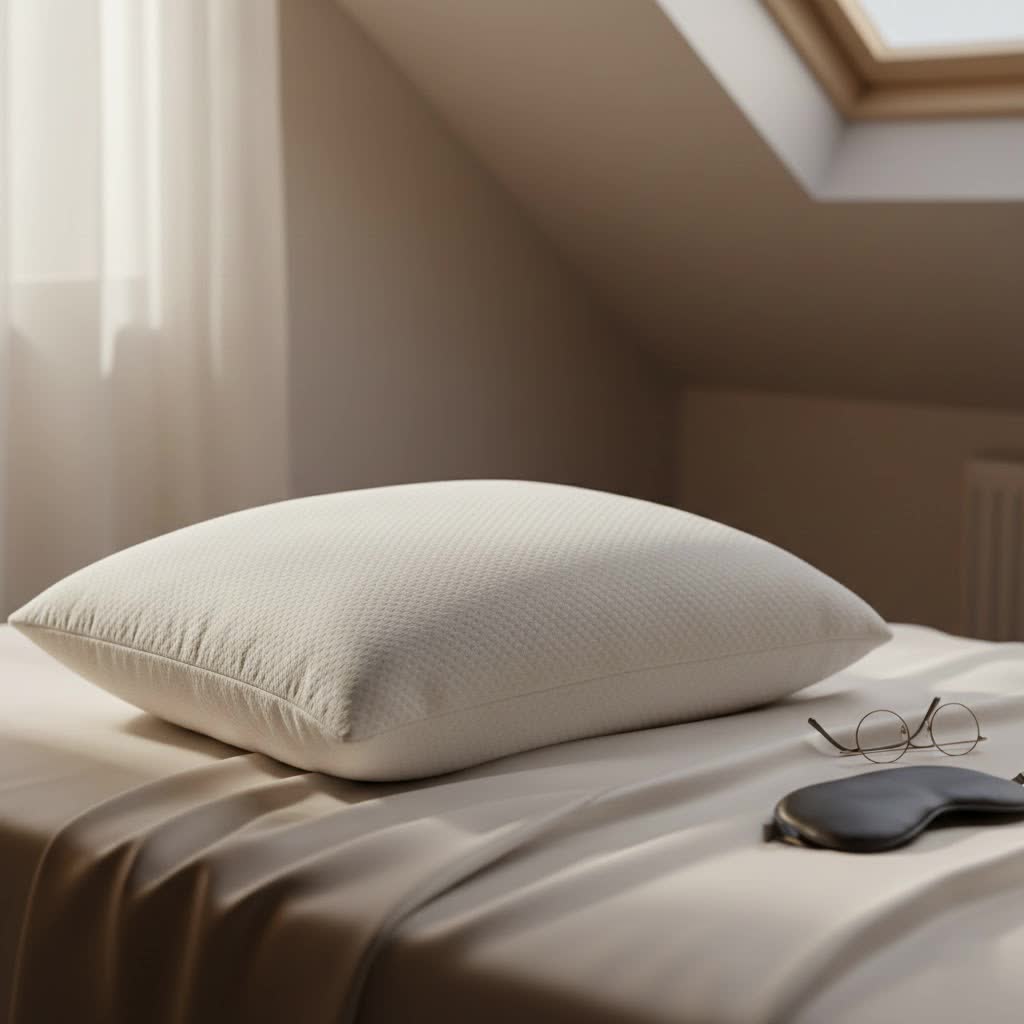
Understanding Urethane Foam: More Than Just “Foam”
Urethane foam, more formally known as polyurethane (PU) foam, is a highly versatile synthetic material. It’s found in countless applications, from car seats to insulation, and, of course, bedding. When it comes to pillows, polyurethane foam provides a resilient yet soft base, offering a different feel depending on its density and construction.
Memory Foam: A Specialized Urethane Foam
Bảng trống.It’s important to clarify a common point of confusion: memory foam is actually a specific type of polyurethane foam. Scientifically known as viscoelastic polyurethane foam, memory foam possesses unique properties that set it apart. It reacts to your body heat and pressure, softening and molding precisely to your contours. This “memory” effect allows it to retain the impression of your head and neck for a short period before slowly returning to its original shape. This adaptive quality is what gives memory foam its signature pressure-relieving capabilities.
Why the Distinction Matters for Pillows
While all memory foam is technically polyurethane foam, not all polyurethane foam is memory foam. Standard urethane foam pillows generally offer a more immediate bounce-back and a consistent feel, often at a more accessible price point. Memory foam, on the other hand, provides that distinct, slow-sinking, conforming embrace. Understanding this difference is crucial when evaluating what kind of support and comfort you’re seeking for your sleep.
The Different Faces of Foam Pillows
The world of foam pillows offers a variety of experiences, each designed to cater to different preferences and needs.
Solid Urethane Foam Pillows
These pillows feature a single block of conventional polyurethane foam. They typically provide a consistent level of firmness and support, offering a quicker response to pressure than memory foam. They are often more lightweight and can be a budget-friendly option for those seeking basic, reliable head and neck support.
Memory Foam Pillows (Solid and Shredded)
Memory foam pillows come in two primary forms:
- Solid Memory Foam: These are single pieces of viscoelastic foam, often contoured to support the natural curve of the neck. They excel at providing precise pressure relief and spinal alignment, making them popular for individuals with neck pain or specific support needs.
- Shredded Memory Foam: This type consists of small pieces of memory foam filling a cover. The shredded nature allows for greater adjustability, as you can add or remove fill to customize the pillow’s loft and firmness. It also tends to be more breathable than solid memory foam due to increased air circulation between the foam pieces.
Gel-Infused Foam Pillows
Addressing one of the common drawbacks of traditional foam – heat retention – gel-infused foam pillows incorporate cooling gel particles or layers into the foam. These gels are designed to absorb and dissipate heat, helping to regulate temperature and provide a cooler sleep surface, particularly beneficial for “hot sleepers.”
Latex Foam Pillows: A Natural Alternative
While not a urethane foam, latex foam is a significant player in the pillow market and often compared to its synthetic counterparts. Made from the sap of rubber trees (natural latex) or synthetic rubber, latex pillows are known for their exceptional durability, responsiveness, and breathability. They offer a bouncier, more resilient feel than memory foam and are naturally hypoallergenic, resisting dust mites and mold. They typically sleep cooler than dense polyurethane foams and provide excellent, consistent support without the “sinking” sensation.
Pros of Urethane Foam Pillows
Urethane foam pillows, particularly those made from memory foam, come with a compelling list of advantages that contribute to a better sleep experience.
Customized Support and Pressure Relief
The hallmark of memory foam is its ability to contour precisely to the shape of your head and neck. This personalized molding distributes weight evenly, alleviating pressure points that can lead to aches and stiffness. For side and back sleepers, this means optimal spinal alignment and reduced muscle tension.
Durability (for Quality Foams)
High-quality urethane foam, especially denser memory foam, can be quite durable. These pillows are designed to retain their shape and supportive properties over time, often lasting several years before showing signs of significant wear or sagging. This longevity can make them a worthwhile investment for consistent comfort.
Hypoallergenic Properties
The dense structure of many urethane foam pillows creates an inhospitable environment for common allergens such as dust mites, mold, and pet dander. This makes them a naturally hypoallergenic choice, which can be a significant advantage for allergy sufferers seeking relief from nighttime irritants.
Motion Isolation & Noise Reduction
The inherent density of foam, particularly memory foam, is excellent at absorbing motion. For individuals who share a bed, this means movements from a partner are less likely to transfer across the pillow, contributing to an undisturbed sleep. This density can also help reduce minor sleep-related noises.
Affordability
Compared to premium natural latex options, standard polyurethane foam pillows can be a more budget-friendly entry point into the world of supportive foam bedding. Even quality memory foam pillows are often more accessible than their natural latex counterparts, offering excellent value for their benefits.
Cons and Considerations for Urethane Foam Pillows
While urethane foam pillows offer many benefits, it’s equally important to be aware of their potential drawbacks to make an informed decision.
Heat Retention: The “Hot Sleeper” Challenge
One of the most frequently cited concerns with dense urethane foam, particularly traditional memory foam, is its tendency to trap body heat. The material’s closed-cell structure can inhibit airflow, leading to a warmer sleep surface that might be uncomfortable for those who naturally sleep hot or live in warmer climates. While gel infusions and perforated designs aim to mitigate this, it remains a consideration.
Off-Gassing and Chemical Concerns
As synthetic products, urethane foam pillows can sometimes release volatile organic compounds (VOCs), especially when new. This “off-gassing” can manifest as a distinct chemical smell, which typically dissipates over time. In some sensitive individuals, these VOCs might cause respiratory irritation or allergic reactions. Furthermore, due to the flammability of polyurethane, some manufacturers historically incorporated chemical fire retardants, which can pose additional health concerns.
Variability in Quality and Lifespan
The quality and density of urethane foam can vary significantly between products and brands. Lower-density polyurethane foams may break down faster, leading to quicker sagging and a reduced lifespan compared to higher-quality, more resilient foams. This variability means it’s crucial to research product specifications.
Slow Response Time (Memory Foam Specific)
While memory foam’s slow response is beneficial for contouring, some sleepers find it makes changing positions more difficult. The sensation of sinking into the foam can feel restrictive for active sleepers who frequently shift throughout the night. This “stuck” feeling is less prevalent with conventional urethane foam or highly responsive latex.
Environmental Impact
The production of polyurethane foam relies on petrochemicals, which are non-renewable resources. Additionally, polyurethane is not biodegradable and can persist in landfills for centuries, raising environmental concerns about its long-term impact. Eco-conscious consumers might prefer natural alternatives like latex.
Choosing Your Ideal Urethane Foam Pillow: A Buyer’s Guide
Selecting the right urethane foam pillow involves considering several factors tailored to your individual sleep habits and preferences.
Sleeping Position & Loft
Your primary sleeping position is a critical determinant for pillow selection:
- Side Sleepers: Need a higher loft and firmer pillow to fill the gap between the head and shoulder, keeping the spine aligned.
- Back Sleepers: Require a medium loft and firmness to support the natural curve of the neck without pushing the head too far forward.
- Stomach Sleepers: Generally benefit from a very low loft or a soft, flat pillow to prevent neck strain.
Firmness Preferences
Foam pillows come in a range of firmness levels. A pillow that’s too soft won’t provide adequate support, while one that’s too firm can create pressure points. Consider your preferred feel and how it complements your mattress firmness.
Pillow Shape
- Traditional Shape: Rectangular, offering versatile comfort.
- Contour Shape: Ergonomically designed with dips and curves to specifically support the neck and head, ideal for back and side sleepers.
- Shredded Foam: Allows you to adjust the amount of fill, customizing both loft and firmness.
Material Certifications
To mitigate concerns about VOCs and harmful chemicals, look for third-party certifications:
- CertiPUR-US: Ensures foam is made without ozone depleters, PBDEs, mercury, lead, heavy metals, formaldehyde, and certain phthalates, and has low VOC emissions.
- OEKO-TEX Standard 100: Certifies that every component of the product, from fabric to thread, has been tested for harmful substances and is safe for human health.
Breathability Features
If heat retention is a concern, seek out pillows with cooling innovations:
- Gel-Infused Foam: Incorporates cooling gels to draw heat away.
- Perforated Foam: Features holes or channels for increased airflow.
- Breathable Covers: Look for covers made from natural fibers like cotton, bamboo, or Tencel which can enhance cooling.
Trial Periods & Warranties
Many reputable brands offer sleep trial periods, allowing you to test the pillow in your own home. This is invaluable for ensuring the pillow meets your needs. Always check the warranty information for coverage against defects.
Caring for Your Urethane Foam Pillow
Proper care extends the life and maintains the performance of your urethane foam pillow.
Cleaning Instructions
- Spot Cleaning is Key: Most urethane foam pillows (especially solid ones) are not machine washable. Submerging them in water can damage the foam structure. Spot clean spills with a mild detergent and water, dabbing gently and allowing to air dry completely.
- Removable Covers: Many foam pillows come with removable, washable covers. Always follow the care instructions for the cover, as these can typically be machine washed.
Maintaining Shape and Longevity
- Fluff Regularly: For shredded foam pillows, fluffing helps redistribute the fill and maintain loft and even support.
- Use a Pillow Protector: A good quality pillow protector adds a barrier against sweat, oils, and allergens, extending the pillow’s cleanliness and lifespan.
- Avoid Direct Sunlight: Prolonged exposure to direct sunlight can degrade foam over time.
- Replace When Needed: Even the most durable foam pillow will eventually lose its supportive properties. Pay attention to signs of sagging, persistent odors, or diminished comfort, and replace your pillow every 18 months to 3 years for optimal hygiene and support.
Conclusion
The urethane foam pillow, in its various forms, offers a compelling solution for many sleepers seeking customized comfort and pressure relief. Whether you opt for the contouring embrace of memory foam or the consistent support of conventional polyurethane, understanding the specific characteristics, benefits, and considerations of these materials is paramount. By prioritizing factors like sleeping position, firmness, certifications, and care, you can navigate the choices with confidence and find a urethane foam pillow that genuinely enhances your sleep quality.
What specific comfort feature is most important to you in a pillow for a truly restful night?
Frequently Asked Questions
What is the primary difference between a “urethane foam pillow” and a “memory foam pillow”?
While memory foam is a type of urethane (polyurethane) foam, the term “urethane foam pillow” often refers to conventional polyurethane foam, which has a quicker response and more uniform feel. Memory foam, specifically viscoelastic polyurethane, is characterized by its slower response to pressure and heat, allowing it to contour closely to your body for personalized support.
Are urethane foam pillows safe, considering chemical concerns?
Modern urethane foam pillows, especially those with CertiPUR-US or OEKO-TEX certifications, are manufactured with strict standards to minimize VOC emissions and harmful chemicals like certain flame retardants. While initial off-gassing may occur, it typically dissipates quickly, and certified products ensure a healthier sleep environment.
Do urethane foam pillows sleep hot?
Some denser urethane foams, particularly traditional memory foam, can retain body heat due to their structure. However, many newer urethane foam pillows address this with cooling features like gel infusions, perforated designs, or breathable covers to help dissipate heat and promote a cooler sleep.
How long does a urethane foam pillow typically last?
The lifespan of a urethane foam pillow varies by quality and density, but generally, a good quality pillow can last between 18 months and 3 years. Higher-density memory foam versions may offer greater durability, but regular care, including cleaning and using a pillow protector, can help extend its life.
Can I wash my urethane foam pillow?
Most solid urethane foam pillows are not designed for machine washing or submerging in water, as this can damage the foam’s structure. It’s usually recommended to spot clean any soiled areas with a mild detergent and air dry thoroughly. However, many come with removable, machine-washable covers for easy maintenance.