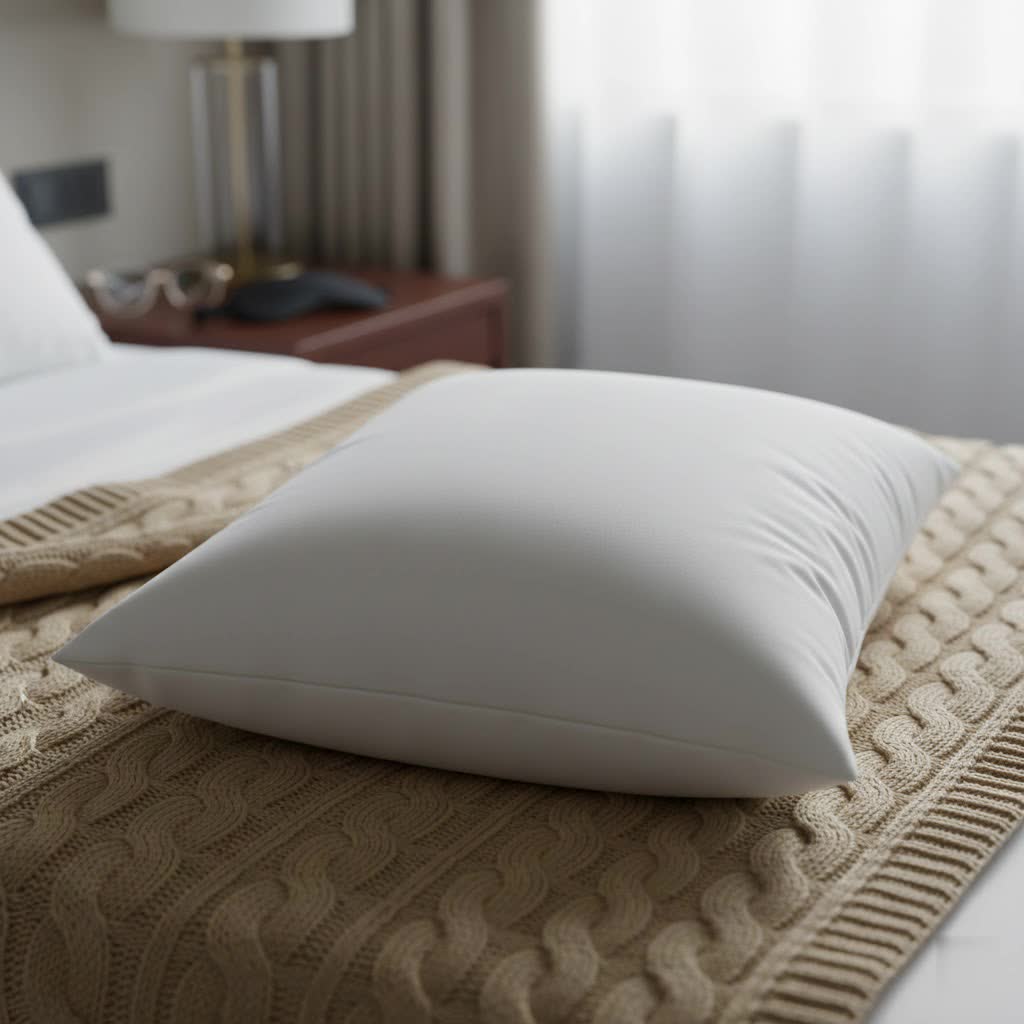
Waking up with a stiff neck, persistent shoulder pain, or an overall feeling of unrest can significantly impact your day. Many of us grapple with these discomforts, often without realizing that the solution might lie just beneath our heads. Enter the cervical memory foam pillow—a specialized sleep aid engineered to provide targeted support and unparalleled comfort, transforming your nights and invigorating your mornings. These innovative pillows are not just another accessory; they are a crucial investment in your long-term spinal health and overall well-being.
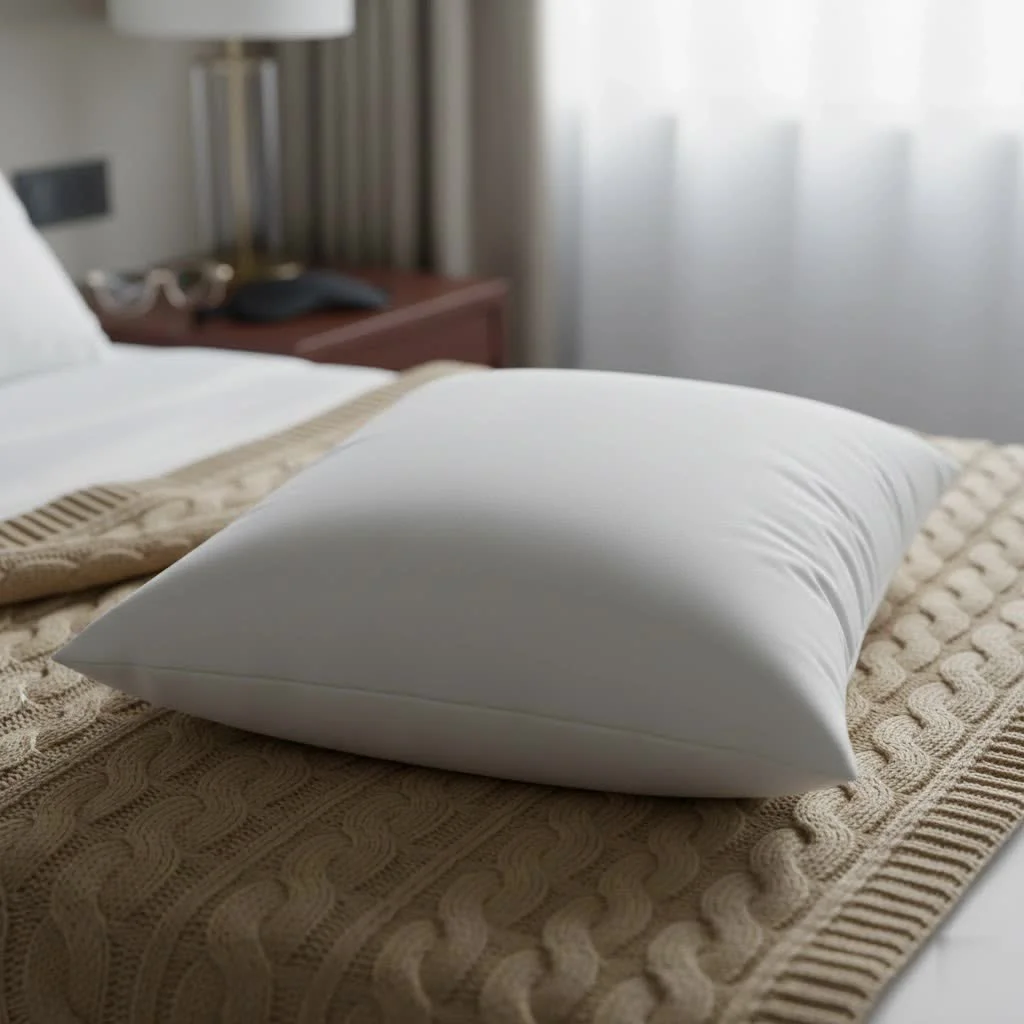
This comprehensive guide will examine the world of cervical memory foam pillows, exploring their unique benefits, the different types available, essential factors to consider when making your selection, and vital tips for care and maintenance. Our goal is to empower you with the knowledge to choose a pillow that perfectly cradles your neck, aligns your spine, and paves the way for truly restorative sleep. For shop curated memory foam on this site.
Understanding the Science Behind Cervical Memory Foam Pillows
Cervical memory foam pillows are specifically designed with an ergonomic shape to support the natural curvature of your neck (the cervical spine). Unlike traditional pillows that can flatten or clump, memory foam, a viscoelastic polyurethane material, responds to your body heat and pressure, molding precisely to your unique contours. This personalized adaptation ensures that your head, neck, and shoulders are held in optimal alignment throughout the night, preventing the awkward angles and unsupported positions that often lead to pain and discomfort.
The core principle is simple yet profound: by maintaining a neutral spinal position, these pillows reduce strain on muscles and ligaments, promoting relaxation and allowing your body to fully recover during sleep.
Key Benefits of Embracing a Cervical Memory Foam Pillow
The advantages of upgrading to a cervical memory foam pillow extend far beyond simply having a comfortable place to rest your head. They offer a multitude of therapeutic and comfort-enhancing benefits:
- Exceptional Neck and Shoulder Pain Relief: The primary benefit is the significant reduction of pain in the neck and shoulders. By providing consistent, contoured support, these pillows alleviate pressure points and minimize muscle tension that accumulates throughout the day.
- Improved Spinal Alignment and Posture: The ergonomic design actively works to maintain the natural “C” curve of your cervical spine. This proper alignment extends down your entire back, improving overall sleep posture and reducing the likelihood of waking up with aches.
- Superior Pressure Point Relief: Memory foam’s ability to distribute weight evenly prevents pressure buildup in sensitive areas, such as the back of the head and the sides of the neck, fostering improved circulation and deeper relaxation.
- Customized Comfort for Every Sleeper: As memory foam adapts to your individual shape, it provides a tailored sleeping surface that generic pillows simply cannot match. This personalized comfort means less tossing and turning and a more stable sleep environment.
- Enhanced Sleep Quality: By mitigating pain and promoting proper alignment, cervical memory foam pillows contribute to fewer sleep disturbances and a more profound, restful sleep cycle, leaving you feeling refreshed and energized.
- Durability and Longevity: High-quality memory foam is known for its resilience. Unlike many traditional pillows that quickly lose their shape and support, memory foam pillows retain their structural integrity for years, offering consistent comfort night after night.
- Hypoallergenic Properties: Many memory foam pillows are naturally resistant to dust mites and other allergens, making them an excellent choice for individuals with allergies or respiratory sensitivities. Always check for certifications to ensure this benefit.
Exploring Diverse Foam Types for Your Cervical Pillow
While “memory foam” is the overarching term, cervical pillows can incorporate variations and combinations of foam for enhanced performance:
Memory Foam (Standard)
|
Our Picks for the Best Foam Pillow in 2026
As an Amazon Associate I earn from qualifying purchases.
|
||
| Num | Product | Action |
|---|---|---|
| 1 | QUTOOL Enhanced Cooling Pillows Queen Size Set of 2,CertiPUR-US Shredded Memory Foam Pillows 2 Pack for Hot Sleeper, Adjustable Bed Pillow for Side, Back, Stomach Sleepers Support Yet Soft, Home Gifts |

|
| 2 | Cooling Gel Memory Foam Pillow - 1-Pack - Standard Size Bed Pillows For Sleeping - Medium-Firm - Back, Stomach and Side Sleeper Pillow - Shoulder & Back Pain Relief - Washable , Bamboo Viscose Cover |
|
| 3 | Ultra Pain Relief Cooling Pillow for Neck Support, Adjustable Cervical Pillow Cozy Sleeping, Odorless Ergonomic Contour Memory Foam Pillows, Orthopedic Bed Pillow for Side Back Stomach Sleeper |
|
| 4 | Cube Pillow for Side Sleeper with Firm Layer, Cooling Memory Foam Pillows with Two Side Four Types of Softness for Neck and Shoulder Pain, King or Queen 24"x12"x5" |
|
| 5 | Memory Foam Pillows Neck Pillow Bed Pillow for Sleeping Ergonomic Cervical Contour Pillow for Side Back Stomach Sleeper for Neck and Shoulder Pain |
|
| 6 | QUTOOL Cooling Pillow for Sleeping 2 Pack, Luxury Shredded Memory Foam Bed Queen Pillows Set of 2, Cool Pillow for Hot Sleepers Adjustable Firm Pillow for Side, Back, Stomach Sleepers Soft Yet Support |
|
| 7 | Memory Foam Pillows Neck Pillow Bed Pillow for Sleeping Ergonomic Cervical Pillow Orthopedic Contour Pillow for Side Back Stomach Sleeper |
|
| 8 | Cooling Pillows for Sleeping, Shredded Memory Foam Cooling Pillow for Hot Sleepers, Adjustable Cool Bed Pillows for Side Back Stomach Sleepers(Queen) |
|
| 9 | Ultra Pain Relief Cooling Pillow for Neck Support, Adjustable Cervical Pillow Cozy Sleeping, Odorless Ergonomic Contour Memory Foam Pillows, Orthopedic Bed Pillow for Side Back Stomach Sleeper |
|
| 10 | Ultra Pain Relief Cooling Pillow for Neck Support, Adjustable Cervical Pillow Cozy Sleeping, Odorless Ergonomic Contour Memory Foam Pillows, Orthopedic Bed Pillow for Side Back Stomach Sleeper |
|
This is the classic viscoelastic foam that provides the signature contouring, slow-response feel. It excels at pressure relief and personalized support. However, traditional memory foam can sometimes retain heat.
Gel-Infused Memory Foam
To combat heat retention, many cervical pillows feature gel particles or layers infused into the memory foam. This helps dissipate heat more effectively, providing a cooler sleep surface without sacrificing the supportive benefits of memory foam. Ideal for those who tend to sleep hot.
Shredded Memory Foam
Instead of a solid block, some pillows use shredded memory foam pieces. This allows for greater airflow and breathability, further enhancing cooling. The main advantage is adjustability: you can add or remove fill to customize the pillow’s loft and firmness to your exact preference.
Polyurethane Foam
memory foam itself is a type of polyurethane foam. However, some pillows might use standard polyurethane foam which is generally less dense and responsive than memory foam, offering more basic support without the contouring properties. For cervical support, memory foam or its specialized variants are typically preferred.
Comparing with Latex Foam
While not memory foam, latex foam is a common alternative for orthopedic pillows. It offers a more bouncy and responsive feel compared to memory foam’s sinking sensation. Latex is naturally more breathable and durable, often derived from natural sources, making it a good choice for those seeking an eco-friendly option with a firmer, more resilient feel. The choice between memory foam and latex often comes down to personal preference for feel: memory foam for contouring and a “hug” sensation, latex for responsive support and bounce.
Essential Factors When Selecting Your Ideal Cervical Memory Foam Pillow
Choosing the perfect cervical memory foam pillow requires careful consideration of several personal factors and pillow features:
Your Unique Sleeping Position
Your preferred sleeping position is perhaps the most critical determinant of the pillow you need:
- Side Sleepers: Typically require a higher loft and firmer pillow to adequately fill the gap between your head and shoulder, keeping your spine straight. Look for designs that cradle the head while supporting the neck.
- Back Sleepers: Need a medium-height pillow that supports the natural curve of the neck without pushing the head too far forward or allowing it to fall back. A contoured design is often excellent for back sleepers.
- Stomach Sleepers: This position is generally not recommended for neck health, as it often forces the head to turn sideways, twisting the spine. If you must sleep on your stomach, opt for a very thin, soft pillow or no pillow at all to minimize strain.
Pillow Loft (Height) and Firmness
The right loft and firmness are crucial for maintaining neutral spinal alignment. Your head should not be propped up too high or allowed to sink too low.
- Adjustable pillows with removable shredded foam fill can be ideal, allowing you to fine-tune the height and density to match your body and mattress.
- Firmness should offer a balance: supportive enough to hold your head and neck in place, but soft enough to provide comfort without creating pressure points.
Pillow Shape and Design
Cervical pillows come in various shapes, each offering distinct support:
- Contoured Pillows: These often feature a raised edge for neck support and a dip for the head, promoting spinal alignment.
- Butterfly or Wing-Shaped Pillows: Designed to offer enhanced support for side sleepers, often with cutouts for shoulder and arm comfort.
- Traditional Rectangular (with cervical support): Some are designed with internal structures to provide cervical support while maintaining a more traditional appearance.
Cover Material for Breathability and Hygiene
The pillow cover plays a significant role in comfort and hygiene. Look for:
- Breathable fabrics: Materials like Tencel, cotton, or specialized cooling fabrics (e.g., FRíO) enhance airflow and wick away moisture, preventing heat buildup.
- Removable and Machine-Washable Covers: This is essential for easy cleaning and maintaining a hygienic sleep environment.
Safety Certifications
For peace of mind, prioritize pillows with certifications like CertiPUR-US or OEKO-TEX. These certifications ensure that the foam is made without harmful chemicals, heavy metals, ozone depleters, and has low VOC (Volatile Organic Compound) emissions, contributing to better indoor air quality.
Trial Periods and Warranties
A pillow is a personal investment. Many reputable brands offer generous sleep trials (e.g., 30 to 100 nights) and warranties. Take advantage of these to ensure the pillow is the right fit for your body and sleeping habits. An adjustment period is common when switching to an orthopedic pillow.
Nurturing Your Cervical Memory Foam Pillow: Care and Maintenance
Proper care extends the life and performance of your cervical memory foam pillow:
- Cleaning the Cover: Always follow the manufacturer’s instructions, but most removable covers are machine washable. Wash regularly to maintain hygiene.
- Cleaning the Foam Core: Memory foam itself should generally not be put in a washing machine or dryer, as this can damage its structure. Spot clean spills with a mild detergent and water, then allow it to air dry completely. For odor removal, sprinkle baking soda over the pillow, let it sit for a few hours, then vacuum it off.
- Air Out Your Pillow: Periodically air out your foam pillow in a well-ventilated area, away from direct sunlight, to refresh it and help dissipate any absorbed moisture or odors.
- Protect Your Pillow: Using a pillow protector under your pillowcase can shield the foam from sweat, oils, and allergens, prolonging its lifespan.
- Avoid Extreme Temperatures: Memory foam can harden in cold temperatures and soften excessively in very hot environments. Store your pillow at room temperature and avoid leaving it in extreme heat or cold.
Conclusion
The journey to restorative sleep and a pain-free morning can often begin with a single, thoughtful choice: the right cervical memory foam pillow. Designed to support your neck’s natural curve, relieve pressure, and maintain proper spinal alignment, these pillows offer a tailored solution for anyone seeking to improve their sleep quality and alleviate persistent neck and shoulder discomfort.
By understanding the distinct types of foam, considering your unique sleeping position and preferences, and prioritizing features like adjustability and cooling technologies, you can confidently select a cervical memory foam pillow that aligns with your needs. Investing in your pillow is investing in your health, ensuring that each night brings not just rest, but true rejuvenation. Are you ready to improve your sleep experience?
Frequently Asked Questions
What makes a cervical pillow different from a regular pillow?
A cervical pillow is uniquely designed with an ergonomic shape to support the natural curve of your neck (cervical spine), often featuring contours or raised edges. Regular pillows typically offer uniform support and may not adequately maintain spinal alignment, potentially leading to discomfort.
How long does it take to adjust to a new cervical memory foam pillow?
It’s common to experience an adjustment period of a few days to a couple of weeks when switching to a cervical memory foam pillow. Your body needs time to adapt to the new support and alignment, especially if you’ve been using an unsupportive pillow for a long time.
Can a cervical memory foam pillow help with headaches?
Yes, by ensuring proper spinal alignment and reducing muscle tension in the neck and shoulders, a cervical memory foam pillow can help alleviate certain types of headaches, particularly those related to poor posture or neck strain.
Are cervical memory foam pillows hot to sleep on?
Traditional memory foam can sometimes retain heat. However, many modern cervical memory foam pillows address this with features like gel infusions, perforated foam, or breathable, cooling covers to enhance airflow and regulate temperature.
How often should I replace my cervical memory foam pillow?
While memory foam is durable, it’s generally recommended to replace your cervical memory foam pillow every 2-3 years, or when it starts to lose its shape, support, or develops persistent odors. Regular cleaning and care can help prolong its lifespan.
Get our weekly buyer guide
Practical specs, not advice. Unsubscribe anytime.

This pillow has truly transformed my nights! I used to toss and turn, but the way it cradles my head and neck is just perfect. It’s clear these aren’t just another accessory; they’re a crucial part of my sleep routine now. I wake up feeling invigorated and ready for the day.
I used to wake up with such a stiff neck every single morning, it was truly impacting my day. After reading about how these pillows are engineered to provide targeted support, I decided to try a cervical memory foam pillow. It’s been a game-changer! My neck pain has significantly reduced, and I feel so much more rested.
I’ve been using a cervical memory foam pillow for about a month now, and it’s definitely an upgrade from my old one. The comfort is unparalleled, and I appreciate the investment in my spinal health. The only reason it’s not a 5-star is that it took a few nights to get used to the different feel, but now I wouldn’t go back.
I was really hoping this would solve my persistent shoulder pain, as the guide mentioned. While the support is good and it feels like a quality product, I haven’t noticed a huge difference in my shoulder discomfort yet. Maybe I need to try a different type of cervical pillow, as there are so many available.