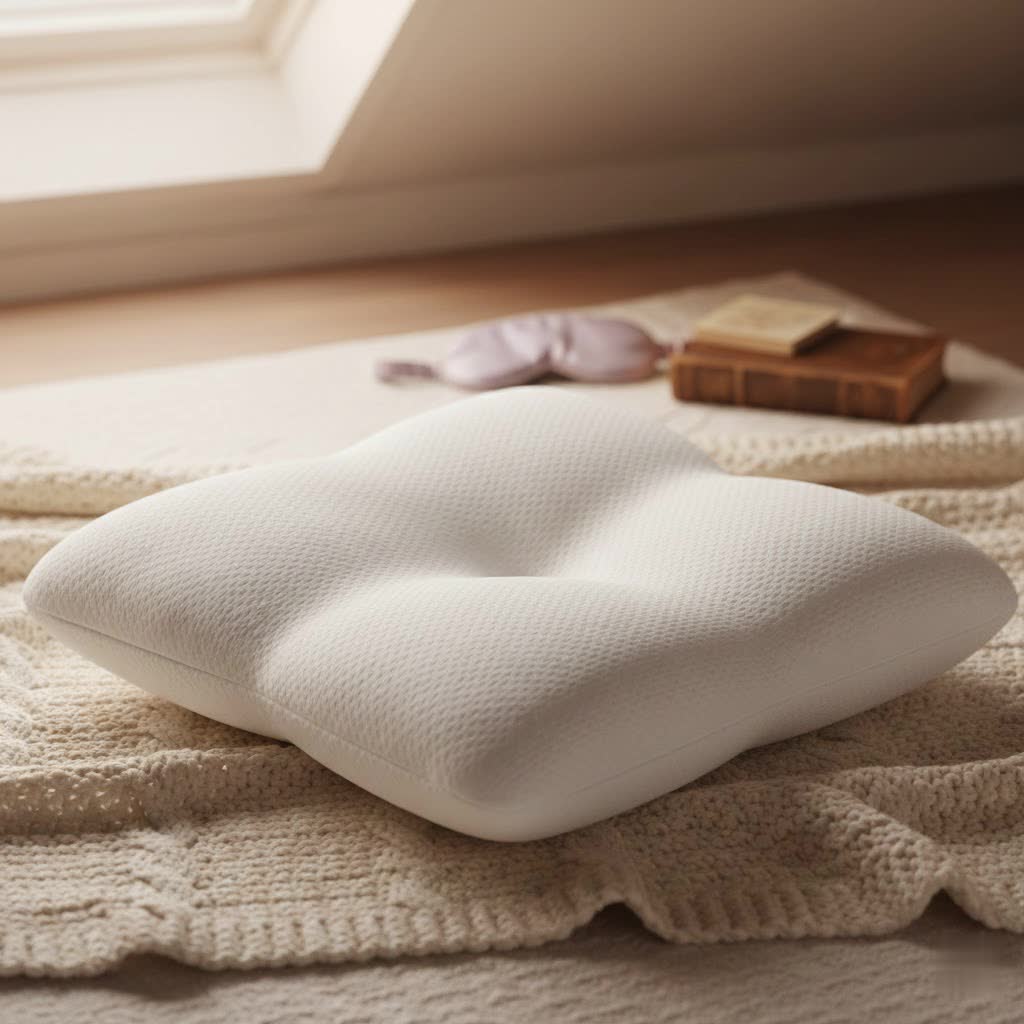
Waking up in a sweat, flipping your pillow constantly to find a cool spot – if this sounds familiar, you’re not alone. Many people struggle with overheating during sleep, a common issue exacerbated by traditional memory foam pillows known for trapping heat. But what if you could enjoy the conforming comfort of memory foam without the unwelcome warmth? Enter the cooling memory foam pillow, a revolutionary sleep solution designed to offer optimal support while actively regulating temperature for a truly refreshing night’s rest.
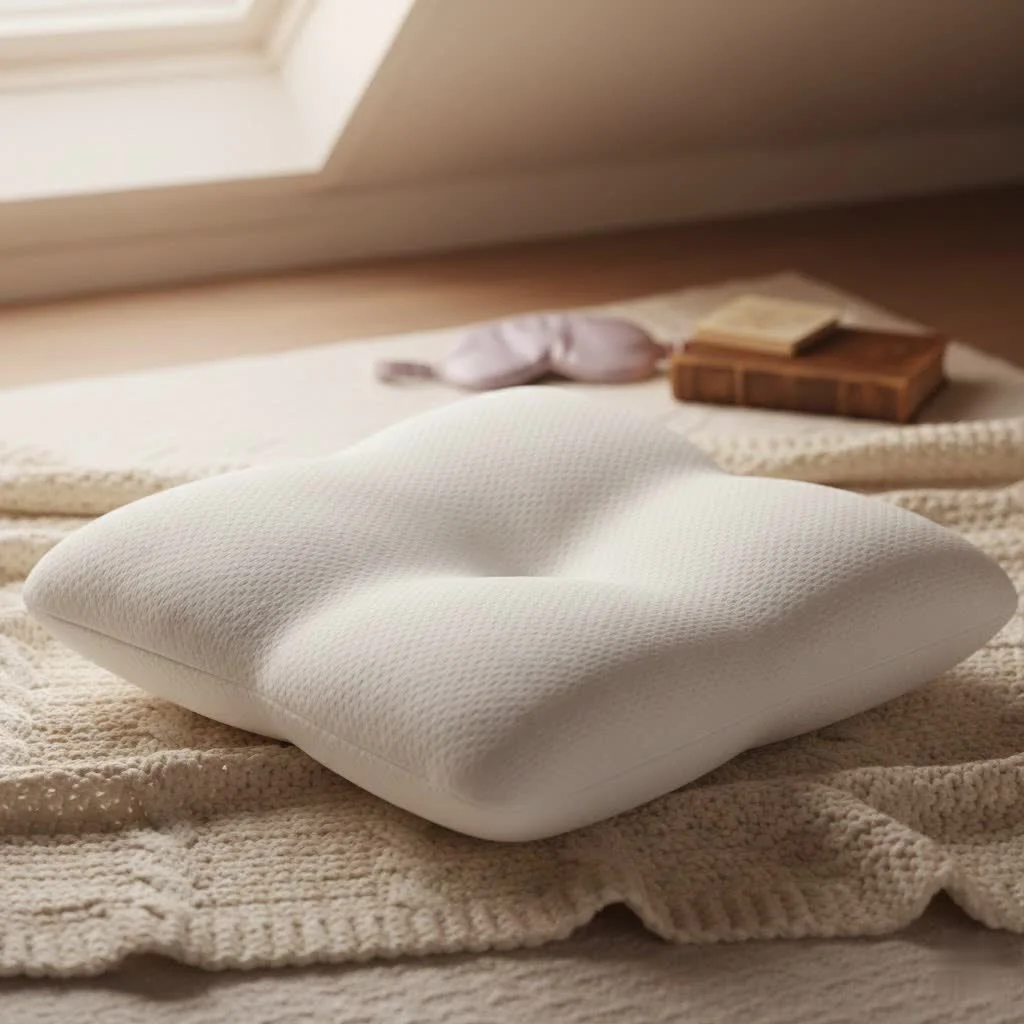
The Science of Cool Sleep: Understanding Cooling Memory Foam Pillows
Traditional memory foam, while excellent at contouring to your head and neck for pressure relief, is inherently dense. This density limits airflow, causing the foam to absorb and retain body heat, leading to an uncomfortably warm sleep surface. This localized heat around your head and neck can disrupt your natural sleep cycle, delaying the onset of sleep and even reducing the duration of crucial REM stages.
To combat this, innovations in sleep technology have led to specialized cooling memory foam pillows. These pillows utilize various mechanisms to dissipate heat and enhance airflow, transforming a potentially hot sleep surface into a refreshingly cool one. The goal is not just to feel cool initially, but to maintain a stable microclimate around your head throughout the entire night.
Diverse Cooling Technologies in Memory Foam Pillows
The effectiveness of a cooling memory foam pillow lies in its layered design and integrated technologies. These innovations work synergistically to draw heat away, promote airflow, and manage moisture.
Gel Infusion for Initial Chill
One of the most common cooling technologies involves gel infusion. Manufacturers embed gel beads, particles, or layers directly into the memory foam. This gel absorbs excess heat from your body, creating an immediate cool-to-the-touch sensation. While gel infusion offers an excellent initial cooling effect, its effectiveness can diminish after approximately 30-60 minutes as the gel reaches thermal equilibrium with your body temperature. For sustained cooling, gel-infused foams often combine with other technologies.
Ventilated and Open-Cell Foams for Enhanced Airflow
To address the density issue of traditional memory foam, many cooling pillows feature ventilated or open-cell foam structures.
- Ventilated foams incorporate tiny perforations, holes, or air channels throughout the foam block. These channels act like mini vents, allowing air to circulate freely and preventing heat from getting trapped.
- Open-cell foams have a less dense, more porous structure at a microscopic level, naturally promoting greater airflow compared to closed-cell memory foam. This structural design helps dissipate warmth more consistently over time.
Phase-Change Materials (PCMs) for Active Temperature Regulation
|
Our Picks for the Best Foam Pillow in 2026
As an Amazon Associate I earn from qualifying purchases.
|
||
| Num | Product | Action |
|---|---|---|
| 1 | Cooling Gel Memory Foam Pillow - 1-Pack - Standard Size Bed Pillows For Sleeping - Medium-Firm - Back, Stomach and Side Sleeper Pillow - Shoulder & Back Pain Relief - Washable , Bamboo Viscose Cover |

|
| 2 | Memory Foam Pillows Neck Pillow Bed Pillow for Sleeping Ergonomic Cervical Pillow Orthopedic Contour Pillow for Side Back Stomach Sleeper |
|
| 3 | Ultra Pain Relief Cooling Pillow for Neck Support, Adjustable Cervical Pillow Cozy Sleeping, Odorless Ergonomic Contour Memory Foam Pillows, Orthopedic Bed Pillow for Side Back Stomach Sleeper |
|
| 4 | Memory Foam Pillows Neck Pillow Bed Pillow for Sleeping Ergonomic Cervical Contour Pillow for Side Back Stomach Sleeper for Neck and Shoulder Pain |
|
| 5 | Cooling Pillows for Sleeping, Shredded Memory Foam Cooling Pillow for Hot Sleepers, Adjustable Cool Bed Pillows for Side Back Stomach Sleepers(Queen) |
|
| 6 | QUTOOL Cooling Pillow for Sleeping 2 Pack, Luxury Shredded Memory Foam Bed Queen Pillows Set of 2, Cool Pillow for Hot Sleepers Adjustable Firm Pillow for Side, Back, Stomach Sleepers Soft Yet Support |
|
| 7 | Ultra Pain Relief Cooling Pillow for Neck Support, Adjustable Cervical Pillow Cozy Sleeping, Odorless Ergonomic Contour Memory Foam Pillows, Orthopedic Bed Pillow for Side Back Stomach Sleeper |
|
| 8 | Cube Pillow for Side Sleeper with Firm Layer, Cooling Memory Foam Pillows with Two Side Four Types of Softness for Neck and Shoulder Pain, King or Queen 24"x12"x5" |
|
| 9 | Ultra Pain Relief Cooling Pillow for Neck Support, Adjustable Cervical Pillow Cozy Sleeping, Odorless Ergonomic Contour Memory Foam Pillows, Orthopedic Bed Pillow for Side Back Stomach Sleeper |
|
| 10 | QUTOOL Enhanced Cooling Pillows Queen Size Set of 2,CertiPUR-US Shredded Memory Foam Pillows 2 Pack for Hot Sleeper, Adjustable Bed Pillow for Side, Back, Stomach Sleepers Support Yet Soft, Home Gifts |
|
For truly dynamic temperature control, some advanced cooling memory foam pillows integrate Phase-Change Materials (PCMs). These ingenious substances have the ability to absorb and store excess heat when your body temperature rises, and then release that stored heat back when your body cools down. This active thermal regulation helps to maintain a consistent and comfortable temperature around your head and neck, preventing disruptive temperature fluctuations throughout the night.
Thermally Conductive Additives
Certain cooling pillows may also include materials known for their high thermal conductivity, such as graphite or copper fibers. These additives are mixed into the foam or fabric to actively pull warmth away from your skin, directing it away from the pillow’s surface.
Advanced Cooling Covers and Fabrics
The pillowcase and cover play a crucial role in the cooling experience. Many cooling memory foam pillows feature specialized covers made from “ice silk,” bamboo, Tencel, or other high-performance synthetic blends. These hydrophilic fabrics are designed to be cool to the touch, highly breathable, and exceptionally good at wicking away moisture. By rapidly evaporating sweat, these covers help keep you dry and comfortable, preventing that sticky, clammy feeling that often accompanies overheating. A triple breathable circulation system, often involving an ice-crystal patterned cover, air fibers, and a 3D mesh, can further enhance continuous airflow and dryness.
Understanding Foam Types Beyond Cooling
While cooling technologies are paramount, the underlying foam structure also contributes to overall comfort and function.
Solid Memory Foam
Often found in contour or traditionally shaped pillows, solid memory foam provides consistent, unyielding support. In cooling versions, this foam is usually enhanced with perforations or gel infusion to offset its natural heat-retaining properties. Solid foam can be firmer and is often preferred by side or back sleepers who need strong neck and head alignment.
Shredded Memory Foam
Shredded memory foam consists of countless small pieces of foam, often blended with down-like fibers. This fragmented structure naturally allows for greater airflow compared to a solid block, inherently offering more breathability. A key advantage of shredded foam is its adjustability; you can easily add or remove filling to customize the pillow’s loft and firmness, making it highly versatile for various sleeping positions and preferences. This adjustability, combined with cooling gel infusion, provides both comfort and personalized temperature regulation.
Selecting Your Ideal Cooling Memory Foam Pillow
Choosing the right cooling memory foam pillow involves considering several personal factors to ensure it aligns with your unique sleep needs.
Sleeping Position, Pillow Loft, and Firmness
Your dominant sleeping position is critical for determining the ideal pillow loft (height) and firmness. Maintaining proper spinal alignment is key to preventing neck pain and ensuring restorative sleep.
- Side Sleepers: Typically require a higher loft and firmer pillow to fill the gap between their head and shoulder, keeping the neck aligned with the spine.
- Back Sleepers: Need a medium loft that cradles the head without pushing it too far forward. A medium firmness is usually appropriate.
- Stomach Sleepers: Generally benefit from a thinner, softer pillow to prevent hyperextension of the neck.
Adjustable pillows, particularly those with shredded memory foam fill, are excellent for personalizing loft and firmness to perfectly match your sleeping position.
Pillow Size and Shape
Pillows come in various sizes, including Standard, Queen, and King, to fit different bed sizes and personal preferences. Beyond standard rectangular shapes, you might consider ergonomic or contour pillows that feature specific curves designed to support the natural curvature of your neck and head. These shapes can offer enhanced therapeutic benefits for individuals with neck pain.
Overall Breathability of the Design
Evaluate the entire pillow’s construction for breathability. This includes not only the foam core (e.g., ventilated, open-cell) but also the cover material and any internal layering systems (like 3D mesh). A truly effective cooling pillow will feature a holistic design that promotes airflow and heat dissipation from all angles.
Certifications for Safety and Quality
Look for certifications such as CertiPUR-US® and OEKO-TEX®. CertiPUR-US® ensures that the memory foam is made without harmful chemicals like ozone depleters, mercury, lead, and formaldehyde, and has low VOC (Volatile Organic Compound) emissions for indoor air quality. OEKO-TEX® certified pillowcases guarantee they are free from harmful substances, ensuring safety and skin-friendliness. These certifications offer peace of mind regarding the materials used in your pillow.
Maximizing the Lifespan and Performance of Your Cooling Pillow
Proper care and maintenance are essential for prolonging the life of your cooling memory foam pillow and ensuring its continued performance.
Cleaning and Maintenance
Most cooling memory foam pillows come with removable, washable covers. Always follow the manufacturer’s care instructions, but typically, these covers can be machine washed on a gentle cycle with cold water and tumble dried on low.
The memory foam core itself is usually not machine washable. For spills or stains, spot clean with a mild detergent and water, then allow it to air dry completely, away from direct sunlight, before replacing the cover. Regular airing out of the foam (without the cover) can also help maintain freshness and prevent odor buildup.
Maintaining Cooling Properties
To optimize the cooling effect, consider pairing your pillow with breathable pillowcases made from natural fibers like cotton or bamboo, even if your pillow has a cooling cover. These materials further enhance airflow and moisture-wicking. Avoid using thick, non-breathable pillow protectors or cases that could trap heat.
When to Consider Replacement
Even with the best care, pillows don’t last forever. Memory foam pillows typically have a lifespan of 2-3 years. Signs it’s time for a replacement include noticeable sagging, loss of support, persistent odors, or if your pillow no longer provides adequate cooling or comfort. Investing in a new pillow when needed is investing in your sleep health.
Conclusion
A good night’s sleep is invaluable, and for hot sleepers, a cooling memory foam pillow can be a game-changer. By blending the superior support and pressure relief of memory foam with advanced temperature-regulating technologies like gel infusion, ventilation, PCMs, and moisture-wicking covers, these pillows offer a refreshing sanctuary for your head and neck. From customizable shredded fills to certified safe materials, choosing the right cooling memory foam pillow means investing in cooler, more comfortable, and ultimately more restorative sleep. Don’t let overheating stand between you and the deep, uninterrupted rest you deserve. Are you ready to transform your nights with the perfect cooling memory foam pillow?
Frequently Asked Questions
Do cooling memory foam pillows really work?
Yes, cooling memory foam pillows genuinely work by integrating various technologies such as gel infusion, ventilated foam designs, phase-change materials, and breathable covers to draw heat away, promote airflow, and manage moisture, effectively creating a cooler sleep surface.
How long does the cooling effect last?
The duration of the cooling effect varies by pillow and technology. Gel infusion might offer an initial cool sensation for 30-60 minutes, while advanced designs incorporating ventilated foams, phase-change materials, and highly breathable covers aim to provide more sustained temperature regulation throughout the night.
Can I use a regular pillowcase with a cooling memory foam pillow?
While you can use a regular pillowcase, it’s recommended to use breathable options made from materials like cotton, bamboo, or specialized cooling fabrics. A non-breathable pillowcase can trap heat, diminishing the cooling pillow’s effectiveness.
Are cooling memory foam pillows safe?
Yes, reputable cooling memory foam pillows are safe. Look for certifications like CertiPUR-US® for the foam, which verifies it’s made without harmful chemicals, and OEKO-TEX® for the fabrics, ensuring they are free from dangerous substances.
How do I clean a cooling memory foam pillow?
Most cooling memory foam pillows have removable, washable covers that can be machine washed according to instructions. The foam core usually cannot be machine washed; instead, spot clean any stains with a mild detergent and allow it to air dry completely.
Get our weekly buyer guide
Practical specs, not advice. Unsubscribe anytime.
