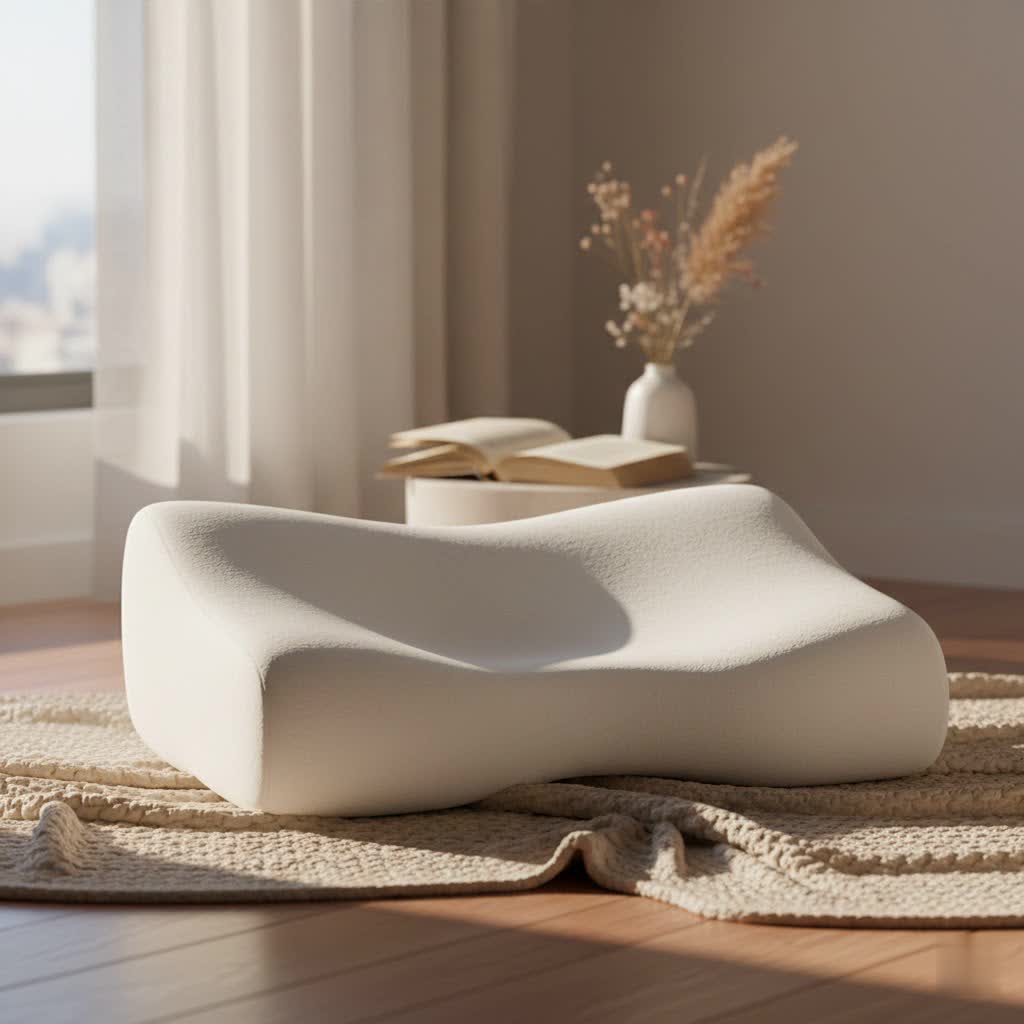
Are you tired of waking up with a stiff back or enduring discomfort after hours of sitting? You’re not alone. Back pain is a pervasive issue that significantly impacts daily life and sleep quality for millions. While the market is flooded with solutions, the memory foam back pillow stands out as a highly effective tool for alleviating discomfort and promoting spinal health. This guide, drawing on over a decade of experience with various foam types, will unveil everything you need to know to choose the ideal memory foam back pillow, transforming your posture and enhancing your well-being.
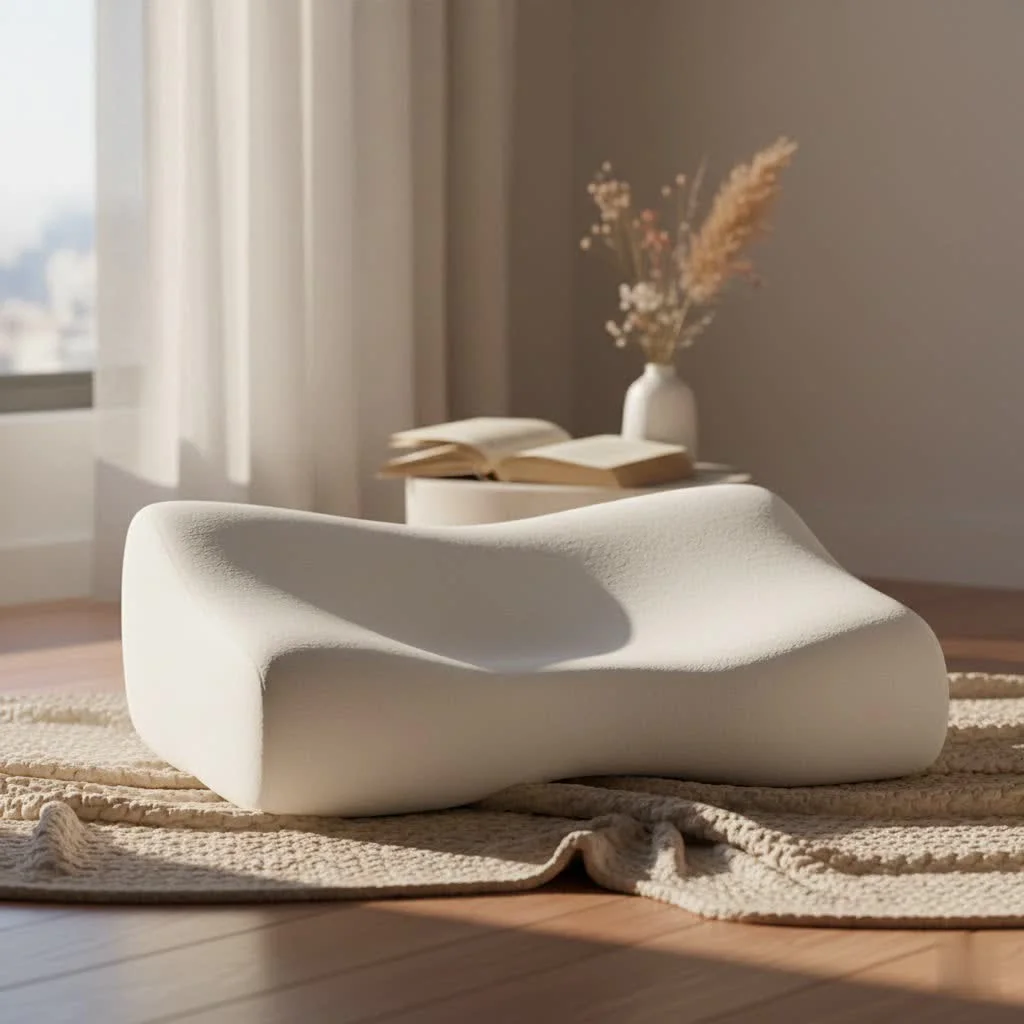
Understanding Memory Foam Back Pillows
Memory foam, originally developed by NASA, is a unique viscoelastic material known for its ability to soften in response to body heat and pressure, then slowly return to its original shape. This “memory” characteristic allows it to contour precisely to your body’s curves, providing personalized support that distributes weight evenly. When applied to back pillows, this technology is paramount in maintaining the natural alignment of your spine, whether you’re sitting upright or lying down. Unlike traditional pillows that might create pressure points, memory foam cradles your back, filling the gaps between your body and the supporting surface.
There’s a distinction to be made between memory foam pillows designed for sleeping and those intended for lumbar support while seated. Sleeping pillows often focus on neck and upper back alignment, while lumbar support pillows specifically target the lower back, commonly featuring ergonomic shapes and sometimes adjustable straps for chairs. Both, however, leverage memory foam’s adaptive properties to deliver therapeutic benefits.
The Transformative Benefits of a Memory Foam Back Pillow
The advantages of integrating a memory foam back pillow into your daily routine or sleep setup extend far beyond simple comfort. They offer a comprehensive approach to back health.
Spinal Alignment and Posture Correction
One of the primary benefits of memory foam back pillows is their exceptional ability to promote proper spinal alignment. By conforming to the natural curvature of your spine, they help maintain a neutral posture, preventing slouching and reducing unnatural stress on spinal discs and ligaments. This is particularly crucial when sitting for prolonged periods, as it encourages an upright posture without forcing the body into an uncomfortable position.
Targeted Pressure Relief
Memory foam excels at distributing body weight evenly across the supported area. This reduces concentrated pressure on sensitive points in the lumbar, thoracic, and cervical regions. For individuals experiencing chronic low back pain, sciatica, or herniated discs, this pressure mapping can significantly alleviate discomfort and prevent the exacerbation of symptoms.
Pain Reduction
|
Our Picks for the Best Foam Pillow in 2026
As an Amazon Associate I earn from qualifying purchases.
|
||
| Num | Product | Action |
|---|---|---|
| 1 | QUTOOL Enhanced Cooling Pillows Queen Size Set of 2,CertiPUR-US Shredded Memory Foam Pillows 2 Pack for Hot Sleeper, Adjustable Bed Pillow for Side, Back, Stomach Sleepers Support Yet Soft, Home Gifts |

|
| 2 | Memory Foam Pillows Neck Pillow Bed Pillow for Sleeping Ergonomic Cervical Pillow Orthopedic Contour Pillow for Side Back Stomach Sleeper |
|
| 3 | Cube Pillow for Side Sleeper with Firm Layer, Cooling Memory Foam Pillows with Two Side Four Types of Softness for Neck and Shoulder Pain, King or Queen 24"x12"x5" |
|
| 4 | Ultra Pain Relief Cooling Pillow for Neck Support, Adjustable Cervical Pillow Cozy Sleeping, Odorless Ergonomic Contour Memory Foam Pillows, Orthopedic Bed Pillow for Side Back Stomach Sleeper |
|
| 5 | QUTOOL Cooling Pillow for Sleeping 2 Pack, Luxury Shredded Memory Foam Bed Queen Pillows Set of 2, Cool Pillow for Hot Sleepers Adjustable Firm Pillow for Side, Back, Stomach Sleepers Soft Yet Support |
|
| 6 | Ultra Pain Relief Cooling Pillow for Neck Support, Adjustable Cervical Pillow Cozy Sleeping, Odorless Ergonomic Contour Memory Foam Pillows, Orthopedic Bed Pillow for Side Back Stomach Sleeper |
|
| 7 | Ultra Pain Relief Cooling Pillow for Neck Support, Adjustable Cervical Pillow Cozy Sleeping, Odorless Ergonomic Contour Memory Foam Pillows, Orthopedic Bed Pillow for Side Back Stomach Sleeper |
|
| 8 | Cooling Pillows for Sleeping, Shredded Memory Foam Cooling Pillow for Hot Sleepers, Adjustable Cool Bed Pillows for Side Back Stomach Sleepers(Queen) |
|
| 9 | Cooling Gel Memory Foam Pillow - 1-Pack - Standard Size Bed Pillows For Sleeping - Medium-Firm - Back, Stomach and Side Sleeper Pillow - Shoulder & Back Pain Relief - Washable , Bamboo Viscose Cover |
|
| 10 | Memory Foam Pillows Neck Pillow Bed Pillow for Sleeping Ergonomic Cervical Contour Pillow for Side Back Stomach Sleeper for Neck and Shoulder Pain |
|
By ensuring proper alignment and relieving pressure, memory foam back pillows play a vital role in reducing various forms of back pain. They help decompress muscles and joints during periods of rest or work, minimizing strain on the lower back, neck, and hip joints. Many users report a noticeable decrease in soreness and stiffness, leading to a more comfortable and pain-free experience.
Enhanced Comfort for Sitting and Sleeping
Whether you’re battling long hours at an office desk, embarking on a road trip, or simply relaxing at home, a memory foam back pillow can drastically improve comfort. It transforms a standard chair into an ergonomically supportive seat and ensures that your spine remains supported throughout the night. This enhanced comfort contributes to better focus during the day and more restful sleep at night.
Durability and Shape Retention
High-quality memory foam is known for its resilience and ability to retain its supportive shape over time. Unlike some traditional fillings that flatten quickly, memory foam pillows are designed to “spring back” to their original form, offering consistent support night after night and day after day. This durability makes them a worthwhile long-term investment in your health.
Exploring Different Types of Memory Foam Back Pillows
The world of memory foam back pillows is diverse, with various designs tailored to specific needs and preferences.
-
Lumbar Support Pillows (for chairs): These are perhaps the most common type, specifically designed to fit between your lower back and a chair. They often feature a contoured shape to fill the natural curve of the lumbar spine and may include adjustable straps to secure them to office chairs, car seats, or even wheelchairs. They are excellent for those who spend extended periods sitting.
-
Sleeping Pillows for Back Sleepers: While not exclusively “back pillows” in the lumbar sense, many memory foam pillows are designed to support the neck and upper back specifically for back sleepers. These often have a medium firmness and a contoured shape to cradle the head and neck, maintaining a neutral spinal alignment from the shoulders upwards. They can also be effectively placed under the knees to reduce strain on the lower back during sleep.
-
Bolster Pillows: These cylindrical pillows are incredibly versatile. Made of memory foam, they can be placed under the lower back while lying down, under the neck, or even between the knees to maintain hip and spinal alignment for side sleepers. Their adaptable shape offers targeted support wherever needed.
-
Wedge Pillows: Offering a gradual incline, memory foam wedge pillows can be used in various ways for back support. They can elevate the upper body to reduce acid reflux and alleviate upper back pressure, or be positioned under the legs to take pressure off the lower back and hips.
-
Shredded Memory Foam Pillows: For those who prefer a customizable feel, shredded memory foam pillows allow you to adjust the loft and firmness by adding or removing filling. This type often offers better airflow than solid foam, addressing the common concern of heat retention.
-
Gel-Infused or Ventilated Foam: To combat the heat-retaining properties of traditional memory foam, many manufacturers now incorporate cooling technologies. Gel-infused foam or foam with ventilation channels helps dissipate heat, ensuring a cooler and more comfortable experience.
Essential Factors When Selecting Your Memory Foam Back Pillow
Choosing the right memory foam back pillow requires careful consideration of several key factors to ensure it meets your individual needs.
-
Sleeping or Sitting Position: Your primary position is paramount.
- Back Sleepers: Generally benefit from a medium-firm pillow with a contoured shape that supports the natural curve of the neck and spine. A bolster under the knees can also be highly effective.
- Side Sleepers: While focusing on neck alignment, a firmer pillow for the neck is crucial. For additional back support, placing a bolster or wedge between the knees helps maintain hip and spinal alignment.
- For Sitting: A dedicated lumbar support pillow with an ergonomic curve is essential to maintain the lower back’s natural lordotic curve.
-
Firmness and Support Level: This is a crucial, yet personal, aspect. A pillow that is too soft may not provide adequate support, allowing your spine to sag. Conversely, one that is too firm can be uncomfortable and create new pressure points. The ideal memory foam back pillow offers a “Goldilocks” firmness—supportive enough to maintain alignment, yet adaptive enough to contour comfortably without resistance. Some memory foam, if too soft, can compress too much, reducing its effectiveness for substantial back support.
-
Shape and Size: Consider where you need support. A contoured lumbar pillow is excellent for office chairs. A smaller bolster can be versatile for various body parts. For sleeping, consider the dimensions that best fit your body and bed, ensuring it provides ample support without being cumbersome.
-
Material and Construction: Beyond just “memory foam,” consider the type. Solid memory foam offers consistent density, while shredded foam allows for adjustability and often better breathability. Gel-infused or open-cell memory foam can be beneficial if you tend to sleep hot.
-
Cover Material: Look for a cover made from breathable, hypoallergenic, and easily washable fabric like bamboo, cotton, or a performance mesh. A removable, machine-washable cover is a practical feature for maintaining hygiene.
-
Certifications: Check for certifications like CertiPUR-US or OEKO-TEX. These indicate that the foam has been tested for harmful chemicals and meets strict standards for content, emissions, and durability, ensuring a safer and healthier product.
-
Trial Period and Warranty: Especially when buying online, a generous trial period allows you to test the pillow in your own environment. A good warranty reflects the manufacturer’s confidence in their product’s durability and quality.
Caring for Your Memory Foam Back Pillow
Proper care and maintenance are vital to extend the life and effectiveness of your memory foam back pillow.
- Cleaning the Cover: Most memory foam pillows come with a removable, machine-washable cover. Always follow the manufacturer’s specific washing instructions, typically using a gentle cycle with cold water and air drying to prevent shrinkage or damage.
- Cleaning the Foam: The memory foam core itself is generally not machine washable. For minor spills or odors, spot cleaning with a mild detergent and a damp cloth is usually recommended. Allow the foam to air dry completely, away from direct sunlight, before replacing the cover. Avoid soaking the foam, as it can damage the material and prolong drying time, leading to mildew.
- Regular Airing: Periodically airing out your memory foam pillow can help dissipate any trapped odors and refresh the foam.
- Lifespan: With proper care, a high-quality memory foam pillow can last anywhere from two to three years. Over time, the foam may gradually lose its supportive properties, at which point it’s advisable to consider a replacement.
“A memory foam back pillow isn’t just a comfort accessory; it’s an investment in your musculoskeletal health. The personalized contouring it offers can be a game-changer for those seeking sustained relief and improved posture.”
Conclusion
Navigating the vast array of memory foam back pillows can seem daunting, but armed with the right knowledge, you can confidently choose a product that genuinely supports your body and enhances your well-being. From understanding the unique benefits of memory foam, through recognizing the different types available, to carefully considering firmness, shape, and materials, every factor plays a role in finding your perfect match. Prioritizing spinal alignment, pressure relief, and proper care will ensure that your memory foam back pillow becomes a cornerstone of your comfort and health for years to come.
Remember, a good day starts with a good night’s sleep and comfortable support throughout your waking hours. What steps will you take today to upgrade your back health?
Frequently Asked Questions
What is the ideal firmness for a memory foam back pillow?
The ideal firmness for a memory foam back pillow is typically medium-firm. It should be firm enough to provide consistent support and maintain your spine’s natural curve, but also soft enough to contour to your body without creating uncomfortable pressure points. Avoid pillows that feel too soft and allow excessive sinking, or those that are too rigid.
Can a memory foam back pillow help with sciatica?
Yes, a memory foam back pillow can often help alleviate sciatica pain. By providing targeted support to the lower back and promoting proper spinal alignment, it reduces pressure on the sciatic nerve. Placing a memory foam pillow under the knees during sleep can also help decompress the lumbar spine, further reducing sciatic nerve irritation.
How often should I replace my memory foam back pillow?
A high-quality memory foam back pillow typically lasts between two to three years. Over time, the foam may begin to break down, losing its elasticity and supportive qualities. You’ll know it’s time to replace it if you notice a loss of firmness, persistent indentations, or if your back pain symptoms return despite using the pillow.
Get our weekly buyer guide
Practical specs, not advice. Unsubscribe anytime.
