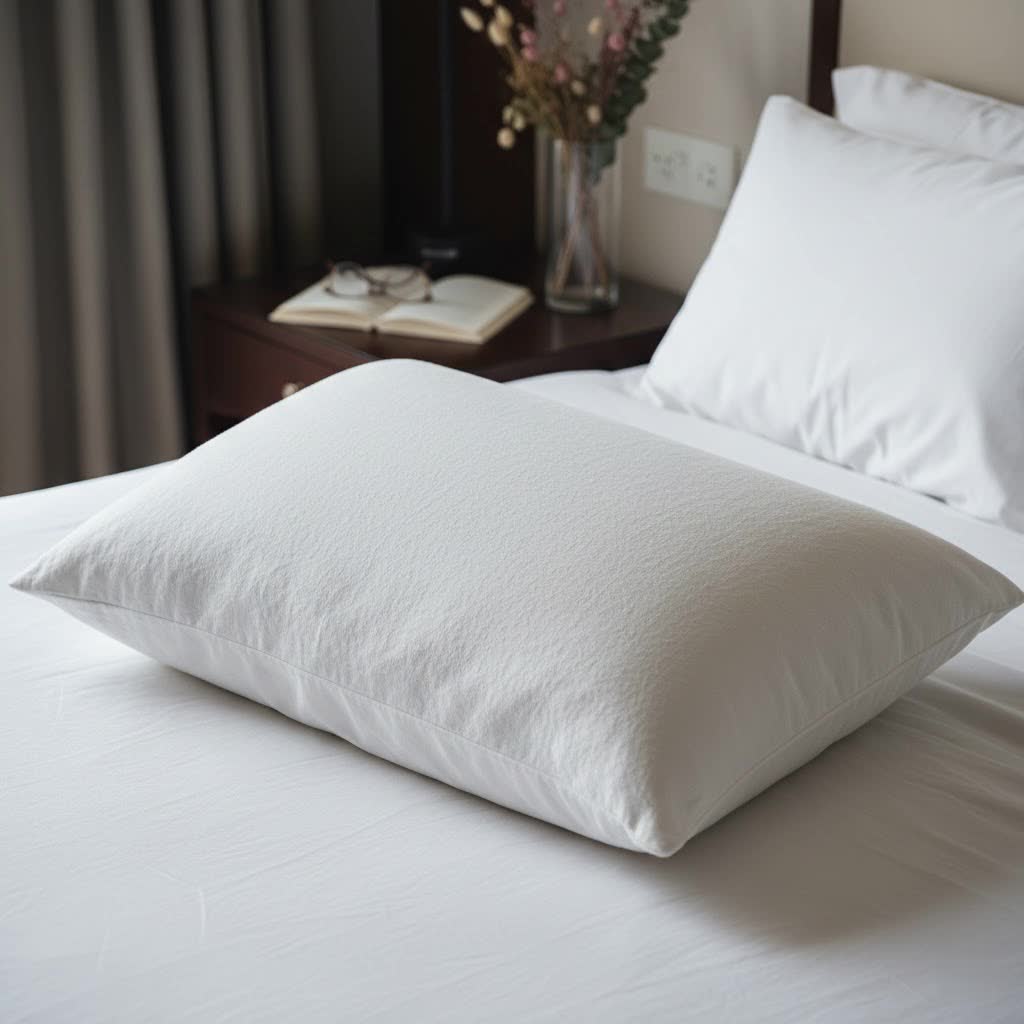
Are you a back sleeper constantly searching for that elusive perfect pillow? Waking up refreshed and pain-free often hinges on having the right support, and for many, a memory foam pillow is the answer. This comprehensive guide will help you navigate the world of foam pillows, understanding the critical features that ensure your head, neck, and spine maintain optimal alignment for a truly restorative night’s sleep.
Understanding Back Sleeping Posture and Pillow Needs
Sleeping on your back is often considered one of the healthiest positions, promoting proper spinal alignment and reducing pressure points, but only if supported correctly. The primary goal for a back sleeper’s pillow is to maintain the natural curvature of your neck, ensuring your head isn’t tilted too far forward or backward. This neutral position prevents strain on your cervical spine, alleviating neck and shoulder pain. For expert memory foam reviews on this site.
The ideal pillow for back sleepers typically features a medium loft (height) and medium firmness. A medium loft cradles your neck without pushing your chin towards your chest, while medium firmness provides enough resistance to support your head without allowing it to sink too deeply. Individual factors such as your body type – broader shoulders might need a slightly higher loft – and mattress firmness also play a role. A softer mattress, for instance, allows your shoulders to sink more, potentially requiring a lower-loft pillow to maintain alignment, whereas a firmer mattress may necessitate a slightly higher loft.
The World of Foam: Types Beyond Just Memory Foam
The term “foam pillow” encompasses a variety of materials, each offering distinct characteristics. Understanding these differences is key to making an informed choice for your sleep needs.
Memory Foam
Memory foam, or viscoelastic polyurethane foam, is renowned for its ability to conform precisely to the shape of your head and neck, offering personalized support.
- Pros: Superior contouring and pressure relief, excellent for maintaining spinal alignment, effectively reduces neck and back pain, and minimizes motion transfer.
- Cons: Can retain body heat, which might be uncomfortable for hot sleepers, may have an initial “off-gassing” odor, and tends to be less responsive than other foams.
- Variations:
- Traditional Memory Foam: The classic, dense foam that slowly molds to your shape.
- Shredded Memory Foam: Consists of small foam pieces, allowing you to adjust the loft and firmness by adding or removing fill. This also promotes better airflow.
- Gel-Infused Memory Foam: Incorporates cooling gel particles or layers to dissipate heat and provide a cooler sleep surface.
Latex Foam
|
Our Picks for the Best Foam Pillow in 2026
As an Amazon Associate I earn from qualifying purchases.
|
||
| Num | Product | Action |
|---|---|---|
| 1 | QUTOOL Enhanced Cooling Pillows Queen Size Set of 2,CertiPUR-US Shredded Memory Foam Pillows 2 Pack for Hot Sleeper, Adjustable Bed Pillow for Side, Back, Stomach Sleepers Support Yet Soft, Home Gifts |

|
| 2 | Cooling Gel Memory Foam Pillow - 1-Pack - Standard Size Bed Pillows For Sleeping - Medium-Firm - Back, Stomach and Side Sleeper Pillow - Shoulder & Back Pain Relief - Washable , Bamboo Viscose Cover |
|
| 3 | Cube Pillow for Side Sleeper with Firm Layer, Cooling Memory Foam Pillows with Two Side Four Types of Softness for Neck and Shoulder Pain, King or Queen 24"x12"x5" |
|
| 4 | QUTOOL Cooling Pillow for Sleeping 2 Pack, Luxury Shredded Memory Foam Bed Queen Pillows Set of 2, Cool Pillow for Hot Sleepers Adjustable Firm Pillow for Side, Back, Stomach Sleepers Soft Yet Support |
|
| 5 | Cooling Pillows for Sleeping, Shredded Memory Foam Cooling Pillow for Hot Sleepers, Adjustable Cool Bed Pillows for Side Back Stomach Sleepers(Queen) |
|
| 6 | Ultra Pain Relief Cooling Pillow for Neck Support, Adjustable Cervical Pillow Cozy Sleeping, Odorless Ergonomic Contour Memory Foam Pillows, Orthopedic Bed Pillow for Side Back Stomach Sleeper |
|
| 7 | Ultra Pain Relief Cooling Pillow for Neck Support, Adjustable Cervical Pillow Cozy Sleeping, Odorless Ergonomic Contour Memory Foam Pillows, Orthopedic Bed Pillow for Side Back Stomach Sleeper |
|
| 8 | Memory Foam Pillows Neck Pillow Bed Pillow for Sleeping Ergonomic Cervical Contour Pillow for Side Back Stomach Sleeper for Neck and Shoulder Pain |
|
| 9 | Ultra Pain Relief Cooling Pillow for Neck Support, Adjustable Cervical Pillow Cozy Sleeping, Odorless Ergonomic Contour Memory Foam Pillows, Orthopedic Bed Pillow for Side Back Stomach Sleeper |
|
| 10 | Memory Foam Pillows Neck Pillow Bed Pillow for Sleeping Ergonomic Cervical Pillow Orthopedic Contour Pillow for Side Back Stomach Sleeper |
|
Latex foam is a natural alternative, derived from rubber trees, known for its resilience and breathability.
- Pros: Highly responsive with a buoyant feel, exceptionally durable and long-lasting, naturally breathable for a cooler sleep, hypoallergenic, and resistant to dust mites and mold.
- Cons: Often firmer than memory foam, can be heavier, and generally comes at a higher price point.
Polyurethane Foam
While memory foam is a type of polyurethane foam, the broader category includes standard polyurethane foam, which is less dense and offers less contouring than specialized memory foam. It’s often used as a core or base layer in some pillows.
Gel-Infused Foam
As mentioned, gel-infused foam primarily addresses the heat retention issue common with traditional memory foam. The gel helps to draw heat away from your body, offering a noticeably cooler sleep experience, which is beneficial for those who tend to overheat at night.
Shredded Foam
Whether memory foam or latex, shredded foam options offer significant advantages in terms of adjustability. The ability to customize the fill allows you to achieve the exact loft and firmness required for your unique back-sleeping posture, ensuring optimal neck and spinal alignment. This format also enhances airflow, making it a more breathable choice.
Memory Foam vs. Latex: A Head-to-Head Comparison for Back Sleepers
Both memory foam and latex pillows offer excellent support for back sleepers, but their distinct properties cater to different preferences.
| Feature | Memory Foam | Latex Foam |
|---|---|---|
| Contouring | High (slow, deep cradle) | Medium (responsive, immediate support) |
| Responsiveness | Low (slow recovery) | High (quick bounce back) |
| Heat Retention | Can trap heat (improved with gel/perforations) | Naturally breathable, cooler |
| Durability | Good (5-7 years) | Excellent (8-10+ years) |
| Pressure Relief | Superior (conforms closely) | Excellent (evenly distributes weight) |
| Firmness Range | Wide (from soft to very firm) | Medium to firm |
| Allergies | Can off-gas initially | Hypoallergenic, resistant to dust mites and mold |
| Cost | Generally moderate to high | Often higher |
For back sleepers prioritizing deep contouring and pain relief, memory foam’s ability to precisely mold to your unique curves is highly advantageous, especially for those with specific neck or back pain. If you tend to move frequently or prefer a more responsive feel, latex might offer a slight edge due to its instant bounce back and superior breathability.
Key Features to Look For in a Memory Foam Pillow for Back Sleepers
Selecting the ideal memory foam pillow involves considering several critical features to ensure it meets the specific demands of back sleeping.
Loft & Firmness
A medium loft, typically between 2 to 4 inches, is crucial for back sleepers. This height supports the natural curve of your cervical spine without forcing your head into an unnatural upward or downward tilt. Paired with a medium-firmness, it prevents your head from sinking too deeply into the pillow, maintaining consistent alignment throughout the night. Adjustable shredded memory foam pillows are excellent for fine-tuning both loft and firmness to your exact preference.
Pillow Shape
While traditional shapes can work, contoured (cervical) pillows are often recommended for back sleepers. These pillows feature a dip in the center to cradle the head and a raised edge to support the neck, promoting the natural C-curve of the spine. Some designs offer a gently arched side specifically for back sleepers and a flatter side for other positions, making them versatile.
Cooling Technologies
Heat retention is a common concern with memory foam. Look for pillows that incorporate cooling features to ensure a comfortable temperature:
- Gel Infusion: Gel particles or layers embedded in the foam help absorb and dissipate heat.
- Perforated Foam: Small holes in the foam increase airflow and breathability.
- Breathable Covers: Pillowcases made from materials like Tencel, bamboo, or specialized cooling fabrics can significantly enhance air circulation.
Material Quality & Certifications
Always check for certifications that guarantee the foam’s safety and quality.
- CertiPUR-US: Ensures the foam is made without harmful chemicals, heavy metals, formaldehyde, and phthalates, and has low VOC (Volatile Organic Compound) emissions for indoor air quality.
- OEKO-TEX: Certifies that textiles and fabrics are free from harmful substances.
Cover Material
A pillow cover that is breathable, removable, and machine-washable is essential. This not only contributes to a cooler sleep but also simplifies hygiene, allowing for easy cleaning and maintenance. Materials like cotton, bamboo, or specialized cooling fabrics are excellent choices.
Size
Pillows typically come in standard, queen, and king sizes. While the size generally matches your mattress, ensure the pillow provides ample head and neck support without crowding your sleeping space.
Choosing Your Perfect Memory Foam Pillow: A Step-by-Step Guide
Finding the right memory foam pillow is a personal journey that can significantly impact your sleep quality.
Assess Your Needs
Begin by honestly evaluating your personal sleep profile.
- Sleep Posture: Confirm you are primarily a back sleeper.
- Health Concerns: Do you experience neck pain, shoulder stiffness, or headaches upon waking? Memory foam’s contouring can be particularly beneficial for these issues.
- Body Type: A larger body frame might require a slightly higher loft than a petite frame.
- Mattress Firmness: Your mattress plays a role. A soft mattress allows your body to sink, needing a slightly lower pillow loft, while a firm mattress might require a higher loft.
- Temperature Preference: If you tend to sleep hot, prioritize pillows with advanced cooling technologies.
Consider Loft & Firmness
As a back sleeper, aim for a medium-loft, medium-firm pillow. If possible, try lying on a pillow for a few minutes to gauge how your head and neck feel. Your ears should align with your shoulders, and your chin should be neutral, not pointing up or tucked down. Adjustable shredded memory foam pillows offer the most flexibility in customizing these elements.
Read Reviews & Look for Trials
Customer reviews can offer valuable insights into a pillow’s real-world performance, especially regarding comfort, support, and cooling. Prioritize brands that offer a trial period (e.g., 30-day, 100-night) and a clear return policy. This allows you to test the pillow in your own sleeping environment without financial risk.
Budget Considerations
Memory foam pillows range in price. While a higher price often indicates better quality materials and advanced features (like cooling technology), excellent options are available across various price points. Balance your budget with the features most important for your sleep health. Think of it as an investment in your well-being.
Caring for Your Memory Foam Pillow
Proper care extends the life and maintains the performance of your memory foam pillow.
- Cleaning: Most memory foam inserts should never be machine washed or submerged in water, as this can damage the foam structure. Instead, spot clean any stains with a mild detergent and water, then allow it to air dry completely.
- Covers: Always use a removable, washable pillow cover. Wash the cover regularly according to its care instructions to keep your pillow fresh and hygienic.
- Air Out: Periodically air out your memory foam pillow in a well-ventilated area, away from direct sunlight, to refresh it and help dissipate any odors.
- Longevity: Memory foam pillows generally last 3-5 years, depending on quality and usage. Signs it’s time for a replacement include permanent indentations, loss of support, or a noticeable change in texture.
“A truly supportive pillow is not just about comfort; it’s about spinal health. For back sleepers, the right memory foam pillow can be a major upgrade for alleviating chronic neck pain and ensuring undisturbed rest.” – Dr. Eleanor Vance, Sleep Ergonomics Specialist
Conclusion
Choosing the ideal memory foam pillow for back sleepers is a crucial step towards achieving consistent, restful sleep and maintaining optimal spinal health. By understanding the nuances of loft, firmness, and shape, and considering the benefits of various foam types and cooling technologies, you can select a pillow that perfectly cradles your head and neck. Invest wisely in a pillow that supports your unique needs, and you’ll open up the secret to waking up refreshed, energized, and ready to face the day. What will your perfect memory foam pillow feel like?
Frequently Asked Questions
Is memory foam good for back sleepers with neck pain?
Yes, memory foam is exceptionally beneficial for back sleepers with neck pain. Its unique contouring properties allow it to mold to the exact shape of your head and neck, providing customized support that maintains proper spinal alignment and relieves pressure points, often reducing discomfort.
How often should I replace my memory foam pillow?
Typically, a high-quality memory foam pillow should be replaced every 3-5 years. Over time, memory foam can lose its ability to rebound and provide adequate support, leading to permanent indentations and diminished pressure relief.
Can memory foam pillows cause heat issues?
Traditional memory foam can indeed retain heat due to its dense structure. However, many modern memory foam pillows incorporate cooling technologies such as gel infusions, perforations, or breathable covers to dissipate heat and ensure a cooler sleeping experience.
What’s the ideal loft for a back sleeper’s memory foam pillow?
For most back sleepers, a medium loft, generally between 2 to 4 inches, is considered ideal. This height effectively supports the natural curve of the neck without causing the head to tilt too far forward or backward, promoting healthy spinal alignment.
Are adjustable memory foam pillows better for back sleepers?
Adjustable memory foam pillows, often filled with shredded foam, are excellent for back sleepers because they allow for personalized customization of both loft and firmness. This adaptability ensures you can achieve the precise level of support required for optimal spinal alignment, catering to individual preferences and body types.
Get our weekly buyer guide
Practical specs, not advice. Unsubscribe anytime.

I was excited to try a memory foam pillow after hearing how good they are for back sleepers. I got one that was supposed to be good for neck support, but I found it a little too firm for my liking. It does keep my head from tilting too far back, but I wish it had a bit more give. Maybe I just need to find a different density.
This guide was a lifesaver! I never realized how much my old pillow was contributing to my shoulder pain. The advice on preventing strain on the cervical spine really resonated with me. I got a new memory foam pillow with good loft, and I’m finally sleeping through the night without discomfort. Highly recommend paying attention to the details here.
I appreciate the breakdown of how memory foam supports spinal alignment. I used to just grab whatever pillow was on sale, but after reading this, I invested in a contoured memory foam pillow. It’s definitely improved my sleep quality, though it took a few nights to get used to the different feel compared to my old feather pillow.
I’ve been a back sleeper my whole life and always struggled with finding a pillow that didn’t leave my neck stiff. This guide really helped me understand the importance of maintaining that natural neck curvature. I ended up getting a medium-firm memory foam pillow, and it’s made such a difference. No more waking up with a crick in my neck!