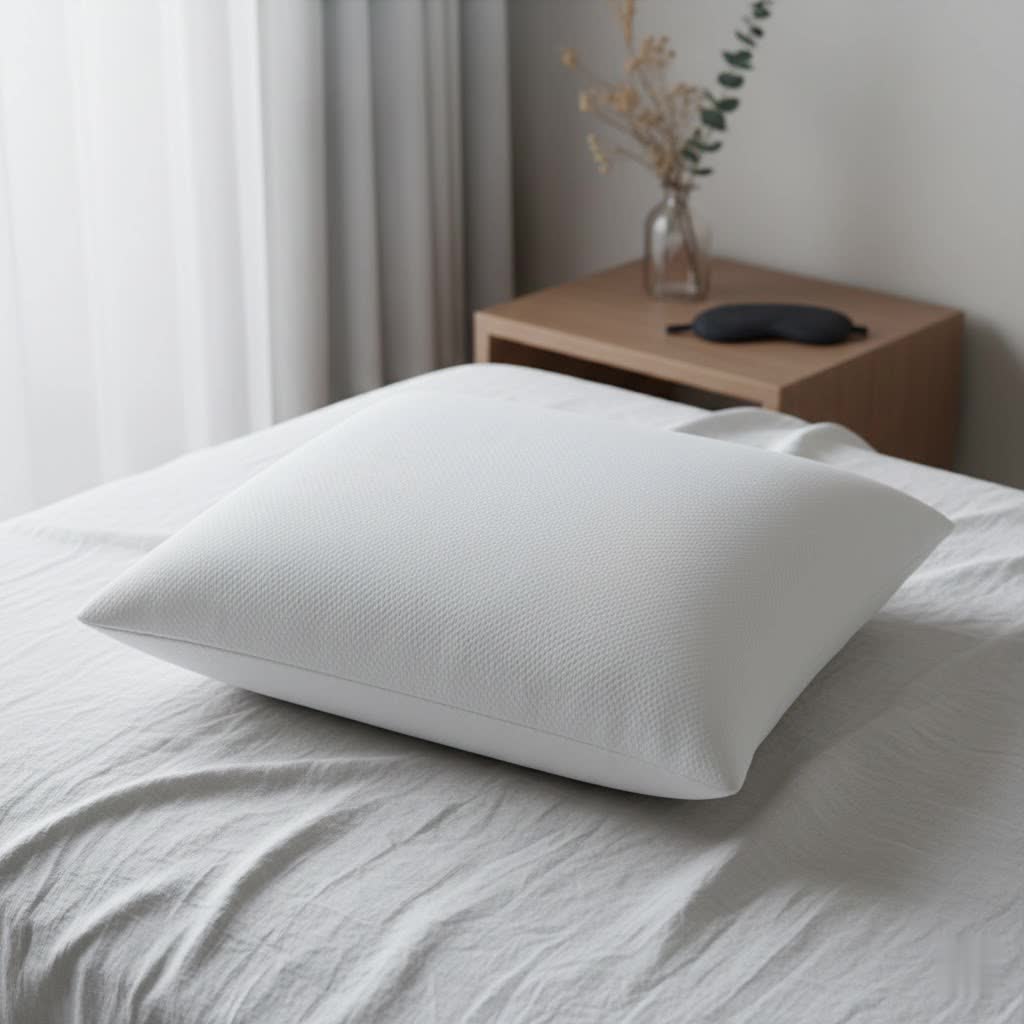
Waking up with a stiff neck or persistent discomfort can turn your mornings into a struggle, leaving you yearning for a truly restorative night’s sleep. If your current pillow isn’t providing the support you need, it might be time to consider an upgrade to the innovative world of memory foam pillows. Designed to cradle your unique contours and alleviate pressure points, memory foam can improve your sleep experience. But with so many options available, how do you find the perfect one? This comprehensive guide will explore everything you need to know about memory foam pillows, from their fascinating origins and diverse types to crucial selection criteria and essential care tips, ensuring you make an informed choice for healthier, more comfortable sleep.
What is a Memory Foam Pillow? The Science Behind Your Sleep
Memory foam, scientifically known as viscoelastic polyurethane foam, is a marvel of material science, first developed by NASA in the 1960s for aircraft cushions. Its unique properties allow it to react to both heat and pressure, softening and molding precisely to the shape of your head and neck. Unlike traditional pillows that simply compress, memory foam provides a personalized cradle, distributing weight evenly and offering consistent support. Once pressure is removed, it slowly returns to its original form, hence the term “memory.” This slow-response contouring is key to its effectiveness in promoting proper spinal alignment and relieving pressure. For browse all memory foam articles on this site.
The Undeniable Advantages of Memory Foam Pillows
Memory foam pillows have soared in popularity for a reason, offering a range of benefits that traditional pillows often can’t match:
- Exceptional Support and Pressure Relief: The primary advantage of memory foam is its ability to conform precisely to your head and neck, filling the natural curve of your cervical spine. This personalized contouring ensures optimal spinal alignment, which can significantly reduce neck, shoulder, and back pain. By distributing your weight evenly, memory foam alleviates pressure points, allowing muscles to relax fully.
- Enhanced Durability: Thanks to their dense and resilient nature, memory foam pillows generally boast a longer lifespan than those filled with traditional materials like feathers, down, or polyester fibers. They are designed to withstand repeated compression and quickly rebound, maintaining their supportive shape for years.
- Hypoallergenic Properties: The dense cellular structure of memory foam naturally resists dust mites, mold, and other common allergens. This makes memory foam pillows an excellent choice for individuals prone to allergies or asthma, contributing to a cleaner, healthier sleep environment.
- Superior Motion Isolation: While more noticeable in mattresses, memory foam pillows also offer good motion isolation. If you share a bed and your partner tosses and turns, a memory foam pillow can help minimize the transfer of movement, leading to fewer disturbances for a more peaceful night.
Navigating the Potential Disadvantages
|
Our Picks for the Best Foam Pillow in 2026
As an Amazon Associate I earn from qualifying purchases.
|
||
| Num | Product | Action |
|---|---|---|
| 1 | Cooling Gel Memory Foam Pillow - 1-Pack - Standard Size Bed Pillows For Sleeping - Medium-Firm - Back, Stomach and Side Sleeper Pillow - Shoulder & Back Pain Relief - Washable , Bamboo Viscose Cover |

|
| 2 | Cube Pillow for Side Sleeper with Firm Layer, Cooling Memory Foam Pillows with Two Side Four Types of Softness for Neck and Shoulder Pain, King or Queen 24"x12"x5" |
|
| 3 | Cooling Pillows for Sleeping, Shredded Memory Foam Cooling Pillow for Hot Sleepers, Adjustable Cool Bed Pillows for Side Back Stomach Sleepers(Queen) |
|
| 4 | QUTOOL Enhanced Cooling Pillows Queen Size Set of 2,CertiPUR-US Shredded Memory Foam Pillows 2 Pack for Hot Sleeper, Adjustable Bed Pillow for Side, Back, Stomach Sleepers Support Yet Soft, Home Gifts |
|
| 5 | Ultra Pain Relief Cooling Pillow for Neck Support, Adjustable Cervical Pillow Cozy Sleeping, Odorless Ergonomic Contour Memory Foam Pillows, Orthopedic Bed Pillow for Side Back Stomach Sleeper |
|
| 6 | Memory Foam Pillows Neck Pillow Bed Pillow for Sleeping Ergonomic Cervical Contour Pillow for Side Back Stomach Sleeper for Neck and Shoulder Pain |
|
| 7 | Ultra Pain Relief Cooling Pillow for Neck Support, Adjustable Cervical Pillow Cozy Sleeping, Odorless Ergonomic Contour Memory Foam Pillows, Orthopedic Bed Pillow for Side Back Stomach Sleeper |
|
| 8 | Memory Foam Pillows Neck Pillow Bed Pillow for Sleeping Ergonomic Cervical Pillow Orthopedic Contour Pillow for Side Back Stomach Sleeper |
|
| 9 | Ultra Pain Relief Cooling Pillow for Neck Support, Adjustable Cervical Pillow Cozy Sleeping, Odorless Ergonomic Contour Memory Foam Pillows, Orthopedic Bed Pillow for Side Back Stomach Sleeper |
|
| 10 | QUTOOL Cooling Pillow for Sleeping 2 Pack, Luxury Shredded Memory Foam Bed Queen Pillows Set of 2, Cool Pillow for Hot Sleepers Adjustable Firm Pillow for Side, Back, Stomach Sleepers Soft Yet Support |
|
While memory foam pillows offer numerous benefits, it’s important to be aware of a few potential drawbacks:
- Heat Retention: One of the most common complaints about traditional memory foam is its tendency to trap body heat. The dense material can restrict airflow, making some sleepers feel warm. However, modern innovations like gel infusions, perforations, and breathable covers are designed to combat this issue.
- Initial Off-Gassing Smell: New memory foam products may emit a temporary chemical odor, often referred to as “off-gassing.” This smell, caused by volatile organic compounds (VOCs) released from the manufacturing process, is generally harmless and dissipates within a few days to a couple of weeks with proper ventilation.
- Weight and Firmness: Memory foam pillows can be heavier than other types due to their density. They may feel firmer in colder environments and soften as they absorb body heat, which some sleepers might find initially uncomfortable. The “sink-in” sensation, while beneficial for support, can sometimes feel restrictive for those who prefer to change positions frequently.
- Cleaning Challenges: Unlike some traditional pillows that can be machine washed, most solid memory foam pillows are spot-clean only. While many come with removable, washable covers, the foam itself requires careful cleaning to avoid damage.
Unpacking the Types of Memory Foam Pillows
The world of memory foam pillows is more diverse than you might think, with various constructions catering to different preferences:
- Solid Block Memory Foam: These pillows are made from a single, contoured piece of memory foam. They offer consistent, firm support and excel at maintaining their shape without needing to be fluffed. Often, they are perforated with holes to enhance airflow and mitigate heat retention.
- Shredded or Cross-Cut Memory Foam: Unlike solid blocks, these pillows are filled with small pieces of memory foam, often blended with other fibers like microfiber. This construction makes them more moldable and allows for better air circulation. Many shredded foam pillows are adjustable, enabling you to add or remove fill to customize the loft (height) and firmness to your exact preference.
- Gel-Infused Memory Foam: To address the heat retention issue, many memory foam pillows are infused with cooling gel or feature a gel layer. These gel particles or pads are designed to absorb and dissipate heat away from your body, providing a cooler sleep surface throughout the night.
- Contour (Cervical) Memory Foam: These pillows are specifically designed with a unique, ergonomic shape—often featuring a raised edge and a dip in the center—to support the natural curve of your neck (cervical spine). They are particularly beneficial for individuals experiencing neck pain or those needing enhanced orthopedic support.
Choosing Your Perfect Memory Foam Pillow: Key Considerations
Selecting the right memory foam pillow is a personal journey. Consider these factors to find your ideal match:
Sleeping Position
Your preferred sleeping position is perhaps the most critical factor in determining the ideal pillow.
- Side Sleepers: You need a pillow with a higher loft (typically 4-6 inches) and medium to firm support to bridge the gap between your shoulder and head, keeping your neck and spine in neutral alignment. A pillow that’s too soft or too low can lead to neck strain.
- Back Sleepers: A medium-loft and medium-firm pillow is usually best. It should support the natural curve of your neck without pushing your head too far forward or allowing it to sink too far back.
- Stomach Sleepers: This position generally requires a lower loft and a softer pillow to prevent your neck from arching uncomfortably, which can cause strain. Some stomach sleepers even prefer no pillow at all, or a very thin one.
- Combination Sleepers: If you frequently change positions, an adjustable shredded memory foam pillow offers the versatility to customize its loft and firmness, accommodating your varying needs throughout the night.
Loft (Height) and Firmness
The loft refers to the pillow’s height, while firmness describes its density and feel. These two factors work in tandem to ensure proper spinal alignment. Adjustable pillows, which allow you to add or remove fill, are excellent for fine-tuning both loft and firmness to achieve personalized comfort. A pillow that is too soft will not provide adequate support, while one that is too firm can cause discomfort and pressure.
Cooling Technologies
If you tend to sleep hot, look for memory foam pillows designed with cooling features. These include gel infusions, open-cell foam structures for better airflow, ventilation holes, and covers made from breathable, moisture-wicking materials such as bamboo, Tencel, or polyethylene.
Pillow Size and Shape
Standard, Queen, and King sizes are common, but specialized shapes like contour pillows are also available. Consider your bed size and how much space you need to move. For instance, a larger pillow might be preferable for restless sleepers who need more surface area.
Cover Material and Washability
A good pillow cover should be soft, breathable, and easy to clean. Many memory foam pillows come with removable, machine-washable covers made from materials like bamboo viscose, cotton, or polyester blends. These not only protect the pillow but also contribute to overall hygiene and comfort.
Certifications for Your Peace of Mind
To ensure your memory foam pillow is safe and free from harmful chemicals, look for reputable certifications:
- CertiPUR-US®: This certification ensures that the foam is made without ozone depleters, PBDE flame retardants, mercury, lead, other heavy metals, formaldehyde, and phthalates. It also certifies low VOC (Volatile Organic Compound) emissions for indoor air quality.
- GREENGUARD Gold: Similar to CertiPUR-US, GREENGUARD Gold certification focuses on strict chemical emissions limits, ensuring products contribute to healthier indoor air. It often includes criteria for additional chemicals beyond VOCs.
“When selecting a memory foam pillow, prioritizing certifications like CertiPUR-US and GREENGUARD Gold is crucial. These labels ensure your pillow is free from harmful chemicals, contributing to both your health and a healthier indoor environment.”
Memory Foam vs. Other Popular Pillow Materials
While memory foam is an excellent choice for many, understanding how it compares to other common pillow materials can help solidify your decision.
Latex Foam
Latex pillows are made from the sap of rubber trees (natural latex) or synthetic versions.
- Responsiveness: Latex is highly responsive and instantly springs back to shape, offering a buoyant, supportive feel without the “sink-in” quality of memory foam.
- Breathability: Natural latex is inherently more breathable than traditional memory foam, making it an excellent option for hot sleepers.
- Durability: Latex is incredibly durable, often outlasting memory foam pillows, with some lasting over two decades.
- Environmental Impact: Natural latex is a renewable resource and often more eco-friendly.
- Cost: Latex pillows typically come with a higher price tag than most memory foam options.
Polyurethane Foam (Traditional Poly-Foam)
Memory foam is a type of polyurethane foam, but traditional poly-foam is different.
- Cost: Poly-foam is generally the least expensive pillow material.
- Density & Support: It is usually less dense and less supportive than memory foam, offering a more generic, less contouring feel.
- Durability: Lower-density poly-foam tends to degrade much faster than memory foam or latex, losing its shape and support more quickly.
- Off-Gassing: Like memory foam, it can also have off-gassing issues.
Essential Maintenance and Care Tips for Your Memory Foam Pillow
Proper care can significantly extend the lifespan of your memory foam pillow and maintain its performance:
- Use a Protective Cover: Always use a pillowcase and, ideally, a washable pillow protector to shield your memory foam from sweat, oils, and allergens.
- Spot Clean Only: For solid memory foam, spot cleaning with a mild detergent and water is recommended. Avoid fully submerging the foam in water, as it can damage the material and inhibit drying.
- Machine Washable Covers: Most memory foam pillows come with removable, machine-washable covers. Follow the care instructions on the label for best results.
- Air Out Regularly: To combat potential off-gassing and keep your pillow fresh, air it out in a well-ventilated space (away from direct sunlight) every few months, or if you notice any lingering odors.
- Avoid Harsh Chemicals: Do not use bleach or strong chemical cleaners, as these can break down the foam and reduce its longevity.
- Avoid Direct Sunlight: Prolonged exposure to direct sunlight can cause the foam to yellow and degrade its cellular structure.
- Replace When Needed: Even the most durable memory foam pillows will eventually show signs of wear, typically every 2-3 years. If your pillow is no longer providing adequate support, has permanent indentations, or causes you discomfort, it’s time for a replacement.
Conclusion
A memory foam pillow can be a major upgrade for your sleep health, offering unparalleled support, pressure relief, and durability. By understanding the different types, considering your unique sleeping style, and looking for key features like cooling technology and safety certifications, you can confidently choose a pillow that perfectly aligns with your needs. Investing in the right memory foam pillow is an investment in countless nights of comfortable, rejuvenating sleep, helping you wake up feeling refreshed and ready to tackle your day. Are you ready to discover the transformative power of personalized comfort?
Frequently Asked Questions
Is a memory foam pillow good for neck pain?
Yes, memory foam pillows are often highly recommended for neck pain because they contour precisely to the head and neck, promoting proper spinal alignment. This personalized support helps to relieve pressure points and reduce muscle tension, which can significantly alleviate existing neck discomfort and prevent new aches from developing.
Do memory foam pillows sleep hot?
While traditional memory foam can retain heat due to its dense structure, many modern memory foam pillows incorporate advanced cooling technologies. Look for features like gel infusions, perforated designs for increased airflow, or breathable covers made from materials like bamboo to ensure a cooler sleep experience.
How long do memory foam pillows typically last?
On average, a high-quality memory foam pillow can last between 2 to 3 years. Its durability depends on factors such as foam density, usage, and proper care. Signs that it’s time for a replacement include loss of shape, diminished support, or persistent discomfort.
Can memory foam pillows be adjusted?
Many contemporary memory foam pillows, particularly those filled with shredded or cross-cut foam, offer adjustable loft and firmness. This allows you to add or remove fill to customize the pillow’s height and density, making it adaptable to various sleeping positions and personal preferences.
Get our weekly buyer guide
Practical specs, not advice. Unsubscribe anytime.
