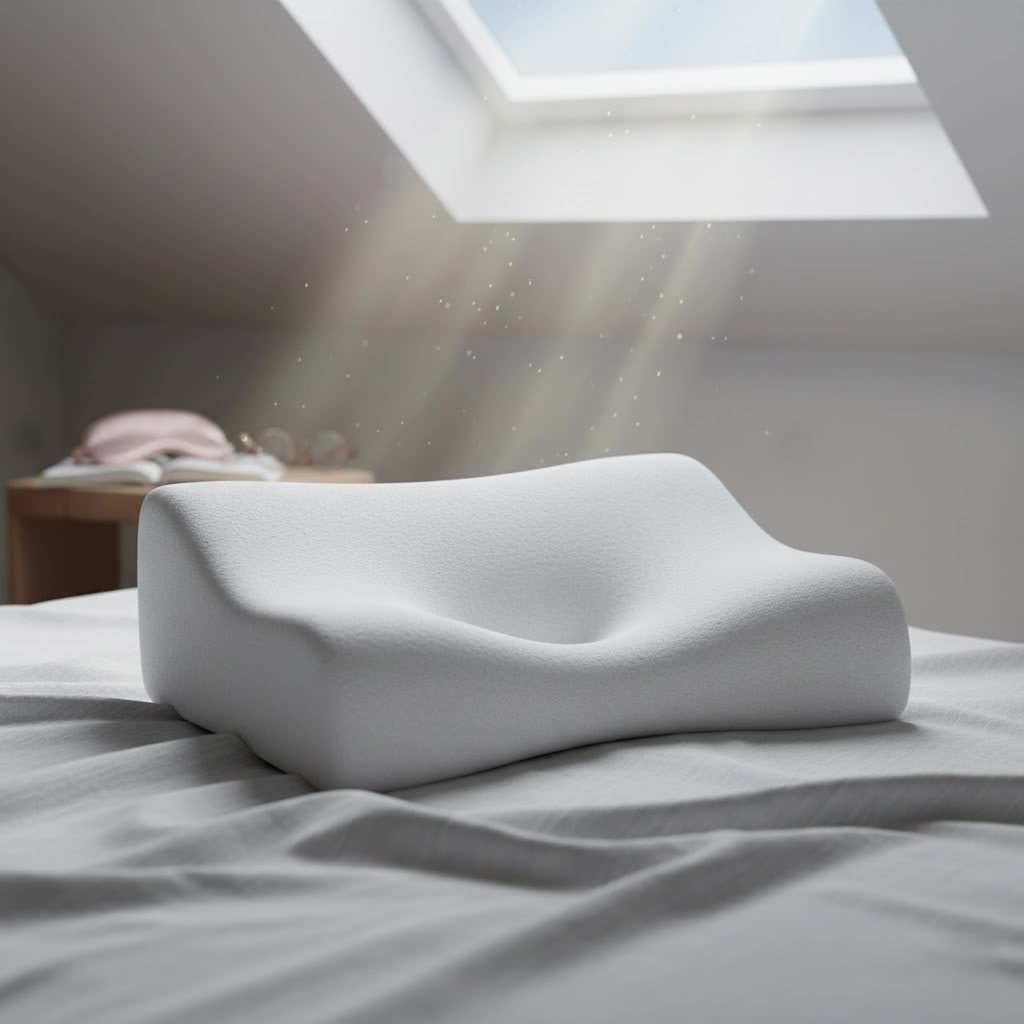
Do you often wake up feeling overheated, or struggle with neck pain despite trying various pillows? Many sleepers face a common dilemma: the plush comfort and support of memory foam, but also its tendency to retain heat. The innovative solution comes in the form of the gel memory foam pillow, a specialized design engineered to offer the best of both worlds – cradling comfort and superior cooling. This comprehensive guide will navigate you through everything you need to know about gel memory foam pillows, ensuring you can make an informed choice for a rejuvenating night’s rest and improved well-being.
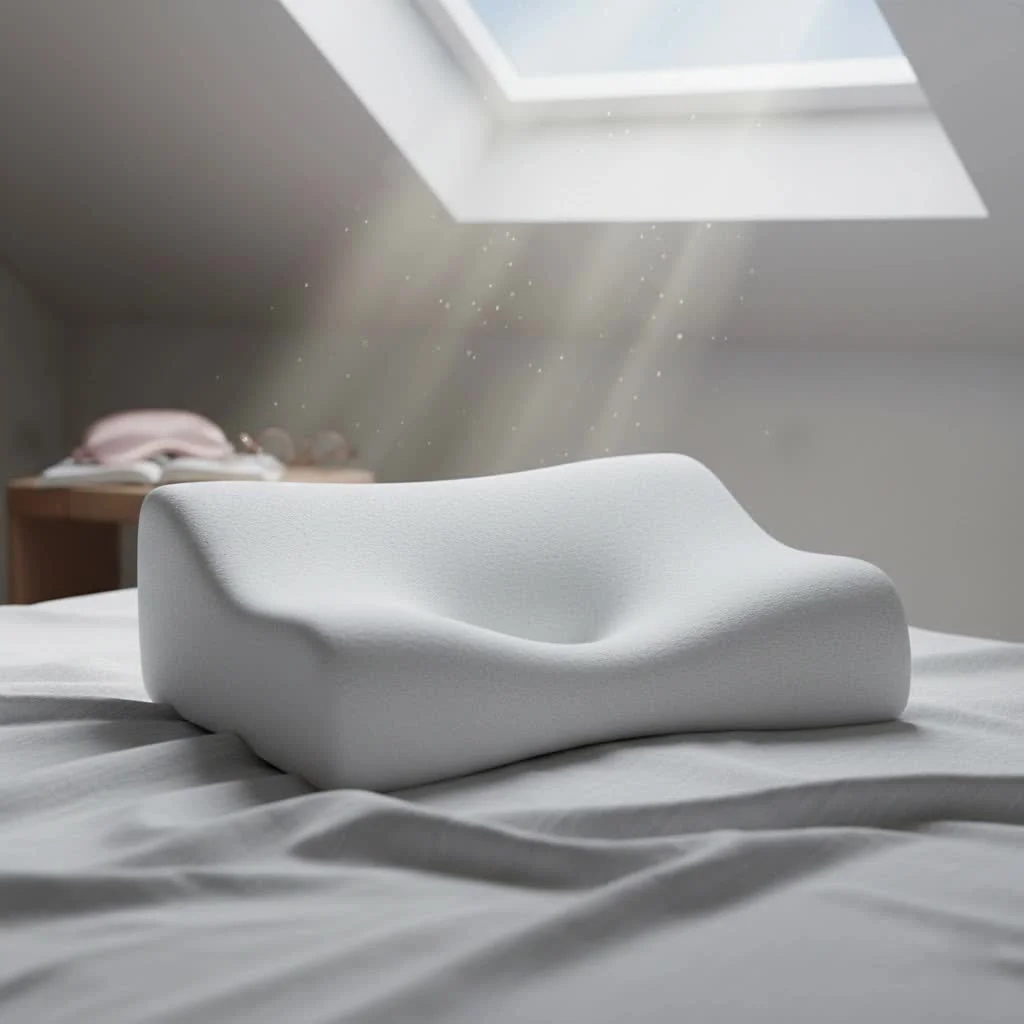
Choosing the Perfect Foam Pillow: A Detailed A-Z Guide
Understanding the various types of foam and what makes each unique is the first step toward finding your ideal sleep companion. Gel-infused memory foam is a distinct category, but it’s helpful to see how it fits into the broader landscape of foam pillows. For best memory foam roundups on this site.
Popular Types of Foam Pillows
Pillows come in a myriad of materials, but foam options stand out for their contouring support.
- Memory Foam: Originally developed by NASA, traditional memory foam (viscoelastic polyurethane) responds to body heat and pressure, molding to the contours of your head and neck.
- Pros: Offers exceptional pressure relief, conforms deeply to the body, provides consistent support, and can help alleviate neck and back pain.
- Cons: Tends to retain body heat, which can lead to uncomfortable overheating for some sleepers. It can also be slow to regain its shape after movement.
- Best for: Individuals seeking firm, cradling support for pressure point relief, especially those with neck or back pain.
- Latex Foam: Derived from rubber tree sap (natural latex) or created synthetically, latex foam offers a bouncier, more responsive feel than memory foam.
- Pros: Highly durable, naturally hypoallergenic and resistant to dust mites, offers responsive support, and generally sleeps cooler than traditional memory foam due to its open-cell structure.
- Cons: Can be more expensive than other foam types and may have a distinct odor (especially natural latex) initially.
- Best for: Sleepers who prefer a bouncier feel, desire hypoallergenic properties, and seek long-lasting support.
- Polyurethane Foam: This is the base material for many foam pillows, including memory foam. It’s a versatile, synthetic foam.
- Pros: Generally affordable, offers decent support, and can be manufactured in various densities.
- Cons: Less durable and supportive than memory foam or latex, and may lack advanced cooling properties unless specifically engineered.
- Best for: Budget-conscious sleepers looking for basic foam support.
- Gel-Infused Foam: This is a specialized type of memory foam that incorporates cooling gel in various forms.
- Pros: Significantly reduces heat retention compared to traditional memory foam, provides the same excellent pressure relief and contouring support, and promotes a cooler sleeping environment. This can lead to a more restful night and can even help with insomnia caused by high temperatures.
- Cons: Can sometimes be firmer than traditional memory foam, and the cooling effect might not last all night for extremely hot sleepers.
- Best for: Hot sleepers who need the pressure relief of memory foam but struggle with overheating, as well as individuals seeking enhanced support to alleviate neck and back pain.
- Shredded Foam: This refers to foam (often memory foam or gel-infused memory foam) that has been shredded into smaller pieces.
- Pros: Offers greater breathability due to increased airflow between the foam pieces, allows for adjustable loft and firmness by adding or removing fill, and can be molded and fluffed like a traditional pillow.
- Cons: Can shift and clump over time, requiring regular fluffing.
- Best for: Sleepers who desire customizable support, improved airflow, and a more traditional, moldable pillow feel.
Detailed Comparison of Foam Types
|
Our Picks for the Best Foam Pillow in 2026
As an Amazon Associate I earn from qualifying purchases.
|
||
| Num | Product | Action |
|---|---|---|
| 1 | Memory Foam Pillows Neck Pillow Bed Pillow for Sleeping Ergonomic Cervical Contour Pillow for Side Back Stomach Sleeper for Neck and Shoulder Pain |

|
| 2 | Ultra Pain Relief Cooling Pillow for Neck Support, Adjustable Cervical Pillow Cozy Sleeping, Odorless Ergonomic Contour Memory Foam Pillows, Orthopedic Bed Pillow for Side Back Stomach Sleeper |
|
| 3 | Memory Foam Pillows Neck Pillow Bed Pillow for Sleeping Ergonomic Cervical Pillow Orthopedic Contour Pillow for Side Back Stomach Sleeper |
|
| 4 | Cooling Pillows for Sleeping, Shredded Memory Foam Cooling Pillow for Hot Sleepers, Adjustable Cool Bed Pillows for Side Back Stomach Sleepers(Queen) |
|
| 5 | Ultra Pain Relief Cooling Pillow for Neck Support, Adjustable Cervical Pillow Cozy Sleeping, Odorless Ergonomic Contour Memory Foam Pillows, Orthopedic Bed Pillow for Side Back Stomach Sleeper |
|
| 6 | Cube Pillow for Side Sleeper with Firm Layer, Cooling Memory Foam Pillows with Two Side Four Types of Softness for Neck and Shoulder Pain, King or Queen 24"x12"x5" |
|
| 7 | Ultra Pain Relief Cooling Pillow for Neck Support, Adjustable Cervical Pillow Cozy Sleeping, Odorless Ergonomic Contour Memory Foam Pillows, Orthopedic Bed Pillow for Side Back Stomach Sleeper |
|
| 8 | QUTOOL Cooling Pillow for Sleeping 2 Pack, Luxury Shredded Memory Foam Bed Queen Pillows Set of 2, Cool Pillow for Hot Sleepers Adjustable Firm Pillow for Side, Back, Stomach Sleepers Soft Yet Support |
|
| 9 | QUTOOL Enhanced Cooling Pillows Queen Size Set of 2,CertiPUR-US Shredded Memory Foam Pillows 2 Pack for Hot Sleeper, Adjustable Bed Pillow for Side, Back, Stomach Sleepers Support Yet Soft, Home Gifts |
|
| 10 | Cooling Gel Memory Foam Pillow - 1-Pack - Standard Size Bed Pillows For Sleeping - Medium-Firm - Back, Stomach and Side Sleeper Pillow - Shoulder & Back Pain Relief - Washable , Bamboo Viscose Cover |
|
Choosing between foam types often comes down to balancing support, cooling, and durability. Here’s a comparative look:
| Feature | Memory Foam (Traditional) | Latex Foam | Polyurethane Foam | Gel-Infused Memory Foam | Shredded Foam |
|---|---|---|---|---|---|
| Support | High (deep contouring) | High (responsive, buoyant) | Medium (basic support) | High (deep contouring with cooling) | Adjustable (moldable, customizable) |
| Durability | Good | Excellent | Fair | Good | Good (can be refreshed) |
| Breathability | Low (heat retention) | High | Medium | High (gel-infused, ventilated) | High (airflow between pieces) |
| Price | Medium to High | High | Low | Medium to High | Medium |
| Feel | Sinking, cradling, slow response | Bouncy, resilient, quick response | Spongy, basic | Sinking, cradling, cooler | Moldable, soft, airy |
| Key Benefit | Pressure relief | Responsiveness, natural | Affordability | Cooling, pressure relief | Customization, breathability |
Gel-infused memory foam uniquely blends the contouring properties of memory foam with advanced temperature regulation. Gel beads or layers within the foam absorb and dissipate body heat, while some designs incorporate ventilation channels to further enhance airflow, preventing the dreaded “hot pillow” syndrome.
Important Factors When Choosing a Gel Memory Foam Pillow
Selecting the right pillow goes beyond just the material. Personal preferences and sleep habits play a crucial role.
- Pillow Loft and Firmness: These are paramount for spinal alignment and comfort.
- High Loft/Firm: Generally recommended for side sleepers to fill the space between the head and shoulder, keeping the spine aligned.
- Medium Loft/Firmness: Often suitable for back sleepers, providing support for the natural curve of the neck without pushing the head too far forward.
- Low Loft/Soft: Best for stomach sleepers to prevent excessive neck extension, though stomach sleeping is often discouraged for spinal health.
- Pillow Size: Standard, Queen, and King sizes are common.
- Standard: Most common, fits standard pillowcases.
- Queen: Slightly longer than standard, offering more room to move around.
- King: Ideal for King or California King beds, or for those who toss and turn frequently.
- Pillow Shape: Different shapes cater to specific needs.
- Traditional: Rectangular shape, versatile for many sleepers.
- Contour (Cervical): Features a raised ridge that supports the neck curve, ideal for those with neck pain or who prefer ergonomic support.
- U-shaped/Body Pillows: Offers full-body support, popular for pregnant individuals or those seeking pressure relief for joints.
- Pillow Cover: The cover material impacts breathability and hygiene. Look for covers made from breathable fabrics like bamboo, cotton, or specialized cooling fabrics that can be easily removed and machine washed. A machine-washable cover is essential for maintaining hygiene and extending the life of your pillow.
- Safety Certifications: Certifications like CertiPUR-US or OEKO-TEX ensure that the foam is made without harmful chemicals and meets strict standards for content, emissions, and durability. This is especially important for products you spend hours in contact with every night.
Reputable Gel Memory Foam Pillow Brands
The market offers a wide array of gel memory foam pillows, each with unique features. While a detailed comparison table of specific products would be extensive, here are some widely recognized brands known for quality foam pillows, including gel-infused options:
- Tempur-Pedic: A pioneer in memory foam, known for premium quality and various comfort levels, including cooling options.
- Coop Sleep Goods: Popular for their adjustable shredded gel memory foam pillows, allowing users to customize loft and firmness.
- GhostBed (GhostPillow): Emphasizes advanced cooling technology with phase-change materials and ventilated designs.
- Sleep Innovations: Offers a range of memory foam pillows with cooling gel and various shapes for different sleep preferences.
- Weekender: Known for accessible and effective gel memory foam options with good temperature regulation.
- Malouf: Features gel dough memory foam and shredded gel dough pillows, focusing on comfort and cooling.
When considering a brand, always check user reviews, specific product features, and available certifications to ensure it aligns with your sleep needs.
How to Purchase a Gel Memory Foam Pillow
The purchasing process involves self-assessment, careful research, and smart shopping habits.
- Identify Your Personal Needs: Start by understanding your sleeping position (side, back, stomach, combination), any specific health concerns (neck pain, snoring, allergies), and your temperature preferences. Are you a hot sleeper? Do you need extra neck support?
- Read Product Specifications and Reviews: Dive into product descriptions to understand the type of gel infusion (beads, layer, phase change material), foam density, and construction. User reviews can provide practical insights into real-world comfort and cooling performance. Look for consistent feedback regarding durability and effectiveness.
- Buy from Reputable Retailers: Purchase from established brands or retailers known for quality sleep products. This ensures you receive an authentic product and have recourse if issues arise.
- Check Return Policies and Warranties: A generous sleep trial period allows you to test the pillow in your own bed, which is crucial for assessing comfort. A good warranty (e.g., 3-5 years) protects against manufacturing defects.
- Trial the Pillow (If Possible): If a physical store offers the option, try lying on the pillow in your preferred sleeping position. However, a short in-store trial cannot fully replicate a night’s sleep, so a home trial is always more valuable.
- Consider Certifications: Prioritize pillows with CertiPUR-US or OEKO-TEX certifications for peace of mind regarding foam safety and absence of harmful chemicals.
Cleaning and Maintaining Your Gel Memory Foam Pillow
Proper care is essential to extend the life and maintain the hygienic qualities of your gel memory foam pillow.
- Regular Cleaning of Pillow Cover: Most gel memory foam pillows come with a removable, machine-washable cover. It’s recommended to wash the cover weekly or bi-weekly along with your other bedding, following the care instructions on the label. This helps prevent the buildup of dirt, sweat, and allergens.
- Cleaning the Foam Core: The foam core itself is typically not machine washable. Submerging memory foam in water can damage its structure and lead to mold if not dried completely.
- Spot Cleaning: For small stains, mix a small amount of gentle detergent with lukewarm water. Dip a clean cloth into the solution and gently blot the stained area. Do not rub vigorously or saturate the foam. Rinse the cloth with plain water and blot again to remove soap residue.
- Hand Washing (Rarely Recommended, with Caution): If a deep clean of the entire foam core is absolutely necessary (check manufacturer guidelines first), fill a large sink or bathtub with lukewarm water and a small amount of gentle detergent. Submerge the pillow and gently squeeze it to work the detergent through. Rinse thoroughly by continuously squeezing under running water until the water runs clear. Never wring or twist the pillow, as this can tear the foam.
- Drying: This is the most crucial step for memory foam.
- After cleaning, gently press out as much excess water as possible without twisting.
- Place the pillow on a clean, dry towel and roll it to absorb more moisture. You may need to repeat this with several dry towels.
- Air Dry Completely: Lay the pillow flat in a well-ventilated area, away from direct sunlight or heat, which can damage the foam. Air drying can take 24-72 hours or even longer. Ensure the pillow is completely dry before using it or putting on a cover to prevent mold and mildew growth. A fan can help speed up the process.
- Odor Removal: For general freshening, sprinkle baking soda over the pillow, let it sit for several hours (or overnight), and then vacuum it off. This helps absorb odors.
“The right pillow is just as important as the right mattress for achieving truly restorative sleep. Gel memory foam pillows specifically address temperature concerns without sacrificing the crucial support memory foam is known for.”
Conclusion
Choosing the right pillow is a fundamental step toward achieving consistent, high-quality sleep. Gel memory foam pillows stand out as an excellent option for those who crave the pressure-relieving benefits of memory foam but are prone to overheating. By integrating cooling gel technology, these pillows offer a balanced sleeping experience – contouring comfort for your head and neck, combined with effective temperature regulation to keep you cool throughout the night.
Whether you’re a side sleeper needing ample loft, a back sleeper seeking ergonomic support, or simply a hot sleeper looking for relief, a well-chosen gel memory foam pillow can transform your nightly rest. Consider your personal sleep style, health needs, and preferences carefully, and invest in a pillow that promises not just comfort, but true rejuvenation. Are you ready to embrace cooler, more supportive sleep and wake up feeling refreshed and energized?
Frequently Asked Questions
What is the primary benefit of a gel memory foam pillow over traditional memory foam?
The main advantage of a gel memory foam pillow is its enhanced temperature regulation. Traditional memory foam tends to retain body heat, but gel infusions actively dissipate heat away from your head and neck, creating a cooler sleep surface. This helps prevent overheating and promotes a more comfortable, uninterrupted sleep experience.
Are gel memory foam pillows good for neck pain?
Yes, gel memory foam pillows can be excellent for neck pain. Like traditional memory foam, they contour precisely to the shape of your head and neck, providing customized support that maintains proper spinal alignment. The added benefit of cooling can also reduce inflammation and discomfort, contributing to pain relief and a more therapeutic sleep posture.
How long do gel memory foam pillows typically last?
With proper care, a high-quality gel memory foam pillow can last between 2 to 3 years. Factors like foam density, material quality, and usage frequency can influence its lifespan. Regular cleaning of the cover and appropriate spot cleaning of the foam can help maintain its integrity and extend its usability.
Can I wash my gel memory foam pillow in a washing machine?
Generally, no. The foam core of most gel memory foam pillows is not suitable for machine washing. Machine washing can damage the foam structure, leading to disintegration and difficulty in drying, which can cause mold and mildew. Always refer to the manufacturer’s care instructions; typically, only the pillow cover is machine washable, while the foam core requires spot cleaning and thorough air drying.
What should a hot sleeper look for in a gel memory foam pillow?
Hot sleepers should prioritize pillows with advanced cooling features beyond just gel infusion. Look for descriptions mentioning “ventilated designs,” “open-cell structure,” “phase-change materials,” or “cooling covers” made from breathable fabrics like bamboo or specialized cooling fibers. These features work together to maximize airflow and heat dissipation, ensuring a truly cool sleep environment.
Get our weekly buyer guide
Practical specs, not advice. Unsubscribe anytime.
