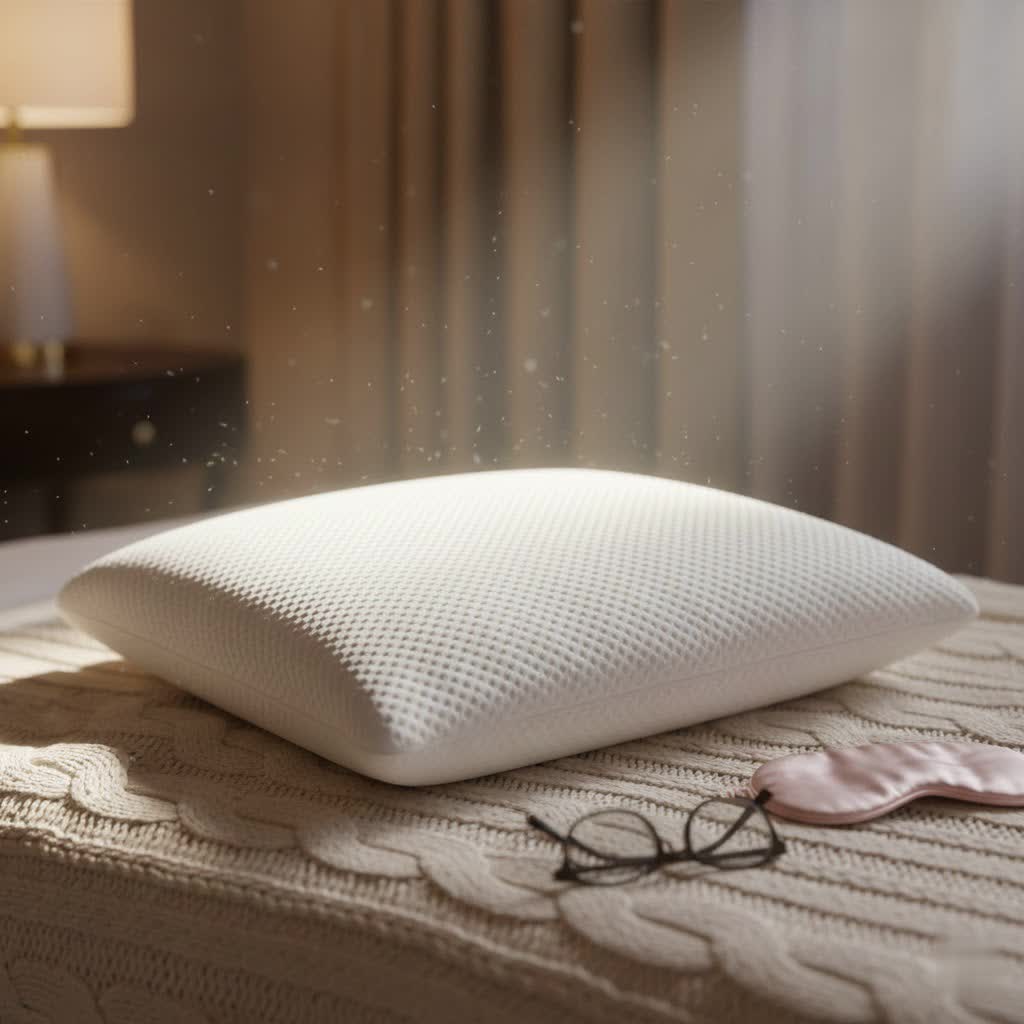
Are you one of the millions who constantly wake up with neck stiffness, shoulder aches, or persistent discomfort, wondering if your pillow is more foe than friend? For many, the culprit isn’t just any pillow, but one with an unsuitable loft – particularly for stomach and certain back sleepers. The quest for a truly restorative night’s sleep often leads to an overlooked hero: the slim memory foam pillow. This specialized sleep aid is expertly designed to cradle your head and neck in perfect alignment, offering a unique blend of support and comfort that thicker, traditional pillows simply cannot. Dive into this comprehensive guide to unlock the secrets of finding the ideal slim memory foam pillow, transforming your sleep and invigorating your mornings.
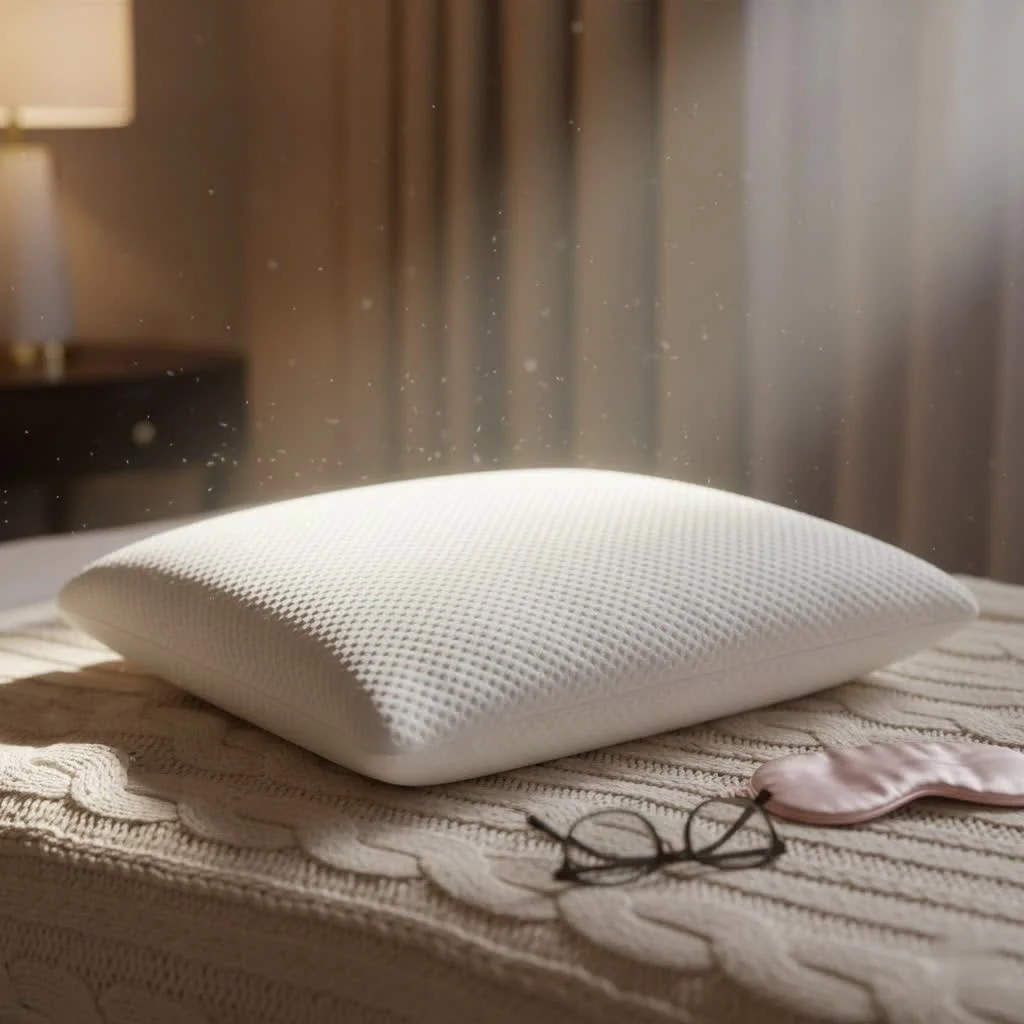
Understanding the Need for a Slim Pillow
Many people instinctively choose pillows that feel soft and plush, often equating thickness with comfort. However, for specific sleeping positions, especially stomach and some back sleepers, a thick pillow can be detrimental to spinal health. When a pillow elevates your head too much, it forces your neck into an unnatural upward angle, twisting it beyond its neutral alignment. This misalignment places undue stress on your cervical spine, leading to discomfort, chronic neck pain, stiffness, and even headaches.
The key to a truly restful sleep, free from aches and pains, lies in maintaining proper spinal alignment from your head down to your tailbone. A slim, low-profile pillow is engineered to keep your head as close to a neutral position as possible, ensuring that your neck and spine remain aligned. This is particularly crucial for stomach sleepers who naturally turn their heads to the side, and for back sleepers who require minimal elevation to prevent their heads from tilting forward. Without the right pillow, these sleep positions can exacerbate existing issues and create new ones, making the search for the perfect pillow a vital step towards better health and sleep quality.
What Defines a Slim Memory Foam Pillow?
A slim memory foam pillow, often referred to as a low-profile or thin pillow, is characterized by its reduced height or “loft” compared to standard pillows. While there’s no universally fixed dimension, these pillows typically feature a loft of 3 inches or less, or are designed to compress significantly under the weight of your head. This minimal elevation is intentional, crafted to provide just enough support without pushing your head too far upwards or causing an unnatural bend in your neck.
At its core, a slim memory foam pillow harnesses the unique properties of viscoelastic polyurethane foam. This material is renowned for its ability to soften and conform precisely to the shape of your head and neck in response to heat and pressure. Unlike traditional fiberfill or feather pillows that can clump or lose shape, memory foam offers consistent, adaptive support night after night. The contouring nature of memory foam ensures that every curve of your neck is supported, distributing weight evenly and relieving pressure points. This results in a sensation of customized comfort, allowing muscles to relax fully and promoting a deeper, more restorative sleep experience.
Types of Slim Memory Foam Pillows
The world of memory foam offers several variations, each with distinct benefits, even within the slim profile category. Understanding these types can help you pinpoint the pillow that best suits your sleep preferences and needs.
Solid Low-Loft Memory Foam
|
Our Picks for the Best Foam Pillow in 2026
As an Amazon Associate I earn from qualifying purchases.
|
||
| Num | Product | Action |
|---|---|---|
| 1 | Ultra Pain Relief Cooling Pillow for Neck Support, Adjustable Cervical Pillow Cozy Sleeping, Odorless Ergonomic Contour Memory Foam Pillows, Orthopedic Bed Pillow for Side Back Stomach Sleeper |

|
| 2 | QUTOOL Cooling Pillow for Sleeping 2 Pack, Luxury Shredded Memory Foam Bed Queen Pillows Set of 2, Cool Pillow for Hot Sleepers Adjustable Firm Pillow for Side, Back, Stomach Sleepers Soft Yet Support |
|
| 3 | Memory Foam Pillows Neck Pillow Bed Pillow for Sleeping Ergonomic Cervical Pillow Orthopedic Contour Pillow for Side Back Stomach Sleeper |
|
| 4 | Cooling Pillows for Sleeping, Shredded Memory Foam Cooling Pillow for Hot Sleepers, Adjustable Cool Bed Pillows for Side Back Stomach Sleepers(Queen) |
|
| 5 | Cube Pillow for Side Sleeper with Firm Layer, Cooling Memory Foam Pillows with Two Side Four Types of Softness for Neck and Shoulder Pain, King or Queen 24"x12"x5" |
|
| 6 | Ultra Pain Relief Cooling Pillow for Neck Support, Adjustable Cervical Pillow Cozy Sleeping, Odorless Ergonomic Contour Memory Foam Pillows, Orthopedic Bed Pillow for Side Back Stomach Sleeper |
|
| 7 | Memory Foam Pillows Neck Pillow Bed Pillow for Sleeping Ergonomic Cervical Contour Pillow for Side Back Stomach Sleeper for Neck and Shoulder Pain |
|
| 8 | Ultra Pain Relief Cooling Pillow for Neck Support, Adjustable Cervical Pillow Cozy Sleeping, Odorless Ergonomic Contour Memory Foam Pillows, Orthopedic Bed Pillow for Side Back Stomach Sleeper |
|
| 9 | Cooling Gel Memory Foam Pillow - 1-Pack - Standard Size Bed Pillows For Sleeping - Medium-Firm - Back, Stomach and Side Sleeper Pillow - Shoulder & Back Pain Relief - Washable , Bamboo Viscose Cover |
|
| 10 | QUTOOL Enhanced Cooling Pillows Queen Size Set of 2,CertiPUR-US Shredded Memory Foam Pillows 2 Pack for Hot Sleeper, Adjustable Bed Pillow for Side, Back, Stomach Sleepers Support Yet Soft, Home Gifts |
|
Solid low-loft memory foam pillows are crafted from a single, contoured block of memory foam. These pillows offer a consistent level of support and an unwavering shape, maintaining their slim profile throughout the night. They excel at providing uniform pressure relief and precise spinal alignment, as the foam adapts closely to the head and neck without shifting.
- Pros: Highly durable, excellent pressure point relief, consistent support, maintains shape.
- Cons: Less breathable than shredded foam, can retain heat, not adjustable in loft.
- Ideal Users: Stomach sleepers and back sleepers who prefer a very stable, unyielding surface and know their exact preferred loft.
Shredded Adjustable Memory Foam
Shredded memory foam pillows contain countless small pieces of memory foam, often mixed with other materials like microfiber or latex. The primary advantage of shredded foam in a slim pillow is its adjustability. Users can remove or add fill to customize the pillow’s loft and firmness, making it possible to achieve a truly personalized “slim” feel. The spaces between the shredded pieces also allow for greater airflow.
- Pros: Highly adjustable loft and firmness, enhanced breathability, moldable to individual contours.
- Cons: Can feel less uniform than solid foam, may require initial “fluffing.”
- Ideal Users: Sleepers who need precise control over their pillow’s height and firmness, those prone to overheating, and combination sleepers.
Gel-Infused Slim Memory Foam
Addressing memory foam’s tendency to retain heat, gel-infused memory foam pillows incorporate cooling gel beads or swirls directly into the foam material. This technology helps dissipate heat away from the body, providing a cooler sleep surface throughout the night. Even in a slim profile, temperature regulation remains a key concern for many.
- Pros: Superior temperature regulation, combines contouring support with a cooling sensation.
- Cons: Can be slightly firmer than traditional memory foam, potentially higher cost.
- Ideal Users: Hot sleepers, individuals living in warmer climates, or anyone who finds traditional memory foam too warm.
Key Benefits of Choosing a Slim Memory Foam Pillow
The decision to switch to a slim memory foam pillow can unlock a cascade of benefits, particularly for those who have struggled with sleep quality or persistent discomfort.
Optimal Spinal Alignment
The most significant advantage of a slim memory foam pillow is its ability to promote and maintain optimal spinal alignment. For stomach sleepers, a low-profile pillow prevents the head from being pushed upwards, keeping the neck and spine in a more neutral position. For back sleepers, it cradles the natural curve of the neck without over-elevating the head. This neutral alignment reduces strain on cervical vertebrae and surrounding muscles, alleviating tension and preventing the aches often associated with misaligned sleep posture.
Superior Pressure Point Relief
Memory foam is celebrated for its viscoelastic properties, allowing it to contour precisely to the unique curves of your head and neck. This adaptive support distributes your body weight evenly across the pillow’s surface, effectively eliminating pressure points. Unlike traditional pillows that can create pressure on sensitive areas, memory foam cradles these points, promoting better circulation and reducing the likelihood of waking up with numbness, tingling, or localized pain.
Enhanced Breathability and Temperature Regulation
While traditional memory foam can sometimes be associated with heat retention, many modern slim memory foam pillows integrate advanced cooling technologies. Gel infusions, open-cell foam structures, or shredded foam designs actively promote airflow and dissipate heat. This ensures that you receive the contouring benefits of memory foam without the discomfort of overheating, leading to a consistently cool and comfortable sleep environment.
Reduced Neck and Back Pain
For many, chronic neck and upper back pain can be directly linked to an unsuitable pillow. A slim memory foam pillow, by virtue of its design, actively works to mitigate these issues. By maintaining proper spinal alignment and offering superior pressure relief, it allows the muscles and ligaments in your neck and back to fully relax and recover. Users often report a significant reduction in pain and stiffness, waking up feeling more refreshed and less burdened by chronic discomfort.
Improved Breathing and Reduced Snoring
A pillow that improperly elevates the head can constrict airways, leading to interrupted breathing and increased snoring. The low profile of a slim memory foam pillow helps to keep the head relatively flat, promoting open airways. This can lead to more consistent breathing throughout the night, reducing instances of snoring and contributing to a deeper, more peaceful sleep for both you and your sleep partner.
Hypoallergenic Properties
The dense structure of memory foam naturally resists dust mites, mold, and other common allergens. This makes slim memory foam pillows an excellent choice for individuals prone to allergies or asthma. Many also come with removable, washable covers made from hypoallergenic materials, further enhancing their cleanliness and promoting a healthier sleep environment.
How to Choose the Perfect Slim Memory Foam Pillow
Selecting the ideal slim memory foam pillow is a personal journey, but focusing on a few key factors can guide you toward the perfect match for your unique sleep needs.
Loft and Firmness
These are paramount for slim pillows. For stomach sleepers, a pillow with a very low loft (e.g., 2-3 inches or one that compresses significantly) and a softer to medium-soft firmness is usually best. This prevents excessive neck extension. Back sleepers may prefer a slightly higher, but still low, loft that fills the natural curve of their neck without pushing their head forward, often benefiting from a medium firmness. Experimentation or adjustable options are highly recommended to find your personal sweet spot.
Material Quality and Certifications
Always look for memory foam pillows that are CertiPUR-US certified. This certification ensures that the foam is made without harmful chemicals, heavy metals, formaldehyde, phthalates, and has low volatile organic compound (VOC) emissions for indoor air quality. It’s a testament to a safer, higher-quality product. OEKO-TEX certification for fabric covers is another excellent indicator of material safety.
Cooling Features
If you tend to sleep hot, prioritize slim memory foam pillows with integrated cooling technologies. Look for terms like “gel-infused,” “open-cell memory foam,” or “ventilated design.” Shredded memory foam often naturally offers better airflow due to its fragmented structure. Breathable pillow covers made from bamboo, Tencel, or performance fabrics can also significantly enhance temperature regulation.
Adjustability
For those unsure about their ideal loft or who have varying needs (e.g., combination sleepers), an adjustable slim memory foam pillow is an excellent investment. These typically feature shredded memory foam that allows you to remove or add fill, customizing the pillow’s height and firmness until it perfectly supports your head and neck. This flexibility ensures long-term satisfaction.
Cover Material
The pillow’s cover plays a crucial role in both comfort and hygiene. Opt for covers made from breathable, soft materials like cotton, bamboo, or specialized moisture-wicking fabrics. Ensure the cover is removable and machine-washable for easy cleaning, which is essential for maintaining a fresh and hygienic sleep surface.
Trial Periods and Warranties
Given the personal nature of pillow preference, a generous trial period (e.g., 30-100 nights) allows you to thoroughly test the pillow in your own sleep environment. A solid warranty (typically 3-5 years) protects your investment against manufacturing defects and premature wear, signaling a manufacturer’s confidence in their product’s durability and quality.
Caring for Your Slim Memory Foam Pillow
Proper care and maintenance are crucial for preserving the integrity, hygiene, and longevity of your slim memory foam pillow. Unlike traditional pillows, memory foam requires specific cleaning methods.
Cleaning Instructions:
- Spot Cleaning: For minor spills or stains, gently blot the area with a clean cloth dampened with a mild detergent solution. Avoid saturating the foam, as excess moisture can damage its structure and lead to mold or mildew.
- Air Drying: Always allow the spot-cleaned area to air dry completely before placing the cover back on or using the pillow. Place it in a well-ventilated area, away from direct sunlight or heat sources, which can degrade the foam.
- Washing Covers: Most slim memory foam pillows come with removable, machine-washable covers. Refer to the care label for specific washing instructions, typically a gentle cycle with cold water and air drying or tumble drying on low heat.
- Deep Cleaning (Rarely): Full immersion washing of a solid memory foam pillow is generally not recommended. If a deep clean is necessary for shredded memory foam, follow manufacturer instructions carefully, often involving hand-washing the foam pieces in a tub with mild detergent and then thoroughly rinsing and air-drying them for several days.
Maintenance Tips for Longevity:
- Use a Pillow Protector: An additional pillow protector beneath the pillowcase can shield your memory foam from sweat, oils, and allergens, extending its lifespan.
- Regular Airing: Periodically remove the pillowcase and protector to let the memory foam air out. This helps dissipate moisture and any trapped odors, keeping it fresh.
- Avoid Direct Sunlight and Heat: Exposure to direct sunlight or high heat (like a hot dryer cycle for the foam itself) can break down the memory foam material, causing it to harden or lose its conforming properties.
- Support Proper Sleeping Posture: Even with the best pillow, maintaining good sleep posture (especially for stomach sleepers using an additional thin pillow under the pelvis) can prevent unnecessary strain and improve overall comfort.
- Replace When Needed: While durable, memory foam pillows aren’t immortal. If your slim memory foam pillow begins to sag, lose its responsiveness, or no longer provides adequate support, it might be time for a replacement, typically every 3-5 years.
“A slim memory foam pillow isn’t just about comfort; it’s a strategic investment in spinal health, especially for those who unknowingly suffer from misalignment due to unsuitable pillow loft.” – Dr. Elena Petrova, Sleep Ergonomics Specialist
Conclusion
The pursuit of restorative sleep is a cornerstone of overall well-being, and for many, the journey begins with the right pillow. A slim memory foam pillow stands out as an exceptional solution, particularly for stomach and certain back sleepers, by offering a unique combination of precise spinal alignment, unparalleled pressure relief, and enhanced breathability. Its ability to cradle your head and neck in a neutral position actively combats common sleep disturbances like neck pain and snoring, paving the way for deeply rejuvenating nights. By prioritizing factors like appropriate loft and firmness, quality certifications, and cooling features, you can confidently select a pillow that transforms your sleep experience. Don’t let an ill-fitting pillow dictate your mornings.
Are you ready to embrace the transformative power of a truly supportive slim memory foam pillow?
Frequently Asked Questions
Is a slim memory foam pillow only for stomach sleepers?
While ideally suited for stomach sleepers to prevent neck strain, a slim memory foam pillow can also benefit back sleepers who prefer a very low head elevation and those with specific neck sensitivities who find traditional pillows too high.
Can a slim memory foam pillow help with snoring?
Yes, by maintaining a more neutral head position, a slim memory foam pillow can help keep airways open, potentially reducing snoring caused by improper head elevation and constricted breathing passages.
How do I know if a slim pillow is too thin?
A pillow is too thin if your head sinks completely through it, causing your neck to drop below your spine, or if you still experience neck pain and stiffness. The goal is neutral alignment, not simply the lowest possible profile.
Do slim memory foam pillows get hot?
Some traditional memory foam can retain heat. However, many slim memory foam pillows incorporate cooling technologies such as gel infusions, open-cell designs, or shredded foam, along with breathable covers, to ensure a cooler sleep experience.
How long does a slim memory foam pillow last?
With proper care, a high-quality slim memory foam pillow typically lasts between 3 to 5 years. Its lifespan can be extended by using a pillow protector and following recommended cleaning guidelines.
Get our weekly buyer guide
Practical specs, not advice. Unsubscribe anytime.
