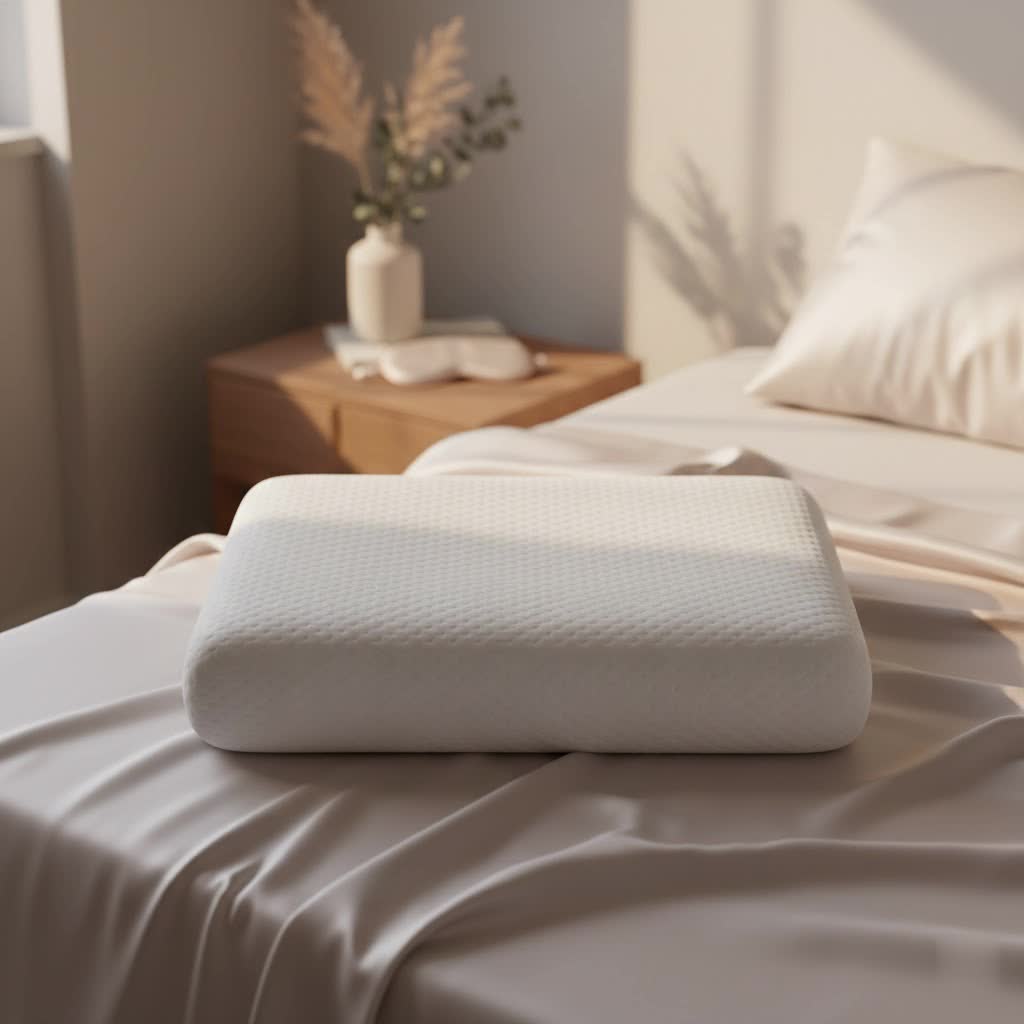
Are you tired of waking up with a stiff neck, or constantly fluffing your pillow throughout the night? The right pillow is more than just a headrest; it’s a critical component for achieving restorative sleep and maintaining spinal health. Memory foam pillows, celebrated for their unique contouring properties, have revolutionized how we approach sleep comfort. But with so many options, how do you find the perfect one to “target” your specific needs? This comprehensive guide will navigate the world of memory foam, exploring its types, benefits, essential selection factors, and proper care, ensuring you make an informed choice for a truly restful night.
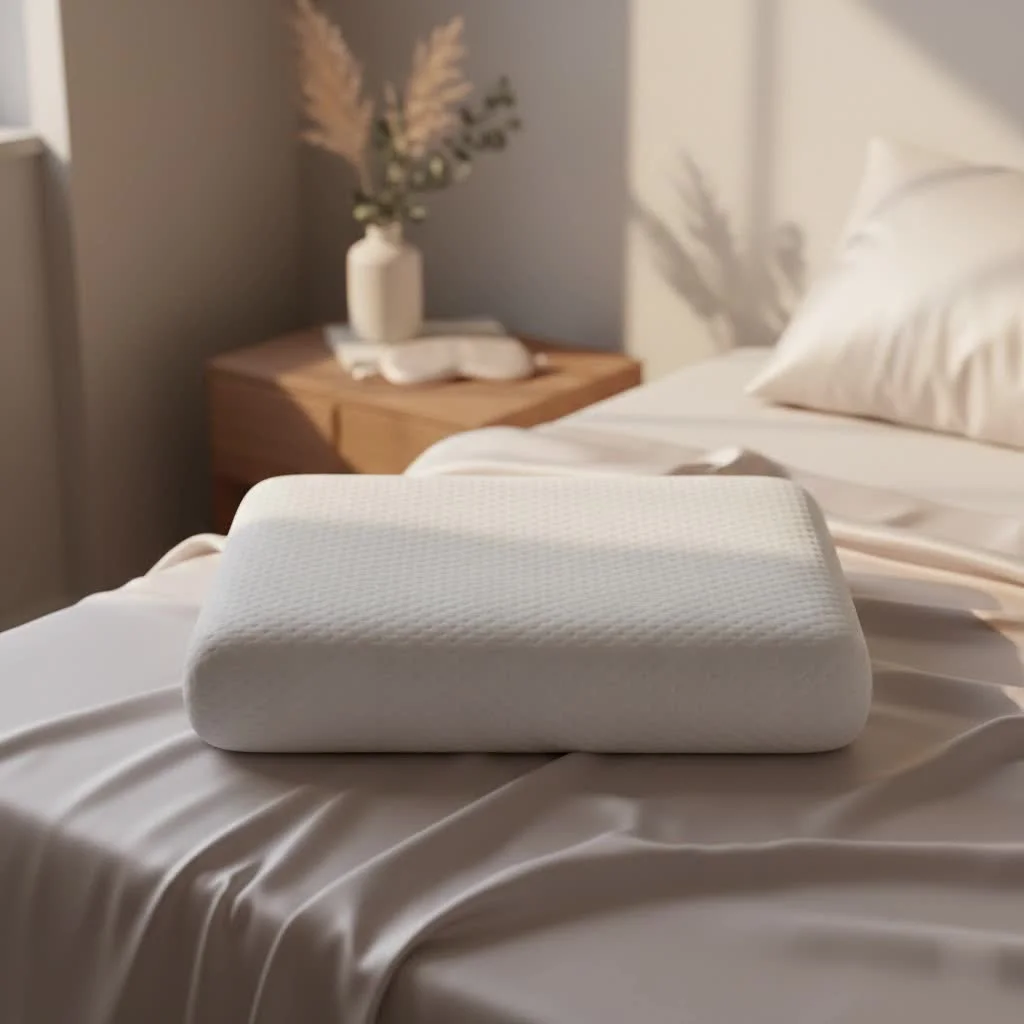
Unpacking the World of Foam Pillows: Types Explained
Understanding the different types of foam used in pillows is the first step toward finding your ideal match. While “memory foam” itself is a viscoelastic polyurethane foam, variations in its structure and additives create distinct experiences, alongside other popular foam options like latex.
Memory Foam: The Contouring Comfort Specialist
Memory foam pillows adapt to your head and neck’s unique shape, providing personalized support and pressure relief.
- Solid Memory Foam: These pillows feature a single, dense block of memory foam. They offer uniform support and deep contouring, making them excellent for those who need consistent cervical spine alignment. However, their density can sometimes lead to heat retention and a firmer feel. They are often ideal for back and side sleepers seeking robust, unwavering support.
- Shredded Memory Foam: Composed of countless small pieces of memory foam, shredded pillows offer adjustable loft and a more breathable design. You can often remove or add fill to customize the height and firmness, catering to various sleep positions and preferences. This adjustability makes them highly versatile for combination sleepers.
- Gel-Infused Memory Foam: To combat memory foam’s tendency to retain heat, many pillows incorporate cooling gel particles or layers. This gel technology helps dissipate heat, providing a cooler sleep surface without sacrificing the characteristic contouring support. These are a blessing for hot sleepers or those living in warmer climates.
Beyond Memory Foam: Other Popular Foam Types
While memory foam is a star, it’s helpful to consider other foam types, particularly latex, for a complete picture of your options.
- Latex Foam: Derived from rubber trees (natural latex) or synthetic compounds, latex foam is known for its springy responsiveness and durability. Unlike memory foam, it offers a bouncier feel, providing immediate pressure relief without the “sinking in” sensation. Natural latex is also inherently hypoallergenic and resistant to dust mites, making it a favorite for allergy sufferers.
- Polyurethane Foam: As the base material for memory foam, standard polyurethane foam is more common in general cushioning. It is typically less dense and responsive than memory foam, offering basic support without the contouring properties. It’s often more affordable but lacks the specialized benefits of its viscoelastic counterpart.
Memory Foam vs. Other Popular Foam Types: A Detailed Comparison
Choosing between foam types depends heavily on your personal preferences and sleep needs. Here’s a comparative overview:
| Feature | Memory Foam Pillow | Latex Foam Pillow | Standard Polyurethane Foam Pillow |
|---|---|---|---|
| Contouring | Excellent (molds to shape, slow response) | Good (conforms but with immediate bounce) | Minimal (basic cushioning) |
| Support | Personalized pressure relief, spinal alignment | Consistent, resilient support | Basic, may flatten over time |
| Breathability | Can retain heat; improved with gel or shredding | Naturally breathable, cooler | Varies; generally less breathable than latex |
| Durability | High (2-3+ years), retains shape well | Very high (3-5+ years), highly resilient | Low to Medium, prone to flattening and indentations |
| Responsiveness | Slow-responding, cradling feel | Quick-responding, springy feel | Quick, but without significant contouring |
| Hypoallergenic | Good (resistant to dust mites/allergens) | Excellent (naturally resistant to dust mites/mold) | Varies by quality, can harbor allergens |
| Price Range | Medium to High | High | Low |
Memory foam excels in personalized pressure relief and spinal alignment, making it a top choice for those with neck pain or specific support needs. Latex, on the other hand, offers a bouncier, cooler, and often more durable alternative, appealing to sleepers who prefer a more responsive feel. Standard polyurethane foam serves as a budget-friendly option but sacrifices many of the advanced comfort and support benefits.
Essential Factors for Selecting Your Ideal Memory Foam Pillow
The journey to your perfect memory foam pillow involves considering several critical factors beyond just the foam type. Tailoring your choice to your individual sleep habits ensures optimal comfort and support.
Pillow Loft and Firmness: Tailoring to Your Sleep Position
|
Our Picks for the Best Foam Pillow in 2026
As an Amazon Associate I earn from qualifying purchases.
|
||
| Num | Product | Action |
|---|---|---|
| 1 | QUTOOL Enhanced Cooling Pillows Queen Size Set of 2,CertiPUR-US Shredded Memory Foam Pillows 2 Pack for Hot Sleeper, Adjustable Bed Pillow for Side, Back, Stomach Sleepers Support Yet Soft, Home Gifts |

|
| 2 | Ultra Pain Relief Cooling Pillow for Neck Support, Adjustable Cervical Pillow Cozy Sleeping, Odorless Ergonomic Contour Memory Foam Pillows, Orthopedic Bed Pillow for Side Back Stomach Sleeper |
|
| 3 | Cube Pillow for Side Sleeper with Firm Layer, Cooling Memory Foam Pillows with Two Side Four Types of Softness for Neck and Shoulder Pain, King or Queen 24"x12"x5" |
|
| 4 | Memory Foam Pillows Neck Pillow Bed Pillow for Sleeping Ergonomic Cervical Pillow Orthopedic Contour Pillow for Side Back Stomach Sleeper |
|
| 5 | Cooling Pillows for Sleeping, Shredded Memory Foam Cooling Pillow for Hot Sleepers, Adjustable Cool Bed Pillows for Side Back Stomach Sleepers(Queen) |
|
| 6 | Ultra Pain Relief Cooling Pillow for Neck Support, Adjustable Cervical Pillow Cozy Sleeping, Odorless Ergonomic Contour Memory Foam Pillows, Orthopedic Bed Pillow for Side Back Stomach Sleeper |
|
| 7 | Memory Foam Pillows Neck Pillow Bed Pillow for Sleeping Ergonomic Cervical Contour Pillow for Side Back Stomach Sleeper for Neck and Shoulder Pain |
|
| 8 | Ultra Pain Relief Cooling Pillow for Neck Support, Adjustable Cervical Pillow Cozy Sleeping, Odorless Ergonomic Contour Memory Foam Pillows, Orthopedic Bed Pillow for Side Back Stomach Sleeper |
|
| 9 | QUTOOL Cooling Pillow for Sleeping 2 Pack, Luxury Shredded Memory Foam Bed Queen Pillows Set of 2, Cool Pillow for Hot Sleepers Adjustable Firm Pillow for Side, Back, Stomach Sleepers Soft Yet Support |
|
| 10 | Cooling Gel Memory Foam Pillow - 1-Pack - Standard Size Bed Pillows For Sleeping - Medium-Firm - Back, Stomach and Side Sleeper Pillow - Shoulder & Back Pain Relief - Washable , Bamboo Viscose Cover |
|
The height (loft) and density (firmness) of your pillow are paramount for maintaining healthy spinal alignment.
- Side Sleepers: You typically need a higher loft and firmer pillow to fill the gap between your head and shoulder, keeping your neck aligned with your spine. A contoured or shredded memory foam pillow allows for this crucial support.
- Back Sleepers: A medium loft and medium-firm pillow are generally ideal. This ensures your head is cradled without being pushed too far forward, supporting the natural curve of your neck.
- Stomach Sleepers: This position requires the lowest loft and a softer pillow to prevent your neck from craning upwards, which can cause strain. Adjustable shredded memory foam pillows, where you can remove fill, are often excellent choices.
- Combination Sleepers: If you frequently change positions, an adjustable shredded memory foam pillow provides the versatility needed to find comfort throughout the night.
“The right pillow loft is crucial for spinal alignment; it’s the difference between waking up refreshed or with nagging neck pain.”
Pillow Size and Shape: Beyond the Standard
Pillows come in various sizes and shapes, each designed to cater to different preferences and needs.
- Standard, Queen, King: These refer to the width and length, matching typical mattress sizes. Ensure your pillow fits your pillowcase and bed aesthetically.
- Traditional Shape: The classic rectangular pillow, universally popular, is available in all foam types.
- Contour (Cervical) Pillow: These pillows feature a wave-like design with a higher ridge under the neck and a lower dip for the head. They are specifically engineered to provide ergonomic support, excellent for back and side sleepers experiencing neck pain.
- U-Shaped or Body Pillows: While not exclusively memory foam, these larger pillows offer full-body support, especially beneficial for pregnant individuals, side sleepers, or those needing pressure relief for hips and knees.
Pillow Cover Material: The First Touch of Comfort
The outer cover of your memory foam pillow plays a significant role in comfort, breathability, and hygiene.
- Breathable Fabrics: Look for covers made from materials like bamboo, Tencel, cotton, or specialized cooling fabrics. These allow for better airflow, mitigating heat retention often associated with memory foam.
- Ease of Cleaning: A removable, machine-washable cover is a major convenience, promoting a cleaner sleep environment.
- Cooling Covers: Some covers integrate phase-change materials or specific weave structures to enhance cooling properties, working in tandem with gel-infused foams.
Certifications for Safety and Quality: Peace of Mind
For foam products, certifications are vital indicators of safety and environmental responsibility.
- CertiPUR-US: This certification ensures that the memory foam is made without ozone depleters, PBDE flame retardants, mercury, lead, other heavy metals, formaldehyde, and phthalates, and has low VOC (Volatile Organic Compound) emissions for indoor air quality.
- OEKO-TEX Standard 100: This certification guarantees that every component of the product, from the fabric to the thread, has been tested for harmful substances and is therefore harmless for human health.
Top Memory Foam Pillow Brands: What to Look For
When exploring the market for memory foam pillows, you’ll encounter numerous brands, many offering innovative designs and materials. Instead of focusing on specific brand names that might be exclusive to certain retailers, it’s more beneficial to understand what distinguishes a quality brand or product.
Look for brands that:
- Specify Foam Quality and Density: High-quality memory foam has a moderate to high density, which contributes to durability and effective support.
- Offer Transparency in Materials: They should clearly state what their foam is made of and if it includes cooling technologies like gel.
- Provide Certifications: As mentioned, CertiPUR-US and OEKO-TEX are crucial for health and safety.
- Have Positive Customer Reviews: Pay attention to reviews regarding comfort for different sleep positions, cooling effectiveness, and longevity. Be cautious of overly generic or excessively positive reviews.
- Offer Clear Warranty and Trial Periods: A good warranty (e.g., 3-5 years) and a sleep trial (e.g., 30-100 nights) demonstrate a company’s confidence in its product and allow you to test it risk-free.
- Provide Adjustable Options: Brands that offer shredded memory foam pillows with extra fill or varying firmness levels show an understanding of diverse sleeper needs. For example, brands like Coop Home Goods are known for their adjustable shredded memory foam pillows, allowing sleepers to customize the loft and firmness to their preference [Search 1, 1].
Your Comprehensive Buying Guide to Memory Foam Pillows
Navigating the vast array of memory foam pillows can feel overwhelming. Here’s a step-by-step guide to help you confidently select the pillow that’s perfect for you.
1. Identify Your Personal Sleep Needs
Before you even start browsing, take stock of your individual requirements:
- Sleeping Position: Are you primarily a side, back, or stomach sleeper? This is the most crucial factor determining the ideal loft and firmness.
- Health Concerns: Do you suffer from neck pain, shoulder stiffness, or migraines? A contoured or cervical pillow might offer targeted relief.
- Temperature Preference: Do you tend to sleep hot? Prioritize pillows with cooling features like gel infusion or highly breathable covers.
- Allergies: If you’re prone to allergies, look for naturally hypoallergenic materials or pillows with certifications that confirm allergen resistance.
2. Research and Read Verified Reviews
Don’t rely solely on marketing claims. Seek out detailed product specifications and, most importantly, read verified customer reviews. Pay close attention to feedback from sleepers with similar body types and sleep positions. This can offer real-world insights into a pillow’s actual performance, comfort, and potential drawbacks. Remember that what’s perfect for one person might not be for another [Choosing 4].
3. Consider Retailer Policies and Warranties
- Sleep Trials: Many reputable brands offer a sleep trial (e.g., 30 to 100 nights), allowing you to test the pillow at home and return it if it’s not the right fit. This is invaluable, as pillow comfort is highly subjective.
- Warranties: A good warranty (typically 3-5 years for memory foam) protects your investment against manufacturing defects or premature flattening.
- Return Policy: Understand the return process, including any associated costs, before purchasing.
4. The “Press Test” (If Trying In-Store)
If you have the opportunity to physically examine a memory foam pillow, perform a simple “press test.” Press your hand firmly into the foam and then release it. High-quality memory foam should slowly rebound to its original shape within 7 to 10 seconds. If it rebounds too quickly, it might be lower-density foam. If it stays compressed for too long, it might be too dense and feel like “sleeping on heavy dough” [Choosing 4]. Also, quality foam should not feel dry to the touch; it should have substantial weight, indicating a premium product [Choosing 3].
Caring for Your Memory Foam Pillow: Cleaning and Maintenance
Proper care extends the life of your memory foam pillow and maintains its hygienic qualities, ensuring you continue to enjoy restful sleep.
- Protect with a Cover: Always use a pillowcase and, ideally, an additional pillow protector. These barriers safeguard the foam from sweat, oils, and allergens.
- Cleaning the Cover: Most memory foam pillow covers are removable and machine-washable. Follow the manufacturer’s instructions for washing and drying to prevent shrinkage or damage.
- Cleaning the Foam Core: Memory foam itself should generally not be submerged in water or machine washed, as this can damage its structure. For spills or odors, spot clean the foam gently with a mild detergent and a damp cloth. Allow it to air dry completely in a well-ventilated area, away from direct sunlight, before replacing the cover.
- Airing Out: Periodically remove the pillowcase and air out your memory foam pillow. This helps dissipate any trapped odors and freshens the foam.
- Fluffing Shredded Foam: If you have a shredded memory foam pillow, fluff it regularly to redistribute the fill and maintain its loft and shape.
- When to Replace: Memory foam pillows typically last 2 to 3 years. You’ll know it’s time for a replacement if the pillow starts to lose its shape, develops permanent indentations, feels less supportive, or no longer provides comfortable pressure relief [Choosing 1, Choosing 4].
Conclusion
Choosing the right memory foam pillow is a highly personal decision that significantly impacts your sleep quality and overall well-being. By understanding the nuances of different foam types—from the contouring embrace of solid memory foam to the adjustable support of shredded and the cooling relief of gel-infused varieties—you can make an informed choice. Prioritizing factors like loft, firmness, shape, and certifications, while also considering proper care, will empower you to find a pillow that perfectly targets your sleep needs. Investing in a high-quality memory foam pillow means investing in countless nights of improved sleep and a refreshed start to each day. So, are you ready to transform your sleep with the ultimate memory foam pillow?
Frequently Asked Questions
How often should I replace my memory foam pillow?
Typically, a high-quality memory foam pillow should be replaced every 2 to 3 years. Over time, the foam can lose its supportive properties and develop permanent indentations, which can lead to discomfort and improper spinal alignment. [Choosing 1]
Are memory foam pillows hot?
Traditional memory foam can retain heat due to its dense structure. However, many modern memory foam pillows incorporate cooling technologies such as gel infusions, open-cell designs, or breathable covers made from materials like bamboo or Tencel to dissipate heat and provide a cooler sleep surface.
Can memory foam pillows help with neck pain?
Yes, memory foam pillows are often recommended for neck pain relief. Their ability to contour to the unique shape of your head and neck helps maintain proper spinal alignment, reduces pressure points, and provides consistent support, which can alleviate stiffness and soreness. [Benefits 1, Benefits 2, Benefits 3, Benefits 5]
Are memory foam pillows safe?
Most reputable memory foam pillows are considered safe, especially those with CertiPUR-US or OEKO-TEX certifications. These certifications ensure the foam is free from harmful chemicals, heavy metals, and has low VOC emissions, contributing to a healthier indoor environment.
What is the difference between solid and shredded memory foam?
Solid memory foam pillows are made from a single block of foam, offering uniform, dense support and deep contouring. Shredded memory foam pillows contain many small pieces of foam, providing better airflow and allowing for adjustable loft and firmness, which is ideal for customization and combination sleepers.
Get our weekly buyer guide
Practical specs, not advice. Unsubscribe anytime.
