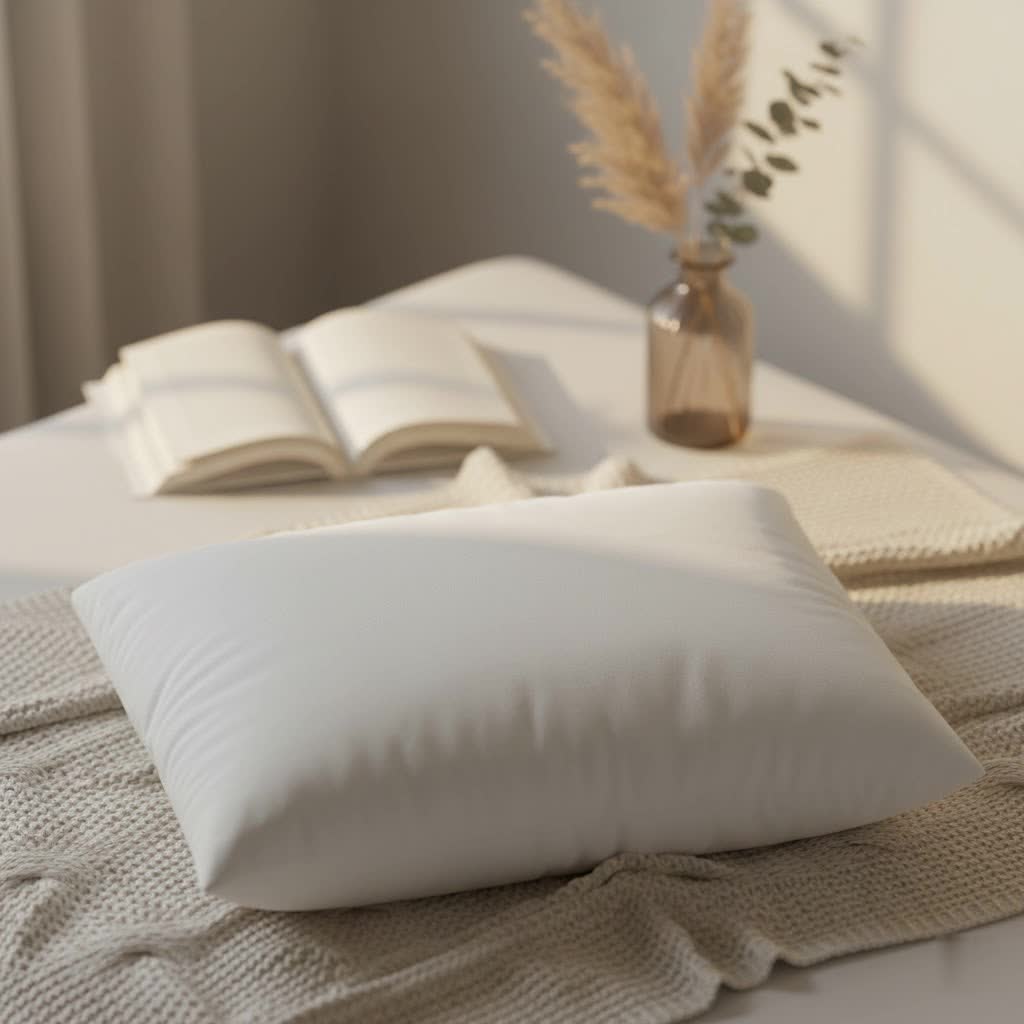
Are you tired of waking up with a stiff neck, persistent headaches, or simply feeling unrested despite a full night’s sleep? The culprit might be closer than you think: your pillow. For countless individuals, the journey to exceptional sleep begins with the right pillow, and memory foam has emerged as a revolutionary material, promising unparalleled support and pressure relief. But with a sea of options available, how do you navigate the market to find a truly top-rated memory foam pillow that transforms your nights? This comprehensive guide, informed by over a decade of experience with bedding and sleep products, will equip you with the knowledge to make an informed decision, ensuring your head and neck receive the comfort and support they deserve.
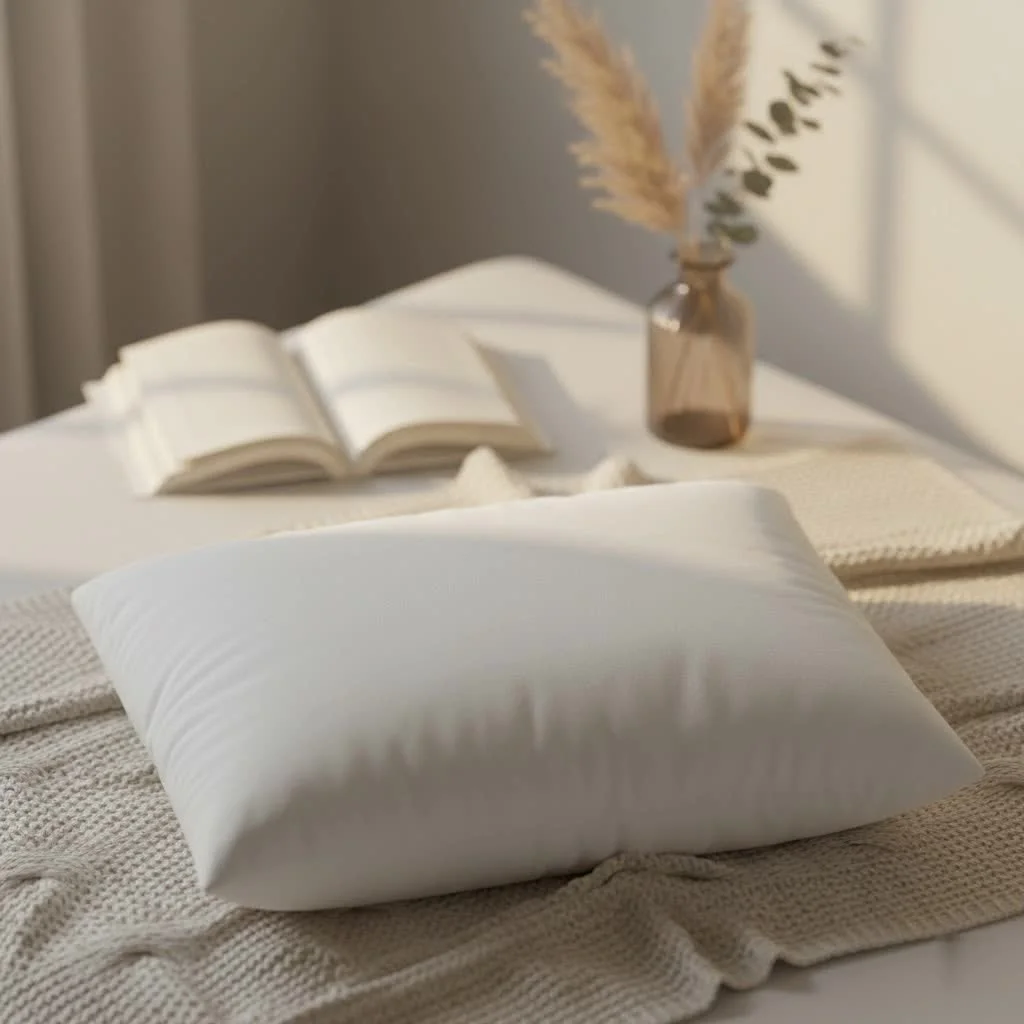
The Anatomy of Comfort: Understanding Memory Foam Pillow Types
Memory foam, also known as viscoelastic polyurethane foam, is celebrated for its unique ability to contour to the body’s shape in response to heat and pressure. This personalized embrace helps maintain spinal alignment and alleviate pressure points, leading to a more restorative sleep. However, not all memory foam is created equal, with several distinct types offering varied experiences. For see our memory foam recommendations on this site.
Solid Memory Foam
Solid memory foam pillows feature a single, dense block of foam. This construction provides uniform support and deep contouring, making it excellent for consistent pressure relief. It’s often favored by those seeking robust support that holds its shape throughout the night.
Shredded Memory Foam
Unlike solid blocks, shredded memory foam pillows are filled with numerous small pieces of foam. This design allows for greater airflow, addressing a common concern about memory foam trapping heat. Moreover, shredded foam offers an adjustable loft; sleepers can add or remove fill to customize the pillow’s height and firmness, making it versatile for various sleeping positions and preferences.
Gel-Infused Memory Foam
One of the most significant innovations in memory foam technology is the incorporation of cooling gels. Gel-infused memory foam aims to mitigate the material’s tendency to retain heat, a common drawback for “hot sleepers.” The gel particles or layers help dissipate heat, creating a cooler sleeping surface and a more comfortable microclimate around your head.
Polyurethane Foam
It’s important to understand that memory foam itself is a type of polyurethane foam. While all memory foam is polyurethane, not all polyurethane foam is memory foam. The viscoelastic properties (meaning it’s both viscous and elastic) are achieved through specific chemical treatments that give memory foam its signature slow-response, conforming feel, distinguishing it from standard polyurethane foam often found in cheaper, less supportive pillows.
Memory Foam vs. The Rest: A Detailed Comparison
While memory foam offers distinct advantages, it’s often compared to other popular pillow materials, particularly latex foam. Understanding these differences is key to choosing the material that best suits your individual needs.
Memory Foam vs. Latex Foam
|
Our Picks for the Best Foam Pillow in 2026
As an Amazon Associate I earn from qualifying purchases.
|
||
| Num | Product | Action |
|---|---|---|
| 1 | Memory Foam Pillows Neck Pillow Bed Pillow for Sleeping Ergonomic Cervical Pillow Orthopedic Contour Pillow for Side Back Stomach Sleeper |

|
| 2 | Memory Foam Pillows Neck Pillow Bed Pillow for Sleeping Ergonomic Cervical Contour Pillow for Side Back Stomach Sleeper for Neck and Shoulder Pain |
|
| 3 | Cooling Gel Memory Foam Pillow - 1-Pack - Standard Size Bed Pillows For Sleeping - Medium-Firm - Back, Stomach and Side Sleeper Pillow - Shoulder & Back Pain Relief - Washable , Bamboo Viscose Cover |
|
| 4 | QUTOOL Enhanced Cooling Pillows Queen Size Set of 2,CertiPUR-US Shredded Memory Foam Pillows 2 Pack for Hot Sleeper, Adjustable Bed Pillow for Side, Back, Stomach Sleepers Support Yet Soft, Home Gifts |
|
| 5 | Cooling Pillows for Sleeping, Shredded Memory Foam Cooling Pillow for Hot Sleepers, Adjustable Cool Bed Pillows for Side Back Stomach Sleepers(Queen) |
|
| 6 | Ultra Pain Relief Cooling Pillow for Neck Support, Adjustable Cervical Pillow Cozy Sleeping, Odorless Ergonomic Contour Memory Foam Pillows, Orthopedic Bed Pillow for Side Back Stomach Sleeper |
|
| 7 | Ultra Pain Relief Cooling Pillow for Neck Support, Adjustable Cervical Pillow Cozy Sleeping, Odorless Ergonomic Contour Memory Foam Pillows, Orthopedic Bed Pillow for Side Back Stomach Sleeper |
|
| 8 | Ultra Pain Relief Cooling Pillow for Neck Support, Adjustable Cervical Pillow Cozy Sleeping, Odorless Ergonomic Contour Memory Foam Pillows, Orthopedic Bed Pillow for Side Back Stomach Sleeper |
|
| 9 | Cube Pillow for Side Sleeper with Firm Layer, Cooling Memory Foam Pillows with Two Side Four Types of Softness for Neck and Shoulder Pain, King or Queen 24"x12"x5" |
|
| 10 | QUTOOL Cooling Pillow for Sleeping 2 Pack, Luxury Shredded Memory Foam Bed Queen Pillows Set of 2, Cool Pillow for Hot Sleepers Adjustable Firm Pillow for Side, Back, Stomach Sleepers Soft Yet Support |
|
Both memory foam and latex foam are highly supportive materials, but their feel and performance vary significantly.
| Feature | Memory Foam | Latex Foam |
|---|---|---|
| Feel | Sinks in, cradling, slow response | Bouncier, more responsive, quick recovery |
| Contouring | Deep, personalized body-hugging | Contours but with more consistent elevation |
| Breathability | Can trap heat (improved with gel/shredded) | Naturally more breathable due to open-cell structure |
| Durability | Good, but may compress over time (2-3 years) | Excellent, often lasts 5-10 years without flattening |
| Hypoallergenic | Generally hypoallergenic, resists dust mites | Naturally resistant to dust mites, mold, mildew, and bacteria |
| Price | Wide range, generally more affordable options | Often higher upfront cost, especially natural latex |
| Noise | Silent | Can be slightly noisy (some describe as “squeaky”) |
Memory foam excels in providing unparalleled pressure relief and a personalized fit, making it a favorite for those with neck pain or who appreciate a “sinking in” sensation. Latex, on the other hand, offers a more buoyant, responsive feel, superior breathability, and exceptional durability, often preferred by hot sleepers or those seeking a more eco-friendly, natural option.
Your Personalized Sleep Sanctuary: Key Factors When Choosing a Memory Foam Pillow
Selecting the perfect memory foam pillow is a highly personal endeavor. Considering your unique sleep habits and preferences is paramount to finding a pillow that supports optimal spinal alignment and promotes restorative sleep.
Loft and Firmness for Your Sleep Position
The height (loft) and feel (firmness) of your pillow are critical for maintaining the natural curvature of your spine.
- Side Sleepers: Typically require a firmer pillow with a higher loft to adequately fill the space between the head and shoulder, keeping the neck and spine aligned.
- Back Sleepers: Generally benefit from a medium-firm pillow that supports the natural curve of the neck without pushing the head too far forward.
- Stomach Sleepers: Often need a soft, low-loft pillow to prevent the neck from arching uncomfortably, which can lead to strain. Some stomach sleepers even prefer no pillow or a very flat one.
Pillow Size and Shape
Memory foam pillows come in various sizes and shapes, each designed to cater to different needs:
- Standard, Queen, King: These traditional rectangular shapes fit common bed sizes and pillowcases.
- Contour Pillows (Cervical Pillows): Designed with an ergonomic curve to support the natural alignment of the head and neck, especially beneficial for back and side sleepers with neck pain.
- U-Shaped or Specialty Pillows: Less common for primary sleep, but offer targeted support for specific issues or during travel.
Cooling Technologies
Traditional memory foam can retain body heat, which can be uncomfortable for hot sleepers. Look for pillows that incorporate cooling features:
- Gel Infusion: Gel beads or layers embedded in the foam help draw heat away from the body.
- Shredded Foam: The gaps between shredded foam pieces allow for better air circulation compared to a solid block.
- Breathable Covers: Pillow covers made from materials like organic cotton, bamboo, or phase-change fabrics (e.g., GlacioTex) enhance airflow and wick away moisture.
Cover Materials and Hypoallergenic Properties
A good pillow cover is more than just aesthetic. Look for:
- Breathability: Materials like cotton, bamboo, or Tencel can significantly impact how cool your pillow sleeps.
- Ease of Cleaning: Removable, machine-washable covers are essential for hygiene.
- Hypoallergenic: Many memory foam pillows are naturally resistant to dust mites, mold, and allergens, making them a good choice for allergy sufferers.
Safety Certifications
For peace of mind, check for certifications that indicate the foam meets rigorous health and environmental standards:
- CertiPUR-US®: Ensures the foam is made without harmful chemicals like ozone depleters, PBDE flame retardants, mercury, lead, heavy metals, formaldehyde, and phthalates regulated by the CPSC. It also certifies low VOC (Volatile Organic Compound) emissions for indoor air quality.
- OEKO-TEX® Standard 100: Certifies that every component of the product, from the fabric to the thread, has been tested for harmful substances and is harmless for human health.
Top-Rated Memory Foam Pillows: Brands You Can Trust
The market features many excellent memory foam pillows. Based on extensive testing and user reviews, several brands consistently stand out for their quality, innovation, and effectiveness. While specific preferences vary, these brands frequently appear on “top-rated” lists:
- Coop Sleep Goods Original Adjustable Pillow: Highly praised for its adjustable loft (shredded memory foam and microfiber fill) which allows customization for all sleeping positions, and often noted for its supportive yet plush feel.
- Tempur-Pedic Tempur-Symphony Pillow: Known for its dual-sided design, offering an arched side for back/side sleepers and a flatter side for stomach sleepers, embodying the classic dense, supportive Tempur-Material feel.
- Nectar Tri-Comfort Cooling Pillow: Valued for its blend of shredded foam and microfiber, providing moldable pressure relief and adjustability, often with cooling features.
- Helix GlacioTex Cooling Memory Foam Pillow: Recognized for its solid memory foam core combined with a GlacioTex cooling cover, providing robust support and excellent temperature regulation, especially for side sleepers.
- Saatva Memory Foam Pillow: Features a blend of shredded memory foam and natural latex, infused with graphite technology and an organic cotton cover for superior cooling and breathability.
- Luxome LAYR Customizable Pillow: Offers adjustable layers of different foam types, allowing for precise customization of firmness and loft.
These brands often lead the way in integrating advanced cooling technologies, ergonomic designs, and high-quality, certified foams to ensure both comfort and durability.
Investing in Rest: A Smart Buyer’s Guide
Choosing a top-rated memory foam pillow is an investment in your sleep and overall well-being. Approach your purchase strategically to ensure satisfaction.
Assess Personal Needs
Before looking at products, honestly evaluate your current sleep situation. Do you have neck pain? Are you a hot sleeper? What’s your dominant sleep position? Do you prefer a soft, plush feel or firm support? Jotting down these preferences will narrow your search.
Read Reviews and Specifications
Beyond just star ratings, delve into detailed reviews. Look for feedback from sleepers with similar body types and sleeping habits. Pay close attention to specifications like foam density, loft range (if adjustable), and included cooling features. A higher-grade foam, often indicated by a substantial weight and non-“dry” feel, generally signifies better durability.
Check Warranty and Return Policies
A reputable brand will offer a generous warranty and a clear return policy, often including a trial period. This allows you to test the pillow in your own bed, which is the only true way to assess its suitability. A minimum of 30 nights is usually recommended for adjustment.
Consider Trial Periods
Many high-quality pillow brands offer risk-free trial periods (e.g., 100 nights). This is invaluable, as a pillow’s true comfort and support can only be judged after several nights of use.
Longevity and Freshness: Caring for Your Memory Foam Pillow
To maximize the life and hygiene of your top-rated memory foam pillow, proper care and maintenance are crucial.
Regular Maintenance
- Pillow Protectors: Always use a washable pillow protector underneath your pillowcase. This acts as a barrier against sweat, oils, allergens, and dust mites, significantly extending your pillow’s lifespan.
- Wash Pillow Covers Weekly: Regularly washing your pillowcases and protectors according to their care instructions helps keep your sleep environment fresh and clean.
- Avoid Moisture: Memory foam does not tolerate prolonged moisture well, as it can encourage mold and mildew growth. If your pillow gets wet, ensure it dries completely.
Spot Cleaning
For minor spills or stains, spot cleaning is the recommended approach for most memory foam pillows.
- Mix a small amount of mild detergent with lukewarm water.
- Dampen a clean cloth with the solution and gently blot the stained area.
- Avoid saturating the foam.
- Rinse the area with a fresh, damp cloth to remove soap residue.
- Press out as much moisture as possible with dry towels.
- Allow the pillow to air dry completely in a well-ventilated area, away from direct sunlight or heat, which can degrade the foam.
Deep Cleaning (Hand Washing)
Solid memory foam pillows are generally not machine washable, as agitation can break down the foam structure. Shredded foam pillows might be hand-washable, but always check the care label. For a deep clean of most memory foam pillows:
- Fill a tub or large sink with lukewarm water and a small amount of gentle detergent.
- Submerge the pillow and gently squeeze it repeatedly to work the soap through the foam. Avoid harsh twisting or wringing.
- Drain the soapy water and refill with clean water, continuing to squeeze until the water runs clear.
- To remove excess water, gently press the pillow between dry towels or even use a vacuum storage bag (with a wet/dry vac) to compress it, then repeat with fresh towels.
- Air dry the pillow flat on a clean, ventilated surface, flipping it periodically. This can take up to 24 hours or longer, depending on thickness. Ensure it’s bone dry before using to prevent mold.
- For odor refreshes, sprinkle baking soda over the pillow, let it sit for a few hours, then vacuum it off.
When to Replace
Even the best memory foam pillows have a lifespan. Generally, memory foam pillows should be replaced every 2-3 years, or sooner if you notice:
- It no longer provides adequate support or has developed permanent indentations.
- It feels lumpy or has lost its original shape.
- It has persistent odors that can’t be removed with cleaning.
- You experience increased neck pain, stiffness, or discomfort.
Conclusion
Choosing a top-rated memory foam pillow is a pivotal step towards achieving truly restorative sleep. By understanding the different types of memory foam, comparing them with other materials like latex, and focusing on key factors such as loft, firmness, cooling features, and certifications, you can confidently select a pillow tailored to your unique sleep profile. Remember to prioritize brands with proven track records and robust customer support, and commit to proper care to ensure your investment delivers years of blissful slumber. With the right memory foam pillow, you’re not just buying a bedding accessory; you’re investing in your health, mood, and overall quality of life. What kind of restful nights await you?
Frequently Asked Questions
What is the main benefit of a memory foam pillow?
The primary benefit of a memory foam pillow is its ability to contour precisely to the shape of your head and neck, providing customized support and exceptional pressure relief. This helps maintain proper spinal alignment, reducing common issues like neck pain and promoting deeper, more comfortable sleep.
Can memory foam pillows get hot?
Traditional memory foam can indeed retain heat due to its dense, closed-cell structure. However, many top-rated memory foam pillows now incorporate cooling technologies such as gel infusions, shredded foam designs that promote airflow, or breathable covers to help dissipate heat and provide a cooler sleep experience.
How do I choose the right firmness for my memory foam pillow?
Your ideal pillow firmness depends largely on your sleeping position. Side sleepers generally need a firmer, higher-loft pillow, back sleepers typically do well with medium-firm, and stomach sleepers usually require a soft, low-loft option to maintain proper spinal alignment. Personal preference also plays a significant role.
Are memory foam pillows good for neck pain?
Yes, memory foam pillows are often highly recommended for neck pain. Their ability to mold to the unique curves of your head and neck helps to fill the gap between your head and shoulders, providing consistent support that can alleviate strain and promote healthy spinal alignment. Contour-shaped memory foam pillows are particularly effective for this.
How often should I clean my memory foam pillow?
While pillowcases should be washed weekly, memory foam pillows themselves require less frequent cleaning. Spot clean as needed for stains, and aim for a deep hand wash every 3-4 months. Always use a pillow protector to keep it cleaner longer, and remember that solid memory foam should not be machine washed.
What certifications should I look for in a memory foam pillow?
Look for certifications like CertiPUR-US® to ensure the foam is made without harmful chemicals and has low VOC emissions, contributing to better indoor air quality. OEKO-TEX® Standard 100 is another valuable certification, guaranteeing that all components of the pillow are free from harmful substances.
Get our weekly buyer guide
Practical specs, not advice. Unsubscribe anytime.
