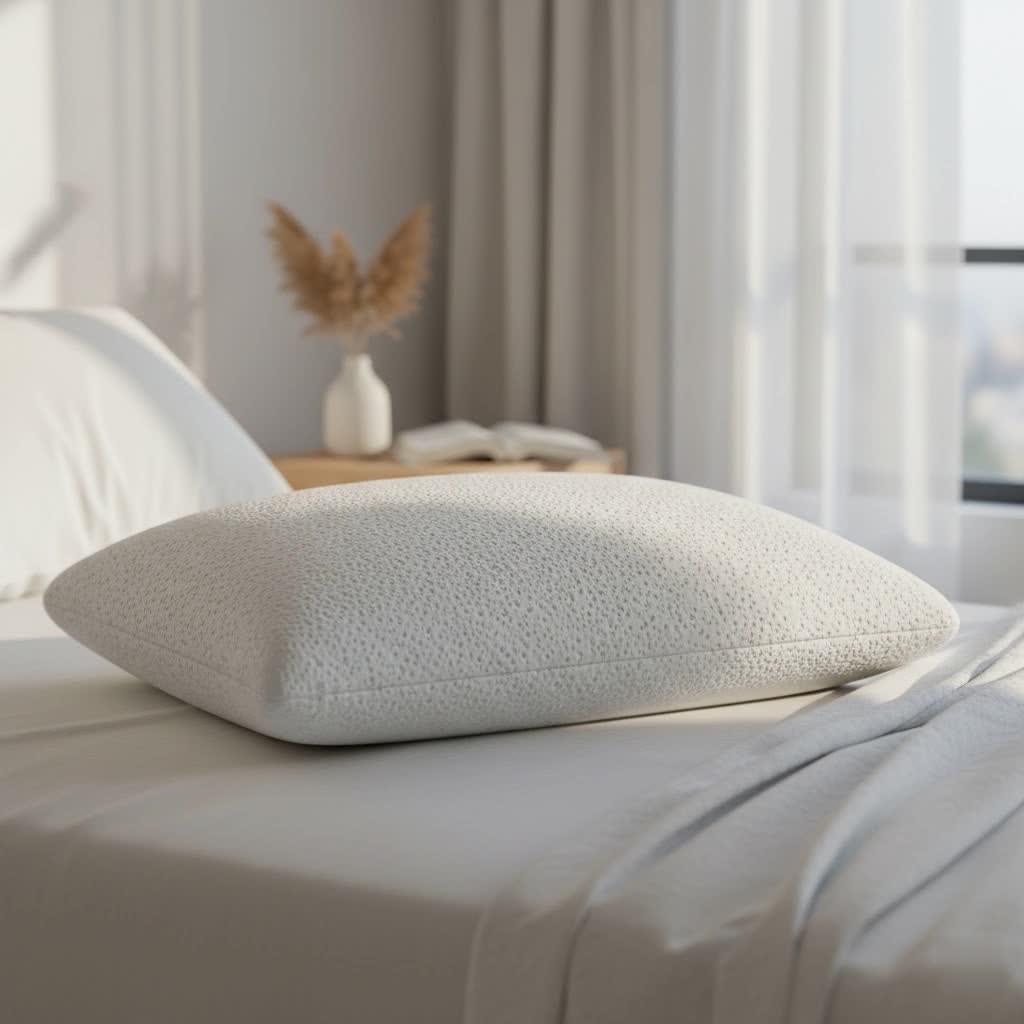
Waking up with a stiff neck or persistent shoulder pain is a common frustration, especially if you spend your nights curled on your side. Side sleeping, while popular, can lead to misalignment if your pillow isn’t providing the correct support. The gap between your head and shoulder requires a specific kind of cushioning to keep your spine in a neutral position, preventing discomfort and ensuring restorative sleep. This is where the right foam pillow can transform your nights, cradling your head and neck precisely where it’s needed most.
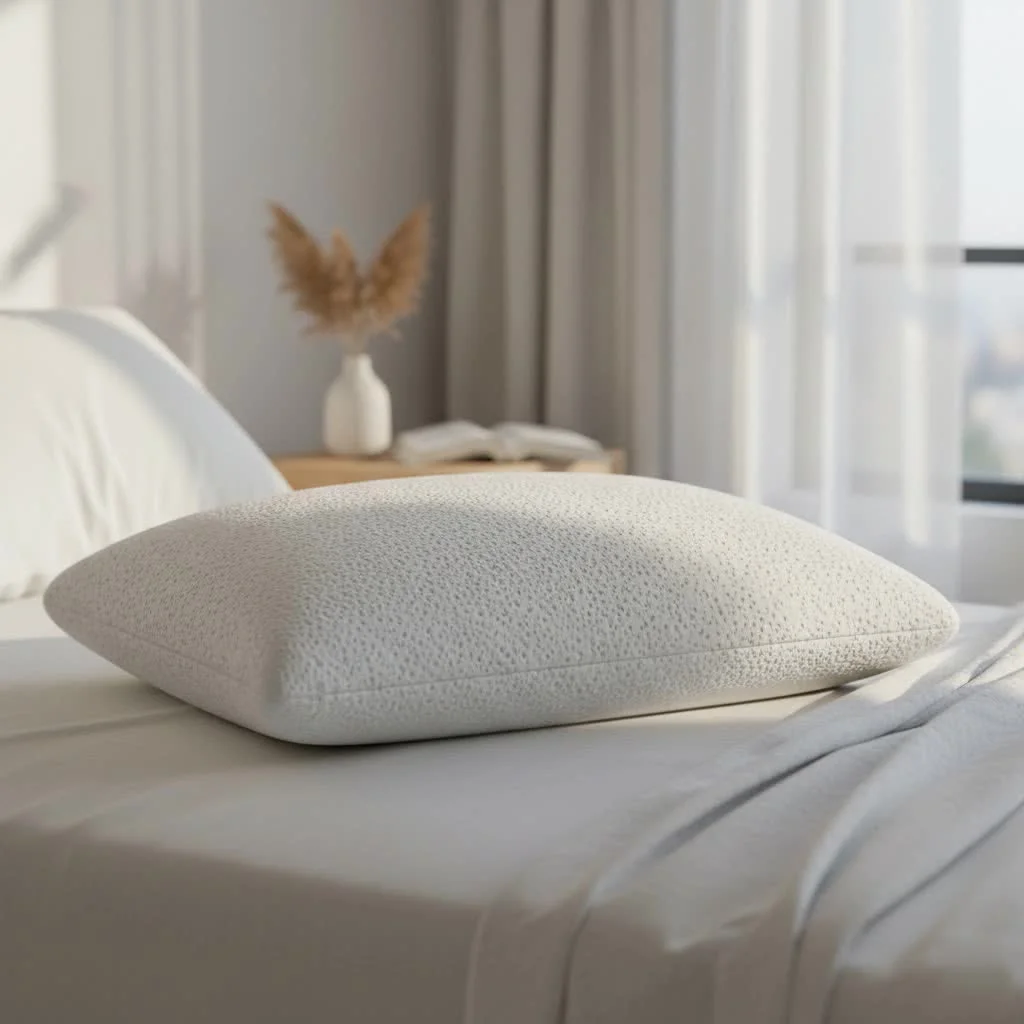
Understanding Foam Pillow Types for Side Sleepers
Foam pillows come in a variety of compositions, each offering distinct advantages. For side sleepers, understanding these differences is crucial for selecting a pillow that perfectly matches their unique needs.
Memory Foam
Memory foam, a viscoelastic polyurethane foam, is renowned for its ability to contour closely to the body’s shape. This provides exceptional pressure relief and a custom-fit feel.
- Solid Memory Foam: A single, dense block of memory foam offers consistent support. Its firm nature is often ideal for side sleepers who need significant loft and resistance to compression to maintain spinal alignment. However, traditional memory foam can retain heat, a common concern for many.
- Shredded Memory Foam: This type consists of numerous small pieces of memory foam, often blended with other fibers like kapok. Shredded foam pillows are typically plusher and more breathable than their solid counterparts. The key benefit for side sleepers is adjustability; you can remove or add fill to customize the loft and firmness, making it easier to achieve optimal neck and head positioning. While offering excellent breathability, some may find shredded foam less uniform or potentially lumpy.
Latex Foam
Derived from rubber trees, latex foam is a natural alternative known for its responsiveness, durability, and breathability.
- Characteristics: Latex pillows offer a bouncier, more resilient feel compared to memory foam, quickly springing back to shape. They provide consistent support without the deep “sink” sensation of memory foam.
- Comparison to Memory Foam: While memory foam cradles, latex offers buoyant support. Latex is naturally cooler and more breathable due to its open-cell structure, making it an excellent choice for hot sleepers. It’s also naturally hypoallergenic and resistant to dust mites and mold, appealing to those with allergies. However, latex pillows can be pricier and generally have a firmer feel.
Polyurethane Foam (Polyfoam)
Polyfoam is a synthetic foam similar to memory foam but typically less dense and more affordable.
- Characteristics: Polyfoam pillows offer good general support and are lighter than memory foam. They might be a suitable option for budget-conscious sleepers.
- Application: While offering support, polyfoam may not provide the same level of contouring or durability as high-quality memory foam or latex, and its firmness can vary greatly.
Gel-Infused Foam
|
Our Picks for the Best Foam Pillow in 2026
As an Amazon Associate I earn from qualifying purchases.
|
||
| Num | Product | Action |
|---|---|---|
| 1 | Ultra Pain Relief Cooling Pillow for Neck Support, Adjustable Cervical Pillow Cozy Sleeping, Odorless Ergonomic Contour Memory Foam Pillows, Orthopedic Bed Pillow for Side Back Stomach Sleeper |

|
| 2 | Cooling Gel Memory Foam Pillow - 1-Pack - Standard Size Bed Pillows For Sleeping - Medium-Firm - Back, Stomach and Side Sleeper Pillow - Shoulder & Back Pain Relief - Washable , Bamboo Viscose Cover |
|
| 3 | QUTOOL Enhanced Cooling Pillows Queen Size Set of 2,CertiPUR-US Shredded Memory Foam Pillows 2 Pack for Hot Sleeper, Adjustable Bed Pillow for Side, Back, Stomach Sleepers Support Yet Soft, Home Gifts |
|
| 4 | Cube Pillow for Side Sleeper with Firm Layer, Cooling Memory Foam Pillows with Two Side Four Types of Softness for Neck and Shoulder Pain, King or Queen 24"x12"x5" |
|
| 5 | Ultra Pain Relief Cooling Pillow for Neck Support, Adjustable Cervical Pillow Cozy Sleeping, Odorless Ergonomic Contour Memory Foam Pillows, Orthopedic Bed Pillow for Side Back Stomach Sleeper |
|
| 6 | Memory Foam Pillows Neck Pillow Bed Pillow for Sleeping Ergonomic Cervical Pillow Orthopedic Contour Pillow for Side Back Stomach Sleeper |
|
| 7 | QUTOOL Cooling Pillow for Sleeping 2 Pack, Luxury Shredded Memory Foam Bed Queen Pillows Set of 2, Cool Pillow for Hot Sleepers Adjustable Firm Pillow for Side, Back, Stomach Sleepers Soft Yet Support |
|
| 8 | Memory Foam Pillows Neck Pillow Bed Pillow for Sleeping Ergonomic Cervical Contour Pillow for Side Back Stomach Sleeper for Neck and Shoulder Pain |
|
| 9 | Cooling Pillows for Sleeping, Shredded Memory Foam Cooling Pillow for Hot Sleepers, Adjustable Cool Bed Pillows for Side Back Stomach Sleepers(Queen) |
|
| 10 | Ultra Pain Relief Cooling Pillow for Neck Support, Adjustable Cervical Pillow Cozy Sleeping, Odorless Ergonomic Contour Memory Foam Pillows, Orthopedic Bed Pillow for Side Back Stomach Sleeper |
|
Many foam pillows, particularly memory foam, now incorporate gel particles or layers.
- Cooling Effect: The primary purpose of gel infusion is to dissipate heat, counteracting memory foam’s tendency to trap warmth. This innovation helps regulate temperature, providing a cooler sleep surface and enhancing comfort for hot sleepers.
Key Factors When Choosing a Foam Pillow for Side Sleepers
Selecting the perfect foam pillow isn’t a one-size-fits-all endeavor. Several critical factors must be considered to ensure optimal comfort and spinal alignment for side sleepers.
Loft (Height)
The pillow’s loft, or height, is arguably the most crucial element for side sleepers. A proper loft fills the significant gap between your head, neck, and the mattress surface.
- Ideal Range: Side sleepers generally require a pillow with a higher loft, typically ranging from 4 to 6 inches, though this can vary based on individual shoulder width and mattress firmness. The goal is to keep your head and neck aligned with your spine, preventing it from tilting upward or downward.
- Mattress Interaction: Your mattress firmness also plays a role. A softer mattress allows your body to sink more, potentially requiring a slightly lower loft pillow, while a firmer mattress might necessitate a higher loft to maintain alignment.
Firmness and Support
Side sleepers need a pillow that is supportive enough to prevent the head from sinking excessively but comfortable enough to relieve pressure.
- Balanced Support: A medium to firm pillow is often recommended. This level of firmness ensures your head and neck remain properly aligned with your spine throughout the night. A pillow that is too soft will allow your head to drop, causing neck strain, while one that is too firm can crane your neck upwards. The ideal is a responsive support that cushions without collapsing.
Shape and Design
Beyond traditional rectangular shapes, specialized designs can enhance comfort for side sleepers.
- Contour Pillows: These often feature a curved or ergonomic design, with a higher ridge under the neck and a lower area for the head, supporting the natural curvature of the cervical spine.
- Gusseted Pillows: A gusseted edge adds height and structure to the pillow, providing more consistent support from edge to edge and helping to maintain neck alignment.
- U-Shaped or Shoulder Cut-Out Designs: Some innovative pillows feature a “U” shape or cut-outs specifically designed to accommodate the shoulder, allowing it to tuck comfortably underneath the pillow and reduce pressure.
Cooling Properties
Foam, especially memory foam, can sometimes retain heat. For those who sleep warm, cooling features are essential.
- Technologies: Look for gel-infused foam, open-cell foam structures, ventilated designs with perforations for airflow, or covers made from breathable, moisture-wicking fabrics like Tencel, bamboo, or phase-change materials.
Pillow Cover Material
The outer cover of your foam pillow contributes to both comfort and hygiene.
- Breathability and Washability: Opt for covers made from breathable materials like cotton, bamboo, or Tencel. Ensure the cover is removable and machine washable for easy cleaning and maintenance, as foam inserts themselves are often not machine washable.
Certifications
For peace of mind regarding material safety and environmental standards, look for specific certifications.
- CertiPUR-US: This certification ensures that the foam is made without harmful chemicals like ozone depleters, PBDE flame retardants, mercury, lead, and formaldehyde. It also certifies low VOC (Volatile Organic Compound) emissions for indoor air quality.
- OEKO-TEX: The OEKO-TEX Standard 100 certification guarantees that every component of the pillow, from the fabric to the thread, has been tested for harmful substances and is safe for human ecological use.
Mattress Interaction
The firmness of your mattress significantly influences the type of pillow you need. A softer mattress allows for more body sinkage, which can reduce the gap between your head and the mattress, potentially requiring a slightly lower loft pillow. Conversely, a firmer mattress might need a higher loft pillow to maintain proper spinal alignment.
Top Foam Pillow Considerations for Side Sleepers
While specific brand names are countless, successful foam pillows for side sleepers share common attributes. Look for designs that offer adaptive support, contouring to the unique curves of your head and neck. Many highly-rated options incorporate advanced cooling features, such as gel infusions or breathable covers, to mitigate heat retention. Adjustable fill shredded foam pillows are also frequently praised for their versatility, allowing sleepers to fine-tune the loft and firmness to their exact preference. Ultimately, the “best” pillow effectively maintains neutral spinal alignment, relieves pressure points, and promotes a comfortable sleep temperature.
How to Select Your Ideal Foam Pillow
Finding the perfect foam pillow for side sleeping involves a bit of self-assessment and careful consideration.
- Assess Individual Needs: Begin by identifying your unique sleeping habits and physical attributes. What is your typical sleep posture? Do you experience neck or shoulder pain? How wide are your shoulders? What is the firmness of your mattress?
- Read Technical Specifications and Reviews: Pay close attention to product descriptions, focusing on loft, firmness, and materials. User reviews, particularly from other side sleepers, can offer invaluable real-world insights into a pillow’s performance, durability, and comfort.
- Purchase from Reputable Retailers: Buy from stores or online retailers with clear return policies and generous trial periods. A “sleep trial” allows you to test the pillow in your own bed, which is the most accurate way to gauge its suitability.
- Check Warranties: A good warranty indicates the manufacturer’s confidence in their product’s longevity and quality.
Care and Maintenance for Your Foam Pillow
Proper care extends the life and maintains the performance of your foam pillow.
- Cleaning: Most foam pillow cores, whether memory foam or latex, are not machine washable. Instead, spot clean any stains with a mild detergent and allow them to air dry completely. Removable, washable covers are a crucial feature for hygiene, so make sure to wash them regularly according to the manufacturer’s instructions.
- Aeration: Periodically air out your foam pillow to keep it fresh and free of odors.
- Protection: Using a pillow protector under your pillowcase can shield the foam from moisture, oils, and allergens, significantly prolonging its lifespan.
- Storage: Store foam pillows flat or in their natural shape to prevent permanent indentations or deformation. Avoid folding or cramming them into tight spaces for extended periods.
Conclusion
Investing in the right foam pillow is a game-changer for side sleepers. By prioritizing factors like appropriate loft, balanced firmness, and thoughtful design, you can ensure your head, neck, and spine remain perfectly aligned throughout the night. Whether you prefer the contouring embrace of memory foam or the responsive support of latex, understanding your options and personal needs is the first step towards unlocking deeper, more restorative sleep. Don’t let another night pass in discomfort. Isn’t it time to discover the foam pillow that truly supports your best sleep?
Frequently Asked Questions
What is the ideal pillow height for a side sleeper?
For most side sleepers, an ideal pillow height, or loft, ranges between 4 to 6 inches. This height helps adequately fill the space between your head and shoulder, maintaining a neutral spinal alignment.
Is memory foam or latex better for side sleepers?
Both memory foam and latex are excellent choices for side sleepers. Memory foam offers deep contouring and pressure relief, while latex provides more responsive, buoyant support and superior breathability. The best choice depends on individual preference for feel and temperature regulation.
How often should a foam pillow be replaced?
Most foam pillows, particularly memory foam and latex, can last between 2 to 4 years, sometimes longer for high-quality latex. You should consider replacing your pillow if it loses its shape, becomes lumpy, or no longer provides adequate support.
Can a foam pillow help with neck pain for side sleepers?
Yes, a properly chosen foam pillow can significantly alleviate neck pain for side sleepers. By ensuring optimal spinal alignment and providing targeted support and pressure relief to the head and neck, a suitable foam pillow can reduce strain and discomfort.
Get our weekly buyer guide
Practical specs, not advice. Unsubscribe anytime.
