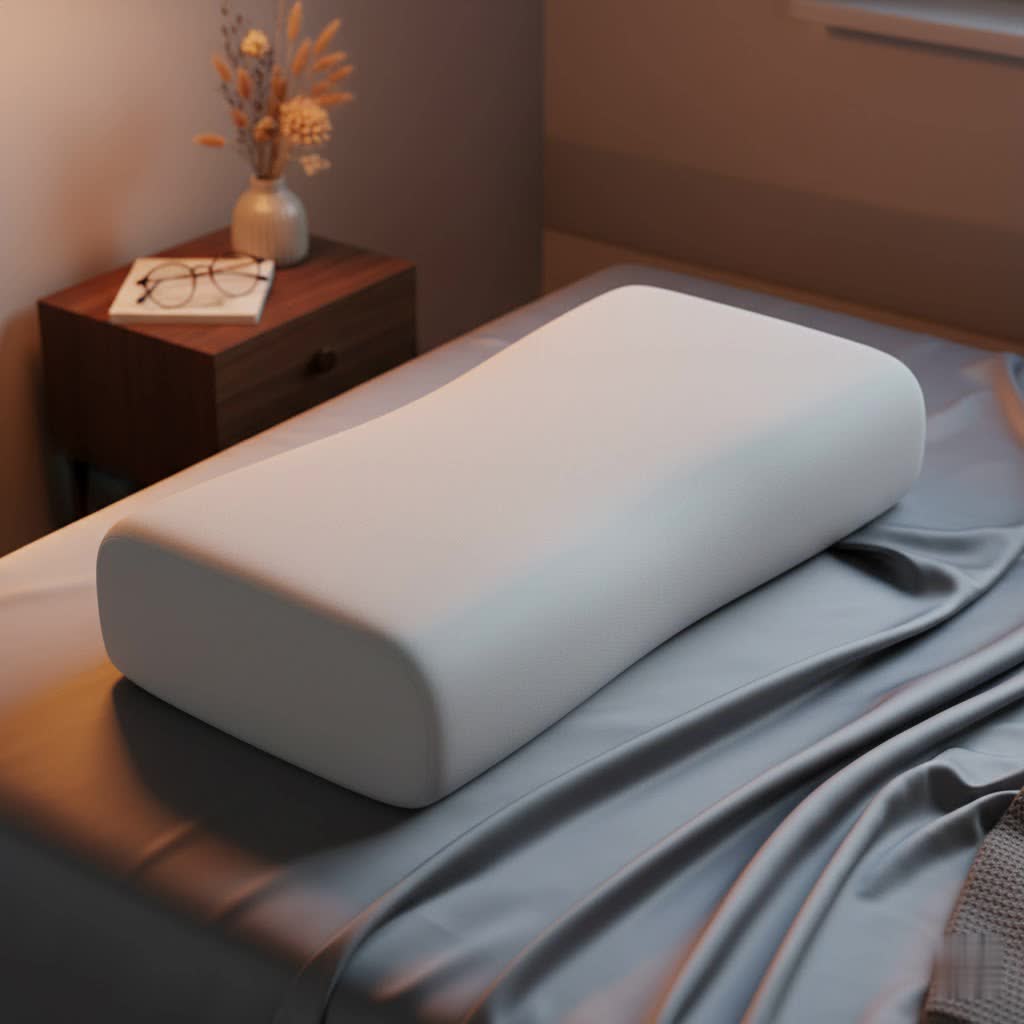
In the quest for truly restorative sleep, the right pillow is paramount. Beyond simply a decorative accent, a pillow insert dictates the comfort, support, and longevity of your sleep setup. If you’ve ever woken up with a stiff neck or found yourself constantly fluffing a flat pillow, it’s likely time to re-evaluate what’s inside your pillowcase. Foam pillow inserts offer a diverse world of options, each engineered to provide specific benefits, from contouring pressure relief to breathable, hypoallergenic support. This guide, drawing on over a decade of experience in bedding and foam technology, will navigate the intricacies of foam pillow inserts to help you choose the perfect match for your sleep needs and lifestyle.
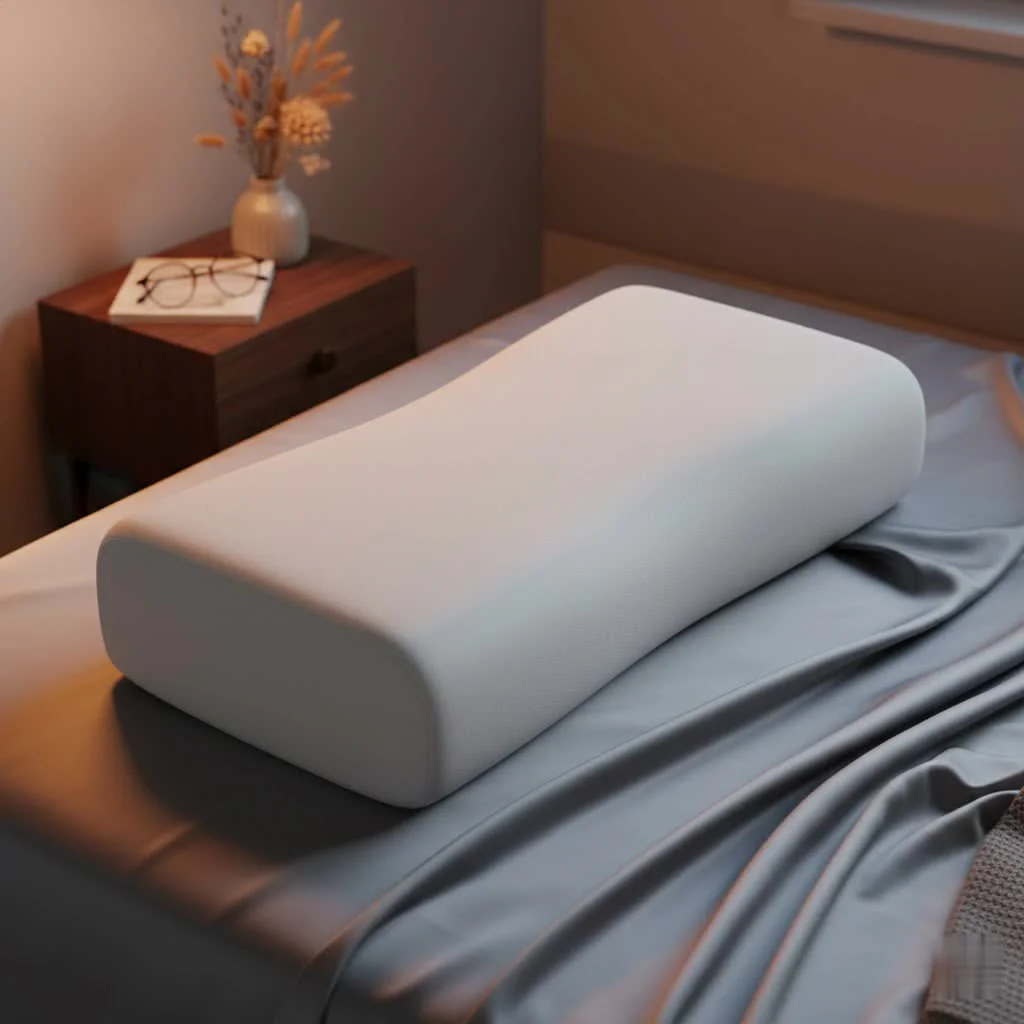
The Diverse World of Foam Pillow Inserts
Understanding the different types of foam available for pillow inserts is the first step toward finding your ideal comfort. Each foam boasts a unique composition and set of properties designed to cater to varying sleep preferences and support requirements. From responsive contouring to robust durability, delving into these materials will illuminate the best choice for your nightly repose.
Memory Foam: Unrivaled Contouring and Pressure Relief
Memory foam, also known as viscoelastic foam, excels at conforming precisely to your body’s shape. This unique characteristic allows it to cradle the head and neck, distributing weight evenly and relieving pressure points. Initially developed by NASA, its ability to react to body heat and mold to individual contours makes it a popular choice for those seeking therapeutic support.
- Advantages: Exceptional pressure relief, superior spinal alignment, excellent motion isolation.
- Disadvantages: Can retain heat, may have an initial off-gassing smell, less breathable than other foams.
- Best For: Side sleepers, back sleepers, individuals with neck or back pain, those seeking firm, supportive comfort.
Latex Foam: Natural Resilience and Breathability
Latex foam, derived from the sap of rubber trees (natural latex) or created synthetically, is celebrated for its springy feel and impressive durability. Unlike memory foam, latex offers a more responsive bounce-back sensation, maintaining its shape quickly. Natural latex is also prized for being inherently hypoallergenic and resistant to dust mites.
- Advantages: Highly breathable, durable and long-lasting, hypoallergenic (especially natural latex), responsive and supportive.
- Disadvantages: Can be heavier than other foam types, typically more expensive, may have a distinct rubbery smell (especially natural latex).
- Comparison to Memory Foam: Latex generally offers better breathability and a quicker response time, while memory foam provides deeper contouring.
Polyurethane Foam: Versatility and Affordability
|
Our Picks for the Best Foam Pillow in 2026
As an Amazon Associate I earn from qualifying purchases.
|
||
| Num | Product | Action |
|---|---|---|
| 1 | QUTOOL Enhanced Cooling Pillows Queen Size Set of 2,CertiPUR-US Shredded Memory Foam Pillows 2 Pack for Hot Sleeper, Adjustable Bed Pillow for Side, Back, Stomach Sleepers Support Yet Soft, Home Gifts |

|
| 2 | Cooling Pillows for Sleeping, Shredded Memory Foam Cooling Pillow for Hot Sleepers, Adjustable Cool Bed Pillows for Side Back Stomach Sleepers(Queen) |
|
| 3 | Ultra Pain Relief Cooling Pillow for Neck Support, Adjustable Cervical Pillow Cozy Sleeping, Odorless Ergonomic Contour Memory Foam Pillows, Orthopedic Bed Pillow for Side Back Stomach Sleeper |
|
| 4 | QUTOOL Cooling Pillow for Sleeping 2 Pack, Luxury Shredded Memory Foam Bed Queen Pillows Set of 2, Cool Pillow for Hot Sleepers Adjustable Firm Pillow for Side, Back, Stomach Sleepers Soft Yet Support |
|
| 5 | Memory Foam Pillows Neck Pillow Bed Pillow for Sleeping Ergonomic Cervical Contour Pillow for Side Back Stomach Sleeper for Neck and Shoulder Pain |
|
| 6 | Cube Pillow for Side Sleeper with Firm Layer, Cooling Memory Foam Pillows with Two Side Four Types of Softness for Neck and Shoulder Pain, King or Queen 24"x12"x5" |
|
| 7 | Ultra Pain Relief Cooling Pillow for Neck Support, Adjustable Cervical Pillow Cozy Sleeping, Odorless Ergonomic Contour Memory Foam Pillows, Orthopedic Bed Pillow for Side Back Stomach Sleeper |
|
| 8 | Ultra Pain Relief Cooling Pillow for Neck Support, Adjustable Cervical Pillow Cozy Sleeping, Odorless Ergonomic Contour Memory Foam Pillows, Orthopedic Bed Pillow for Side Back Stomach Sleeper |
|
| 9 | Memory Foam Pillows Neck Pillow Bed Pillow for Sleeping Ergonomic Cervical Pillow Orthopedic Contour Pillow for Side Back Stomach Sleeper |
|
| 10 | Cooling Gel Memory Foam Pillow - 1-Pack - Standard Size Bed Pillows For Sleeping - Medium-Firm - Back, Stomach and Side Sleeper Pillow - Shoulder & Back Pain Relief - Washable , Bamboo Viscose Cover |
|
Polyurethane (PU) foam is the most common and versatile type of foam used in various applications, including pillow inserts. It can be manufactured in a wide range of densities and firmness levels, offering flexibility to meet different comfort needs and budgets. Its widespread use in furniture and mattresses speaks to its adaptable nature.
- Advantages: Highly customizable in terms of density and firmness, generally more affordable, lightweight.
- Disadvantages: Less durable than memory or latex foam, can degrade over time, may not offer the same level of pressure relief as memory foam.
- Applications: Often found in standard pillows, decorative inserts, and as a base layer for other foam types due to its cost-effectiveness and adaptability. Variations like high-density (HD36) foam provide increased durability and support, while softer ‘Super Soft’ options are ideal for back cushions.
Gel-Infused Foam: The Cooling Solution
Gel-infused foam combines the contouring benefits of memory foam with cooling properties. Small gel beads or a liquid gel layer are incorporated into the foam to dissipate heat, addressing one of the common drawbacks of traditional memory foam. This innovation is a game-changer for individuals who tend to sleep hot.
- Advantages: Provides a cooler sleep surface, offers excellent pressure relief, maintains the conforming support of memory foam.
- Disadvantages: Can be more expensive than traditional memory foam, cooling effect may diminish over time.
- Best For: Hot sleepers, those seeking memory foam comfort without the heat retention.
Shredded Foam: Adjustable Comfort and Enhanced Airflow
Shredded foam inserts consist of foam pieces, often memory foam or latex, that are shredded into smaller fragments. This allows for greater airflow compared to solid foam blocks, enhancing breathability. A key benefit of shredded foam is its adjustability; you can add or remove fill to customize the pillow’s loft and firmness to your exact preference.
- Advantages: Excellent airflow and breathability, customizable loft and firmness, conforms well to individual shapes.
- Disadvantages: Can feel less uniform than solid foam, may require occasional fluffing to maintain shape.
- Best For: Individuals who prefer an adjustable pillow, hot sleepers, those seeking a balance of support and plushness.
Detailed Comparison of Popular Foam Types
Choosing the right foam pillow insert requires a careful comparison of their core attributes. While personal preference plays a significant role, understanding how each type stacks up in terms of key performance indicators can guide your decision. Below is a detailed comparison to highlight the distinct characteristics of each foam type.
| Feature | Memory Foam | Latex Foam | Polyurethane Foam | Gel-Infused Foam | Shredded Foam |
|---|---|---|---|---|---|
| Durability | High; retains shape over time | Very High; exceptionally long-lasting | Moderate; varies with density, can degrade faster | High; similar to memory foam | Moderate to High; depends on foam type, can shift |
| Elasticity | Low; slow response, molds to shape | High; responsive bounce-back, quick recovery | Moderate; varies with density | Low; slow response, molds to shape | High (if shredded latex), Moderate (if shredded memory foam) |
| Breathability | Low; can retain heat | High; open-cell structure promotes airflow | Moderate; generally better than memory foam | Improved; gel helps dissipate heat | High; individual pieces allow for airflow |
| Support | Excellent; contouring and pressure relief | Excellent; resilient and supportive | Good; customizable firmness | Excellent; contouring with cooling benefits | Excellent; adjustable and conforming |
| Price | Moderate to High | High | Low to Moderate | High | Moderate to High |
| Best For | Pain relief, deep contouring, consistent support | Responsive feel, natural materials, allergy sufferers | Budget-friendly, versatile applications | Hot sleepers, memory foam lovers | Adjustable comfort, enhanced airflow |
Crucial Factors When Choosing Foam Pillow Inserts
Selecting the ideal foam pillow insert extends beyond simply picking a foam type; several critical factors must align with your unique needs. From the firmness level that supports your spine to safety certifications that ensure product integrity, each element contributes to your overall sleep health and comfort. Considering these aspects will help you make an informed decision for long-term satisfaction.
Loft (Height) and Firmness of the Pillow
The loft and firmness of a foam pillow insert are crucial for maintaining proper spinal alignment, especially for your neck. A pillow that is too high or too flat can lead to discomfort and pain.
- Loft: This refers to the pillow’s height. Side sleepers generally need a higher loft to fill the gap between their head and shoulder, while back sleepers often require a medium loft. Stomach sleepers typically benefit from a very low loft or even no pillow to avoid neck strain.
- Firmness: This relates to how much the pillow compresses under pressure. Higher density foams, like those found in firm memory foam or high-quality polyurethane (e.g., Lux Foam), offer more stable support. Softer foams, like Super Soft polyurethane, are often preferred for back cushions where less weight is applied. The goal is to keep your head, neck, and spine in a neutral alignment.
Pillow Size and Shape
Pillow inserts come in various standard sizes and shapes, each serving a different purpose.
- Standard Sizes: Common sizes include Standard, Queen, and King, designed to fit corresponding pillowcases. Ensure the insert size matches your pillow cover for a snug, plump fit.
- Decorative Pillows: For throw pillows, it’s generally recommended to choose an insert that is 1 to 2 inches larger than the cover to achieve a full, luxurious look. For example, an 18×18 inch cover might use a 20×20 inch insert.
- Ergonomic Shapes: Beyond traditional rectangular shapes, contour pillows are designed with a wave-like profile to specifically support the natural curve of the neck. U-shaped or wedge pillows offer specialized support for reading or elevating the upper body.
Pillow Cover Material
The material of your pillow cover plays a significant role in the overall feel and breathability of your pillow.
- Breathability: Opt for covers made from breathable fabrics like cotton, bamboo, or Tencel, especially if your foam insert (like memory foam) tends to retain heat.
- Ease of Cleaning: A removable, washable cover is essential for hygiene and extending the life of your pillow. Look for covers with zippers for easy removal.
Safety Certifications
When investing in foam products, safety certifications provide peace of mind regarding material quality and environmental impact.
- CertiPUR-US: This certification ensures that the foam is made without ozone depleters, PBDEs, TDCPP, or TCEP flame retardants, mercury, lead, heavy metals, formaldehyde, and phthalates regulated by the CPSC. It also certifies low VOC (Volatile Organic Compound) emissions for indoor air quality.
- OEKO-TEX Standard 100: This certification guarantees that textiles and fabrics are tested for harmful substances and are safe for human health.
Your Sleeping Position and Health Needs
Your individual sleep posture and any existing health concerns should heavily influence your foam pillow insert choice.
- Side Sleepers: Need a higher, firmer pillow to keep their spine aligned, preventing the head from dropping too low. Memory foam or a high-loft shredded latex pillow can be excellent choices.
- Back Sleepers: Require a medium-loft, medium-firm pillow to support the natural curve of the neck without pushing the head too far forward. Contour memory foam or a responsive latex pillow often works well.
- Stomach Sleepers: Best suited for a very soft, low-loft pillow or even no pillow to minimize neck hyperextension. Shredded foam (with minimal fill) or a thin polyurethane foam might be suitable.
- Neck or Back Pain: Memory foam’s ability to contour and provide targeted support can be beneficial for alleviating pressure in these areas.
“The subtle differences in foam density and composition can make all the difference in sleep quality. Always prioritize how a pillow feels for your unique body over generic recommendations.” – Dr. Eleanor Vance, Sleep Ergonomics Specialist
How to Purchase Foam Pillow Inserts Effectively
Navigating the market for foam pillow inserts can be overwhelming given the myriad of options. A strategic approach ensures you invest in a product that genuinely enhances your sleep and lasts for years. By carefully assessing your needs and understanding purchase considerations, you can confidently select the best foam pillow insert.
Identify Your Personal Needs
Before you even start browsing, take stock of your personal sleep profile.
- Sleeping Position: As discussed, this is paramount. Are you a side, back, or stomach sleeper?
- Firmness Preference: Do you prefer a plush, medium, or firm feel?
- Health Concerns: Do you suffer from neck pain, back pain, or allergies? Consider options like contour memory foam for pain relief or natural latex for hypoallergenic properties.
- Temperature Sensitivity: Do you tend to sleep hot? Gel-infused or shredded foam could be beneficial.
Read Specifications and Product Reviews Thoroughly
Once you have a clearer idea of your needs, dive into the details.
- Density and ILD (Indentation Load Deflection): For solid foam, these numbers indicate firmness and durability. Higher density often means greater support and longevity. For memory foam, a density of 3-4 pounds per cubic foot is often recommended for good support.
- Material Composition: Verify if the foam is truly memory foam, latex, or polyurethane, and look for certifications like CertiPUR-US.
- User Reviews: Pay close attention to reviews, especially those from individuals with similar sleep habits or concerns. Look for comments on durability, heat retention, and how the pillow maintains its shape over time.
Purchase from Reputable Retailers with Clear Policies
Where you buy your foam pillow insert is almost as important as what you buy.
- Trusted Brands: Opt for established brands known for quality foam products.
- Return and Exchange Policies: A good return policy allows you to try the pillow for a period, as it often takes a few nights to adjust to a new pillow. Look for at least a 30-day trial period.
- Warranty: Quality foam inserts should come with a warranty (typically 1-5 years) against manufacturing defects, indicating the manufacturer’s confidence in their product.
Consider a Trial Period if Possible
Some retailers or brands offer sleep trials, allowing you to test the pillow in your own home for a set period. This is invaluable, as a pillow’s true comfort can only be assessed after several nights of use. If a trial isn’t explicitly offered, ensure the return policy is generous enough to allow for a proper test.
Caring for and Maintaining Your Foam Pillow Inserts
Proper care and maintenance are essential for extending the lifespan of your foam pillow inserts and maintaining their hygienic quality. Unlike traditional fiberfill pillows, foam requires specific cleaning methods to prevent damage and preserve its structural integrity. Adhering to these guidelines will ensure your investment continues to provide optimal comfort and support for years to come.
Regular Cleaning and Odor Removal
- Spot Cleaning: Most foam inserts cannot be machine washed. For spills or stains, gently spot clean with a mild detergent and water. Blot the area with a clean cloth, being careful not to saturate the foam. Allow it to air dry completely in a well-ventilated area, away from direct sunlight or heat.
- Odor Removal: Foam, especially memory foam, can sometimes develop an odor (off-gassing) when new or absorb smells over time. To combat this, remove the cover and air out the foam insert in a well-ventilated room. You can also sprinkle baking soda over the foam, let it sit for several hours (or overnight), and then vacuum it off. Repeat as necessary.
Protecting Your Investment
- Use a Pillow Protector: A high-quality, breathable pillow protector acts as a barrier against dust mites, allergens, moisture, and stains, significantly extending the life of your foam insert. Look for protectors that are machine washable.
- Proper Pillowcases: Always use a clean pillowcase to protect the insert from sweat, oils, and dirt. Wash pillowcases regularly according to their care instructions.
- Avoid Direct Sunlight and Heat: Foam can degrade and lose its properties when exposed to direct sunlight or high heat. Do not use a dryer for foam inserts; always air dry. Keep them away from radiators or other heat sources.
Maintaining Shape and Loft
- Fluffing (for Shredded Foam): If you have a shredded foam insert, regular fluffing will help redistribute the foam pieces, maintain loft, and prevent clumping.
- Rotate and Flip: Occasionally rotating or flipping your solid foam pillow can help distribute wear evenly, although high-quality foam is designed to retain its shape well.
Conclusion
Choosing the perfect foam pillow insert is a significant step towards achieving the deep, restorative sleep you deserve. We’ve explored the unique benefits of memory foam’s contouring embrace, latex’s resilient support, the versatility of polyurethane, the cooling innovation of gel-infused foam, and the adjustable comfort of shredded foam. Remember to consider crucial factors like loft, firmness, size, safety certifications, and—most importantly—your individual sleeping position and health needs. By carefully evaluating these elements and committing to proper care, you’ll select an insert that not only fits your pillowcase but also cradles your head and neck into years of peaceful slumber.
What specific comfort or support challenge are you hoping a new foam pillow insert will help you overcome tonight?
Frequently Asked Questions
What is the ideal density for a memory foam pillow insert?
For optimal support and durability, a memory foam pillow insert with a density of at least 3 to 4 pounds per cubic foot is generally recommended. This density provides a good balance of conforming comfort and lasting structural integrity, especially beneficial for alleviating neck and back pain.
How much larger should a foam insert be than its pillow cover?
For decorative throw pillows, it’s typically recommended to choose a foam insert that is 1 to 2 inches larger than the pillow cover. This slight size difference ensures a full, plump appearance without the pillow looking saggy. For sleeping pillows, matching the cover size is often sufficient.
Can foam pillow inserts help with neck pain?
Yes, foam pillow inserts, particularly memory foam and contoured latex foam, are excellent for alleviating neck pain. Their ability to conform to the natural curve of your neck and head provides superior support and maintains proper spinal alignment, reducing strain on muscles and joints throughout the night.
Are foam pillow inserts hypoallergenic?
Many foam pillow inserts, especially those made from natural latex or certified polyurethane foams (like CertiPUR-US certified memory foam), are considered hypoallergenic. They resist dust mites and common allergens better than some traditional fills, making them a good choice for allergy sufferers seeking a cleaner sleep environment.
How long do foam pillow inserts typically last?
The lifespan of a foam pillow insert varies depending on the type and quality of the foam. High-quality memory foam and latex foam inserts can last 3 to 5 years, or even longer for premium latex. Standard polyurethane foam typically has a shorter lifespan, often ranging from 1 to 3 years, before losing its supportive properties.
Get our weekly buyer guide
Practical specs, not advice. Unsubscribe anytime.
