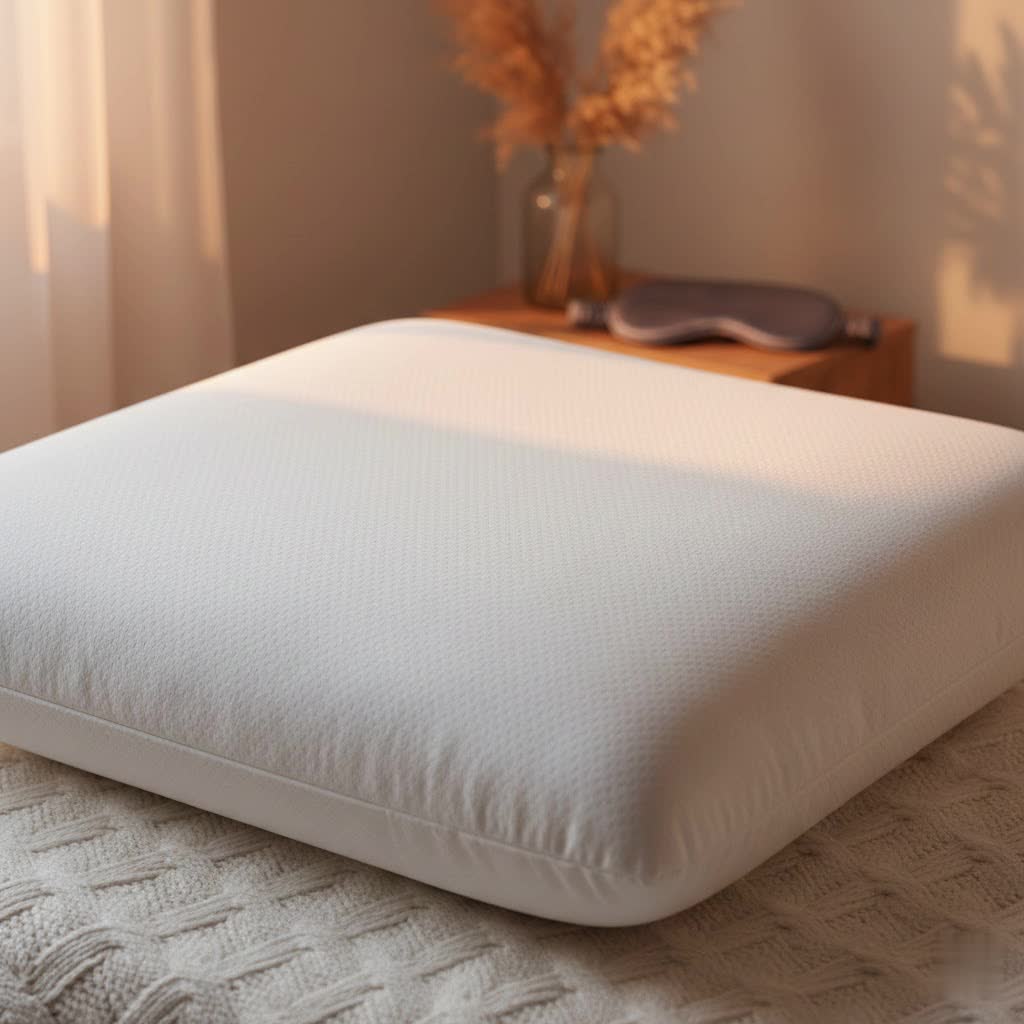
Waking up with a stuffy nose, itchy eyes, or a persistent cough can turn the promise of a restful night into a nightly struggle. For millions, the culprit isn’t a seasonal allergy, but rather the very place they rest their head: their pillow. Traditional pillows often become breeding grounds for dust mites, mold, and other allergens, exacerbating symptoms and disrupting vital sleep. The good news? Hypoallergenic memory foam pillows offer a remarkable solution, designed to create a cleaner, healthier sleep environment and help you reclaim your nights. But with so many options, how do you choose the perfect one to truly breathe easy? This comprehensive guide, informed by over a decade of experience in sleep product evaluation, will unravel the science, benefits, and selection process for the ideal hypoallergenic memory foam pillow, ensuring you wake up refreshed and revitalized.
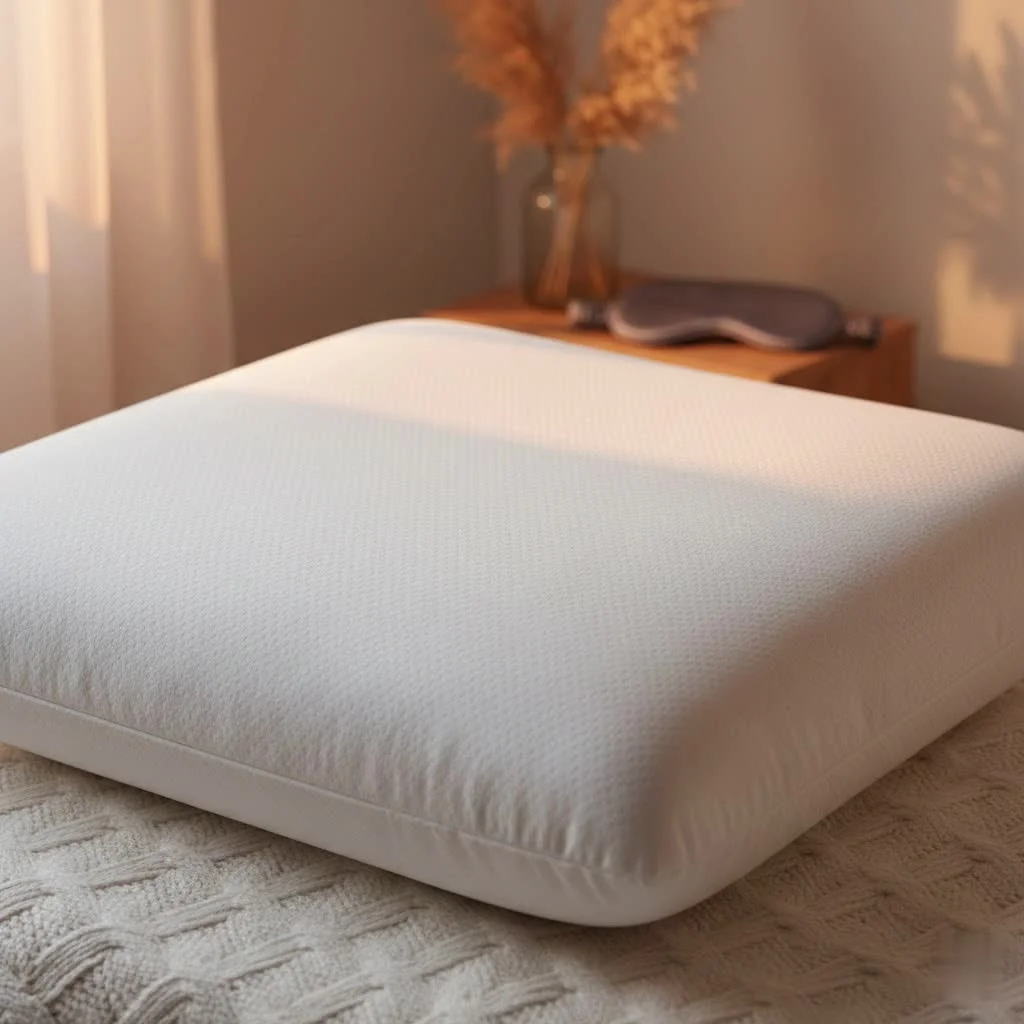
Understanding the Landscape of Foam Pillows
The world of foam pillows extends beyond just memory foam, each type offering distinct characteristics that cater to different preferences and needs. Understanding these variations is the first step toward finding your perfect match. For compare top memory foam on this site.
Memory Foam: Adaptive Support with Allergy Defense
Memory foam, originally developed by NASA, is renowned for its viscoelastic properties, allowing it to conform precisely to the contours of your head and neck. This personalized molding provides exceptional pressure relief and helps maintain optimal spinal alignment, reducing common aches and pains. Crucially, memory foam’s dense structure acts as a natural barrier against common household allergens. Its tightly packed cells make it difficult for dust mites to penetrate and thrive, and its synthetic composition is less appealing to mold and mildew. This inherent resistance makes memory foam an excellent choice for allergy sufferers seeking both comfort and a cleaner sleep space. While some new memory foam pillows might have a temporary “off-gassing” odor, this typically dissipates quickly, especially with proper airing.
Latex Foam: Natural Resilience and Breathability
Latex foam, derived from the sap of rubber trees (natural latex) or synthetically produced, offers a different feel. It’s known for its buoyant support, offering a responsive bounce that helps you move more freely during sleep compared to the “sinking” feeling of memory foam. Natural latex is inherently hypoallergenic, naturally resistant to dust mites, mold, and mildew, making it another strong contender for allergy sufferers. It also tends to be more breathable than traditional memory foam due to its open-cell structure. However, individuals with a known latex allergy should exercise caution and opt for synthetic alternatives or other materials.
Polyurethane Foam: The Foundational Layer
|
Our Picks for the Best Foam Pillow in 2026
As an Amazon Associate I earn from qualifying purchases.
|
||
| Num | Product | Action |
|---|---|---|
| 1 | Cube Pillow for Side Sleeper with Firm Layer, Cooling Memory Foam Pillows with Two Side Four Types of Softness for Neck and Shoulder Pain, King or Queen 24"x12"x5" |

|
| 2 | Ultra Pain Relief Cooling Pillow for Neck Support, Adjustable Cervical Pillow Cozy Sleeping, Odorless Ergonomic Contour Memory Foam Pillows, Orthopedic Bed Pillow for Side Back Stomach Sleeper |
|
| 3 | Cooling Gel Memory Foam Pillow - 1-Pack - Standard Size Bed Pillows For Sleeping - Medium-Firm - Back, Stomach and Side Sleeper Pillow - Shoulder & Back Pain Relief - Washable , Bamboo Viscose Cover |
|
| 4 | Memory Foam Pillows Neck Pillow Bed Pillow for Sleeping Ergonomic Cervical Pillow Orthopedic Contour Pillow for Side Back Stomach Sleeper |
|
| 5 | QUTOOL Enhanced Cooling Pillows Queen Size Set of 2,CertiPUR-US Shredded Memory Foam Pillows 2 Pack for Hot Sleeper, Adjustable Bed Pillow for Side, Back, Stomach Sleepers Support Yet Soft, Home Gifts |
|
| 6 | Memory Foam Pillows Neck Pillow Bed Pillow for Sleeping Ergonomic Cervical Contour Pillow for Side Back Stomach Sleeper for Neck and Shoulder Pain |
|
| 7 | Ultra Pain Relief Cooling Pillow for Neck Support, Adjustable Cervical Pillow Cozy Sleeping, Odorless Ergonomic Contour Memory Foam Pillows, Orthopedic Bed Pillow for Side Back Stomach Sleeper |
|
| 8 | Ultra Pain Relief Cooling Pillow for Neck Support, Adjustable Cervical Pillow Cozy Sleeping, Odorless Ergonomic Contour Memory Foam Pillows, Orthopedic Bed Pillow for Side Back Stomach Sleeper |
|
| 9 | QUTOOL Cooling Pillow for Sleeping 2 Pack, Luxury Shredded Memory Foam Bed Queen Pillows Set of 2, Cool Pillow for Hot Sleepers Adjustable Firm Pillow for Side, Back, Stomach Sleepers Soft Yet Support |
|
| 10 | Cooling Pillows for Sleeping, Shredded Memory Foam Cooling Pillow for Hot Sleepers, Adjustable Cool Bed Pillows for Side Back Stomach Sleepers(Queen) |
|
Polyurethane foam serves as the base material for most memory foam pillows. While basic polyurethane foam pillows might offer some cushioning, they typically lack the advanced contouring and density of true memory foam. Their structure can be more open, potentially making them less resistant to allergens compared to denser memory foam. They are often a more budget-friendly option but may not provide the same level of allergen protection or orthopedic support.
Gel-Infused Foam: The Cool Comfort Upgrade
One common concern with traditional memory foam is its tendency to retain heat. Gel-infused foam addresses this by incorporating cooling gel beads or swirls into the memory foam. This helps dissipate heat more effectively, providing a cooler sleep surface without compromising the signature contouring support. While gel infusion doesn’t directly enhance hypoallergenic properties, a cooler, drier pillow environment can indirectly deter moisture-loving allergens like mold. This makes gel-infused options particularly appealing for hot sleepers who also battle allergies.
Shredded Foam: Adjustable and Aerated
Shredded foam pillows typically contain small pieces of memory foam, latex foam, or a blend. This design offers a unique advantage: adjustability. You can add or remove fill to customize the pillow’s loft and firmness, tailoring it precisely to your sleeping position and comfort needs. The individual foam pieces also allow for better airflow compared to a solid block of foam, enhancing breathability and reducing heat buildup. This increased airflow can further contribute to a less hospitable environment for dust mites and mold, making shredded foam an excellent hypoallergenic option for those who value customization and cooling.
Detailed Comparison of Foam Types
Choosing between various foam types often comes down to a balance of personal preference, specific needs, and budget. Here’s a comparative look to help you decide.
| Feature | Memory Foam | Latex Foam (Natural) | Polyurethane Foam | Gel-Infused Foam | Shredded Foam |
|---|---|---|---|---|---|
| Feel/Response | Slow contouring, “sinking” sensation, pressure relief | Responsive, buoyant, “bouncy” feel, immediate push-back | Softer, less contouring than memory foam | Similar to memory foam, but cooler | Malleable, highly adjustable loft and firmness |
| Hypoallergenic | Excellent; dense structure resists dust mites, mold, bacteria | Excellent; naturally resistant to dust mites, mold, mildew | Moderate; less dense, can trap more allergens | Excellent (like memory foam) | Excellent (like memory foam/latex); enhanced airflow |
| Breathability | Can retain heat; improved in open-cell or gel-infused versions | Naturally breathable due to open-cell structure | Moderate | Improved over traditional memory foam | Good; individual pieces allow airflow |
| Durability | Good; retains shape for several years | Excellent; highly durable, can last 20+ years | Moderate; can sag or lose shape faster | Good (like memory foam) | Good (like memory foam/latex), but fill can shift |
| Off-Gassing | Possible initial chemical odor (VOCs) | Minimal to none (natural latex) | Possible | Possible initial chemical odor | Possible initial chemical odor |
| Price Range | Mid to High | High | Low to Mid | Mid to High | Mid to High |
| Ideal For | Side/back sleepers, pain relief, allergy sufferers | All sleep positions, those seeking natural materials, allergy sufferers | Budget-conscious, light support | Hot sleepers, pain relief, allergy sufferers | All sleep positions, those needing customizable support, allergy sufferers |
When evaluating these types, consider how they interact with your sleeping habits. A side sleeper might benefit from the firm, contouring support of solid memory foam, which cradles the neck and spine. Back sleepers often find comfort in medium-loft memory foam that supports the natural curve of the neck. Stomach sleepers generally require a lower loft to prevent neck strain, making adjustable shredded foam an excellent choice. Beyond support, the hypoallergenic properties of both memory foam and latex make them superior choices for individuals seeking to minimize allergen exposure and improve sleep quality.
Essential Factors When Choosing a Foam Pillow
Selecting the right hypoallergenic memory foam pillow goes beyond just the foam type. Several critical factors influence comfort, support, and long-term sleep health.
Pillow Loft and Firmness: The Foundation of Support
The loft (height) and firmness of your pillow directly impact spinal alignment and comfort.
- High Loft (4-6+ inches): Ideal for side sleepers to fill the gap between the head and shoulder, keeping the spine aligned.
- Medium Loft (3-5 inches): Often preferred by back sleepers, providing sufficient neck support without tilting the head too far forward.
- Low Loft (2-4 inches): Best for stomach sleepers to maintain a neutral neck position and prevent strain.
- Firmness: Memory foam pillows come in various firmness levels. A firmer pillow offers more support, while a softer one provides more cushioning. Your personal preference, body weight, and sleeping position should guide this choice. The right combination prevents stiff necks, shoulder pain, and headaches.
Pillow Size: Matching Your Sleep Space
Pillow sizes typically align with mattress sizes:
- Standard (20×26 inches): Common and fits most pillowcases.
- Queen (20×30 inches): Slightly longer, offering more room to move without losing pillow contact.
- King (20×36 inches): The longest option, ideal for king-sized beds or for those who toss and turn frequently.
- Choosing the right size ensures your pillow fits comfortably within your bed setup and provides adequate surface area for your sleep style.
Pillow Shape: Tailored for Ergonomics
Beyond traditional rectangular shapes, ergonomic designs cater to specific needs:
- Traditional: Rectangular, versatile, and widely available.
- Contour (Cervical) Pillows: Feature a wave-like design with a higher loft under the neck and a lower dip for the head. Excellent for neck pain sufferers and those seeking enhanced spinal alignment.
- U-Shaped/Travel Pillows: Designed for support while sitting upright, like during travel.
- Body Pillows: Long, supportive pillows for full-body alignment, popular among side sleepers and pregnant individuals.
The shape should complement your sleeping position and any specific comfort requirements.
Pillow Cover: The First Line of Defense and Comfort
The material of your pillow cover is crucial for both hygiene and comfort.
- Breathable Materials: Cotton, bamboo-derived viscose, or Tencel are excellent choices as they wick away moisture and promote airflow, which helps keep the pillow dry and less hospitable to allergens.
- Easy to Clean: A removable, machine-washable cover is essential for maintaining a hygienic sleep environment, allowing you to regularly wash away allergens and keep your pillow fresh.
- Pillow Protectors: Using a high-quality, zippered pillow protector underneath your pillowcase adds an extra layer of defense against dust mites and spills, significantly extending the life and cleanliness of your pillow.
Safety Certifications: Ensuring a Healthy Choice
For a truly hypoallergenic pillow, look for specific certifications that guarantee the absence of harmful chemicals and irritants:
- CertiPUR-US: This certification ensures that the foam has been tested for harmful substances and meets rigorous standards for emissions, durability, and content. It certifies foam is made without ozone depleters, PBDEs, mercury, lead, heavy metals, formaldehyde, and phthalates.
- OEKO-TEX Standard 100: This global standard certifies that textile products (including pillow covers) are free from harmful substances at all stages of production.
These certifications provide peace of mind that your pillow is not only allergen-resistant but also free from potentially irritating or toxic chemicals.
Identifying Quality Hypoallergenic Memory Foam Pillow Brands
While specific brand recommendations can vary with product updates and individual experiences, focusing on the hallmarks of a quality brand will guide your choice. A reputable brand typically prioritizes transparency, uses high-grade materials, and stands behind its products.
Look for brands that openly disclose their foam’s density and composition. Higher density memory foam (typically 4-5 lbs/cubic foot or more) often indicates greater durability and better support. Pay attention to the type of memory foam used—open-cell memory foam, for instance, is designed for improved airflow to combat heat retention, a common concern with traditional memory foam. Brands committed to hypoallergenic products will prominently display certifications like CertiPUR-US or OEKO-TEX, ensuring their materials are safe and free from harmful chemicals.
Customer reviews can offer valuable insights into a pillow’s real-world performance regarding comfort, support, and durability, especially for those with specific sleep issues or allergies. However, consider a range of reviews, as individual preferences differ. A brand that offers a generous sleep trial (e.g., 30 to 100 nights) and a comprehensive warranty demonstrates confidence in its product and provides you with the opportunity to test the pillow in your own sleep environment. Pricing tiers often reflect material quality, advanced features (like cooling technology or adjustability), and brand reputation, but a higher price doesn’t always guarantee the best fit for your unique needs.
How to Acquire Your Perfect Hypoallergenic Memory Foam Pillow
The journey to better sleep starts with a mindful purchase. Here’s a step-by-step guide to help you buy the hypoallergenic memory foam pillow that’s right for you.
1. Identify Your Personal Needs
Begin by honestly assessing your sleep habits and any health concerns:
- Sleeping Position: Are you a side, back, or stomach sleeper? This dictates the ideal loft and firmness.
- Health Issues: Do you experience neck pain, shoulder stiffness, or headaches? A contour pillow or one with specific support zones might be beneficial.
- Allergy Severity: How severe are your allergies? This will underscore the importance of density, certifications, and easy-to-clean covers.
- Temperature Preference: Do you tend to sleep hot? Consider gel-infused or shredded memory foam for enhanced cooling.
2. Dive into Specifications and Reviews
Once you have an idea of your needs, research products that align:
- Material Composition: Confirm the pillow is indeed hypoallergenic memory foam. Look for descriptions of foam density, type (e.g., open-cell, gel-infused), and cover material.
- Certifications: Prioritize pillows with CertiPUR-US and OEKO-TEX certifications to guarantee safety and allergen-free materials.
- User Reviews: Read customer reviews on multiple platforms. Pay attention to comments regarding allergy relief, comfort for specific sleeping positions, and whether the pillow retains heat or has any lingering odors.
3. Choose Reputable Retailers and Understand Policies
Purchase from established retailers known for quality bedding products:
- Authorized Dealers: Ensure you’re buying from an authorized dealer to guarantee product authenticity and warranty validity.
- Return Policies: A clear and hassle-free return policy is vital. Pillows are personal items, and sometimes what seems perfect online isn’t right in person.
- Sleep Trials: Many reputable brands offer sleep trials (e.g., 30 to 100 nights), allowing you to test the pillow at home and return it if it doesn’t meet your expectations. This is invaluable for finding the right fit.
4. Experience Before You Commit (If Possible)
If a physical store offers memory foam pillows, take advantage of the opportunity:
- In-Store Testing: Lie down with the pillow in your preferred sleeping position. Spend a few minutes to gauge its initial comfort, loft, and support. While not a substitute for a home trial, it can provide an early indication.
5. Mind the Warranty
A strong warranty reflects the manufacturer’s confidence in their product’s durability:
- Coverage: Understand what the warranty covers (e.g., defects, loss of loft/firmness) and for how long. A typical warranty for a quality memory foam pillow is 3-5 years.
Caring for Your Hypoallergenic Memory Foam Pillow
Proper care and maintenance are crucial for maximizing the life and effectiveness of your hypoallergenic memory foam pillow, especially in keeping allergens at bay. Unlike many traditional pillows, memory foam requires specific cleaning methods.
Regular Cleaning for Longevity and Hygiene
Memory foam pillows generally cannot be machine washed or submerged in water, as this can damage the foam’s structure and lead to mold growth if not dried thoroughly.
- Spot Cleaning: For spills or stains, immediately blot the area with a clean, damp cloth and a small amount of mild detergent (bleach-free). Work from the outside of the stain inwards, and then blot with a clean, water-dampened cloth to remove soap residue.
- Odor Removal: Memory foam can sometimes develop odors. Sprinkle baking soda generously over both sides of the pillow, let it sit for at least an hour (or up to 24 hours for stubborn odors), then vacuum it off using an upholstery attachment. This effectively absorbs odors and removes surface dust.
- Airing Out: Periodically air out your memory foam pillow in a well-ventilated area, away from direct sunlight, which can degrade the foam. A breezy, warm day is ideal to help remove any trapped moisture and keep it fresh.
Keeping Covers and Protectors Clean
This is your primary defense against allergens.
- Washable Covers: Most hypoallergenic memory foam pillows come with a removable, machine-washable cover. Wash this cover regularly – ideally weekly or bi-weekly, and more frequently during allergy season or if you’ve been ill. Use hot water if the fabric allows, as heat helps kill dust mites.
- Pillow Protectors: Always use a zippered, hypoallergenic pillow protector underneath your pillowcase. This acts as a barrier, preventing dust mites, skin flakes, and body oils from reaching the foam. Wash the protector monthly along with your bed linens.
Proper Drying Techniques
- Air Dry ONLY: Never put a memory foam pillow in a clothes dryer. The high heat can permanently damage the foam’s cellular structure, causing it to crumble or lose its supportive properties.
- Flat, Ventilated Surface: After spot cleaning or deep cleaning (if recommended by the manufacturer and done by hand), gently squeeze out excess water (do not wring!). Place the pillow on a flat, clean, well-ventilated surface to air dry completely. Using a portable fan can significantly speed up the drying process. Depending on thickness, this can take up to 24 hours. Ensure it is bone dry before putting the cover back on and using it to prevent mold and mildew growth.
By following these simple cleaning and maintenance steps, your hypoallergenic memory foam pillow will continue to provide a clean, supportive, and allergy-friendly sleep environment for years to come.
“A clean pillow isn’t just about aesthetics; it’s a critical component of a truly healthy sleep sanctuary, especially for those prone to allergies.” – Admin, Reviewdu.com, Sleep Product Expert
Conclusion
Navigating the landscape of pillows can feel overwhelming, but for those seeking solace from nighttime allergies, the hypoallergenic memory foam pillow stands out as a beacon of comfort and cleanliness. Its unique ability to conform to your body, provide exceptional support, and naturally resist common allergens like dust mites and mold makes it an indispensable tool for achieving restorative sleep. By understanding the nuances of different foam types, prioritizing certifications, and committing to proper care, you can select a pillow that not only alleviates allergy symptoms but also enhances your overall sleep quality. Investing in a hypoallergenic memory foam pillow is an investment in your health, ensuring you wake up feeling refreshed, revitalized, and ready to face the day without the burden of allergy woes. Are you ready to transform your sleep experience and truly breathe easy?
Frequently Asked Questions
What makes memory foam hypoallergenic?
Memory foam’s dense, viscoelastic structure makes it difficult for dust mites to burrow and thrive, and its synthetic composition is less appealing to mold and mildew compared to natural fibers like down. This inherent density acts as a protective barrier against common allergens.
Can a memory foam pillow help with asthma?
While a memory foam pillow doesn’t treat asthma directly, its hypoallergenic properties can significantly reduce exposure to common triggers like dust mites and mold in your sleep environment, potentially leading to fewer nighttime asthma symptoms and improved breathing.
Is CertiPUR-US certification important for a hypoallergenic memory foam pillow?
Yes, CertiPUR-US certification is highly important as it ensures the memory foam has been tested and certified to be free from harmful chemicals, heavy metals, formaldehyde, and phthalates, and has low VOC (Volatile Organic Compound) emissions, making it a safer and healthier choice for allergy sufferers.
How often should I replace my hypoallergenic memory foam pillow?
Typically, a high-quality memory foam pillow can last 3-5 years with proper care. However, if you notice signs of sagging, reduced support, persistent odors, or if your allergy symptoms return, it might be time for a replacement.
Can I machine wash my memory foam pillow?
No, memory foam pillows should not be machine washed or put in a dryer. The intense agitation and heat can damage the foam’s structure, causing it to break down or lose its supportive properties. Spot cleaning and airing out are recommended, while removable covers can usually be machine washed.
How do I deal with the “off-gassing” smell from a new memory foam pillow?
It’s common for new memory foam pillows to have a slight chemical odor, known as off-gassing. To mitigate this, remove the pillow from its packaging and air it out in a well-ventilated room for 24-72 hours before use. This allows any trapped VOCs to dissipate.
Get our weekly buyer guide
Practical specs, not advice. Unsubscribe anytime.
