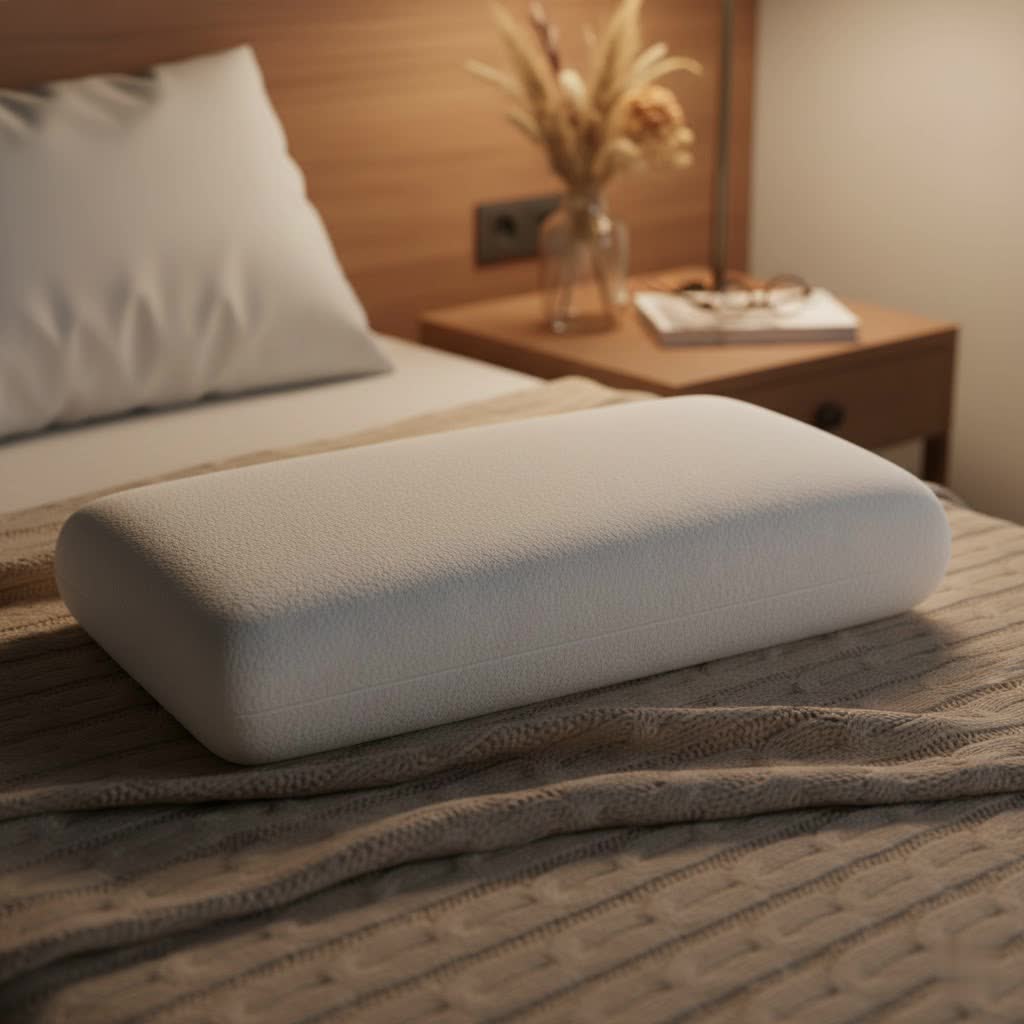
Pregnancy brings an incredible journey of change, but it often comes with a significant challenge: finding comfortable, restorative sleep. As your body adapts to nurture new life, aches, pains, and difficulty finding a suitable sleeping position can quickly turn peaceful nights into a restless struggle. A quality pregnancy pillow, especially one crafted from memory foam, can be a major upgrade, transforming your sleep experience by offering tailored support and unparalleled comfort when you need it most.
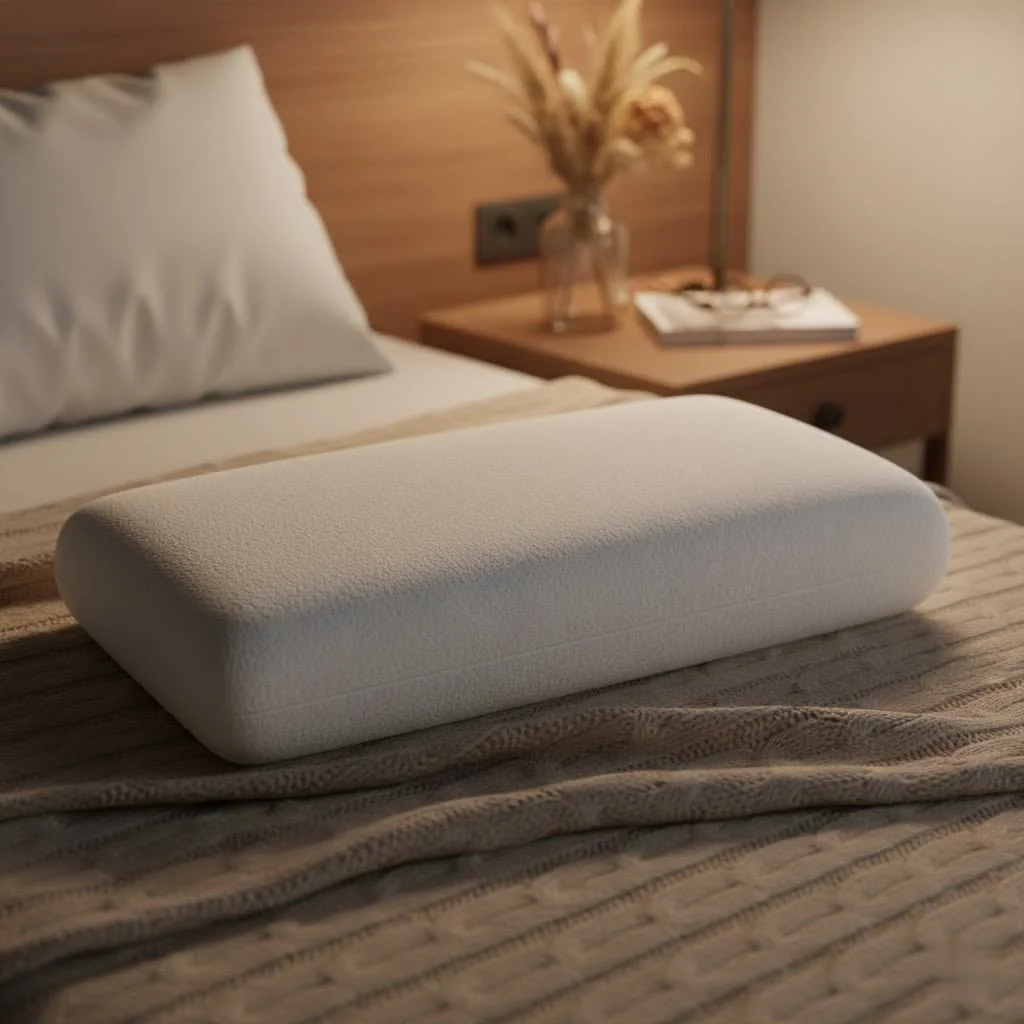
Understanding Pregnancy Pillow Foam Types
The heart of any great pregnancy pillow lies in its filling, and foam options offer a diverse range of benefits. Understanding these can help you choose the ideal companion for your pregnancy journey.
Memory Foam: Contouring Comfort and Pressure Relief
Memory foam, also known as viscoelastic polyurethane foam, is renowned for its unique ability to soften and contour precisely to your body’s shape in response to heat and pressure. This material excels at distributing weight evenly, providing exceptional pressure relief for sensitive areas like the hips, back, and growing belly.
- Pros:
- Superior Contouring: Molds perfectly to your body, offering personalized support.
- Pressure Point Relief: Alleviates strain on hips, back, and joints, reducing common pregnancy pains.
- Stable Support: Maintains its shape, cradling your body throughout the night without shifting.
- Cons:
- Heat Retention: Traditional memory foam can trap heat, potentially leading to overheating.
- “Off-Gassing” Odor: Some new memory foam products may emit a temporary chemical smell upon unboxing.
Latex Foam: Natural Responsiveness and Cooling
Often considered a premium alternative, latex foam is derived from rubber tree sap. It offers a distinctly different feel from memory foam, known for its resilience and natural properties.
- Pros:
- Responsive Support: Offers a bouncier feel than memory foam, providing immediate lift and support.
- Naturally Breathable: Generally more breathable than traditional memory foam, helping to regulate temperature.
- Durable and Hypoallergenic: Known for longevity and resistance to dust mites and allergens.
- Cons:
- Higher Cost: Typically more expensive than other foam types.
- Heavier: Can be heavier, making repositioning slightly more challenging.
Polyurethane Foam (Standard Foam): Basic Support
Standard polyurethane foam is a common, cost-effective filling. While it provides basic cushioning, it lacks the specialized contouring and pressure-relieving properties of memory foam or the natural benefits of latex.
- Pros:
- Lightweight: Easy to move and adjust.
- Affordable: Generally the most budget-friendly option.
- Cons:
- Less Contouring: Doesn’t mold to the body as effectively as memory foam.
- Can Flatten Over Time: May lose its loft and support more quickly.
Gel-Infused Memory Foam: The Cooling Solution
|
Our Picks for the Best Foam Pillow in 2026
As an Amazon Associate I earn from qualifying purchases.
|
||
| Num | Product | Action |
|---|---|---|
| 1 | QUTOOL Enhanced Cooling Pillows Queen Size Set of 2,CertiPUR-US Shredded Memory Foam Pillows 2 Pack for Hot Sleeper, Adjustable Bed Pillow for Side, Back, Stomach Sleepers Support Yet Soft, Home Gifts |

|
| 2 | Ultra Pain Relief Cooling Pillow for Neck Support, Adjustable Cervical Pillow Cozy Sleeping, Odorless Ergonomic Contour Memory Foam Pillows, Orthopedic Bed Pillow for Side Back Stomach Sleeper |
|
| 3 | Memory Foam Pillows Neck Pillow Bed Pillow for Sleeping Ergonomic Cervical Pillow Orthopedic Contour Pillow for Side Back Stomach Sleeper |
|
| 4 | Memory Foam Pillows Neck Pillow Bed Pillow for Sleeping Ergonomic Cervical Contour Pillow for Side Back Stomach Sleeper for Neck and Shoulder Pain |
|
| 5 | Ultra Pain Relief Cooling Pillow for Neck Support, Adjustable Cervical Pillow Cozy Sleeping, Odorless Ergonomic Contour Memory Foam Pillows, Orthopedic Bed Pillow for Side Back Stomach Sleeper |
|
| 6 | QUTOOL Cooling Pillow for Sleeping 2 Pack, Luxury Shredded Memory Foam Bed Queen Pillows Set of 2, Cool Pillow for Hot Sleepers Adjustable Firm Pillow for Side, Back, Stomach Sleepers Soft Yet Support |
|
| 7 | Cube Pillow for Side Sleeper with Firm Layer, Cooling Memory Foam Pillows with Two Side Four Types of Softness for Neck and Shoulder Pain, King or Queen 24"x12"x5" |
|
| 8 | Cooling Gel Memory Foam Pillow - 1-Pack - Standard Size Bed Pillows For Sleeping - Medium-Firm - Back, Stomach and Side Sleeper Pillow - Shoulder & Back Pain Relief - Washable , Bamboo Viscose Cover |
|
| 9 | Ultra Pain Relief Cooling Pillow for Neck Support, Adjustable Cervical Pillow Cozy Sleeping, Odorless Ergonomic Contour Memory Foam Pillows, Orthopedic Bed Pillow for Side Back Stomach Sleeper |
|
| 10 | Cooling Pillows for Sleeping, Shredded Memory Foam Cooling Pillow for Hot Sleepers, Adjustable Cool Bed Pillows for Side Back Stomach Sleepers(Queen) |
|
To counteract memory foam’s tendency to retain heat, manufacturers often infuse it with cooling gel beads or swirl gel into the foam. This innovation aims to provide the beloved contouring of memory foam with enhanced temperature regulation.
- Pros:
- Cooling Properties: Actively dissipates heat, keeping you cooler throughout the night.
- Maintains Support: Retains the pressure-relieving benefits of memory foam.
- Cons:
- Can Still Feel Warm: While improved, some sleepers may still find it warmer than other materials.
- Added Cost: Gel infusion typically increases the pillow’s price.
Shredded Memory Foam: Adjustable Comfort
Shredded memory foam consists of small pieces of memory foam, often blended with other fibers like down alternative. This allows for adjustability and improved airflow.
- Pros:
- Customizable Loft and Firmness: You can add or remove fill to achieve your preferred level of support.
- Enhanced Breathability: The shredded nature allows for better air circulation compared to solid blocks of memory foam.
- Malleable: Easily molds and conforms around specific body parts.
- Cons:
- Can Shift: May require occasional fluffing or reshaping.
- Potential for Lumps: Poorly constructed shredded foam can clump.
Comparing Core Foam Materials for Pregnancy Pillows
Choosing between foam types involves weighing comfort, support, and specific needs. Here’s a comparative overview:
| Feature | Memory Foam | Latex Foam | Shredded Memory Foam | Polyurethane Foam | Gel-Infused Memory Foam |
|---|---|---|---|---|---|
| Contouring | Excellent (adapts to body) | Good (responsive, consistent support) | Very Good (molds, adjustable) | Fair (basic cushioning) | Excellent (adapts, with cooling) |
| Pressure Relief | High | High | High | Moderate | High |
| Breathability | Low (traditional), Moderate (open-cell) | High (natural airflow) | Moderate to High (due to shredding) | Low to Moderate | Moderate to High (gel dissipates heat) |
| Durability | Good | Excellent | Good (quality dependent) | Moderate | Good |
| Firmness | Medium-firm (conforms) | Medium to Firm (bouncy, responsive) | Adjustable (from soft to firm) | Soft to Medium | Medium-firm (conforms, with cooling) |
| Price | Moderate to High | High | Moderate | Low | Moderate to High |
| Heat Retention | Can be high (traditional), mitigated with cooling | Low (naturally cool) | Moderate (improved over solid memory foam) | Moderate | Low to Moderate (specifically designed to be cool) |
| Best For | Deep contouring, severe pressure points | Natural materials, responsiveness, cooling | Customization, combination sleepers | Budget-conscious, temporary use | Hot sleepers, deep contouring |
Crucial Factors When Selecting Your Memory Foam Pregnancy Pillow
Beyond the foam type, several other considerations play a pivotal role in selecting the perfect pregnancy pillow.
Loft and Firmness: Spinal Alignment is Key
The height (loft) and feel (firmness) of your pillow are critical for maintaining proper spinal alignment, which directly impacts comfort and pain relief. During pregnancy, a firmer pillow often provides better body support.
- Loft: Choose a loft that keeps your head, neck, and spine in a neutral position, avoiding strain.
- Firmness: Memory foam generally offers a supportive medium-firm feel, contouring without allowing excessive sinkage. Adjustable shredded foam pillows allow you to fine-tune firmness by adding or removing fill.
Pillow Size and Shape: Tailored for Your Support Needs
Pregnancy pillows come in various shapes, each designed to address specific discomfort zones and sleeping preferences.
- U-Shaped Pillows: These full-body pillows wrap around you, offering symmetrical support for both your back and belly, as well as your hips and knees. They are ideal for restless sleepers and those needing maximum support, particularly for hip pain or sciatica, but they do occupy significant bed space.
- C-Shaped Pillows: Versatile and compact, C-shaped pillows support the head, neck, back, and legs. They can be used with the opening facing your front or back, making them excellent for alleviating back pain and providing full-body comfort. They are also a good option for petite individuals who might find a U-shaped pillow overwhelming.
- J-Shaped Pillows: Similar to C-shapes but with less curl, J-shaped pillows are more compact and provide targeted support for side sleepers, focusing on the belly and knees. They are less effective at preventing back-sleeping unless positioned strategically.
- Wedge Pillows: These smaller, compact pillows offer targeted support for specific areas like under the belly to alleviate round ligament pain, or behind the back for lumbar support. They are highly portable and ideal if you don’t need a full-body pillow or travel frequently.
Cover Material: Breathability and Easy Care
The pillow’s cover material is crucial for both comfort and hygiene.
- Breathable Fabrics: Opt for covers made from natural, breathable materials like cotton, bamboo, or jersey knit. These help to regulate temperature and prevent overheating, a common concern with memory foam.
- Removable and Washable: A cover that can be easily removed and machine-washed is essential for maintaining cleanliness and hygiene throughout your pregnancy.
Safety Certifications: Peace of Mind
Given prolonged contact with the pillow, safety certifications provide assurance about the materials used.
- CertiPUR-US®: This certification for foam ensures it’s made without ozone depleters, PBDE flame retardants, mercury, lead, heavy metals, formaldehyde, and phthalates, and has low VOC (Volatile Organic Compound) emissions for indoor air quality.
- OEKO-TEX® Standard 100: This certifies that every component of the product, from fabric to thread, has been tested for harmful substances and found to be harmless for human health.
- GOTS (Global Organic Textile Standard): For covers, GOTS certifies organic fiber content and ensures environmentally and socially responsible manufacturing.
Versatility and Postpartum Use: An Investment That Lasts
Many pregnancy pillows are designed for versatility, extending their usefulness beyond gestation. Consider if the pillow can be adapted for:
- Nursing Support: U or C-shaped pillows can provide excellent support for breastfeeding or bottle-feeding your baby.
- Lounging and Reading: They offer comfortable support for sitting upright in bed or on the couch.
- General Body Pillow: After pregnancy, it can continue to serve as a supportive body pillow for any sleeper.
Expert Tips for Choosing and Using Your Memory Foam Pregnancy Pillow
As someone who has navigated the vast world of pillows for over a decade, I can tell you that personal preference is paramount, especially during pregnancy.
- Identify Your Core Needs: Start by pinpointing your primary discomforts. Is it hip pain, back strain, heartburn, or simply difficulty finding a comfortable side-sleeping position? Your specific pains will guide your pillow shape and firmness choices.
- Trial and Error is Okay: If possible, try out different shapes or types of pillows. Many brands offer generous trial periods. If not, simulate different pillow shapes with regular pillows at home to get a feel for what might work best.
- Read Reviews, But Trust Your Gut: While reviews offer valuable insights, that every body and every pregnancy is unique. What works for one person may not work for another.
- Consider Your Partner and Bed Space: Full-body pregnancy pillows can take up a lot of real estate. Discuss with your partner if a larger U-shaped pillow is feasible, or if a more compact C-shape or a wedge might be a better fit for your bed size.
- Start Early: You don’t have to wait until your third trimester to use a pregnancy pillow. Many women find them beneficial as early as the second trimester, once their belly begins to grow and new discomforts arise.
- Combine and Conquer: Don’t be afraid to use your pregnancy pillow in conjunction with a regular head pillow or a small wedge for additional, targeted support.
“The right support during pregnancy isn’t just about comfort; it’s about promoting better circulation and ensuring adequate rest, which are vital for both mother and baby. A well-chosen memory foam pregnancy pillow can truly improve your sleep quality.” – Reviewdu.com Admin, Foam Pillow Expert
Care and Maintenance of Your Memory Foam Pregnancy Pillow
Proper care ensures your investment lasts throughout and beyond your pregnancy.
- Washing the Cover: Most pregnancy pillow covers are removable and machine-washable. Always check the care label for specific instructions, typically cold water wash and tumble dry on low.
- Cleaning the Foam: Memory foam inserts usually cannot be machine washed. Spot clean any spills or stains with a mild detergent and water, then allow to air dry completely.
- Addressing Off-Gassing: If your new memory foam pillow has an initial odor, air it out in a well-ventilated room for 24-48 hours before use.
- Fluffing and Reshaping: For shredded foam pillows, regular fluffing helps maintain their loft and even distribution of fill.
Conclusion
Navigating the sleep challenges of pregnancy is a common experience, but it doesn’t have to be a miserable one. A memory foam pregnancy pillow, with its unique contouring ability and supportive embrace, offers a powerful solution to alleviate aches, improve circulation, and guide you into safer, more comfortable sleeping positions. By understanding the different foam types, shapes, and crucial buying considerations, you can confidently choose a pillow that adapts to your evolving needs, ensuring more restful nights and contributing to your overall well-being. Invest in your sleep during this special time – your body, and your baby, will thank you for it.
What’s the one feature you prioritize most in a pregnancy pillow for a truly blissful night’s sleep?
Frequently Asked Questions
What are the main benefits of a memory foam pregnancy pillow?
Memory foam pregnancy pillows excel at contouring to your body’s unique shape, providing customized support and exceptional pressure relief for your back, hips, and joints. They help maintain proper spinal alignment and encourage comfortable side-sleeping positions, which can alleviate common pregnancy discomforts like pain and heartburn, ultimately leading to improved sleep quality.
Can memory foam pregnancy pillows get too hot?
Traditional memory foam can retain body heat, making some sleepers feel warm. However, many modern memory foam pregnancy pillows incorporate cooling technologies like gel infusions, breathable covers (e.g., made from bamboo or jersey fabric), or shredded foam designs to enhance airflow and regulate temperature for a cooler sleep experience.
What’s the difference between U-shaped and C-shaped memory foam pregnancy pillows?
U-shaped memory foam pregnancy pillows offer full-body, symmetrical support for both your back and front, ideal for restless sleepers needing comprehensive cradling. C-shaped pillows are more compact, providing versatile support for the head, neck, back, and legs, and are excellent for targeted relief and smaller bed spaces. The best choice depends on your specific discomforts and available bed space.
When should I start using a memory foam pregnancy pillow?
You can start using a memory foam pregnancy pillow whenever you begin to feel uncomfortable or have difficulty finding a good sleeping position. Many women find them particularly beneficial starting in the second trimester, as the baby bump grows and puts increased strain on the back and hips, making side-sleeping more crucial.
Are memory foam pregnancy pillows safe?
Reputable memory foam pregnancy pillows are generally safe. Look for certifications like CertiPUR-US®, which ensures the foam is made without harmful chemicals such as ozone depleters, heavy metals, and formaldehyde, and has low VOC emissions. OEKO-TEX® certified covers indicate that the fabric is free from harmful substances, providing extra peace of mind.
Get our weekly buyer guide
Practical specs, not advice. Unsubscribe anytime.

I appreciate the detailed breakdown of how memory foam works for pressure relief. I chose a wedge pillow to help with my growing bump and it’s been pretty good. My only minor complaint is that it took a couple of nights to fully air out the new foam smell, but after that, it’s been great for side sleeping.
I got a full-body memory foam pillow after reading about how it contours to your body. While it does offer good support for my back, I find it a bit too warm sometimes, even with a breathable cover. I wish there were more options for cooling memory foam mentioned, as I tend to overheat easily during pregnancy. It’s still better than no pillow, though.
I was really struggling to get comfortable in my second trimester, especially with hip pain. This guide helped me understand the different memory foam types, and I ended up getting a C-shaped pillow. It’s been a total game-changer for supporting my belly and keeping my hips aligned. I’m finally sleeping through the night again!
This was so helpful! I had no idea there were so many options for pregnancy pillows, let alone memory foam ones. I went with a U-shaped pillow after reading about its ability to support both my front and back. It’s made such a difference in reducing my restless nights and general discomfort. Highly recommend investing in one!