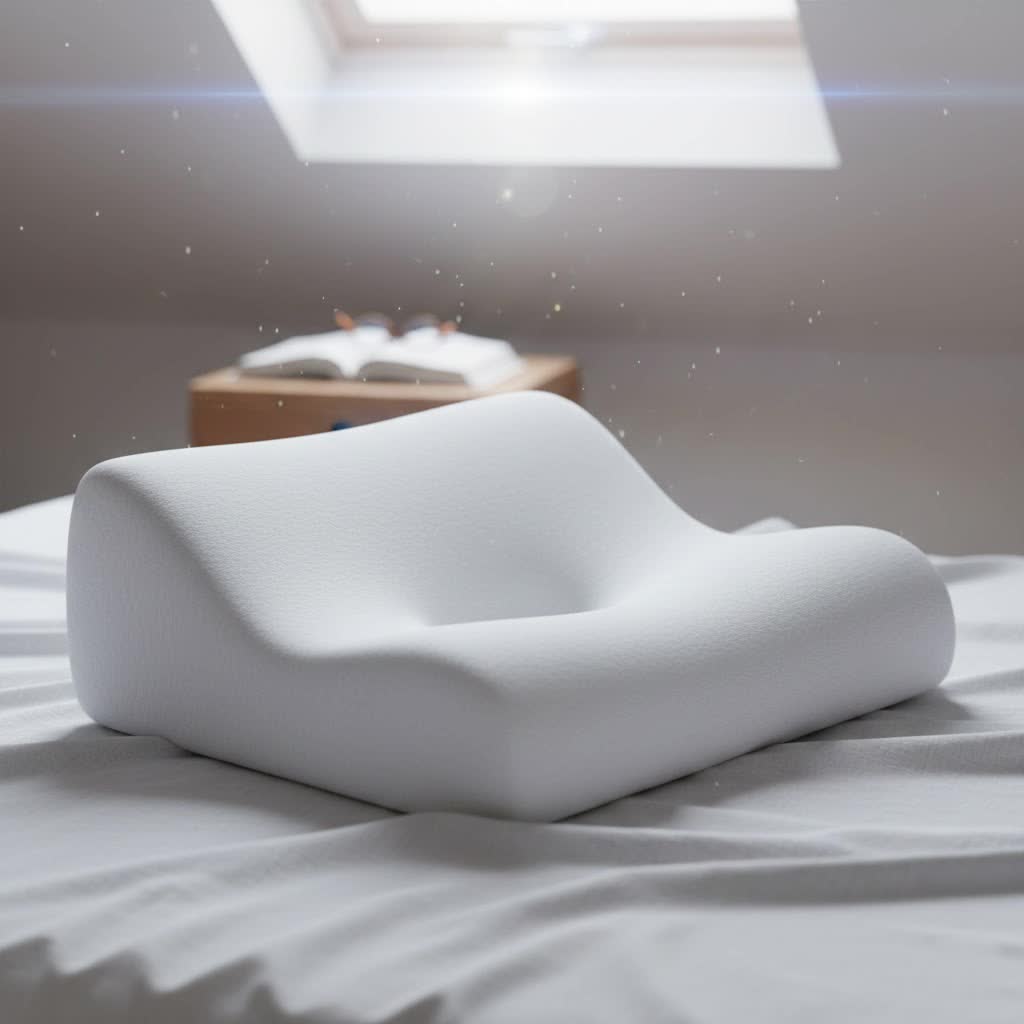
The quest for a truly restorative night’s sleep often leads us down a path of mattress comparisons and sleep routines. Yet, the unsung hero of a good night, your pillow, is frequently overlooked. While many gravitate towards plush, thick pillows, a growing number of sleepers are discovering the transformative power of the thin memory foam pillow. Far from being an afterthought, these low-profile wonders can be the key to unlocking optimal spinal alignment, alleviating stubborn neck pain, and finally delivering the deep, uninterrupted sleep you deserve.
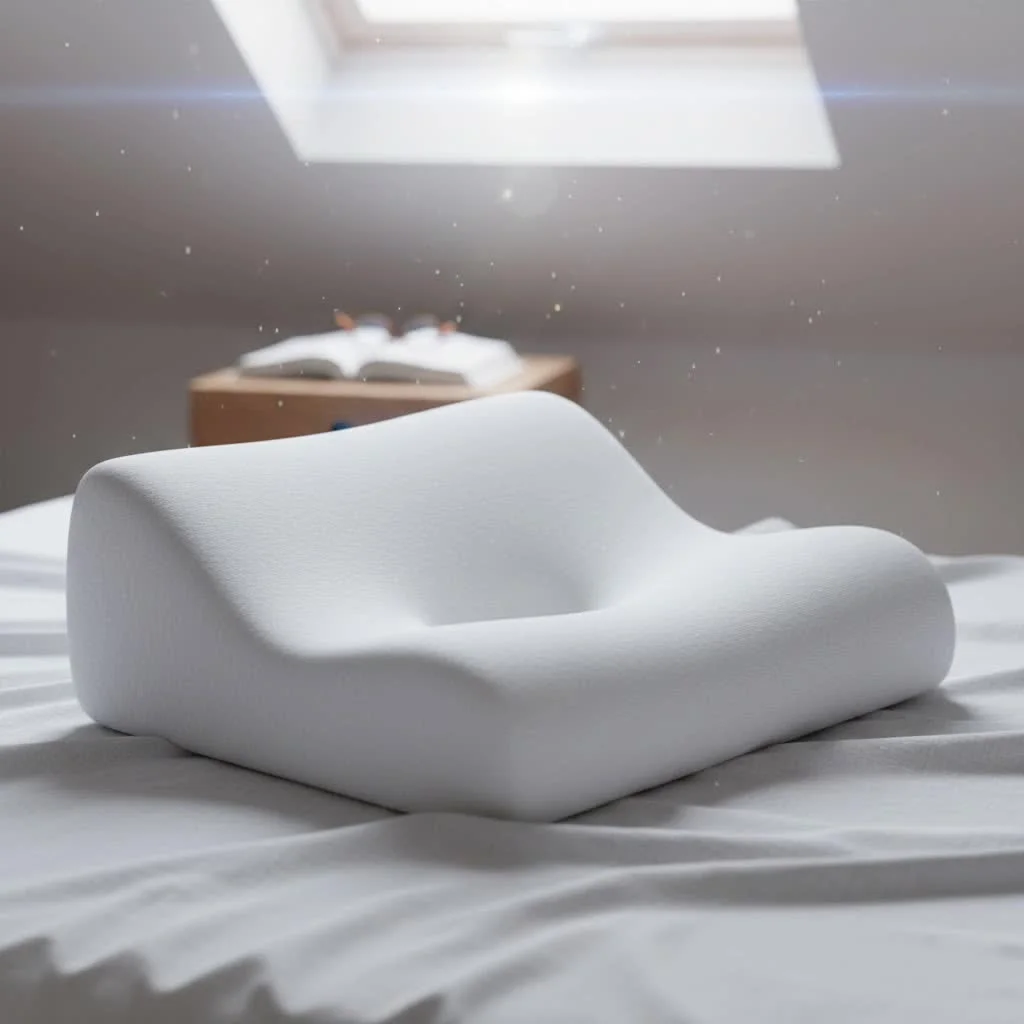
This guide will demystify the world of thin memory foam pillows, explaining their unique benefits, who they are best suited for, and the critical features to consider. By understanding these elements, you’ll be equipped to choose the perfect thin memory foam pillow that cradles your head and neck, promoting proper posture and ushering in mornings free from stiffness and discomfort.
Understanding Thin Memory Foam Pillows: More Than Just Flat
What exactly defines a “thin” memory foam pillow, and why is its slender profile a benefit rather than a drawback? Unlike traditional, lofty pillows designed to prop your head significantly, thin memory foam pillows feature a low loft, typically ranging from 2 to 3.5 inches in height. This specific design is intentional, focusing on maintaining a neutral spinal alignment, particularly for certain sleeping positions, rather than just providing a soft cushion.
Overly thick pillows can force your head and neck into an unnatural upward angle, leading to strain, stiffness, and chronic pain over time. A thin memory foam pillow, conversely, is crafted to minimize this elevation, allowing your head to rest closer to the mattress surface. This subtle difference is paramount for ensuring your cervical spine remains aligned with the rest of your back, fostering a healthier sleep posture.
Who Benefits Most from a Thin Memory Foam Pillow?
While memory foam itself offers numerous advantages, the “thin” characteristic makes these pillows particularly suitable for specific sleep styles and individuals. Identifying your primary sleeping position is the first step in determining if a thin memory foam pillow is your ideal match.
Stomach Sleepers
For those who prefer sleeping on their stomach, a thin memory foam pillow is often a revelation. A thicker pillow can cause severe neck hyperextension, pushing your head too far back and straining your cervical spine. A low-profile memory foam pillow minimizes this angle, helping to keep your neck in a more natural position, reducing the risk of pain and discomfort upon waking. Many stomach sleepers find ultra-slim options, sometimes as thin as 2 to 2.5 inches, to be the most beneficial.
Back Sleepers
|
Our Picks for the Best Foam Pillow in 2026
As an Amazon Associate I earn from qualifying purchases.
|
||
| Num | Product | Action |
|---|---|---|
| 1 | Cube Pillow for Side Sleeper with Firm Layer, Cooling Memory Foam Pillows with Two Side Four Types of Softness for Neck and Shoulder Pain, King or Queen 24"x12"x5" |

|
| 2 | Cooling Pillows for Sleeping, Shredded Memory Foam Cooling Pillow for Hot Sleepers, Adjustable Cool Bed Pillows for Side Back Stomach Sleepers(Queen) |
|
| 3 | Ultra Pain Relief Cooling Pillow for Neck Support, Adjustable Cervical Pillow Cozy Sleeping, Odorless Ergonomic Contour Memory Foam Pillows, Orthopedic Bed Pillow for Side Back Stomach Sleeper |
|
| 4 | Memory Foam Pillows Neck Pillow Bed Pillow for Sleeping Ergonomic Cervical Pillow Orthopedic Contour Pillow for Side Back Stomach Sleeper |
|
| 5 | QUTOOL Cooling Pillow for Sleeping 2 Pack, Luxury Shredded Memory Foam Bed Queen Pillows Set of 2, Cool Pillow for Hot Sleepers Adjustable Firm Pillow for Side, Back, Stomach Sleepers Soft Yet Support |
|
| 6 | Cooling Gel Memory Foam Pillow - 1-Pack - Standard Size Bed Pillows For Sleeping - Medium-Firm - Back, Stomach and Side Sleeper Pillow - Shoulder & Back Pain Relief - Washable , Bamboo Viscose Cover |
|
| 7 | Ultra Pain Relief Cooling Pillow for Neck Support, Adjustable Cervical Pillow Cozy Sleeping, Odorless Ergonomic Contour Memory Foam Pillows, Orthopedic Bed Pillow for Side Back Stomach Sleeper |
|
| 8 | Memory Foam Pillows Neck Pillow Bed Pillow for Sleeping Ergonomic Cervical Contour Pillow for Side Back Stomach Sleeper for Neck and Shoulder Pain |
|
| 9 | QUTOOL Enhanced Cooling Pillows Queen Size Set of 2,CertiPUR-US Shredded Memory Foam Pillows 2 Pack for Hot Sleeper, Adjustable Bed Pillow for Side, Back, Stomach Sleepers Support Yet Soft, Home Gifts |
|
| 10 | Ultra Pain Relief Cooling Pillow for Neck Support, Adjustable Cervical Pillow Cozy Sleeping, Odorless Ergonomic Contour Memory Foam Pillows, Orthopedic Bed Pillow for Side Back Stomach Sleeper |
|
Back sleepers, especially those with a smaller frame or who prefer a flatter surface, can also greatly benefit from a thin memory foam pillow. The goal for back sleepers is to maintain the natural curve of the neck without tilting the head too far forward or back. A pillow that’s too thick can elevate the head excessively, putting strain on the neck and upper back. A medium-thin memory foam pillow provides just enough support to fill the natural curve of the neck, ensuring proper alignment with the spine. Some individuals even report that extremely lean back sleepers can benefit from very minimal elevation.
Combination Sleepers (with Adjustable Options)
If you’re a combination sleeper who frequently shifts between your back and stomach, an adjustable thin memory foam pillow can be an excellent choice. These pillows often feature shredded memory foam or removable layers, allowing you to customize the loft and firmness to suit your needs as you change positions throughout the night. This adaptability ensures consistent support, regardless of how you sleep.
Individuals with Neck Pain or Cervical Issues
Many people suffering from chronic neck pain or cervical issues find relief with a thin pillow. By promoting proper spinal alignment, these pillows help to alleviate pressure points and reduce muscle tension that thicker pillows might exacerbate. The contouring properties of memory foam gently cradle the head and neck, providing personalized support that can significantly reduce discomfort.
Those Who Sleep with an Arm Under Their Head
Some sleepers instinctively place an arm under their head for added support. A thin memory foam pillow can help break this habit by offering adequate low-profile support, thus preventing arm numbness or discomfort caused by obstructed circulation.
Key Features to Look for in Your Thin Memory Foam Pillow
Choosing the right thin memory foam pillow involves more than just selecting the thinnest option available. Several features contribute to its effectiveness and your overall comfort.
Loft (Thickness)
The “loft” or thickness of a pillow is crucial. For thin memory foam pillows, this typically ranges from approximately 2 inches to 3.5 inches.
- Ultra-slim (2-2.5 inches): Often ideal for strict stomach sleepers or very lean back sleepers who require minimal elevation.
- Slim to Medium-Thin (2.5-3.5 inches): Suitable for most back sleepers and some stomach sleepers who prefer a bit more cushioning, or those with adjustable options.
Finding your ideal loft is often a matter of personal preference and how well it supports your neck in neutral alignment.
Material Composition
The type of memory foam and its infusions can significantly impact performance.
- Solid Memory Foam: Offers consistent, dense support and excellent contouring. It molds closely to the head and neck, providing stable alignment. However, it can sometimes retain heat.
- Shredded Memory Foam: Composed of small pieces of memory foam, this type offers greater flexibility, breathability, and adjustability. You can often remove or add fill to customize the loft and firmness. This is an excellent option for those who like to mold their pillow.
- Gel-Infused Memory Foam: A common concern with traditional memory foam is heat retention. Gel-infused memory foam addresses this by incorporating cooling gel particles or layers, which dissipate heat and help maintain a more comfortable sleep temperature. This is a critical feature for hot sleepers.
- Polyurethane Foam: While memory foam is a type of polyurethane foam, some pillows explicitly mention polyurethane foam which can also be low profile, offering different firmness levels.
Adjustability
Adjustable thin memory foam pillows are a standout feature for personalized comfort. These pillows allow you to:
- Remove or add fill: Typically found in shredded memory foam pillows, this lets you fine-tune the loft and firmness to your exact preference.
- Layered designs: Some pillows come with multiple thin layers that can be added or removed, offering a structured way to adjust height.
This feature is particularly valuable for combination sleepers or those new to thin pillows, allowing them to experiment and find their perfect setup.
Cover Material
The pillow’s cover plays a vital role in breathability, comfort, and hygiene. Look for covers made from:
- Bamboo: Known for its natural cooling, moisture-wicking, and hypoallergenic properties.
- Cotton: A classic choice for its softness, breathability, and durability.
- Tencel/Polyester Blends: Often used for their cooling properties, smooth feel, and ease of care.
Ensuring the cover is removable and machine-washable is essential for easy maintenance and hygiene.
Firmness
The ideal firmness depends on your sleeping position and personal preference.
- Soft: Often preferred by stomach sleepers to allow the head to sink in deeply without excessive elevation.
- Medium: A good balance of support and cushion, frequently suitable for back sleepers.
Memory foam’s viscoelastic nature means it will conform to your shape, offering a unique blend of support and pressure relief.
Certifications
For health-conscious individuals, certifications provide assurance about the materials used.
- CertiPUR-US: Guarantees that the foam is made without harmful chemicals, heavy metals, formaldehyde, phthalates, and has low VOC (Volatile Organic Compound) emissions for indoor air quality.
- OEKO-TEX: Ensures that every component of the product, from the thread to the cover, has been tested for harmful substances and is harmless to human health.
“A thin memory foam pillow isn’t just about being ‘flat’; it’s about achieving optimal spinal alignment and alleviating the tension caused by improperly lofty pillows. This subtle design difference can dramatically impact sleep quality.” – Dr. Alex Savy, Certified Sleep Science Coach
Maximizing Your Sleep: Tips for Using and Caring for Your Thin Memory Foam Pillow
Once you’ve found your perfect thin memory foam pillow, a few practices can enhance your sleep experience and prolong your pillow’s lifespan.
Proper Placement for Different Sleep Positions
- Stomach Sleepers: Position the pillow directly under your head, allowing your body to sink naturally into the mattress to maintain a flat spinal curve. Some stomach sleepers may even prefer no pillow or just a very thin one under their hips to align their spine.
- Back Sleepers: Place the pillow to support the natural curve of your neck and head, ensuring your chin is not tucked too far down or tilted too far back. The pillow should fill the gap between your neck and the mattress.
Washing and Maintenance
Most memory foam pillows are not designed to be machine washed directly, as this can damage the foam’s integrity.
- Removable Covers: Always use a pillowcase and ensure it’s regularly washed according to its care instructions. Most thin memory foam pillows come with removable, machine-washable covers made from breathable fabrics.
- Spot Cleaning the Foam: For spills or stains on the foam itself, spot clean gently with a mild detergent and water. Blot the area with a clean cloth, and allow it to air dry completely in a well-ventilated area, away from direct sunlight, before putting the cover back on.
- Aeration: Memory foam can sometimes develop an “off-gassing” smell when new due to VOCs. This is usually harmless and dissipates within a few days. Air out your new pillow in a well-ventilated room for 24-48 hours before use. Regular aeration can also help keep the pillow fresh.
Longevity and Replacement
High-quality memory foam pillows are durable and can last typically between 2 to 3 years, sometimes even longer with proper care. You’ll know it’s time for a replacement when the foam loses its ability to bounce back, consistently feels too soft or lumpy, or no longer provides adequate support.
Conclusion
The journey to exceptional sleep doesn’t always require significant changes; sometimes, it’s about perfecting the subtle details, like your pillow. A thin memory foam pillow offers a specialized solution for those seeking optimal spinal alignment, particularly stomach and back sleepers, as well as individuals grappling with neck pain. By contouring to your unique shape and maintaining a neutral position, these pillows can transform your nightly rest.
Considering factors like loft, material composition (shredded, gel-infused), adjustability, and certifications will guide you to a choice that aligns with your specific needs. Investing in a thin memory foam pillow is an investment in your well-being, promising improved sleep quality and waking up feeling refreshed and pain-free. Are you ready to discover the difference the right thin memory foam pillow can make for your sleep?
Frequently Asked Questions
Are thin memory foam pillows good for side sleepers?
Generally, side sleepers require a thicker, firmer pillow to adequately fill the space between their ear and shoulder, keeping the head and neck aligned with the spine. A standard thin memory foam pillow might not provide enough loft. However, some adjustable thin memory foam pillows with removable layers could work if you can increase the loft to suit side sleeping, or if you are a combination sleeper who primarily sleeps on your back or stomach but occasionally rolls to your side.
How do I know if my pillow is too thick?
If you wake up with neck stiffness, headaches, or shoulder pain, your pillow might be too thick. A pillow that’s too thick will often cause your head to tilt upwards, pushing your chin towards your chest or hyperextending your neck backward, leading to improper spinal alignment. Your head and neck should be in a neutral, relaxed position, aligned with the rest of your spine.
Can a thin memory foam pillow help with snoring?
A thin memory foam pillow can potentially help reduce snoring, especially if your snoring is caused by improper head and neck alignment. By keeping your airways more open and aligned, it may facilitate smoother breathing. However, snoring can have various causes, so while a good pillow can help, it may not be a complete solution for everyone.
Do thin memory foam pillows get hot?
Traditional solid memory foam can sometimes trap heat due to its dense structure. However, many thin memory foam pillows are designed to counteract this with cooling technologies such as gel infusion, perforated or shredded foam for increased airflow, or breathable covers made from materials like bamboo or Tencel. Look for these features if you tend to sleep hot.
How do I clean a thin memory foam pillow?
Most thin memory foam pillows come with a removable, machine-washable cover. The foam insert itself should generally not be machine washed; instead, spot clean any stains with a mild detergent and water, then allow it to air dry completely. Regularly airing out your pillow can also help keep it fresh and reduce odors.
Get our weekly buyer guide
Practical specs, not advice. Unsubscribe anytime.
