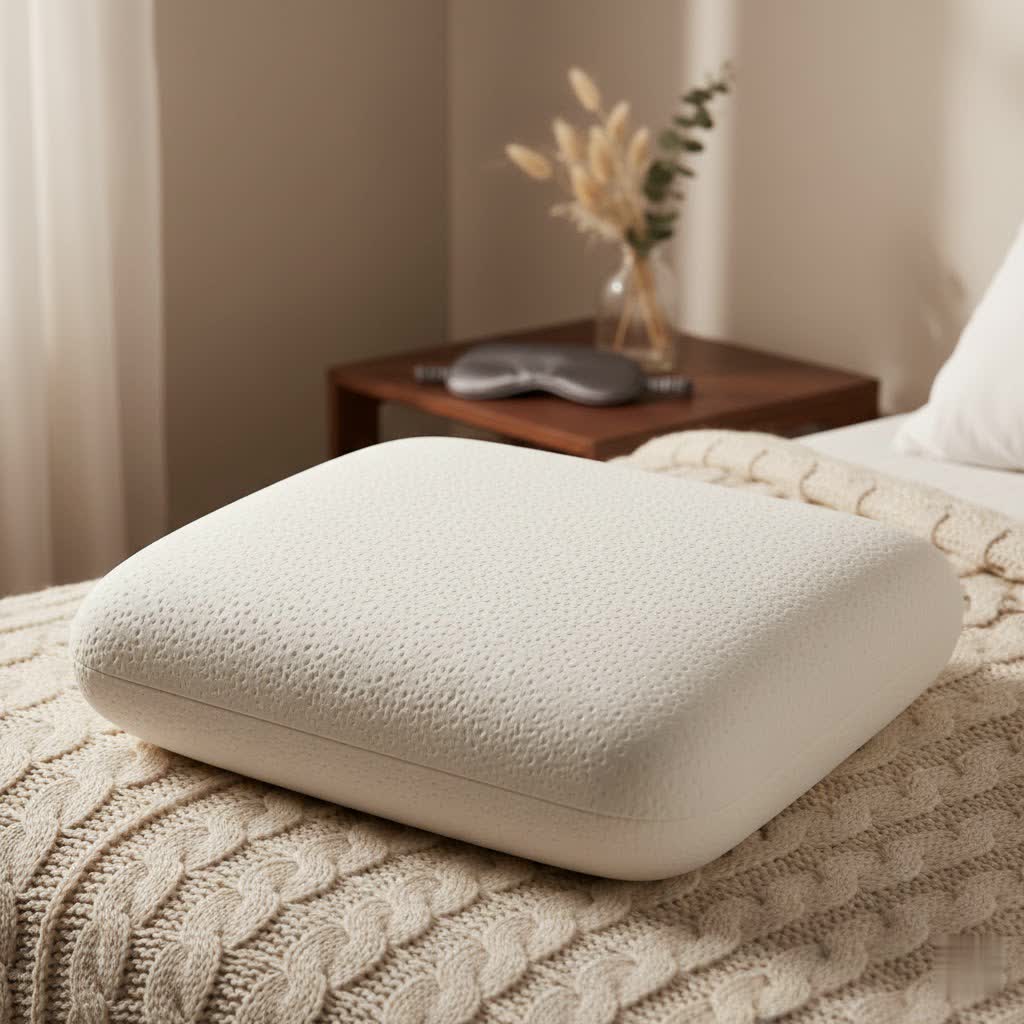
Do you often wake up with a stiff neck or aching shoulders, wondering if your pillow is truly supporting your sleep? For side sleepers, finding the perfect pillow isn’t just about comfort; it’s essential for maintaining proper spinal alignment and preventing discomfort. A well-chosen memory foam pillow can transform your nights, offering the precise support your body needs to cradle your head and neck in perfect harmony. This comprehensive guide will walk you through everything you need to know about selecting the ideal memory foam pillow to ensure you experience truly restorative sleep.
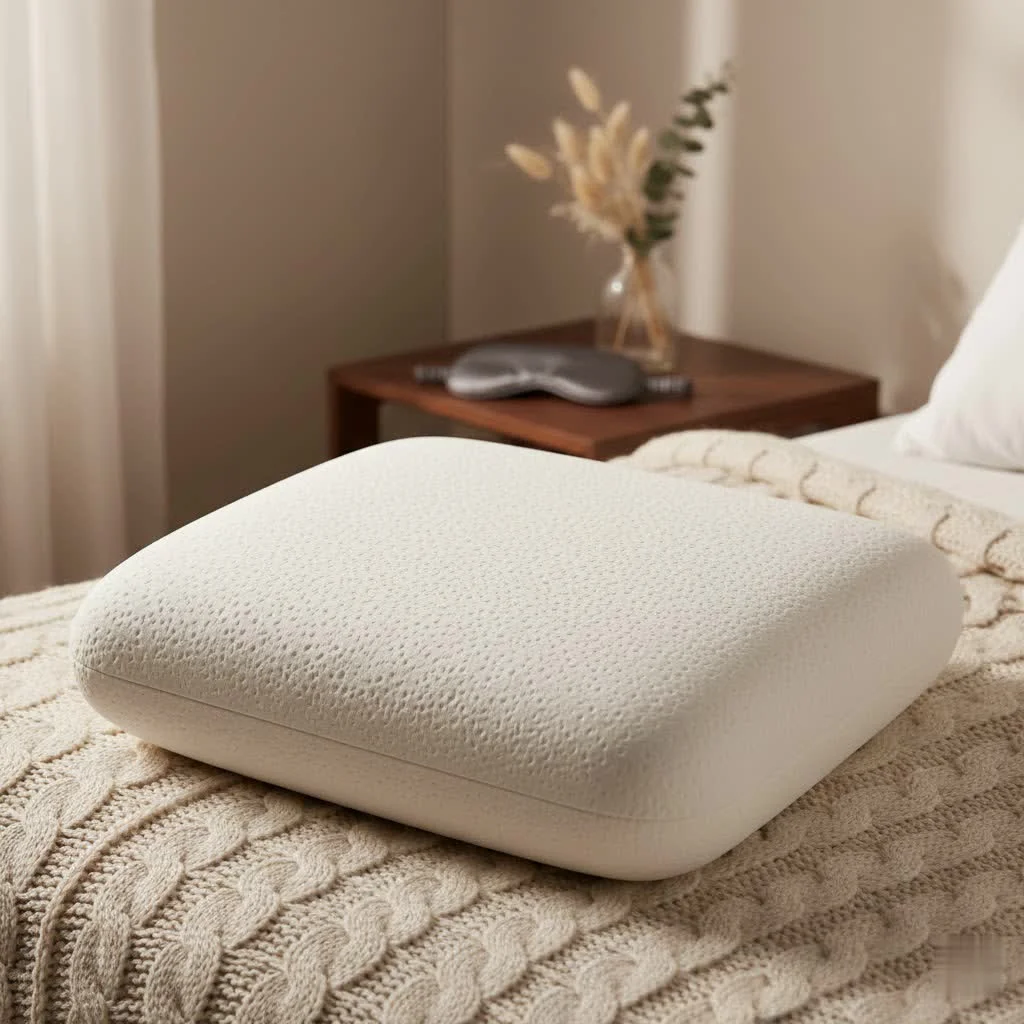
Choosing the Perfect Foam Pillow: A Detailed Guide from A to Z
Selecting the right pillow, especially for side sleepers, is a journey towards better sleep health. Your pillow acts as a critical bridge between your head and mattress, maintaining a neutral spinal alignment that prevents aches and pains. Understanding the nuances of different foam types and key design factors will empower you to make an informed decision for your unique sleep profile.
Popular Types of Foam Pillows
When we talk about foam pillows, memory foam is often the first that comes to mind, but the world of foam is much broader. Each type offers distinct characteristics that cater to different preferences and needs.
- Memory Foam: Originally developed by NASA, this viscoelastic foam is renowned for its ability to conform precisely to the shape of your head and neck in response to body heat and pressure.
- Advantages: Exceptional pressure relief, personalized contouring for optimal spinal alignment, reduces motion transfer, and is virtually silent. For side sleepers, it expertly fills the gap between the head and shoulder, preventing misalignment.
- Disadvantages: Can retain heat (though many modern versions address this with cooling technologies), may have an initial off-gassing smell, and can feel dense to some.
- Best for: Side sleepers, individuals with neck or shoulder pain, and those seeking firm, consistent support and personalized comfort.
- Latex Foam: Derived from rubber trees (natural latex) or synthetic materials, latex foam offers a bouncier, more responsive feel than memory foam.
- Advantages: Highly durable, naturally hypoallergenic and resistant to dust mites, excellent breathability, and offers responsive support.
- Disadvantages: Can be more expensive than other foam types, and some may find its bouncy feel less conforming than memory foam.
- Compared to Memory Foam: Latex is generally firmer and more resilient, providing a “floating on top” sensation, while memory foam offers a “sinking in” contouring feel. Both are excellent for support, but personal preference for feel is key.
- Polyurethane Foam (Standard Foam): This is the most basic and common type of foam found in many pillows. It’s often less dense and supportive than memory foam or latex.
- Advantages: Lightweight, readily available, and generally more affordable.
- Disadvantages: Less durable and prone to losing shape quickly, offers less contouring and pressure relief compared to specialized foams.
- Applications: Often used in budget-friendly pillows or as a core layer in multi-material designs. Not ideal for side sleepers who require specific neck and spinal support.
- Gel-Infused Foam: This type of foam, typically memory foam, incorporates cooling gel beads or swirls to combat heat retention.
- Cooling Effect: The gel helps dissipate body heat, creating a cooler sleep surface. This is particularly beneficial for those who tend to sleep hot.
- Best for: Side sleepers who experience overheating with traditional memory foam, offering the same contouring benefits with added temperature regulation.
- Shredded Foam: Instead of a solid block, shredded foam pillows are filled with small pieces of foam, often memory foam or a blend.
- Advantages: Highly adjustable (you can add or remove fill to customize loft and firmness), improved airflow compared to solid blocks, and a softer, more malleable feel.
- Disadvantages: Can sometimes feel lumpy if not evenly distributed, and may require occasional fluffing.
- Best for: Side sleepers who need precise control over their pillow’s height and firmness, or those who prefer a softer, more adaptable feel.
Detailed Comparison of Foam Types
|
Our Picks for the Best Foam Pillow in 2026
As an Amazon Associate I earn from qualifying purchases.
|
||
| Num | Product | Action |
|---|---|---|
| 1 | Cooling Pillows for Sleeping, Shredded Memory Foam Cooling Pillow for Hot Sleepers, Adjustable Cool Bed Pillows for Side Back Stomach Sleepers(Queen) |

|
| 2 | Cube Pillow for Side Sleeper with Firm Layer, Cooling Memory Foam Pillows with Two Side Four Types of Softness for Neck and Shoulder Pain, King or Queen 24"x12"x5" |
|
| 3 | Ultra Pain Relief Cooling Pillow for Neck Support, Adjustable Cervical Pillow Cozy Sleeping, Odorless Ergonomic Contour Memory Foam Pillows, Orthopedic Bed Pillow for Side Back Stomach Sleeper |
|
| 4 | QUTOOL Enhanced Cooling Pillows Queen Size Set of 2,CertiPUR-US Shredded Memory Foam Pillows 2 Pack for Hot Sleeper, Adjustable Bed Pillow for Side, Back, Stomach Sleepers Support Yet Soft, Home Gifts |
|
| 5 | Cooling Gel Memory Foam Pillow - 1-Pack - Standard Size Bed Pillows For Sleeping - Medium-Firm - Back, Stomach and Side Sleeper Pillow - Shoulder & Back Pain Relief - Washable , Bamboo Viscose Cover |
|
| 6 | Memory Foam Pillows Neck Pillow Bed Pillow for Sleeping Ergonomic Cervical Contour Pillow for Side Back Stomach Sleeper for Neck and Shoulder Pain |
|
| 7 | Ultra Pain Relief Cooling Pillow for Neck Support, Adjustable Cervical Pillow Cozy Sleeping, Odorless Ergonomic Contour Memory Foam Pillows, Orthopedic Bed Pillow for Side Back Stomach Sleeper |
|
| 8 | QUTOOL Cooling Pillow for Sleeping 2 Pack, Luxury Shredded Memory Foam Bed Queen Pillows Set of 2, Cool Pillow for Hot Sleepers Adjustable Firm Pillow for Side, Back, Stomach Sleepers Soft Yet Support |
|
| 9 | Memory Foam Pillows Neck Pillow Bed Pillow for Sleeping Ergonomic Cervical Pillow Orthopedic Contour Pillow for Side Back Stomach Sleeper |
|
| 10 | Ultra Pain Relief Cooling Pillow for Neck Support, Adjustable Cervical Pillow Cozy Sleeping, Odorless Ergonomic Contour Memory Foam Pillows, Orthopedic Bed Pillow for Side Back Stomach Sleeper |
|
Understanding the specific differences between foam types can significantly impact your decision, especially for a side sleeper’s critical need for support.
| Feature | Memory Foam | Latex Foam | Polyurethane Foam | Gel-Infused Foam | Shredded Foam |
|---|---|---|---|---|---|
| Durability | High | Very High | Low to Medium | High (depends on base foam) | Medium to High (depends on foam quality) |
| Elasticity/Bounce | Low (slow response, molds) | High (bouncy, quick response) | Medium | Low to Medium (slow response with cooling) | High (individual pieces move) |
| Breathability | Low (can retain heat, often improved with tech) | High (open-cell structure) | Medium | Medium to High (gel helps dissipate heat) | High (airflow between pieces) |
| Pressure Relief | Excellent (conforms closely) | Excellent (supportive, responsive) | Fair | Excellent (conforms, with cooling benefit) | Good (adaptable, can be adjusted) |
| Spinal Alignment | Excellent (custom contouring) | Excellent (supportive contour) | Fair | Excellent (custom contouring) | Good (adjustable for ideal height) |
| Price Range | Medium to High | High | Low | Medium to High | Medium |
| Feel | Sinking-in, cradling | Bouncy, responsive, floating | Spongy, less supportive | Sinking-in, cooler | Soft, malleable, adjustable |
| Motion Isolation | Excellent | Good | Fair | Excellent | Fair (pieces can shift) |
For side sleepers, the core benefits of memory foam—its ability to contour and provide personalized support for crucial spinal alignment and pressure relief—make it a standout choice. Latex offers similar benefits with a different feel and improved breathability, while shredded memory foam brings customizable loft to the table.
Important Factors When Choosing a Foam Pillow
Choosing the ideal memory foam pillow for side sleepers involves more than just picking a material; it requires a deep dive into several critical design elements.
- Pillow Loft (Height) and Firmness: These are perhaps the most crucial considerations for side sleepers. Your pillow needs to fill the significant gap between your head and shoulder while keeping your spine perfectly straight.
- Side sleepers generally need a higher loft (typically 5 to 7 inches) and a medium to firm feel*. Too low, and your neck will dip; too high, and it will crane upwards, both leading to discomfort and misalignment.
- A firmer pillow prevents your head from sinking too deeply, maintaining that critical neutral alignment.
- Pillow Size:
- Standard: Most common, fits standard pillowcases.
- Queen/King: Longer pillows that can be useful if you tend to move a lot during the night, offering more surface area.
- The choice of size largely depends on your bed size and personal preference, but ensuring the loft and firmness are correct is more vital than the overall dimensions.
- Pillow Shape:
- Traditional Shape: Rectangular, but with adequate loft and firmness, a traditional memory foam pillow can work well for side sleepers.
- Contour Pillows: These often feature an ergonomic design with a higher ridge for the neck and a dip for the head, specifically engineered to support the natural curve of the cervical spine. Many side sleepers find these exceptionally beneficial for targeted support.
- Wedge/Body Pillows: While not primary head pillows, body pillows can be placed between the knees to further improve lower back and hip alignment for side sleepers.
- Pillow Cover:
- Look for covers made from breathable, moisture-wicking materials like cotton, bamboo, or Tencel. These help to regulate temperature and keep you cool.
- A removable, machine-washable cover is a huge advantage for hygiene and ease of maintenance.
- Safety Certifications:
- CertiPUR-US: This certification ensures that the foam inside your pillow has been tested and certified by an independent laboratory to meet specific standards for content, emissions, and durability. It verifies the foam is made without harmful chemicals like ozone depleters, mercury, lead, and formaldehyde.
- OEKO-TEX Standard 100: This certification tests for harmful substances in textiles, covering not just the foam but also the fabric of the pillow cover. It guarantees that the product is safe for human ecological requirements.
- Always look for these certifications to ensure you’re investing in a healthy and safe sleep environment.
Comparison Table of Famous Foam Pillow Brands
Many brands excel in creating memory foam pillows for side sleepers. Here’s a generalized comparison of what you might find, noting that specific models vary widely.
| Brand/Product Type | Quality of Foam | Durability | Price Range | Key Features for Side Sleepers | User Reviews (General) |
|---|---|---|---|---|---|
| Tempur-Pedic (e.g., TEMPUR-Neck) | Premium, High-Density Memory Foam | Excellent | High | Contoured, extra-firm, various thickness levels, superior support | Highly effective for neck pain, durable |
| Coop Sleep Goods (e.g., Original Adjustable) | Shredded Memory Foam Blend | Very Good | Medium-High | Adjustable loft, customizable firmness, good breathability | Versatile, great for personalized comfort |
| Helix (e.g., GlacioTex Cooling Memory Foam) | Cooling Memory Foam | Good | Medium | Cooling technology (GlacioTex cover, copper infusions), pressure relief | Good for hot sleepers, supportive |
| Pillow Cube (e.g., Side Cube Deluxe) | AeroFoam Memory Foam | Good | Medium | Cube shape designed specifically for side sleepers, fills shoulder gap | Unique shape, excellent head/neck alignment |
| Tuft & Needle (e.g., Original Foam Pillow) | Adaptive Foam (similar to memory) | Good | Medium | Responsive yet supportive, good pressure relief, breathable cover | Balanced feel, good all-rounder |
| Marlow Pillow | Gel Memory Foam | Good | Medium | Adjustable firmness via zippers, gel-infused for cooling | Innovative adjustability, comfortable |
Guide to Buying a Foam Pillow
Navigating the market for the perfect memory foam pillow can feel overwhelming, but a structured approach can simplify the process and lead you to your ideal sleep companion.
- Identify Your Personal Needs: Start by understanding your primary sleep concerns. Are you a strict side sleeper? Do you suffer from neck pain, shoulder stiffness, or headaches? Do you tend to sleep hot? Your answers will guide your choices in loft, firmness, and cooling features. Consider your body type as well; individuals with broader shoulders typically need a higher loft.
- Read Specifications and Product Reviews: Dive into the details. Look for stated loft, firmness levels (soft, medium, firm), and specific materials (e.g., gel-infused memory foam, shredded memory foam). Pay close attention to reviews from other side sleepers, especially those with similar body types or concerns. Real-world experiences offer invaluable insights into a pillow’s performance and durability.
- Purchase from Reputable Retailers with Clear Return Policies: Always buy from brands or retailers known for quality and customer service. A generous trial period or return policy is essential, as a pillow’s true comfort can only be assessed after several nights of sleep. This minimizes risk if the pillow doesn’t meet your expectations.
- Test the Pillow (If Possible): While online shopping is convenient, if you have the opportunity to physically test a pillow in a store, take it. Lie down in your typical side-sleeping position and assess how your head, neck, and spine align. Does it feel supportive without being too hard? Does it fill the space between your ear and shoulder comfortably?
- Consider the Warranty Policy: A good warranty reflects a manufacturer’s confidence in their product. Understand what the warranty covers (e.g., loss of shape, material defects) and for how long. This provides peace of mind regarding your investment.
How to Clean and Maintain Your Foam Pillow
Proper care extends the life of your memory foam pillow and maintains its hygienic properties. Unlike traditional pillows, memory foam requires specific cleaning methods.
- Regular Cleaning for Longevity: Most memory foam pillows cannot be machine-washed or put in a dryer, as this can damage the foam structure. Always check the manufacturer’s care instructions first.
- Spot Cleaning: For spills or stains, gently spot clean the affected area using a mild detergent mixed with water. Dab the stain with a clean cloth, avoiding saturation. Rinse by dabbing with a damp cloth, then air dry completely away from direct sunlight.
- Removing Odors: Memory foam can sometimes develop odors. To freshen your pillow, remove the cover and sprinkle baking soda generously over the foam. Let it sit for several hours (or overnight), then vacuum it off. Airing the pillow out in a well-ventilated room, away from direct sunlight, can also help.
- Proper Storage: When not in use, store your memory foam pillow in a cool, dry place. Avoid compressing it for extended periods, as this can affect its shape retention. Using a breathable pillow protector under your regular pillowcase can add an extra layer of defense against dust mites, allergens, and moisture, further prolonging its life.
“A well-chosen memory foam pillow isn’t just a comfort item; it’s a therapeutic tool that can profoundly impact a side sleeper’s spinal health and overall well-being. The right support means the difference between waking up refreshed and starting the day with aches.” – Dr. Lena Torres, Chiropractic Sleep Specialist
Conclusion
Finding the perfect memory foam pillow is a game-changer for side sleepers seeking ultimate comfort and alignment. By understanding the unique benefits of memory foam—from its contouring support to crucial pressure relief—and paying close attention to factors like loft, firmness, and cooling features, you can make an informed choice that caters directly to your needs. This investment in a specialized pillow is an investment in your health, ensuring your spine stays aligned and your body remains free from aches.
Ready to transform your sleep? Your journey to a restful night begins with selecting a memory foam pillow designed with you, the side sleeper, in mind. What’s one feature you prioritize most in your ideal pillow?
Frequently Asked Questions
Why do side sleepers need a specific type of memory foam pillow?
Side sleepers require a pillow with adequate loft and firmness to fill the gap between their head and shoulder, ensuring their head, neck, and spine remain in a neutral, straight line. This prevents uncomfortable angles that can lead to neck pain, shoulder stiffness, and poor spinal alignment over time.
What is the ideal loft for a memory foam pillow for side sleepers?
Most side sleepers benefit from a medium to high-loft memory foam pillow, typically ranging from 5 to 7 inches. The exact height depends on your shoulder width and mattress firmness, as the pillow needs to maintain proper head and neck alignment without tilting your head up or down.
Can memory foam pillows help with neck pain for side sleepers?
Yes, memory foam pillows are often recommended for side sleepers with neck pain because they conform precisely to the contours of your head and neck. This personalized support helps to distribute pressure evenly and maintain optimal spinal alignment, alleviating strain on cervical muscles and reducing pain.
Do memory foam pillows for side sleepers tend to get hot?
Traditional memory foam can retain heat. However, many modern memory foam pillows designed for side sleepers incorporate cooling technologies like gel infusions, open-cell structures, or breathable covers to enhance airflow and dissipate heat, providing a cooler sleep experience.
How long does a memory foam pillow for side sleepers typically last?
A good quality memory foam pillow for side sleepers can last between 3 to 5 years, sometimes longer, depending on the density of the foam and how well it’s maintained. Regularly cleaning the cover and airing out the foam can help prolong its lifespan and maintain its supportive properties.
Get our weekly buyer guide
Practical specs, not advice. Unsubscribe anytime.
