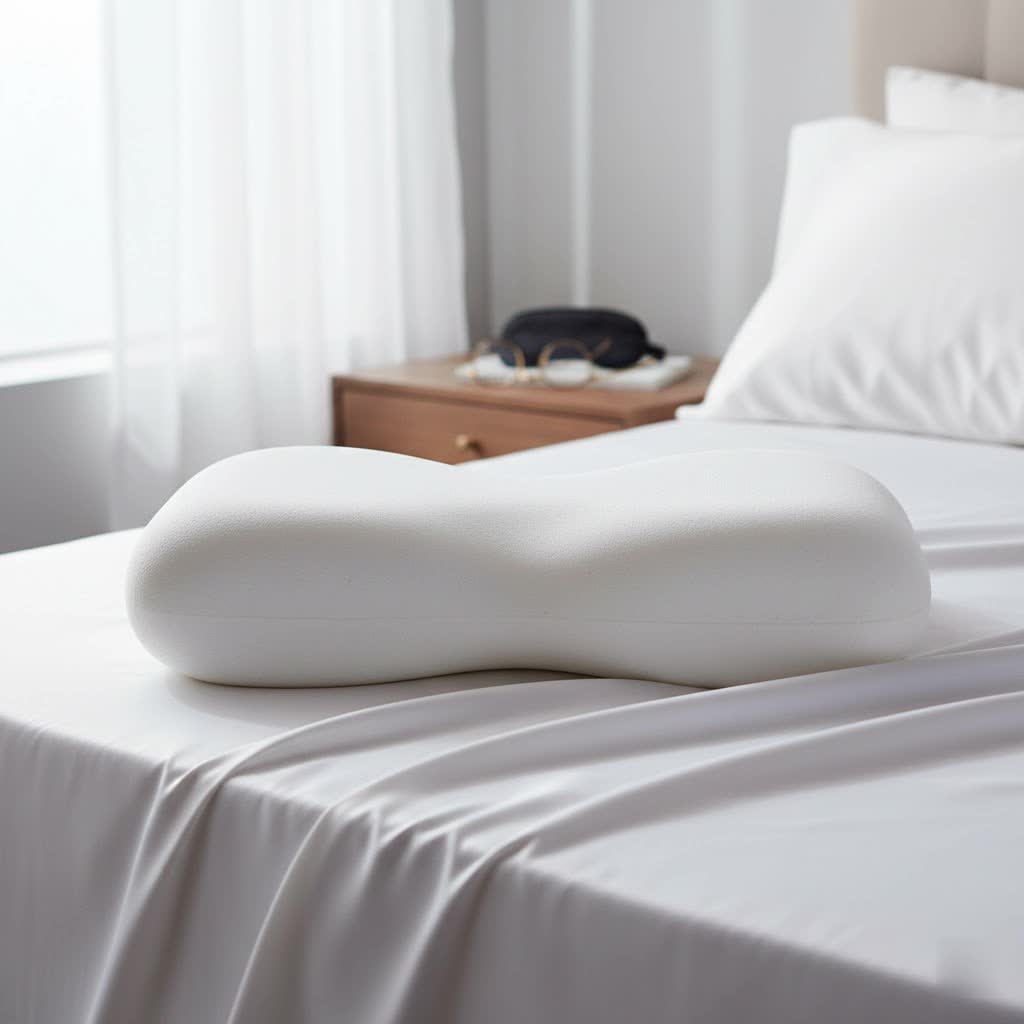
Are you tired of waking up with a stiff neck or restless nights, endlessly searching for that elusive perfect pillow? The right pillow is a cornerstone of restorative sleep and overall well-being, and for many, a high-quality foam pillow offers the ideal blend of support, comfort, and durability. Whether you’ve heard of memory foam, latex foam, or even the general term “pillow foam rubber,” understanding the nuances of these materials is the first step to transforming your sleep experience. This comprehensive guide will navigate the world of foam pillows, offering insights to help you choose a pillow that cradles your head and neck perfectly, ensuring you wake up refreshed and revitalized.
Exploring the Diverse World of Foam Pillow Types
Foam pillows are not a monolithic category; they encompass a variety of materials, each with unique characteristics that cater to different preferences and needs. From contouring pressure relief to responsive buoyancy, understanding these distinctions is crucial for selecting your ideal sleep companion.
Memory Foam: The Contouring Comfort
Memory foam, also known as viscoelastic polyurethane foam, is renowned for its ability to conform precisely to the shape of your head and neck. Originally developed by NASA, this material responds to body heat and pressure, softening to create a personalized mold that distributes weight evenly and alleviates pressure points. This unique contouring makes memory foam an excellent choice for individuals seeking deep pressure relief, especially those experiencing neck pain or stiffness.
- Advantages: Exceptional pressure relief, superior support for neck and spine alignment, motion isolation, available in various densities.
- Disadvantages: Traditional memory foam can retain heat, may have a slow response time (sinking feeling), and sometimes exhibits an initial “off-gassing” odor.
- Best for: Side and back sleepers, individuals with neck or shoulder pain, those who prefer a cradling sensation.
Latex Foam: The Responsive Resilience
Latex foam, derived from the sap of rubber trees (natural latex) or manufactured synthetically, offers a distinctly different feel from memory foam. It’s celebrated for its immediate responsiveness and springy buoyancy, providing consistent support without the deep contouring or “sinking” feeling of memory foam. Latex is also naturally more breathable and durable, often outlasting other foam types by many years.
- Advantages: Excellent breathability, responsive and supportive, highly durable, naturally hypoallergenic and resistant to dust mites, eco-friendly (natural latex).
- Disadvantages: Generally more expensive, heavier, and may have a unique bouncy feel that isn’t for everyone.
- Best for: Hot sleepers, those with allergies, individuals who prefer a firmer, more resilient support, and environmentally conscious consumers.
Polyurethane Foam: The Versatile Foundation
|
Our Picks for the Best Foam Pillow in 2026
As an Amazon Associate I earn from qualifying purchases.
|
||
| Num | Product | Action |
|---|---|---|
| 1 | QUTOOL Cooling Pillow for Sleeping 2 Pack, Luxury Shredded Memory Foam Bed Queen Pillows Set of 2, Cool Pillow for Hot Sleepers Adjustable Firm Pillow for Side, Back, Stomach Sleepers Soft Yet Support |

|
| 2 | Cube Pillow for Side Sleeper with Firm Layer, Cooling Memory Foam Pillows with Two Side Four Types of Softness for Neck and Shoulder Pain, King or Queen 24"x12"x5" |
|
| 3 | Cooling Pillows for Sleeping, Shredded Memory Foam Cooling Pillow for Hot Sleepers, Adjustable Cool Bed Pillows for Side Back Stomach Sleepers(Queen) |
|
| 4 | Memory Foam Pillows Neck Pillow Bed Pillow for Sleeping Ergonomic Cervical Contour Pillow for Side Back Stomach Sleeper for Neck and Shoulder Pain |
|
| 5 | Ultra Pain Relief Cooling Pillow for Neck Support, Adjustable Cervical Pillow Cozy Sleeping, Odorless Ergonomic Contour Memory Foam Pillows, Orthopedic Bed Pillow for Side Back Stomach Sleeper |
|
| 6 | Ultra Pain Relief Cooling Pillow for Neck Support, Adjustable Cervical Pillow Cozy Sleeping, Odorless Ergonomic Contour Memory Foam Pillows, Orthopedic Bed Pillow for Side Back Stomach Sleeper |
|
| 7 | Memory Foam Pillows Neck Pillow Bed Pillow for Sleeping Ergonomic Cervical Pillow Orthopedic Contour Pillow for Side Back Stomach Sleeper |
|
| 8 | QUTOOL Enhanced Cooling Pillows Queen Size Set of 2,CertiPUR-US Shredded Memory Foam Pillows 2 Pack for Hot Sleeper, Adjustable Bed Pillow for Side, Back, Stomach Sleepers Support Yet Soft, Home Gifts |
|
| 9 | Ultra Pain Relief Cooling Pillow for Neck Support, Adjustable Cervical Pillow Cozy Sleeping, Odorless Ergonomic Contour Memory Foam Pillows, Orthopedic Bed Pillow for Side Back Stomach Sleeper |
|
| 10 | Cooling Gel Memory Foam Pillow - 1-Pack - Standard Size Bed Pillows For Sleeping - Medium-Firm - Back, Stomach and Side Sleeper Pillow - Shoulder & Back Pain Relief - Washable , Bamboo Viscose Cover |
|
Polyurethane foam, often referred to as conventional or polyfoam, is a common and cost-effective foam used in various applications, including pillows. It serves as a foundational material or filler, offering a lighter, more generalized support compared to memory or latex foam. While it can be customized for different firmness levels, it typically lacks the specialized properties of other foam types.
- Advantages: Affordable, lightweight, available in various firmness levels.
- Disadvantages: Less durable and supportive than memory or latex foam, can break down and sag more quickly, may retain heat, and can have off-gassing.
- Best for: Budget-conscious buyers, those who prefer a traditional pillow feel, or as a component in blended foam designs.
Gel-Infused Foam: The Cooling Innovation
Gel-infused foam is typically a variant of memory foam that incorporates cooling gel particles or layers during its manufacturing. This innovation addresses the common complaint of heat retention in traditional memory foam. The gel works to dissipate heat away from the body, helping to regulate temperature and provide a cooler sleep surface.
- Advantages: Enhanced cooling properties, maintains the pressure relief benefits of memory foam.
- Disadvantages: Can be more expensive than traditional memory foam, cooling effect might diminish over time.
- Best for: Hot sleepers who still desire the contouring support of memory foam.
Shredded Foam: The Adjustable Alternative
Shredded foam pillows are filled with small, loose pieces of foam, often memory foam or latex. This construction allows for greater airflow, improving breathability compared to solid foam blocks. More importantly, many shredded foam pillows are adjustable, allowing you to remove or add fill to customize the pillow’s loft and firmness to your exact preference.
- Advantages: Highly adjustable for personalized loft and firmness, increased breathability, versatile for various sleep positions.
- Disadvantages: Can sometimes feel lumpy if not fluffed regularly, may require effort to find the “perfect” fill level.
- Best for: Combination sleepers, those unsure of their preferred loft/firmness, individuals seeking customizability.
A Detailed Comparison of Foam Pillow Materials
Choosing the right foam pillow involves weighing the unique characteristics of each material against your personal sleep habits and preferences. Here’s a comparative look to help you decide:
| Feature | Memory Foam | Latex Foam | Polyurethane Foam | Gel-Infused Foam | Shredded Foam |
|---|---|---|---|---|---|
| Durability | Good (3-7 years) | Excellent (10-30 years) | Fair (1-3 years) | Good (3-7 years) | Good (3-5 years) |
| Elasticity | Slow response, cradling | Fast response, bouncy | Moderate response, springy | Slow to moderate response, cradling | Adjustable, often soft to medium |
| Breathability | Low (traditional), moderate (gel/shredded) | High (natural airflow, open-cell structure) | Moderate | Moderate to High (cooling gel) | High (airflow between pieces) |
| Heat Retention | High (traditional), low (gel-infused) | Low (naturally cool) | Moderate | Low (designed for cooling) | Moderate to High (depending on fill) |
| Price | Medium to High | High | Low | Medium to High | Medium |
| Support Level | High (contouring pressure relief) | High (consistent, buoyant support) | Medium (general cushioning) | High (contouring with cooling) | Adjustable (can be very supportive) |
| Eco-friendliness | Low (petroleum-based, off-gassing potential) | High (natural latex is sustainable/biodegradable) | Low (petroleum-based, off-gassing potential) | Low to Moderate | Varies by foam type |
- Temperature Regulation: If you frequently overheat at night, latex foam or gel-infused memory foam are superior choices. Shredded foam also offers better airflow than solid blocks.
- Support & Alignment: Memory foam and latex excel at providing robust support for spinal alignment, making them excellent for neck pain. Memory foam offers a deep cradle, while latex provides a more buoyant lift.
- Longevity & Investment: Latex foam pillows represent a long-term investment due to their exceptional durability. While more expensive upfront, they can last significantly longer than other types.
- Personal Preference: The “feel” of a pillow is highly personal. Some prefer the deep, slow-sinking embrace of memory foam, while others gravitate towards the instant responsiveness and springiness of latex.
Essential Factors When Choosing Your Foam Pillow
Beyond the type of foam, several other elements play a crucial role in determining the perfect pillow for your sleep. Considering these factors will help ensure your pillow truly supports your unique sleep profile.
Pillow Loft and Firmness: The Cornerstones of Alignment
- Loft (Height): This refers to the pillow’s height.
- Low Loft: Ideal for stomach sleepers to prevent neck strain by keeping the head close to the mattress.
- Medium Loft: Often preferred by back sleepers to maintain the natural curvature of the spine.
- High Loft: Best for side sleepers to fill the gap between the head and shoulder, ensuring proper spinal alignment.
- Firmness: This relates to how soft or firm the pillow feels under pressure.
- Soft: Good for stomach sleepers or those who prefer a plush feel.
- Medium: Suited for back sleepers, offering a balance of cushion and support.
- Firm: Essential for side sleepers, providing robust support to keep the head level with the spine and prevent sinkage.
Your body weight and shoulder width also influence the optimal loft and firmness. Heavier individuals or those with broader shoulders may require a firmer, higher loft pillow for adequate support.
Pillow Size and Shape: Beyond the Standard
- Standard Sizes (Standard, Queen, King): These are common mattress sizes, and pillow sizes generally align. Ensure your pillow fits your pillowcase and bed comfortably.
- Traditional Shape: A classic rectangular shape, suitable for most sleepers.
- Contour (Cervical) Pillow: Features an ergonomic, wave-like design with raised edges to support the natural curve of the neck and a dip for the head. Excellent for alleviating neck pain and promoting spinal alignment, especially for back and side sleepers.
- U-Shaped or Specialty Pillows: Designed for specific needs, such as travel, pregnancy, or unique sleeping positions.
Pillow Cover Material: Breathability and Hygiene
The material of your pillow cover significantly impacts breathability and overall sleep comfort. Look for covers made from natural, breathable fabrics like cotton, bamboo, or Tencel. These materials help wick away moisture and promote airflow, contributing to a cooler, fresher sleep environment. Removable, machine-washable covers are also a huge plus for maintaining hygiene.
Safety Certifications: Ensuring a Healthy Sleep Environment
When investing in a foam pillow, especially memory foam or polyurethane foam, look for safety certifications that indicate the product has been tested for harmful chemicals.
- CertiPUR-US®: This certification ensures that the foam is made without ozone depleters, PBDE flame retardants, mercury, lead, other heavy metals, formaldehyde, or phthalates, and has low VOC (Volatile Organic Compound) emissions for indoor air quality.
- OEKO-TEX® Standard 100: This certification guarantees that every component of the product, from the fabric to the thread, has been tested for harmful substances and is safe for human ecological use.
Your Comprehensive Foam Pillow Buying Guide
With a deeper understanding of foam types and key selection factors, let’s streamline your purchasing journey to ensure you make an informed decision that leads to better sleep.
1. Identify Your Personal Needs
Start by honest self-assessment. What is your primary sleeping position (side, back, stomach, or combination)? Do you suffer from specific health issues like neck, shoulder, or back pain? Do you tend to sleep hot? Are allergies a concern? Your answers will guide you toward suitable foam types, loft, and firmness levels. For instance, if you’re a side sleeper with broad shoulders and neck pain, a firm, high-loft latex or contour memory foam pillow is likely a good starting point.
2. Dive into Specifications and Reviews
Once you have a few options in mind, scrutinize product specifications. Pay attention to the foam’s density, the pillow’s loft measurements, and any special features like cooling technology or adjustable fill. Read reviews from other users, especially those with similar sleep positions or pain points. Look for recurring themes regarding comfort, durability, heat retention, and off-gassing. that “pillow foam rubber” is a broad term, and details matter.
3. Purchase from Reputable Retailers
Buy your foam pillow from established brands or retailers known for quality bedding products. This ensures you receive an authentic product and have recourse if issues arise. Online retailers often provide more detailed product information and a wider selection, while brick-and-mortar stores might offer the chance to physically test a pillow.
4. Understand Return Policies and Warranties
Pillows are a personal item, and sometimes what seems perfect on paper isn’t right in practice. Check the retailer’s return policy and trial period before purchasing. Many reputable brands offer a sleep trial (e.g., 30-100 nights) that allows you to test the pillow at home. Also, look for a warranty that covers manufacturing defects and premature sagging, as this reflects the manufacturer’s confidence in their product’s durability.
5. Consider the Investment
While there are budget-friendly foam options, especially those with polyurethane, high-quality memory foam and latex pillows are often a greater upfront investment. View this as an investment in your health and sleep quality. A durable, supportive pillow can prevent discomfort and contribute to years of restful nights.
Caring for Your Foam Pillow: Longevity and Hygiene
Proper care is essential for extending the life of your foam pillow and maintaining a healthy sleep environment. Unlike traditional fiberfill pillows, most foam pillows require specific cleaning methods.
General Maintenance Tips
- Use a Pillow Protector: Always use a quality, breathable pillow protector underneath your regular pillowcase. This acts as a barrier against dust mites, allergens, sweat, and stains, prolonging the life of your pillow. These protectors are typically machine washable.
- Regular Airing: Periodically remove your pillowcase and protector and allow your foam pillow to air out in a well-ventilated room, away from direct sunlight. This helps dissipate any trapped moisture and odors.
- Vacuuming: Gently vacuum your foam pillow weekly or whenever you change your bed linens. This helps remove surface dust, dead skin cells, and potential allergens that accumulate over time.
Cleaning Solid Foam Pillows (Memory and Latex)
Solid foam pillows, whether memory foam or latex foam, should generally not be machine washed or machine dried. The agitation of a washing machine can tear or break down the foam structure, and the high heat of a dryer can cause the foam to crumble or melt.
- Hand Washing (if permitted by manufacturer):
- Prepare Solution: Fill a large sink or bathtub with lukewarm water and a small amount (e.g., 1 teaspoon per gallon of water) of mild, gentle detergent designed for delicates.
- Submerge and Knead: Remove the pillow from its cover. Submerge the foam pillow completely and gently knead it for about 10 minutes to allow the cleaning solution to work through the foam.
- Rinse Thoroughly: Drain the soapy water and refill the basin with clean, lukewarm water. Continue to gently knead and rinse the pillow until the water runs clear and no suds remain. Gently squeeze out excess water, but do not wring or twist the pillow, as this can damage the foam.
- Air Dry Completely: This is the most critical step. Place the pillow on a flat, well-ventilated surface, away from direct heat or sunlight. Use a fan to circulate air if needed to speed up drying. Depending on the foam’s density and thickness, this process can take up to 24-48 hours. Ensure the pillow is completely dry before putting the cover back on and using it, as residual moisture can lead to mold and mildew.
Spot Cleaning
For small spills or stains, spot cleaning is often the best approach:
- Prepare Solution: Mix a small amount of mild detergent with water.
- Dab, Don’t Rub: Dip a clean cloth into the solution, wring it out well, and gently dab the stained area. Work from the outside of the stain inward.
- Rinse: Use a separate clean, damp cloth to dab the area and remove any soap residue.
- Air Dry: Allow the spot to air dry completely before using the pillow.
Odor Removal
New foam pillows, particularly memory foam and polyurethane, can sometimes have an initial “new car” or chemical odor, known as off-gassing. To minimize this:
- Air Out: Allow the pillow to air out in a well-ventilated room for several days before use.
- Baking Soda: Sprinkle baking soda over the pillow, let it sit for a few hours, then vacuum it thoroughly. This can help absorb odors.
Conclusion
Choosing the ideal foam pillow is a personalized journey, but armed with the right knowledge, you can navigate the options with confidence. Whether you opt for the contouring embrace of memory foam, the responsive bounce of latex, or the customizable comfort of shredded foam, understanding the differences in “pillow foam rubber” materials is paramount. Prioritize proper spinal alignment, consider your sleep position, and don’t overlook the importance of certifications and care instructions. By investing in a foam pillow that meets your unique needs, you’re not just buying a pillow; you’re investing in countless nights of refreshing sleep and enhanced well-being. What will be your first step towards discovering your perfect foam pillow?
Frequently Asked Questions
How long do foam pillows typically last?
The lifespan of a foam pillow varies significantly by type. Latex foam pillows are the most durable, often lasting 10 to 30 years. Memory foam pillows typically last 3 to 7 years, while conventional polyurethane foam pillows may only maintain their support for 1 to 3 years before needing replacement.
Can I machine wash my foam pillow?
Generally, no. Solid memory foam and latex foam pillows should not be machine washed or machine dried, as the agitation and high heat can damage the foam structure. Spot cleaning or gentle hand washing, followed by thorough air drying, is usually recommended. Always check the manufacturer’s care label.
Are foam pillows effective for alleviating neck pain?
Yes, many foam pillows, especially memory foam and contour-shaped latex pillows, are highly effective for neck pain. Their ability to conform to the head and neck, providing stable support and maintaining proper spinal alignment, can significantly reduce pressure points and discomfort.
What is “off-gassing” and is it harmful?
Off-gassing refers to the release of volatile organic compounds (VOCs) from new foam products, which can cause a temporary chemical odor. While generally considered harmless, some sensitive individuals may experience irritation. Choosing CertiPUR-US® certified foams helps ensure low VOC emissions.
Which type of foam pillow is best for hot sleepers?
Latex foam pillows are naturally more breathable and sleep cooler than traditional memory foam. Gel-infused memory foam and shredded foam pillows also offer improved cooling properties compared to solid traditional memory foam, by promoting better airflow and heat dissipation.
How do I determine the right firmness for my foam pillow?
The best firmness depends on your sleeping position and body type. Stomach sleepers generally need a soft, low-loft pillow. Back sleepers often benefit from a medium-firm pillow with medium loft. Side sleepers typically require a firm, high-loft pillow to adequately support the head and fill the gap between the shoulder and neck.
Get our weekly buyer guide
Practical specs, not advice. Unsubscribe anytime.

I’ve always been skeptical about spending a lot on pillows, but the guide convinced me to invest in a good quality latex foam one. It’s definitely more supportive than my old synthetic pillow and has a nice bounce to it. I still wish it was a little softer, but overall, my sleep has improved a lot.
I used to wake up with such a stiff neck every morning, it was awful. After reading about the different foam types, I decided to try a shredded memory foam pillow. It’s been a game-changer! I can adjust the loft perfectly, and it cradles my head just right. No more neck pain, seriously.
I was really hoping the gel-infused memory foam would keep me cooler, but I still find myself flipping the pillow in the middle of the night. It’s comfortable and provides good support for my side sleeping, but the cooling aspect wasn’t as dramatic as I’d hoped. Maybe it’s just my body temperature.
This guide was so helpful in understanding the difference between memory foam and latex foam. I went with a traditional memory foam pillow, and it’s exactly what I needed. The way it conforms to my head and neck is incredible, and I’m finally getting truly restorative sleep. Best purchase in a long time!