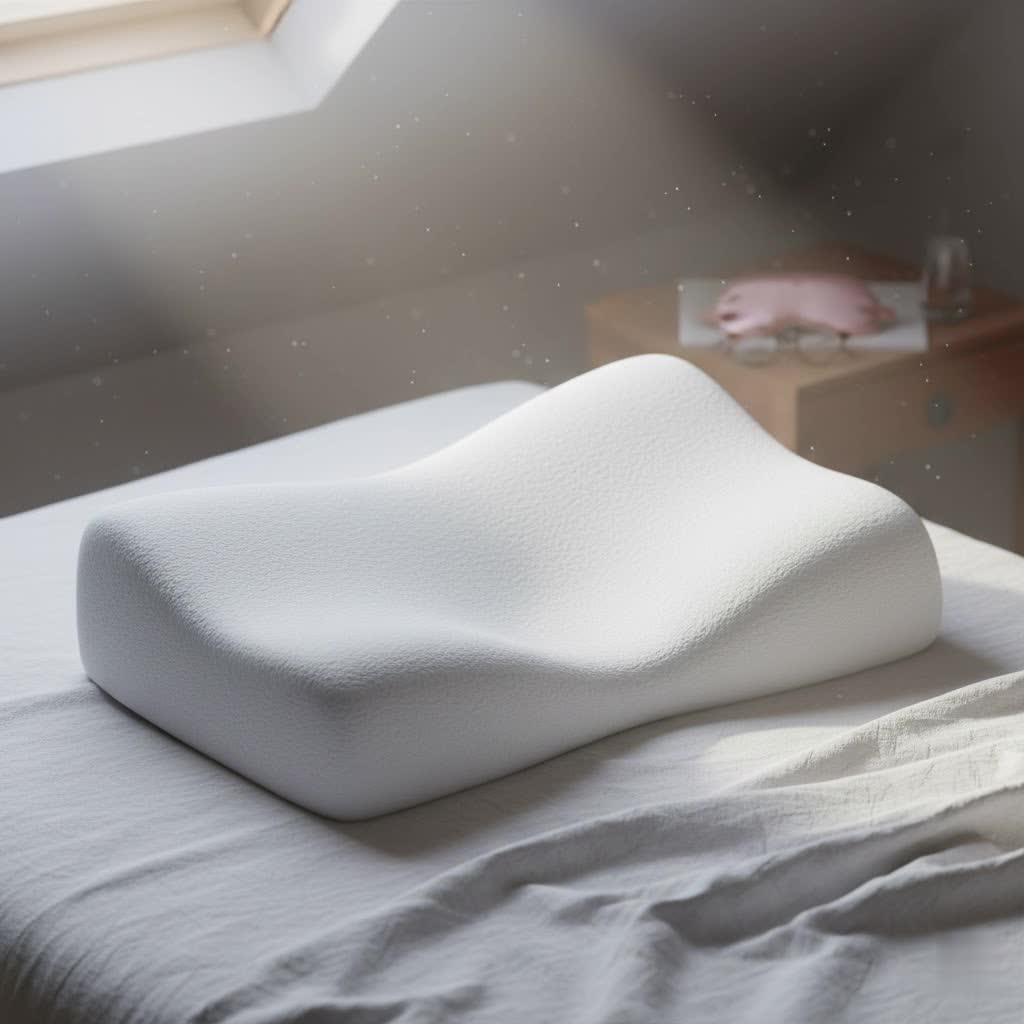
Have you ever woken up feeling more exhausted than when you went to bed, plagued by a stiff neck or persistent shoulder pain? If so, your pillow might be the silent culprit disrupting your rest and posture. Finding the right sleep support is crucial for overall well-being, and an ergonomic memory foam pillow could be the game-changer you need. This comprehensive guide will delve into everything about these specialized pillows, helping you navigate the options to discover the perfect one for truly restorative sleep.
Unpacking Ergonomic Memory Foam Pillows: What Makes Them Special?
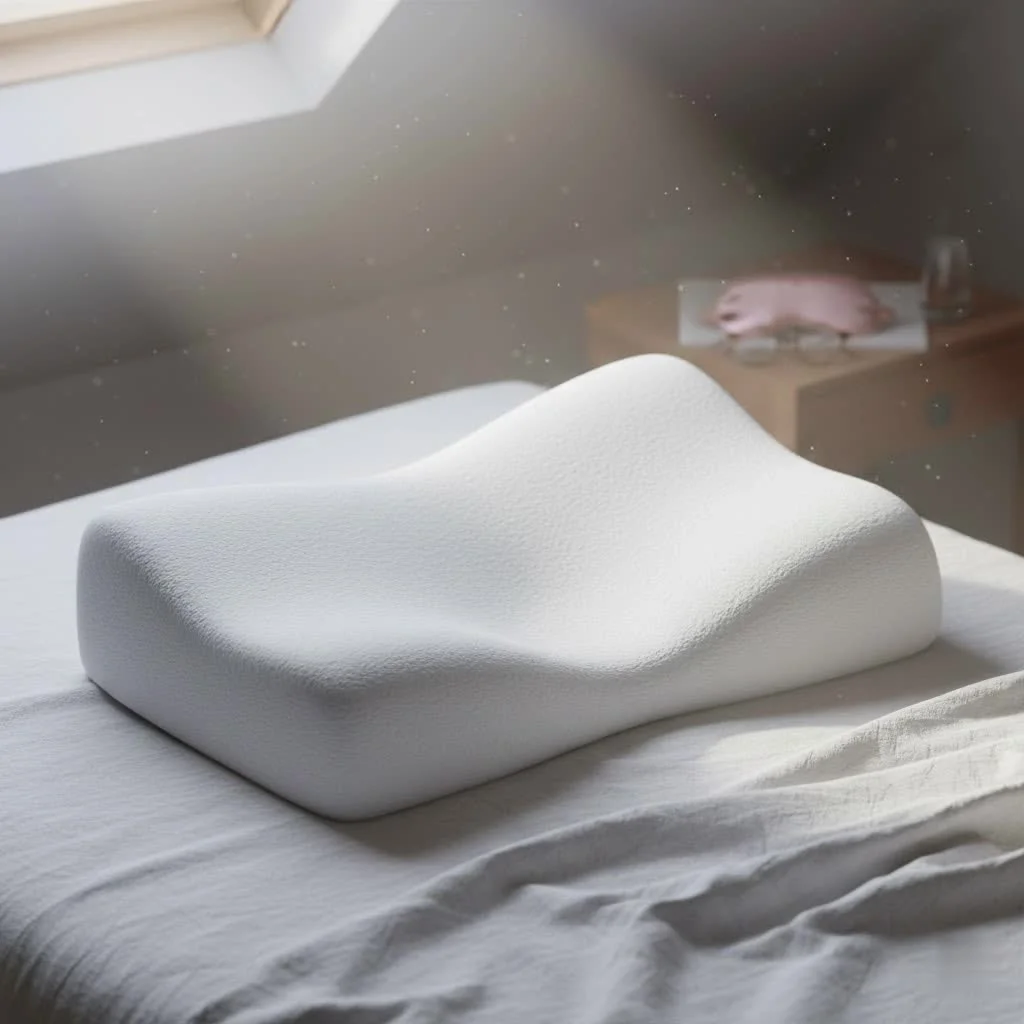
An ergonomic memory foam pillow is engineered to support the natural curvature of your spine, particularly your neck and head, while you sleep. The term “ergonomic” refers to designs that optimize human well-being and overall system performance, and in the context of pillows, this means promoting proper alignment and reducing strain. Memory foam, a type of viscoelastic polyurethane foam, is the star material here. It responds to your body heat and pressure, molding precisely to your unique contours. This personalized cradling ensures your head and neck remain in a neutral position throughout the night, alleviating pressure points that often lead to discomfort and pain. The result is not just a comfortable feel but also enhanced spinal alignment and significantly improved sleep quality.
Popular Types of Ergonomic Foam Pillows
The world of ergonomic foam pillows extends beyond a single design, offering various types tailored to different needs and preferences. Understanding these distinctions is key to making an informed choice.
Solid Block Memory Foam
These pillows are crafted from a single, dense piece of memory foam. They are known for providing consistent and firm support, molding to your head and neck without shifting. Many solid block pillows are perforated with holes to improve airflow, combating memory foam’s tendency to retain heat.
- Pros: Excellent, unwavering support; maintains shape; no need for fluffing.
- Cons: Can feel too firm for some; less adjustable; may retain heat despite perforations.
Shredded Memory Foam
Unlike solid blocks, shredded memory foam pillows are filled with small, individual pieces of memory foam. This allows for greater adjustability, as you can add or remove fill to customize the pillow’s loft and firmness. The fragmented nature also promotes better air circulation.
- Pros: Highly adjustable for personalized comfort; improved breathability; softer, more plush feel.
- Cons: May require occasional fluffing to maintain shape; fill can sometimes clump.
Gel-Infused Memory Foam
Heat retention is a common concern with traditional memory foam. Gel-infused memory foam pillows address this by incorporating cooling gel particles or layers directly into the foam. These gels work to dissipate heat away from your head, providing a cooler sleep surface.
- Pros: Effective temperature regulation; provides the classic contouring support of memory foam.
- Cons: Can be more expensive; cooling effect may diminish over time.
Latex Foam: A Natural Alternative
|
Our Picks for the Best Foam Pillow in 2026
As an Amazon Associate I earn from qualifying purchases.
|
||
| Num | Product | Action |
|---|---|---|
| 1 | Cube Pillow for Side Sleeper with Firm Layer, Cooling Memory Foam Pillows with Two Side Four Types of Softness for Neck and Shoulder Pain, King or Queen 24"x12"x5" |

|
| 2 | Ultra Pain Relief Cooling Pillow for Neck Support, Adjustable Cervical Pillow Cozy Sleeping, Odorless Ergonomic Contour Memory Foam Pillows, Orthopedic Bed Pillow for Side Back Stomach Sleeper |
|
| 3 | Memory Foam Pillows Neck Pillow Bed Pillow for Sleeping Ergonomic Cervical Pillow Orthopedic Contour Pillow for Side Back Stomach Sleeper |
|
| 4 | Memory Foam Pillows Neck Pillow Bed Pillow for Sleeping Ergonomic Cervical Contour Pillow for Side Back Stomach Sleeper for Neck and Shoulder Pain |
|
| 5 | QUTOOL Enhanced Cooling Pillows Queen Size Set of 2,CertiPUR-US Shredded Memory Foam Pillows 2 Pack for Hot Sleeper, Adjustable Bed Pillow for Side, Back, Stomach Sleepers Support Yet Soft, Home Gifts |
|
| 6 | Cooling Gel Memory Foam Pillow - 1-Pack - Standard Size Bed Pillows For Sleeping - Medium-Firm - Back, Stomach and Side Sleeper Pillow - Shoulder & Back Pain Relief - Washable , Bamboo Viscose Cover |
|
| 7 | Cooling Pillows for Sleeping, Shredded Memory Foam Cooling Pillow for Hot Sleepers, Adjustable Cool Bed Pillows for Side Back Stomach Sleepers(Queen) |
|
| 8 | Ultra Pain Relief Cooling Pillow for Neck Support, Adjustable Cervical Pillow Cozy Sleeping, Odorless Ergonomic Contour Memory Foam Pillows, Orthopedic Bed Pillow for Side Back Stomach Sleeper |
|
| 9 | QUTOOL Cooling Pillow for Sleeping 2 Pack, Luxury Shredded Memory Foam Bed Queen Pillows Set of 2, Cool Pillow for Hot Sleepers Adjustable Firm Pillow for Side, Back, Stomach Sleepers Soft Yet Support |
|
| 10 | Ultra Pain Relief Cooling Pillow for Neck Support, Adjustable Cervical Pillow Cozy Sleeping, Odorless Ergonomic Contour Memory Foam Pillows, Orthopedic Bed Pillow for Side Back Stomach Sleeper |
|
While not memory foam, latex foam is another popular ergonomic material. Derived from rubber trees, natural latex foam is known for its bouncy, responsive feel and excellent durability. It offers a different kind of support—more resilient and less conforming than memory foam, often with natural cooling properties.
- Pros: Naturally hypoallergenic and resistant to dust mites; highly durable; excellent breathability; responsive support.
- Cons: Can be heavier; may have a distinct natural odor; generally higher price point than conventional memory foam.
Polyurethane Foam: The Foundation
Polyurethane foam is the base material for memory foam. However, standard polyurethane foam, often found in traditional foam pillows, lacks the viscoelastic properties that allow memory foam to contour and adapt so specifically. While offering basic support, it does not provide the pressure-relieving, body-conforming benefits of memory foam.
Specific Ergonomic Shapes
Beyond the fill type, the shape of an ergonomic pillow plays a vital role in targeted support.
- Contour Pillows (Cervical Pillows): These are characterized by a raised ridge designed to support the curve of your neck, with a lower dip for your head. They are excellent for back and side sleepers needing precise cervical spine alignment.
- Butterfly or Wave Shape: Variations of contour pillows, these shapes often feature specific cutouts or varying heights to accommodate shoulder width for side sleepers or provide arm rests.
- Traditional Shape with Ergonomic Design: Some memory foam pillows maintain a classic rectangular shape but are engineered with specific densities and zones to provide ergonomic benefits without a dramatic contour.
A Detailed Comparison of Foam Types
Choosing the best foam pillow often comes down to comparing the nuances of each material. Here’s a breakdown to help you weigh your options:
| Feature | Solid Block Memory Foam | Shredded Memory Foam | Latex Foam |
|---|---|---|---|
| Support | Firm, consistent, deep contouring | Adaptive, customizable, plush contouring | Responsive, buoyant, consistent pressure relief |
| Conforming | High (molds deeply) | Medium-high (adapts to shape) | Medium (bounces back quickly) |
| Breathability | Moderate (often perforated) | Good (airflow between pieces) | Excellent (open-cell structure) |
| Durability | High | High | Very High |
| Adjustability | Low (fixed shape) | High (add/remove fill) | Low (fixed shape) |
| Heat Retention | Moderate to High | Moderate | Low |
| Price | Mid-range to High | Mid-range | High |
For those prioritizing unyielding, precise contouring and minimal adjustments, a solid block memory foam pillow might be ideal. If you desire a customizable feel that allows you to fine-tune height and firmness, shredded memory foam offers unparalleled versatility. Meanwhile, individuals seeking a more natural, responsive feel with superior cooling and longevity might lean towards latex foam. Each material brings unique advantages to your sleep experience, addressing different comfort and support needs.
Essential Factors for Choosing Your Perfect Ergonomic Memory Foam Pillow
Selecting the right ergonomic memory foam pillow is a personal journey, influenced by several critical factors that ensure optimal comfort and spinal alignment. Consider these elements carefully to find your ideal match.
Sleeping Position
Your primary sleeping position is arguably the most important factor in pillow selection.
- Side Sleepers: Generally require a thicker, firmer pillow to fill the gap between your head and shoulder, keeping your spine straight. Contour pillows with higher sides or crescent shapes often work well.
- Back Sleepers: Need a pillow with medium height and firmness that cradles the neck’s natural curve without pushing the head too far forward. Contour pillows with a central dip are frequently recommended.
- Stomach Sleepers: Often benefit from a very thin, soft pillow, or sometimes no pillow at all, to prevent excessive neck extension. Some may find success with specialized hybrid positions.
Pillow Loft (Height) and Firmness
The loft (height) and firmness of your pillow directly impact spinal alignment. A pillow that is too high or too low can strain your neck and shoulders. An ergonomic pillow aims for a “neutral spine” position, where your head, neck, and spine form a straight line. Many ergonomic memory foam pillows offer adjustable loft, allowing you to add or remove fill to achieve your perfect height and firmness, making them highly adaptable to individual needs.
Pillow Size and Shape
While standard, queen, and king sizes refer to mattress width, ergonomic pillows also come in distinct shapes:
- Traditional: Rectangular, but with internal ergonomic design.
- Contour: Wavy or sculpted, ideal for targeted cervical support.
- U-shaped or Butterfly: Designed for specific neck and shoulder cradling, often benefiting side sleepers.
The right size and shape will comfortably support your head and neck without feeling too bulky or restrictive.
Material Composition
Beyond pure memory foam, consider blends. Gel-infused options are great for hot sleepers, while shredded memory foam blended with other fibers (like kapok or microfiber) can offer a softer, more breathable feel while retaining adjustability.
Cooling Features
Memory foam’s dense structure can trap heat. If you tend to sleep hot, prioritize pillows with cooling features. Look for options with perforated foam for enhanced airflow, cooling gel infusions, or covers made from breathable, temperature-regulating fabrics like Tencel, bamboo, or specialized cooling fibers.
Pillow Cover Material
A removable, washable cover is essential for hygiene and extending the life of your pillow. Look for covers made from soft, breathable, and durable materials. Consider hypoallergenic options if you have allergies.
Certifications
Always check for certifications like CertiPUR-US or OEKO-TEX. These ensure that the foam has been tested for harmful chemicals and VOC (Volatile Organic Compound) emissions, guaranteeing a safer and healthier sleep environment.
Top Ergonomic Memory Foam Pillow Brands and Models
The market offers a wide array of high-quality ergonomic memory foam pillows, each with unique features catering to different preferences. While individual experiences vary, several brands consistently receive high praise for their innovative designs and effective support.
- Tempur-Pedic: Renowned for pioneering memory foam technology, Tempur-Pedic offers pillows like the TEMPUR-Neck Pillow (often called Tempur-Cervical Pillow). Its distinctive contoured shape is highly effective for alleviating neck pain and promoting neutral spinal alignment, particularly for back and side sleepers. They are known for their dense, durable foam and excellent pressure relief.
- Coop Sleep Goods: The Original Adjustable Pillow from Coop Sleep Goods is a popular choice due to its customizable fill. Made with a blend of shredded memory foam and microfiber, it allows users to add or remove fill to achieve their perfect loft and firmness, making it incredibly versatile for all sleeping positions and body types.
- Elviros: The Elviros Cervical Memory Foam Contour Pillow frequently appears on “best-of” lists. This pillow features an ergonomic contour with cutouts designed to reduce shoulder and arm pressure, making it a favorite among back and side sleepers seeking alignment support.
- Casper: Known for their mattresses, Casper also offers foam pillows like the Casper Foam Pillow. It features perforated foam for enhanced airflow, addressing common heat concerns. Testers often praise its consistent support and shape retention across various sleeping positions.
- Purple: While the Purple Harmony Pillow uses a unique GelFlex Grid combined with a latex core, it’s often cited for its ergonomic benefits and exceptional cooling. It provides responsive support that cradles the head and neck while promoting significant airflow.
These brands represent some of the leading innovators in ergonomic sleep solutions, offering a range of options from deeply contoured designs to highly adjustable and cooling variations.
Your Comprehensive Buying Guide to Ergonomic Memory Foam Pillows
Investing in an ergonomic memory foam pillow is an investment in your health and sleep quality. Navigating the choices can be overwhelming, but following a structured approach will lead you to the best pillow for your needs.
Assess Your Personal Needs
Start by identifying your specific requirements.
- Sleeping Position: Are you primarily a side, back, or stomach sleeper? This dictates the ideal loft and firmness.
- Pain Points: Do you suffer from neck, shoulder, or back pain? A contoured cervical pillow might be beneficial.
- Temperature Preference: Do you tend to sleep hot? Prioritize cooling features like gel-infused foam or breathable covers.
- Budget: Memory foam pillows range widely in price. Determine what you’re comfortable spending, keeping in mind that quality often correlates with durability and performance.
Research and Read Reviews
Before purchasing, thoroughly research different models and brands. Look beyond general product descriptions and delve into expert reviews and, more importantly, user testimonials. Pay attention to feedback regarding durability, heat retention, initial odor (off-gassing), and how well the pillow maintains its shape over time. Reviews often provide valuable insights into real-world performance.
Take Advantage of Trial Periods and Warranties
Many reputable brands offer sleep trial periods, allowing you to test the pillow at home for a certain number of nights. This is crucial for ergonomic pillows, as it can take time for your body to adjust to new support. A generous trial period gives you the confidence to ensure the pillow truly suits your needs. Also, check for warranties, which indicate the manufacturer’s confidence in their product’s longevity and quality.
Purchase from Reputable Retailers
Buy from established retailers, whether online or in-store. This ensures you receive an authentic product and have recourse if issues arise with delivery, quality, or returns. Be wary of unusually low prices from unknown sellers, as product quality might be compromised.
Test the Pillow (If Possible)
If shopping in a physical store, take a few minutes to lie down with the pillow in your preferred sleeping position. While not a substitute for a full night’s sleep, it can give you an initial feel for its height, firmness, and how it aligns your head and neck.
“Choosing the right pillow is akin to finding the perfect pair of shoes—it’s highly personal. What works wonders for one person might not for another. Prioritize how your body feels and if it promotes a neutral, comfortable alignment.”
Caring for Your Ergonomic Memory Foam Pillow
Proper care and maintenance are essential for extending the lifespan and preserving the hygienic qualities of your ergonomic memory foam pillow. Unlike traditional pillows, memory foam requires specific cleaning methods.
Cleaning Instructions
- Spot Cleaning the Foam: Memory foam itself is generally not machine washable or dryable, as excessive moisture and agitation can damage its structure. For spills or stains, spot clean immediately using a mild detergent mixed with water. Gently dab the stained area with a clean cloth, then blot with a damp cloth to rinse. Allow the pillow to air dry completely in a well-ventilated area, away from direct sunlight, before replacing the cover.
- Washing Removable Covers: Most ergonomic memory foam pillows come with removable covers that are machine washable. Always check the care label for specific instructions, but typically, these can be machine washed in cold water on a gentle cycle and tumble dried on low heat or air dried. Regular washing of the cover helps maintain hygiene and freshness.
Maintenance Tips
- Airing Out: Occasionally remove the cover and air out your memory foam pillow in a clean, dry, well-ventilated space. This helps dissipate any trapped odors or moisture.
- Protect from Moisture: Memory foam can be damaged by excessive moisture, which can lead to mold or mildew. Use a pillow protector under your washable cover for an extra layer of defense against sweat, spills, and allergens.
- Avoid Direct Sunlight: Prolonged exposure to direct sunlight can degrade memory foam over time, causing it to harden or lose its conforming properties.
- Fluffing (for shredded foam): If you have a shredded memory foam pillow, periodically fluffing it can help redistribute the fill, maintain its loft, and prevent clumping.
When to Replace Your Pillow
Even the most durable memory foam pillow has a lifespan. You should consider replacing your ergonomic memory foam pillow if you notice any of the following signs:
- Loss of Shape or Loft: If the pillow no longer returns to its original shape or has developed permanent indentations.
- Increased Discomfort: Waking up with neck stiffness, headaches, or pain that wasn’t there before.
- Persistent Odor: An unpleasant odor that doesn’t dissipate after airing out.
- Visible Wear and Tear: Cracks, crumbling, or significant discoloration of the foam.
Generally, memory foam pillows last 3-5 years, but this can vary based on quality and usage.
Conclusion
Choosing the right ergonomic memory foam pillow is a transformative step towards achieving profound, restorative sleep and improving your overall well-being. By understanding the unique properties of different foam types, considering your individual sleep habits and needs, and paying attention to crucial factors like loft, firmness, and cooling features, you can make an informed decision. Investing in a pillow that properly supports your spinal alignment and alleviates pressure points can significantly reduce pain, enhance sleep quality, and leave you feeling refreshed and energized each morning.
Are you ready to embrace a new era of comfortable, pain-free sleep and experience the unparalleled support of an ergonomic memory foam pillow?
Frequently Asked Questions
Is an ergonomic memory foam pillow good for neck pain?
Yes, ergonomic memory foam pillows are highly effective for neck pain. Their ability to contour precisely to your head and neck helps maintain the natural alignment of your cervical spine, relieving pressure points and muscle tension that often contribute to discomfort. Many designs, especially contoured cervical pillows, are specifically engineered to provide targeted support that alleviates existing neck pain and prevents its recurrence.
How often should I replace my ergonomic memory foam pillow?
Most ergonomic memory foam pillows should be replaced every 3 to 5 years. This timeframe can vary based on the pillow’s quality, how well it’s maintained, and how frequently it’s used. Signs it’s time for a replacement include a noticeable loss of support, permanent indentations, persistent discomfort, or any visible deterioration of the foam.
Can ergonomic memory foam pillows get hot?
Traditional dense memory foam can sometimes retain body heat, leading to a warmer sleep experience. However, many modern ergonomic memory foam pillows address this with advanced cooling features. Look for options that incorporate gel infusions, perforated foam for increased airflow, or breathable covers made from materials like bamboo or specialized cooling fabrics to help regulate temperature throughout the night.
Are memory foam pillows hypoallergenic?
Memory foam is naturally resistant to dust mites, mold, and mildew, making it a good choice for allergy sufferers. Its dense structure provides an inhospitable environment for these common allergens, which often thrive in traditional fiber-filled pillows. For maximum protection, pair your memory foam pillow with a removable, washable, and hypoallergenic pillow cover.
What is the difference between solid and shredded memory foam pillows?
Solid memory foam pillows are made from a single block of foam, offering consistent, firm support and deep contouring that maintains a fixed shape. Shredded memory foam pillows, conversely, are filled with small pieces of foam, allowing for adjustable loft and firmness by adding or removing fill. Shredded options typically offer better airflow and a more plush, adaptable feel.
Get our weekly buyer guide
Practical specs, not advice. Unsubscribe anytime.
